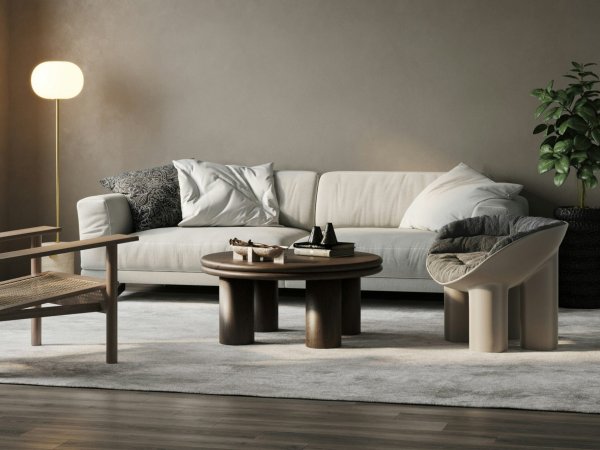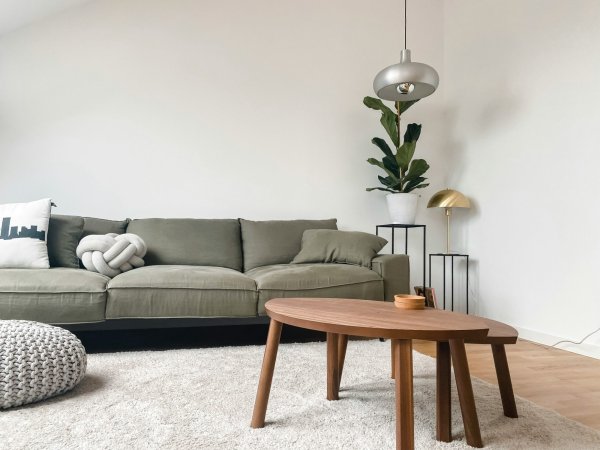
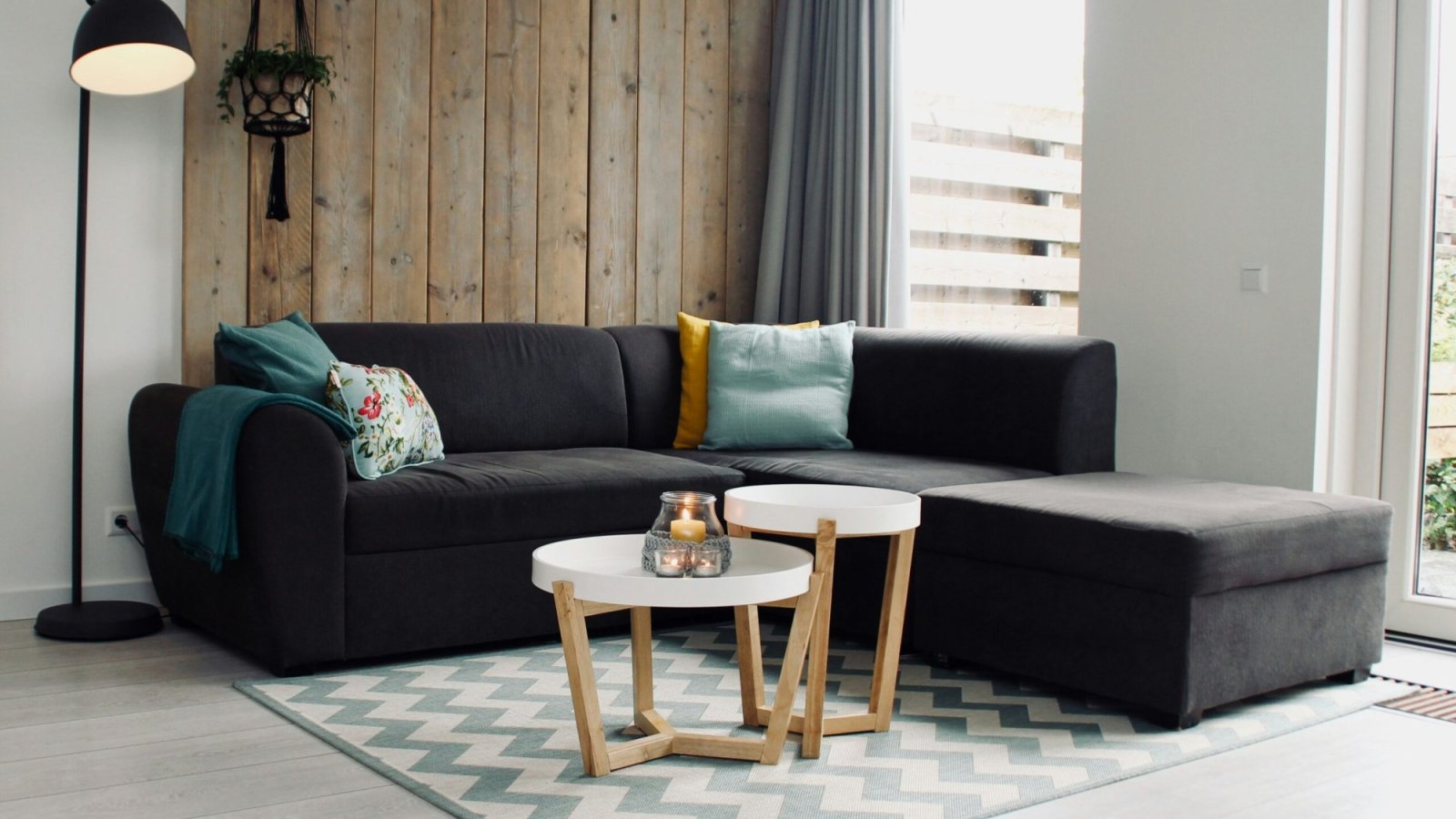
When planning a cosy yet functional space, it’s worth exploring decorating small living room ideas that show how clever furniture choices, soft colours, and thoughtful lighting can completely transform even the most compact interior. A small space can feel comfortable, stylish, and practical when you focus on smart furniture selection, thoughtful zoning, the right lighting, and colour choices that visually open up the interior. The key is to maximise space by making use of every inch while keeping the room airy and cohesive. Learning how to style a small living room can help you create a balanced, inviting space by combining light colours, compact furniture, and carefully chosen accessories. Below you will find the most important rules that help you transform limited space into a well-designed, inviting area — keep reading to discover how to make a small living room look bigger and work better.
Expert Advice – Arkadiusz Gallewicz, CEO of Furniture Story:
“Small living rooms benefit from one clearly defined focal point and at least 70–80 cm of circulation space around seating. Layered lighting and compact storage furniture help maintain balance without overwhelming the room.”
What should you pay attention to when decorating a small living room?
If you want to refresh your compact space and save space, looking for ideas for small living room layouts can help you discover smart ways to maximise light, improve storage, and create a more comfortable atmosphere. Designing a small living room starts with identifying how to arrange a small living room to offer on a daily basis. Some interiors need a dedicated relaxation zone, others double as dining or working areas. Establishing these functions makes it easier to choose furnishings that support everyday routines. It also helps avoid unnecessary items that would make the space feel busy.
Another essential step is planning the general layout. Visual clarity is especially important in compact interiors, so selecting a consistent style, coherent shapes, and avoiding dark colours in a harmonious palette simplifies the arrangement and ensures that all elements work together. From furniture proportions to the placement of lamps and accessories, each detail should support ease of movement and bring a sense of order.
What interior design style works best in a small living room?
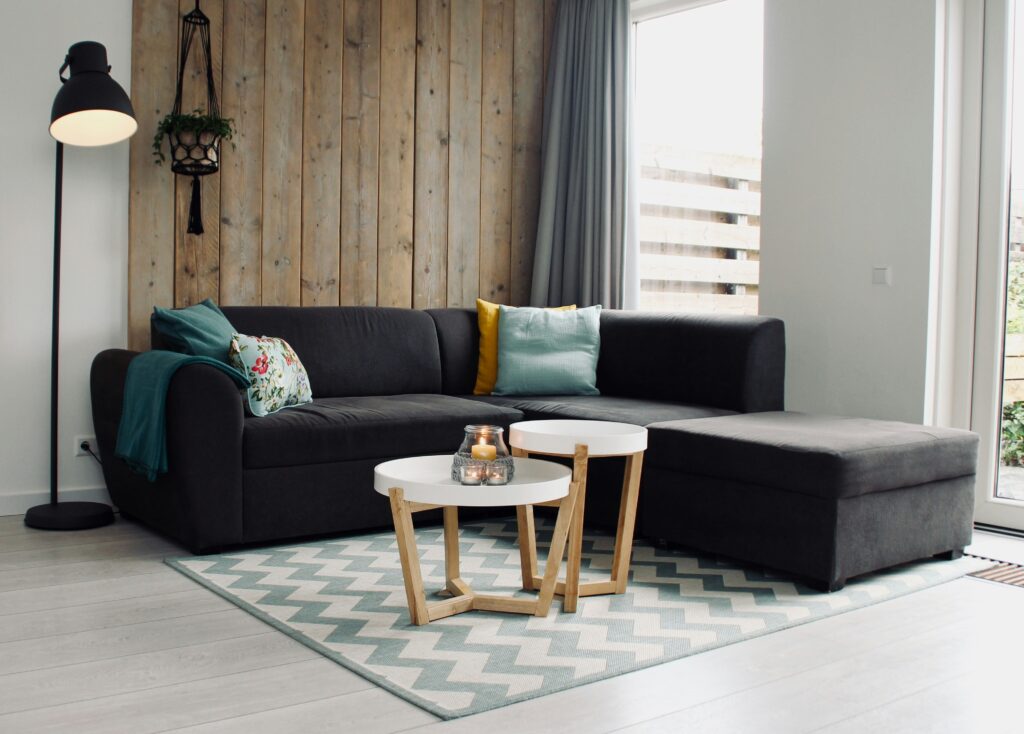
Many homeowners search for inspiration on how to design small living room layouts that feel open, practical, and stylish despite limited space. Several design styles naturally suit compact spaces because they prioritise simplicity, clarity, and balance. Below you’ll find the most popular approaches — each of which can later be explored in more detailed, dedicated articles.
Scandinavian style is ideal for small rooms thanks to its bright colours, natural materials, and emphasis on minimalism. Clean lines and subtle textures create a calm atmosphere while making the room appear more spacious.
Modern style also works exceptionally well in smaller interiors. It relies on streamlined forms, geometric accents, and uncluttered compositions. This reduces visual weight and allows the room to feel organised and elegant.
Japandi style blends Scandinavian lightness with Japanese simplicity. It focuses on functional furniture, muted colours, and thoughtful details, making it a strong option for homeowners seeking tranquillity and refined minimalism.
Minimalist style strips the space down to essentials, helping remove visual distractions. With limited decorative elements and multifunctional furniture, the room becomes easier to navigate and maintain.
Browse our top-rated designs
-
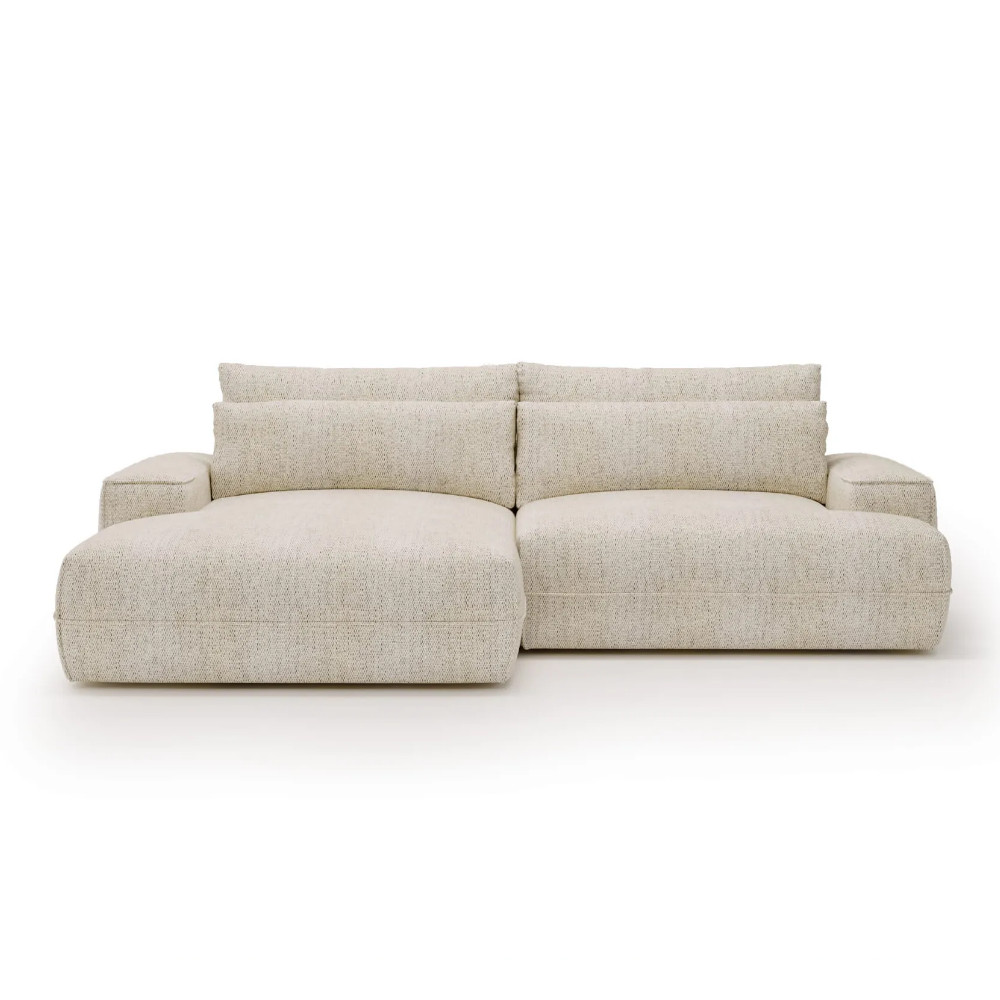
Fresh Corner Sofa Bed Compare 2 Seater Corner Sofas £1,115.00 £947.00 Browse Corner Sofa Beds
-
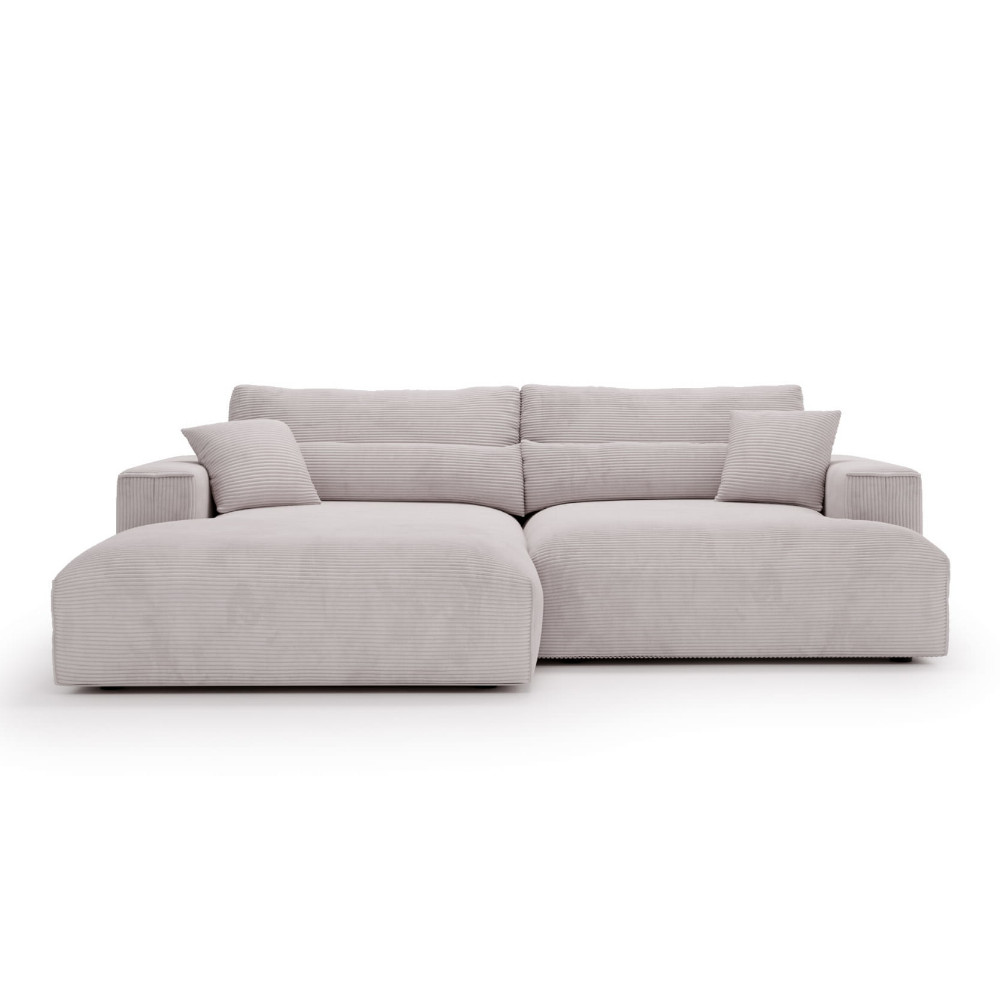
Felicia Corner Sofa Compare 2 Seater Corner Sofas £1,730.00 Browse Corner Sofa
-
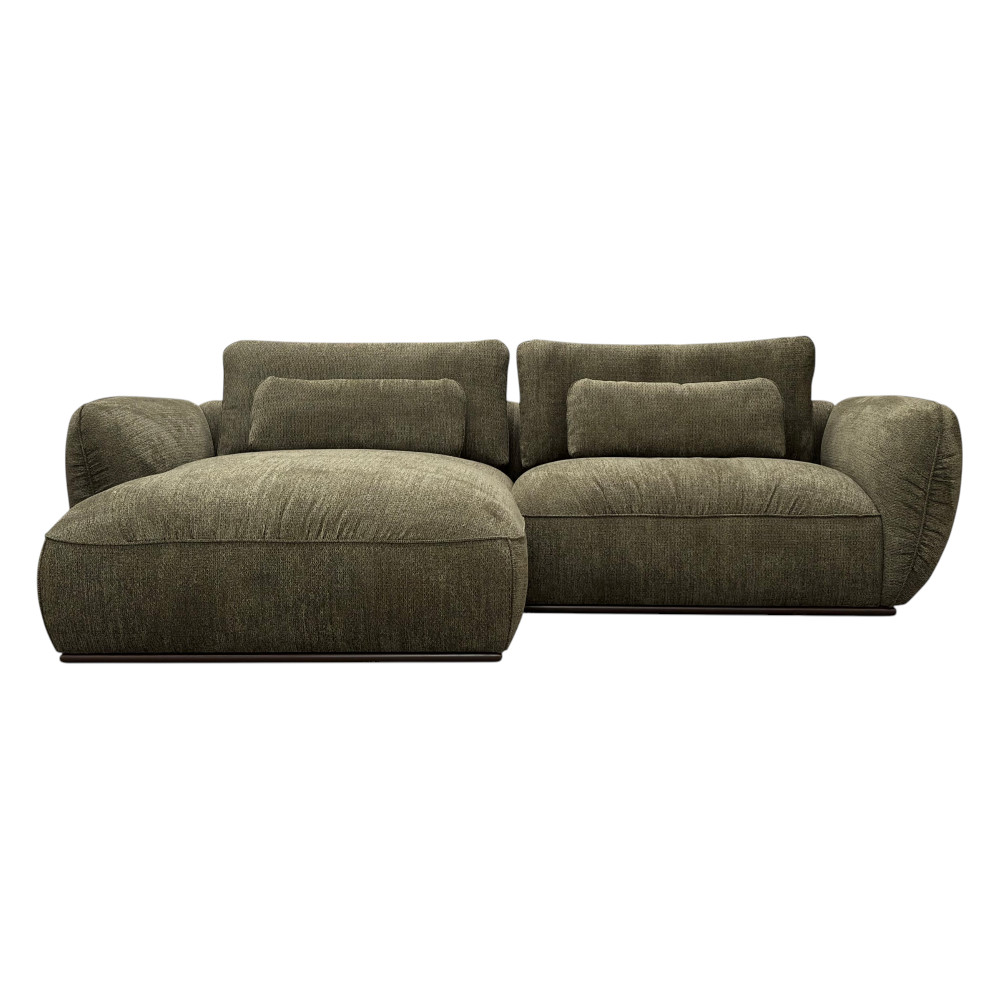
Ariana Corner Sofa Compare 2 Seater Corner Sofas £2,235.00 Browse Corner Sofa
-
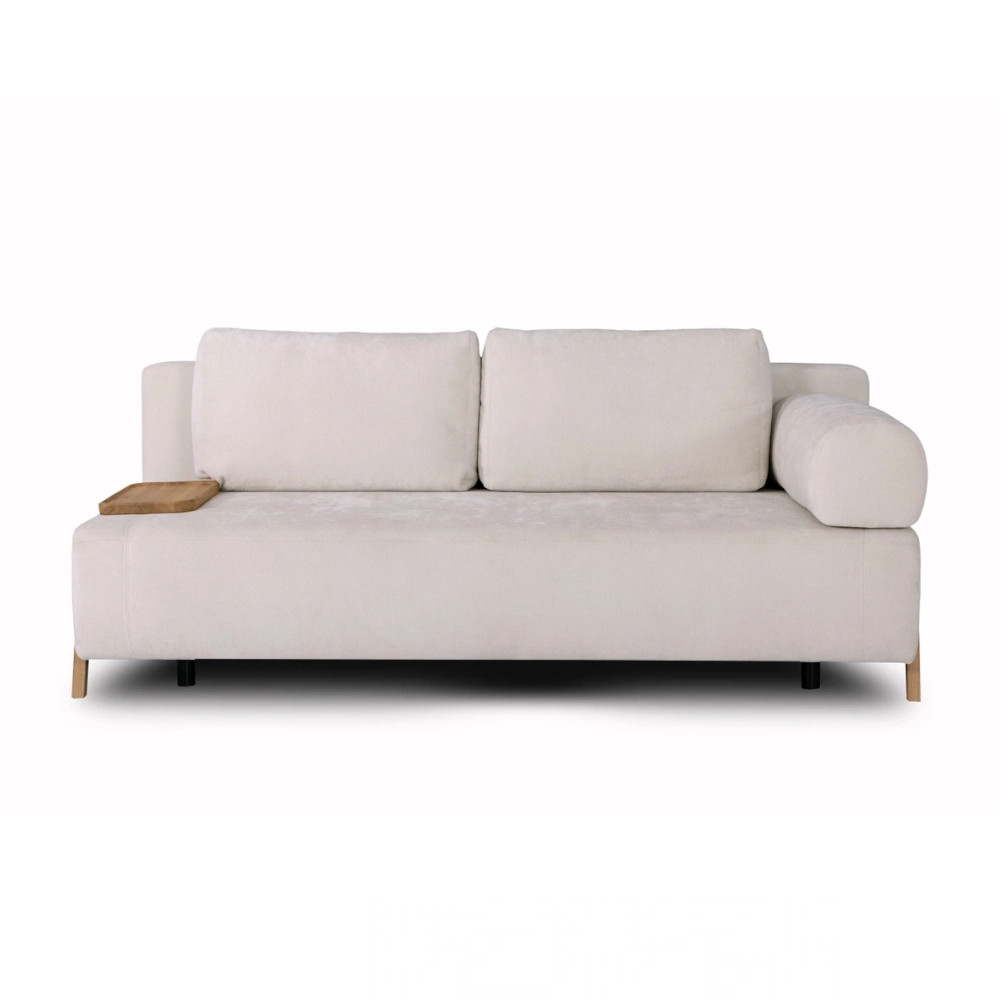
Tiny 2 Seater Sofa Bed Compare 2 Seater Sofas £1,400.00 Browse Seater Sofa Beds
-
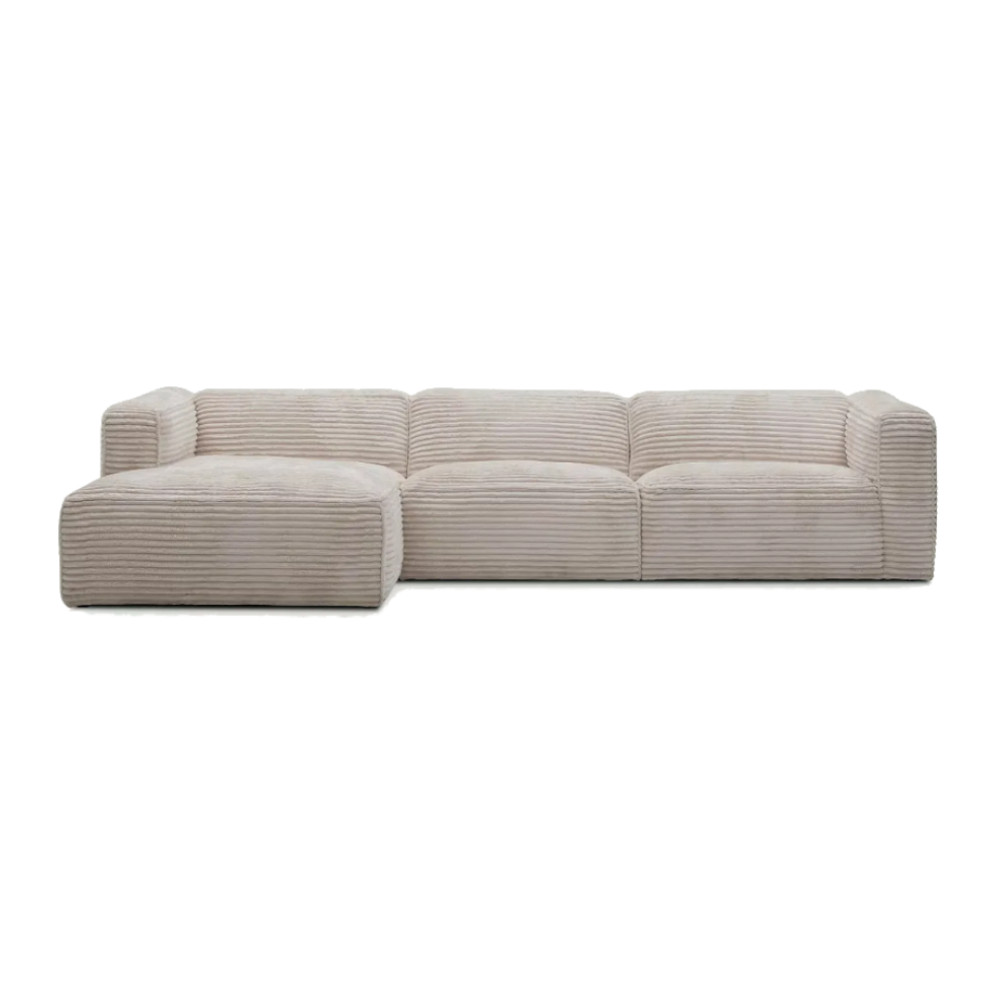
Moved XL 4 Seater Corner Sofa White Cream Tilia 03 Compare 3 Seater Corner Sofas £2,120.00 View Moved XL 3 Seater Corner Sofa
-
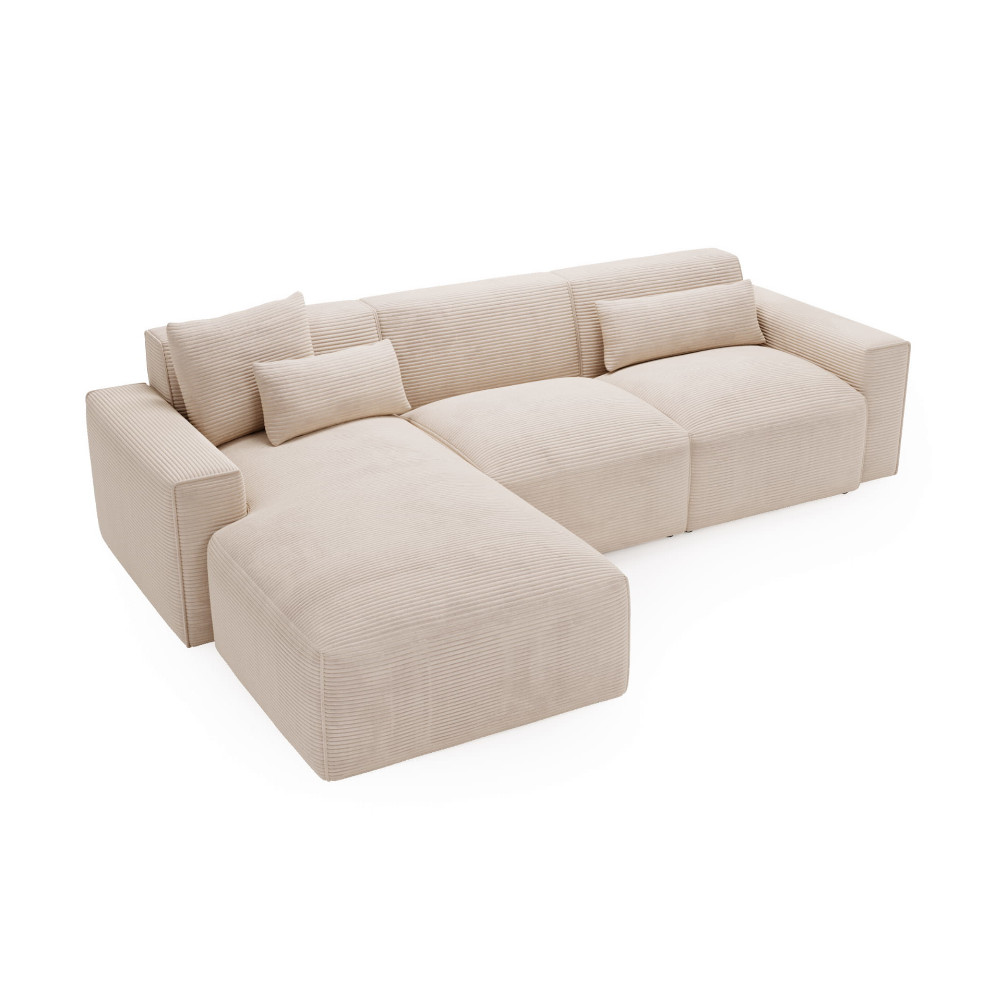
Pearl Corner Sofa Bed Compare All Corner Sofas £2,150.00 Browse Corner Sofa Beds
What colours visually enlarge a small living room?
Light tones create the strongest optical expansion effect. Soft whites, creamy neutrals, sandy beiges, pale greys, and muted pastels reflect natural light and make walls recede, giving the sense of a more open interior. Using one dominant colour throughout the room along with wall art so prevents visual fragmentation.
If you prefer a bolder palette, consider contrasting one accent wall with brighter surroundings. High-saturation colours used sparingly can introduce depth without overwhelming the space. Another useful technique is matching the wall colour to large furniture pieces, such as a sofa, which helps the item blend into the background.
How do you plan functional zones in a small living room?
If you’ve ever asked yourself how to arrange my small living room, you’re not alone — thoughtful zoning and well-chosen furniture can make a remarkable difference in how the space feels and functions. Successfully zoning a compact living room involves clear structure without rigid division. Even the smallest interiors benefit from assigning specific functions to different areas, such as a seating area for leisure, dining, or work. This approach encourages order and helps prevent clutter. Small rugs, subtle lighting changes, or differences in texture can visually separate these zones without taking up space.
Furniture placement plays an important role in defining flow. Anyone trying to optimise a compact space eventually looks for guidance on how to arrange small living room furniture, because the right layout can significantly improve comfort, flow, and visual balance. Position the main seating piece towards a focal point — for example, a window, TV unit, or decorative element — and build the remaining layout around it. Ensure movement paths stay open so that everyday use feels effortless.
What furniture works best in a small living room?
Many homeowners search for advice on how to furnish a small living room, aiming to choose pieces that maximise comfort while keeping the space open and easy to navigate. Choosing furniture for a small living room requires attention to proportions and practicality, including options like a narrow coffee table. Sofas with slim profiles, compact arms, and elevated legs make the space feel lighter. Avoid oversized models that dominate the room and reduce versatility. Storage-integrated furniture is especially helpful — coffee tables with shelves, TV units with drawers, or sideboards that discreetly hold essentials.
Multifunctional pieces can greatly improve the comfort of compact interiors. An ottoman that doubles as a table, a narrow console that becomes a desk, or nesting coffee tables that slide together all provide flexibility without sacrificing style. Thoughtful storage solutions help maintain order and prevent the room from feeling crowded.
How to choose lighting for a small living room?
Lighting has a strong impact on the perception of space, making it feel like there is more space. Instead of relying on a single ceiling lamp, consider layering several sources of light. Floor lamps, wall lights, and small table lamps introduce depth and visual warmth, contributing to a cosy atmosphere. This combination brightens corners and softens contrasts, making the room appear larger and more inviting.
Warm, diffused lighting works best in small interiors, especially when paired with reflective or lightly textured surfaces. Adjustable lamps and directional lighting can highlight specific areas, such as shelves or artwork, adding character without increasing visual weight.
What accessories suit a small living room without overwhelming it?
When planning your décor, it helps to learn how to accessorize a small living room in a way that adds personality without overwhelming the limited space. Accessories should enhance the atmosphere rather than dominate it. Choose decorative pieces that bring personality but remain in harmony with the scale of the space. A few well-selected cushions, a textured throw, or a single statement vase can create interest. Mirrors are an especially effective accessory — they reflect light and visually expand the room.
Wall décor should also be used with moderation. One larger artwork often feels more balanced than several small frames that clutter the wall. Natural elements such as plants add freshness, but selecting slender, vertical forms keeps the arrangement elegant and unobtrusive.
Frequently asked questions about decorating a small living room
Many people wonder how to decorate small living room, especially when they want the space to feel both stylish and practical without appearing cluttered. Here you will find answers to common questions that homeowners often ask when working with a very small living room.
Why can decorating a small living room be challenging?
Limited square footage means every decision affects both comfort and visual balance. Without thoughtful planning, the room can quickly become overcrowded.
How can you make a small living room look bigger?
Use light colours, streamlined furniture, layered lighting, and minimal accessories to open up the space. Keeping the layout clear improves both flow and appearance.
What furniture helps maximise storage in a small living room?
Sideboards, compact TV units, coffee tables with shelves, and ottomans with concealed compartments all support organisation without taking up extra space.
How do you arrange a relaxation zone in a small living room?
Choose one main seating piece and complement it with small accent furniture. Position the sofa towards the focal point and allow for easy movement around it.
Can accessories make a small living room feel larger?
Yes — mirrors, lightweight textiles, and simple décor create visual depth and brightness, making the room appear more spacious.
Summary and final recommendation
Designing a small living room successfully requires thoughtful choices: light colours, compact furniture, smart storage, soft furnishings and balanced lighting work together to create a cosy living room that is both functional and visually open. By focusing on proportions and organisation, even the smallest interior can offer comfort and style. Use these practical principles as inspiration and explore high-quality furniture that supports well-planned, attractive living spaces.