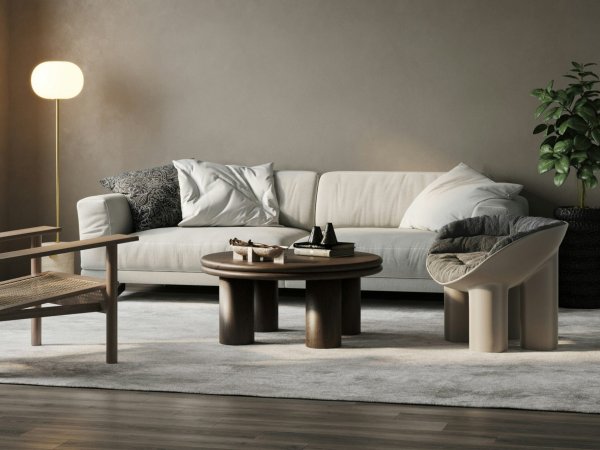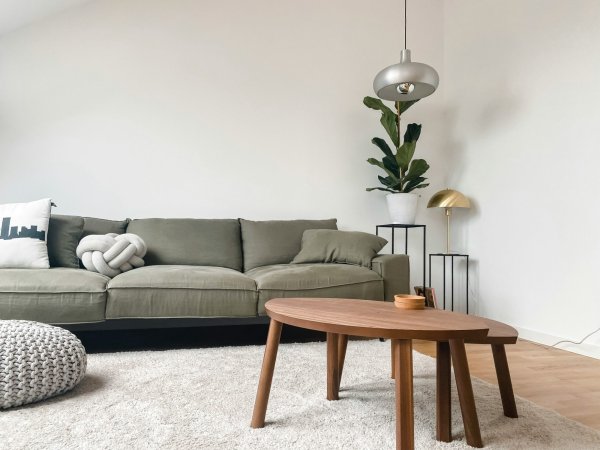
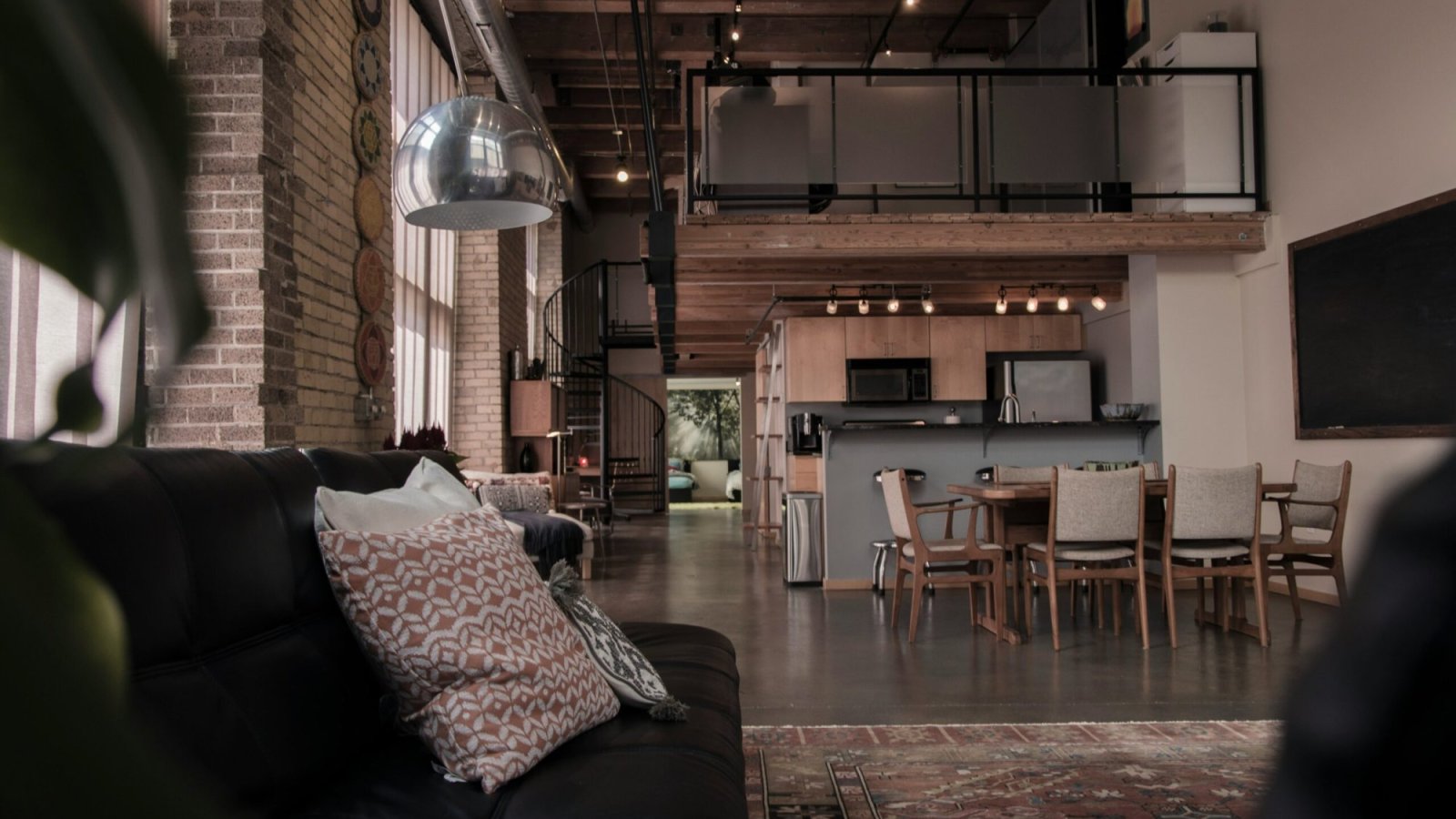
An industrial living room combines raw materials, functional furniture, and a restrained colour palette inspired by former factories and warehouses. Key aspects include exposed textures, thoughtful lighting, balanced proportions, and carefully chosen furnishings that soften the space without losing its character. When done well, industrial interiors feel bold yet comfortable. Explore the guide below to discover practical ideas and inspiration for creating an industrial-style living room that is a great place for relaxation and socializing.
Where does the loft style come from and what are its characteristics?
Industrial style originates from the adaptation of old factories and lofts into residential spaces. Designers preserved original features such as brick walls, metal structures, and visible installations, turning necessity into a defining aesthetic. This approach values authenticity, function, and simplicity over decoration.
Thanks to its versatile nature, the industrial style can be adapted to any house, whether it’s an urban apartment, a townhouse, or a rural home, making it a popular choice for a wide range of interiors.
In an industrial living room, the expected standards include the prominent use of raw materials and exposed finishes that showcase craftsmanship and authenticity. The focus is on raw materials such as brick, concrete, metal, and reclaimed wood, which are essential for achieving the industrial look. The ‘holy trinity’ of industrial decor materials includes wood, metal, and stone, forming the foundation of this style. Exposed finishes like concrete floors, wood paneling, and exposed brick walls are crucial for creating the right ambiance. Wooden elements, especially as accents in furniture, play an important role in adding warmth and a rustic touch to the space.
Today, industrial interiors focus on raw finishes, open layouts, and honest materials like metal, glass, and concrete. Variations include industrial chic, which adds softer fabrics and refined lighting, and modern industrial, which blends minimalist forms with warmer tones and contemporary details.
Expert Advice – Arkadiusz Gallewicz, CEO of Furniture Story:
“When designing an industrial living room, I recommend limiting the palette to three main materials and keeping clear walkways of at least 80 cm, which helps the space feel organised rather than unfinished.”
What colours to choose for an industrial living room?
Colour plays a crucial role in balancing the raw nature of industrial interiors. Shades of grey, graphite, and black create a strong base, while brick red and concrete tones add depth. These colours echo the original factory environment and provide visual consistency. A neutral color palette—greiges, beiges, charcoal greys, and whites—is key to achieving the industrial look.
To avoid a cold atmosphere, designers often introduce warm neutrals such as beige, taupe, or muted brown, along with subtle accents like olive green or deep navy. Industrial decor often features a neutral color palette with materials like stone, wood, and concrete. Decorations should be limited to essential shapes and elements to maintain a minimalistic, uncluttered look. These tones soften the space while preserving its industrial edge.
Take a look at our favourite models
-
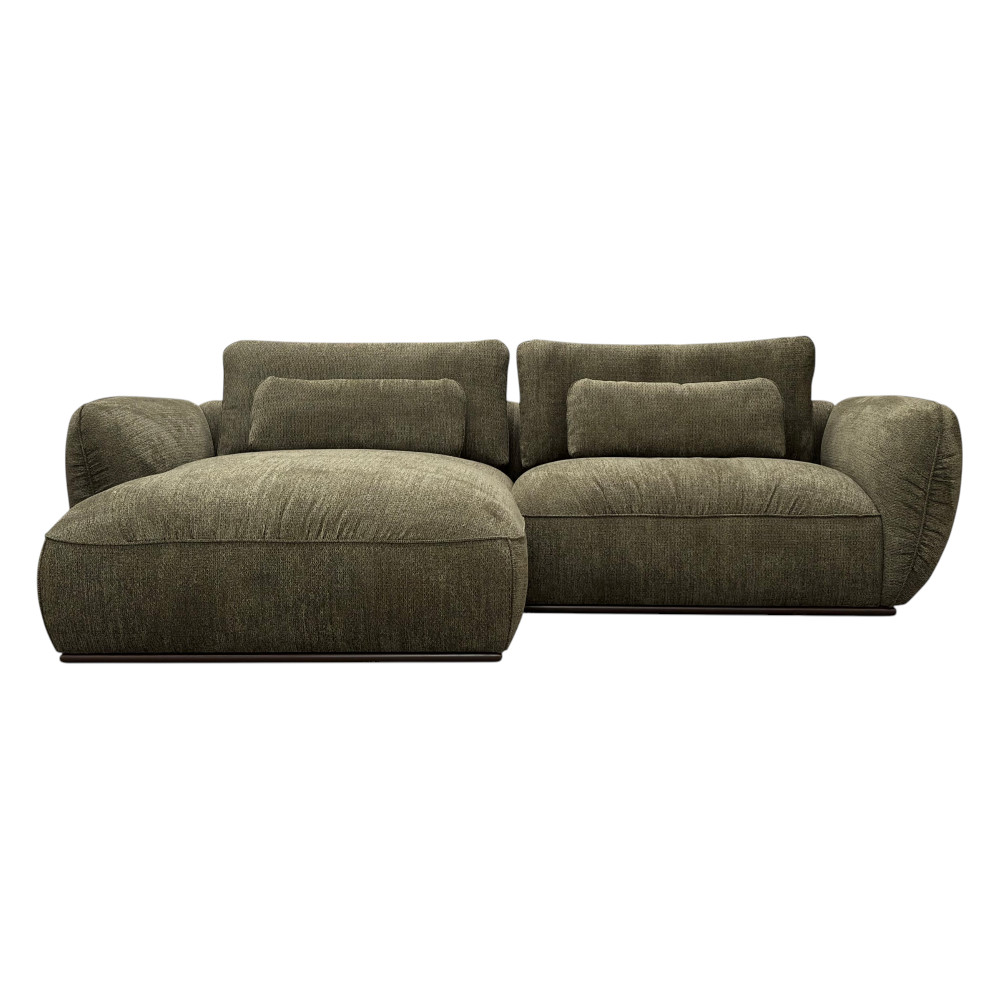
Ariana Corner Sofa Compare 2 Seater Corner Sofas £2,235.00 Find out more
-
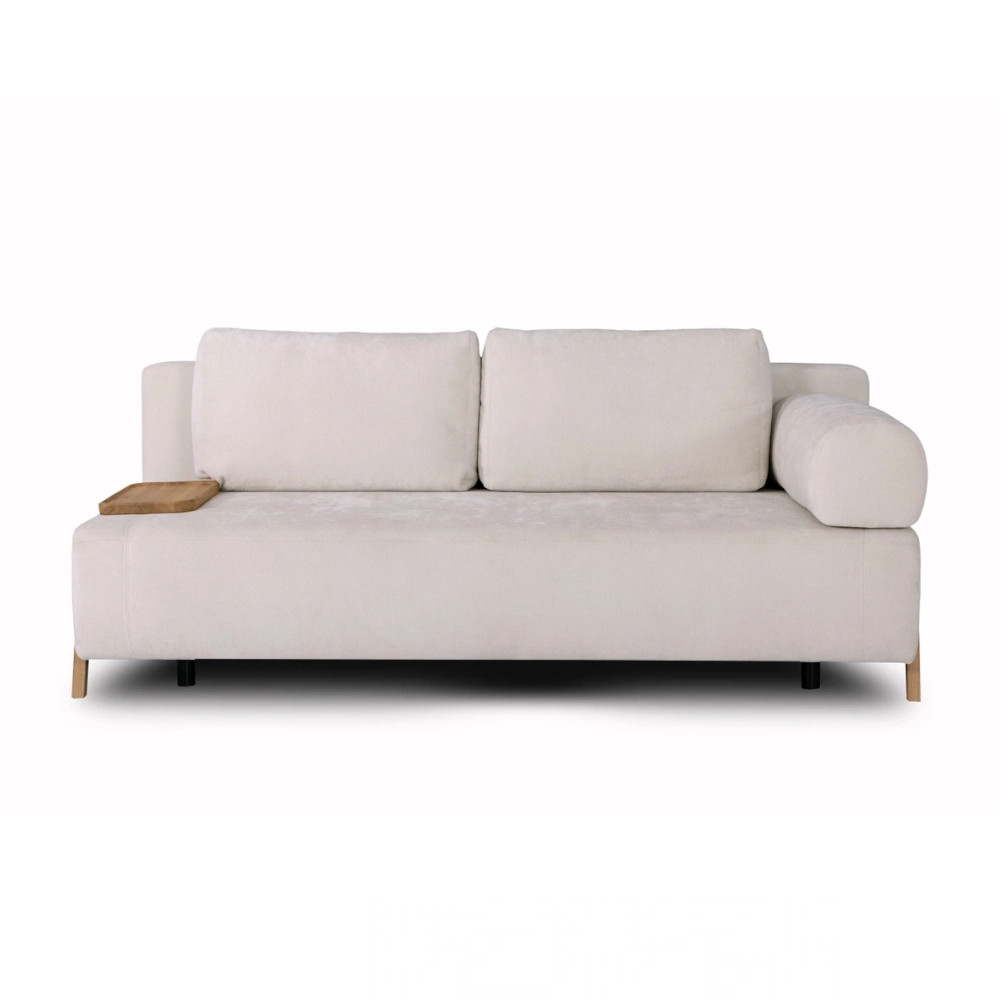
Tiny 2 Seater Sofa Bed Compare 2 Seater Sofas £1,400.00 Find out more
-
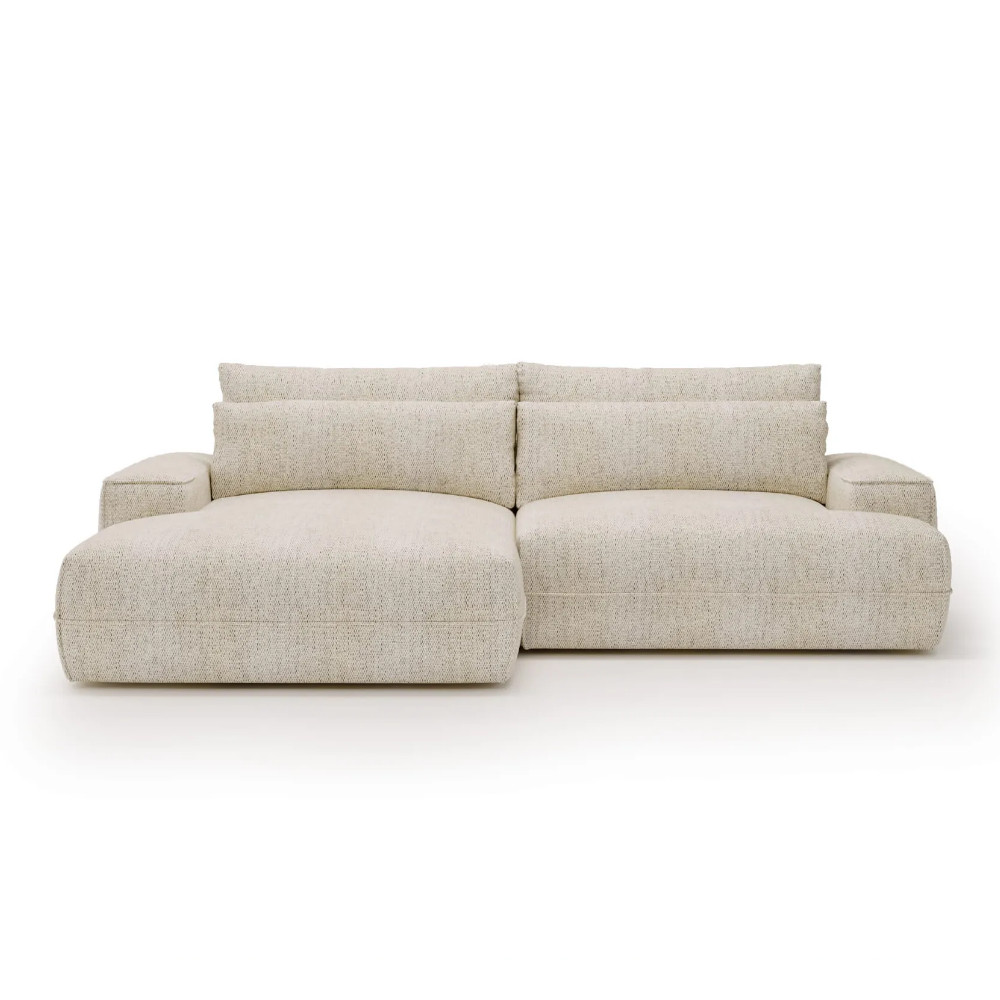
Fresh Corner Sofa Bed Compare 2 Seater Corner Sofas £1,115.00 £947.00 Find out more
-
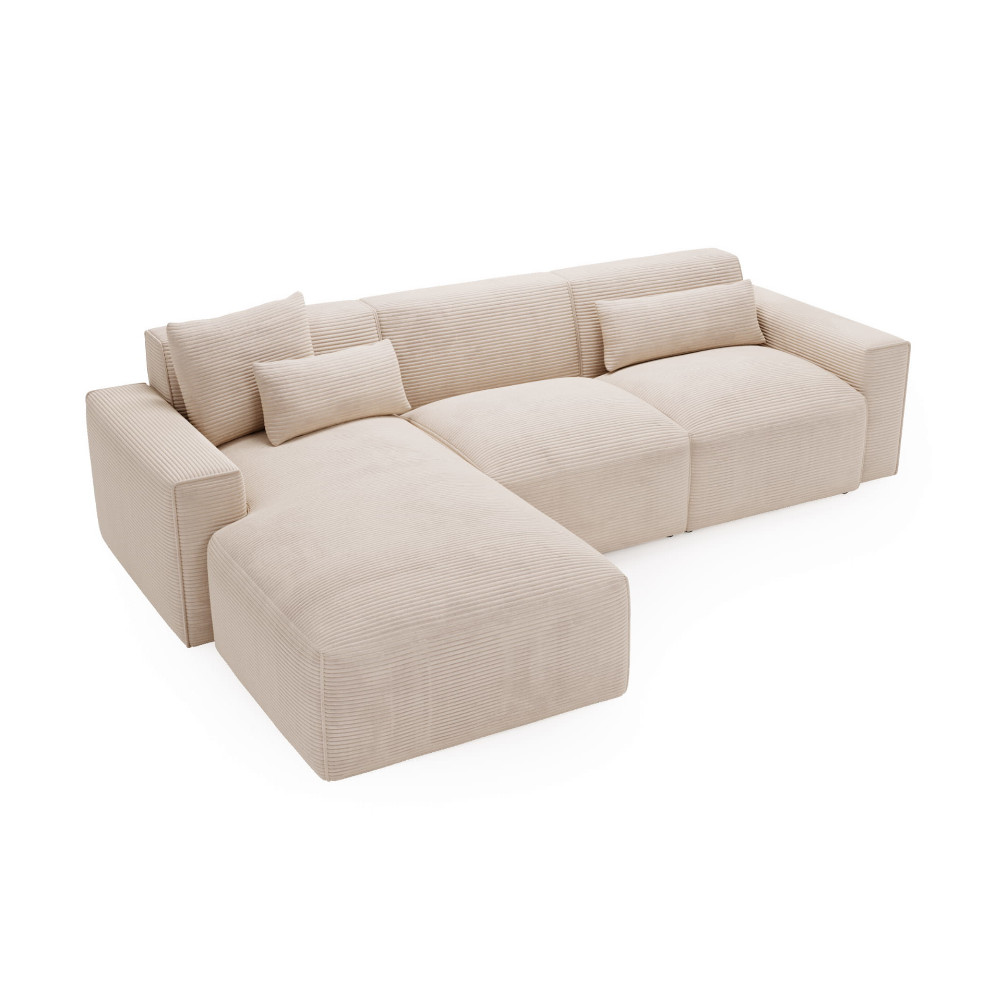
Pearl Corner Sofa Bed Compare All Corner Sofas £2,150.00 Find out more
-
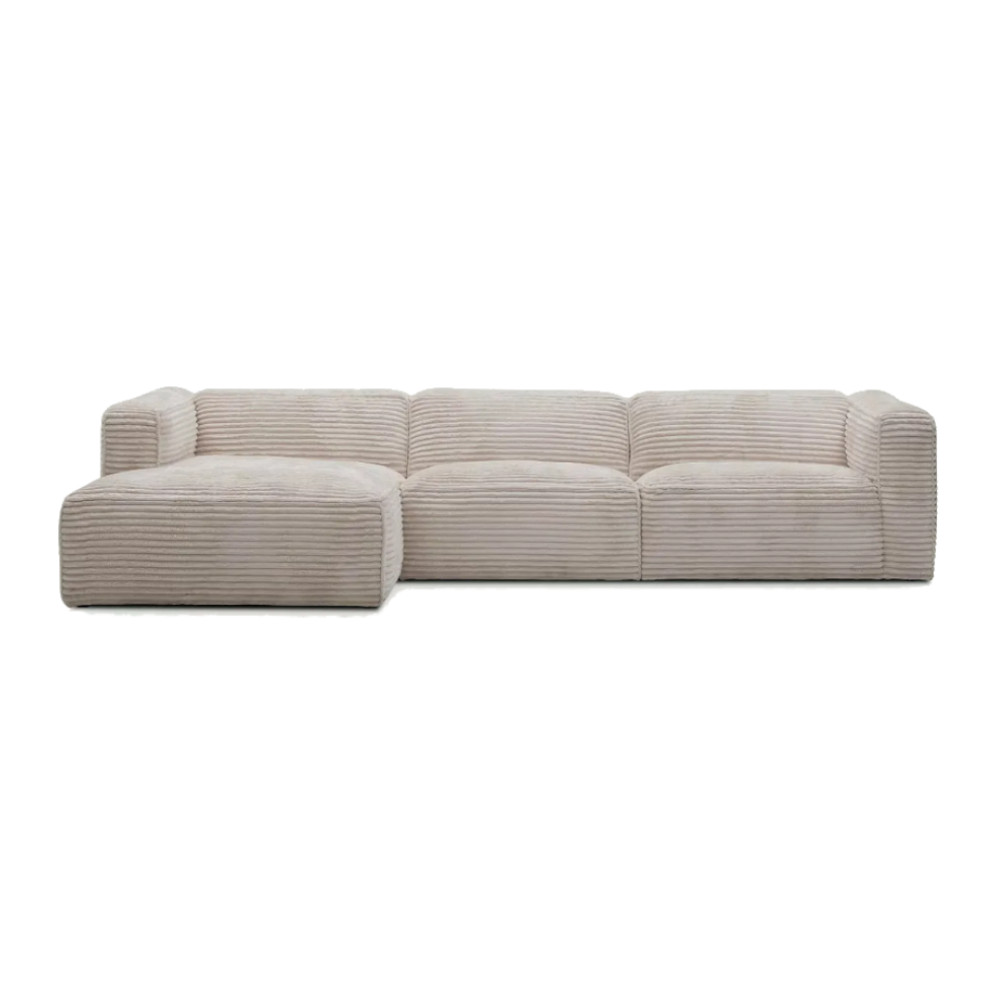
Moved XL 4 Seater Corner Sofa White Cream Tilia 03 Compare 3 Seater Corner Sofas £2,120.00 Find out more
-
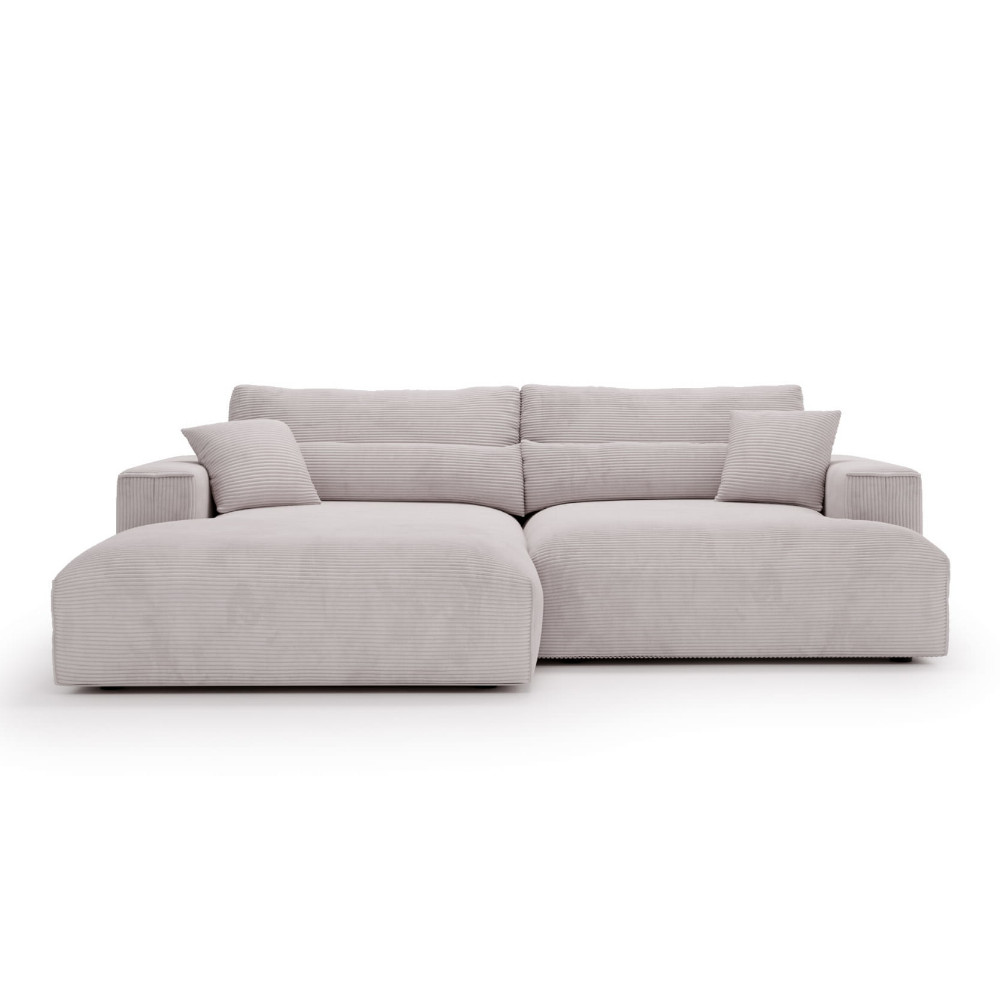
Felicia Corner Sofa Compare 2 Seater Corner Sofas £1,730.00 Find out more
What furniture suits an industrial-style living room?
Furniture in an industrial living room should feel solid, practical, and visually grounded. Sofas with clean lines and structured shapes work best, especially when paired with textured upholstery. Furniture in an industrial living room should have simple, functional designs, often made from leather, reclaimed wood, and metal. Chairs, armchairs, and benches often feature metal frames or minimalist silhouettes.
Other essential pieces include coffee tables with statement metal bases and natural solid oak finishes, open shelving units for display, industrial sideboards, bookcases, accent chairs, and TV stands or stand-alone stands that combine manufactured wood with steel elements. Industrial sideboards are designed to fit various spaces while providing ample storage space, and their sturdy construction with unique grain patterns and metal accents helps organize home clutter. Sideboards and other storage furniture help cover or conceal clutter behind cupboards and drawers, maintaining a tidy appearance.
Open shelves in industrial furniture provide plenty of space to display decorations and accessories. Bookcases often feature minimal detailing and provide ample shelf space. Storage furniture should remain visually light, helping maintain an open and uncluttered layout. Industrial accent chairs come in various styles, colors, and materials to enhance the living room.
Factory lighting: how to illuminate your space with character
Industrial lighting is a defining feature of the industrial style, setting the mood and highlighting the unique character of your living space. To achieve an authentic industrial look, opt for pendant lights crafted from metal or glass—these fixtures not only provide ample illumination but also serve as striking design statements. For example, a pendant light with a metal frame and clear glass shade can become a focal point above your coffee table or dining area, casting a warm, inviting glow.
Table lamps with exposed bulbs or metal shades are another excellent way to reinforce the industrial aesthetic. Look for lamps that feature materials like steel, wood, or clear glass, and consider finishes such as antique brass or satin nickel for added depth. Wall lights can also play a key role, especially when placed strategically to highlight brick walls or architectural features.
When selecting lighting, focus on quality materials and simple, functional designs. Layer different types of lighting—pendant lights, table lamps, and wall lights—to create a dynamic and flexible atmosphere in your living room. The right lighting not only enhances the industrial style but also brings warmth and personality to your space.
What decorations will warm up an loft living room?
Industrial interiors benefit from carefully selected accessories that add warmth without overwhelming the space. Maintaining a good flow in the room is essential for creating an inviting and functional living space, ensuring unobstructed movement and spatial harmony. Large windows play a key role by allowing natural light to flood the space, enhancing the open, warehouse-inspired industrial atmosphere. Soft textiles such as cushions, rugs, and throws introduce comfort and improve acoustics. Lighting also plays a vital role in setting the mood.
Decorative elements like vintage-style lamps, framed typography prints, indoor plants, and textured ceramics bring personality and contrast to raw surfaces. Incorporating plants such as succulents and cacti adds a touch of greenery that enhances the industrial style. Large leafy plants in metal or concrete pots can also be used to add life and soften the ruggedness of lofty interiors. These additions make the living room feel inviting rather than austere.
Textiles and fabrics: softening the industrial edge
While the industrial style is known for its raw materials and bold surfaces, textiles and fabrics are essential for creating a comfortable and welcoming living space. Incorporate natural fibers such as wool, linen, or cotton into your upholstery, rugs, and throw pillows to add warmth and texture. For example, a soft area rug in a neutral shade can instantly warm up a room with concrete floors and exposed brick walls, making the space feel more inviting.
Choose fabrics with subtle patterns or interesting textures—think woven throws, velvet cushions, or linen curtains—to introduce depth without overpowering the industrial elements. A plush sofa upholstered in a tactile fabric can provide a cozy contrast to metal and concrete, while still fitting seamlessly into the overall design aesthetic.
By thoughtfully layering textiles, you can soften the edges of your industrial living room, creating a balanced environment that feels both stylish and comfortable. These touches help transform a space dominated by hard materials into a true living space where you can relax and unwind.
How to decorate a small living room in an loft style?
A small industrial living room requires thoughtful planning and visual restraint. Light grey walls, reflective surfaces, and streamlined furniture help maximise the sense of space. Choosing the right floor materials, such as wood flooring, adds warmth and texture, making the room feel inviting without sacrificing the industrial edge. Avoid heavy partitions and focus on multifunctional pieces.
Wall-mounted shelving, compact seating, and carefully positioned lighting prevent overcrowding while preserving the industrial feel. In smaller interiors, fewer materials and consistent colours create a cleaner and more spacious impression. Use the layout to create zones with furniture pieces like sectionals or console tables to define different areas within the small space.
Ideas for arranging a living room in an industrial style
Looking for industrial living room ideas? Industrial living rooms can be arranged in many inspiring ways, from classic loft layouts to modern urban interiors. The key is maintaining balance between raw elements and comfortable living zones.
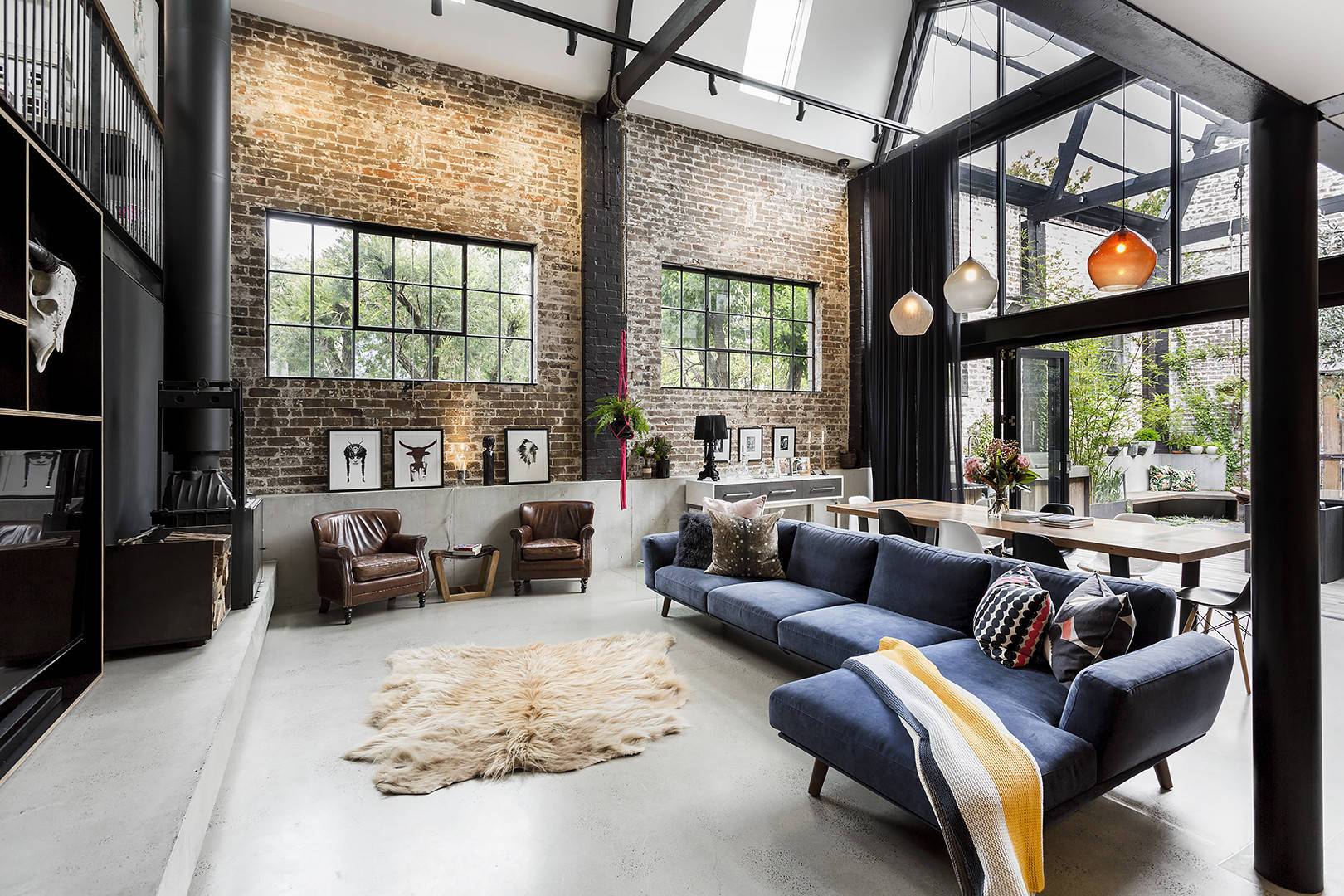
Use these ideas to explore layouts that combine exposed textures with cosy seating areas, layered lighting, and functional furniture placement. Industrial living rooms often feature open-plan layouts that seamlessly connect the living room with the dining room, where a dining table can become a striking focal point. These versatile spaces can serve as both a living room and a sitting room, adapting to different needs. High ceilings and large windows are essential for creating an open, airy feel and maximizing natural light. Enhance the industrial aesthetic with ceiling-mounted lighting fixtures, such as pendant lights or industrial ceiling lamps, to complete the look.
Budget-friendly options for an industrial living room makeover
Transforming your living room into an industrial haven doesn’t have to come with a hefty price tag. There are plenty of budget-friendly ways to achieve the industrial style without compromising on quality or character. Start by exploring second-hand shops or online marketplaces for vintage furniture—metal chairs, wooden crates, and old factory carts can be repurposed as unique coffee tables or shelving units.
Reclaimed wood and brick veneer are affordable materials that can add instant industrial flair to your walls or floors. Simple DIY projects, such as building your own shelving unit from metal pipes and wooden planks, allow you to customize your space while keeping costs low.
Lighting is another area where you can save—look for metal pendant lights or industrial-style string lights to add ambiance without overspending. By mixing thrifted finds, DIY solutions, and affordable materials, you can create a stylish industrial living room that reflects your personality and stays within budget.
Common mistakes to avoid when decorating in factory style
Decorating in industrial style offers plenty of creative freedom, but there are a few common pitfalls to watch out for. One frequent mistake is over-accessorizing, which can lead to a cluttered and chaotic space. Instead, focus on a few standout pieces—such as a metal coffee table or a vintage lamp—and let the rest of the room breathe.
Another misstep is neglecting the importance of texture and materiality. Industrial style thrives on the interplay of concrete, metal, and wood, so be sure to incorporate a variety of surfaces and finishes. Avoid using too many bold colors or busy patterns, as these can detract from the clean, understated look that defines industrial interiors.
Keep your color palette neutral and let the natural beauty of the materials take center stage. By maintaining focus on quality materials and thoughtful design, you’ll create a space that feels cohesive, stylish, and true to the essence of industrial living.
Frequently asked questions about arranging an industrial living room
Below are answers to common questions that help clarify the principles of industrial interior design and its practical application.
What are the main features of the industrial style?
Industrial style focuses on raw materials, open spaces, neutral colours, and functional furniture inspired by factory interiors. Robust materials such as concrete and metal are characteristic of the industrial style, giving the space a durable and authentic feel. The minimalist design emphasizes open spaces and airflow, creating an uncluttered and airy environment. Lighting fixtures in industrial living rooms often feature finishes such as bronze and silver, which complement the overall aesthetic and add a vintage or modern touch depending on the chosen style.
Is the industrial style a good choice for a small living room?
Yes, when you use lighter colours, compact furniture, and simple layouts that avoid visual clutter.
Which sofa is best suited to an industrial living room?
A sofa with clean lines, structured form, and textured upholstery fits best within an industrial setting.
How can you warm up the decor of an industrial living room?
You can add warmth through soft textiles, ambient lighting, natural accents, and carefully chosen accessories.
Last minute checklist for your industrial living room
Before you put the finishing touches on your industrial-style living room, run through this quick checklist to ensure your space is both functional and stylish:
- Lighting: Make sure your room features a mix of industrial-style lighting, such as metal pendant lights, table lamps, or wall lights, to create a warm and inviting atmosphere.
- Materials: Check that you’ve balanced key materials—concrete, metal, and wood—throughout the space for depth and visual interest.
- Textures: Layer in a variety of textures with textiles, rugs, and soft furnishings to soften the industrial edge and add comfort.
- Greenery: Add a touch of life with a potted plant or fresh flowers to bring warmth and vibrancy to your living room.
- Cohesion: Step back and ensure the overall look is cohesive, with each element contributing to the industrial style without overwhelming the room.
By following this checklist, you’ll create a living room that captures the essence of industrial style—bold, functional, and effortlessly stylish.
Summary and final tips
An industrial living room blends history, function, and modern comfort through raw materials, balanced colours, and practical furniture choices. Vintage-inspired lighting, such as metal fixtures, pendant lights, and Edison bulbs, plays a key role in industrial decor. Enhance the industrial look by using pendant lights with large metal shades, clear glass pendants, and floor lamps in timeless designs. Incorporate uncovered beams and lightbulbs for an authentic industrial feel. For a personalized touch, customize lighting fixtures with different paint finishes to match your decor. Layer your lighting scheme with table lamps and wall lights to add both style and functionality. By layering textures, refining lighting, and selecting the right furnishings, you can create a space that feels both bold and welcoming. If you are looking to bring industrial style into your home, explore Furniture Story’s curated furniture collections and find solutions designed to suit contemporary living.