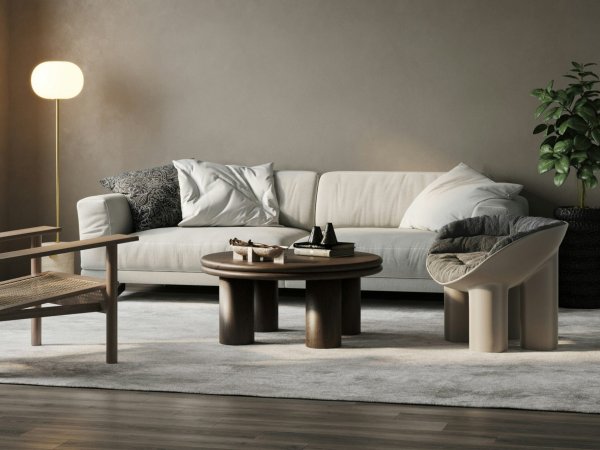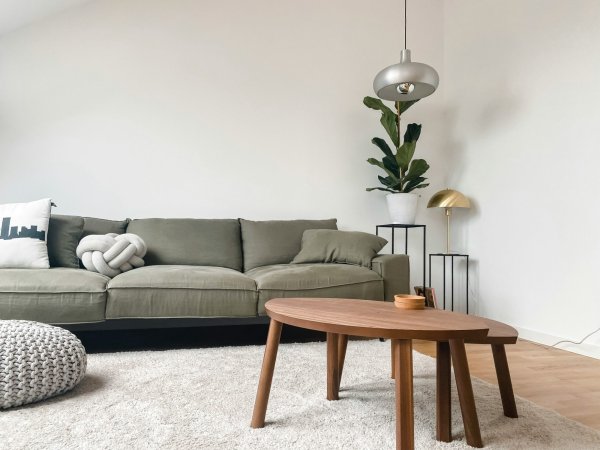
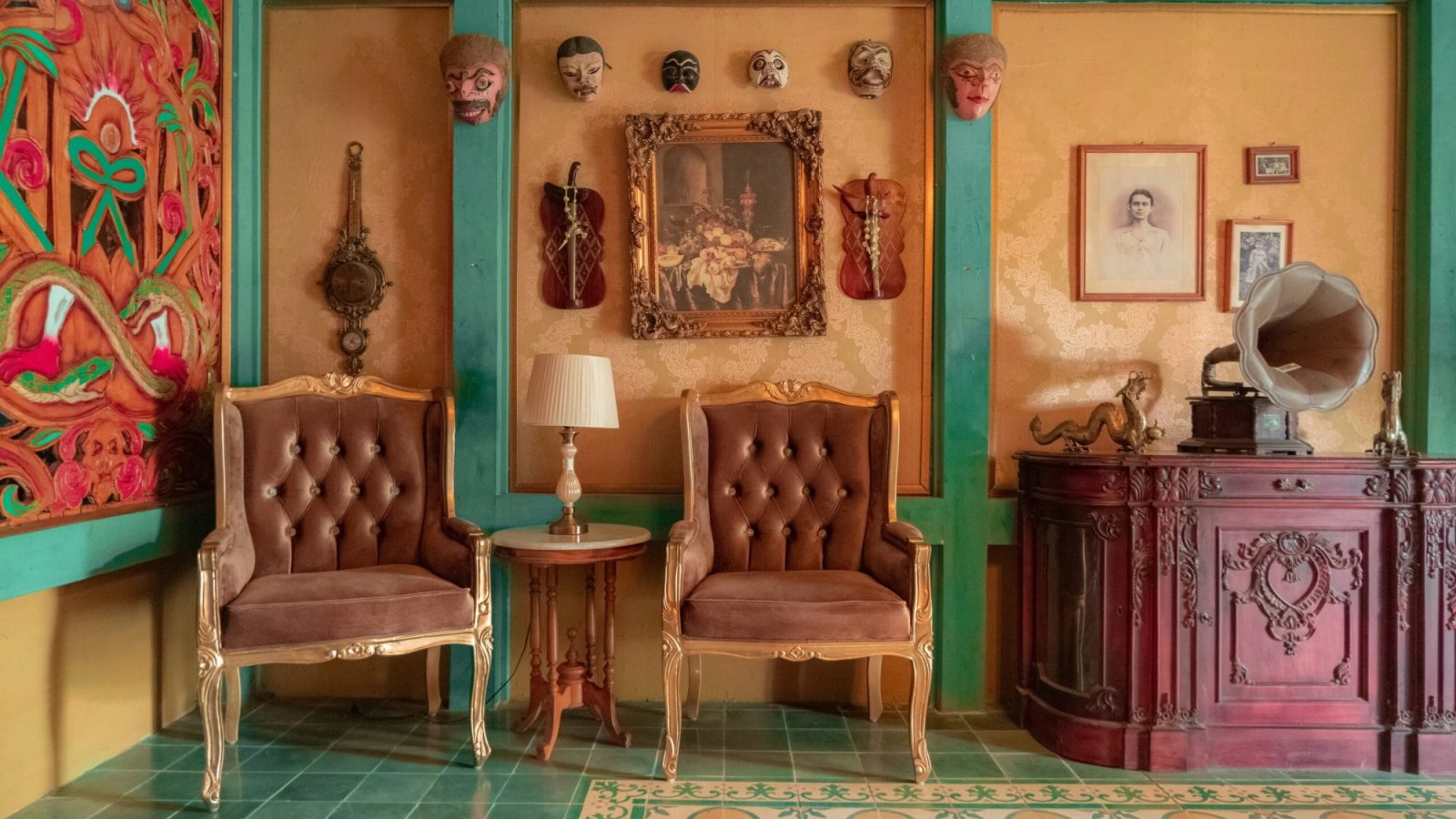
Decorating a charming vintage living room requires balance, character, and thoughtful choices. You should consider colour palettes, furniture forms, authentic materials, and carefully selected accessories. Proportions, light, and space planning also play a key role. A vintage style living room feels warm and personal, combining classic furniture shapes with carefully chosen colours and accessories that reflect character and history. Discover how to create a timeless interior that feels personal and welcoming. Read on for practical guidance and inspiring ideas.
Where does the style come from and what are its characteristics?
Vintage style draws inspiration from a range of eras, from the 1920s to the 1970s and even earlier periods, such as the midcentury era or the Victorian era. It celebrates history, craftsmanship, and items with visible character. Interiors feel layered, warm, and expressive rather than uniform.
Antique furniture is a key example of vintage items prized for their historical value and exceptional craftsmanship. Furniture often includes handcrafted pieces dating from the 1600s to the 1970s, offering a wide range of styles from different eras to suit various tastes and interior themes. Choosing old furniture also often results in a lower carbon footprint compared to buying new items. Modern vintage blends classic forms with contemporary simplicity. Rustic vintage focuses on aged textures and natural finishes. Industrial vintage combines retro furniture with raw elements like metal and brick. The common feature is authenticity and a lived in feel.
Browse our most popular styles
-
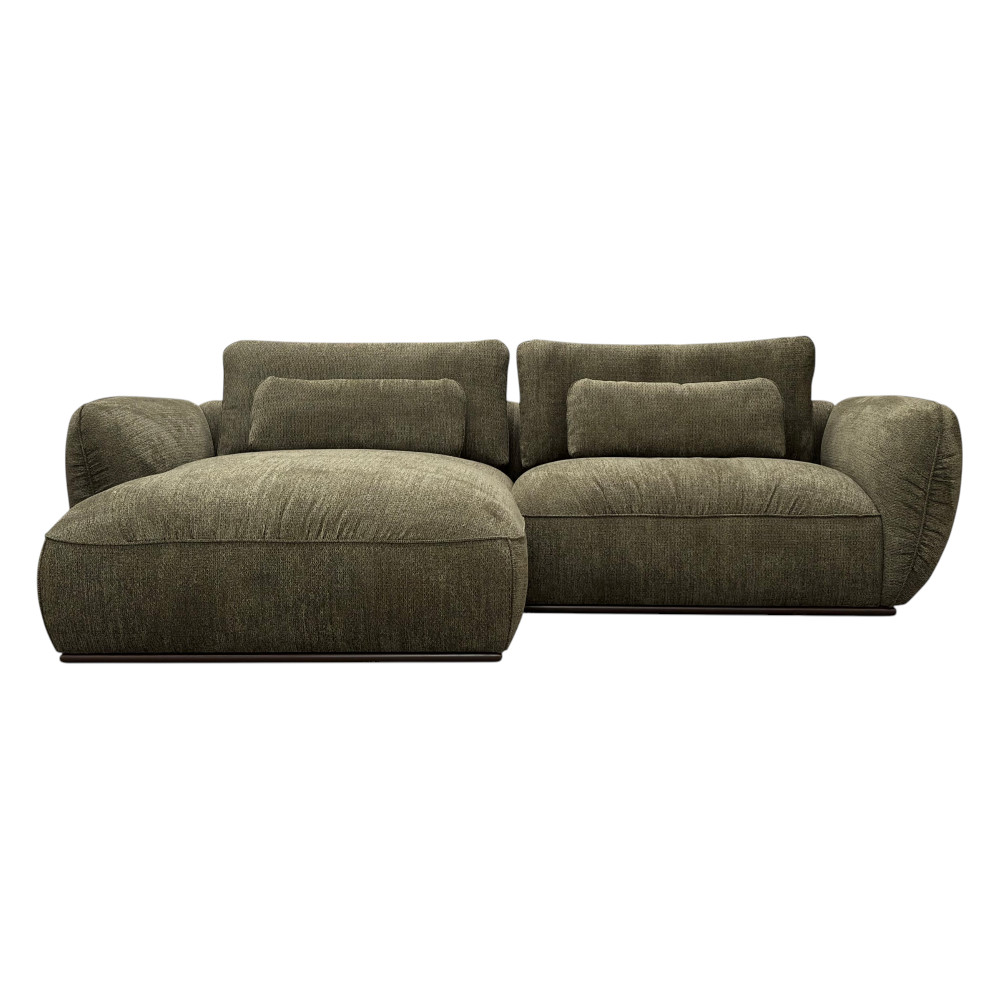
Ariana Corner Sofa Compare 2 Seater Corner Sofas £2,235.00 Find out more
-
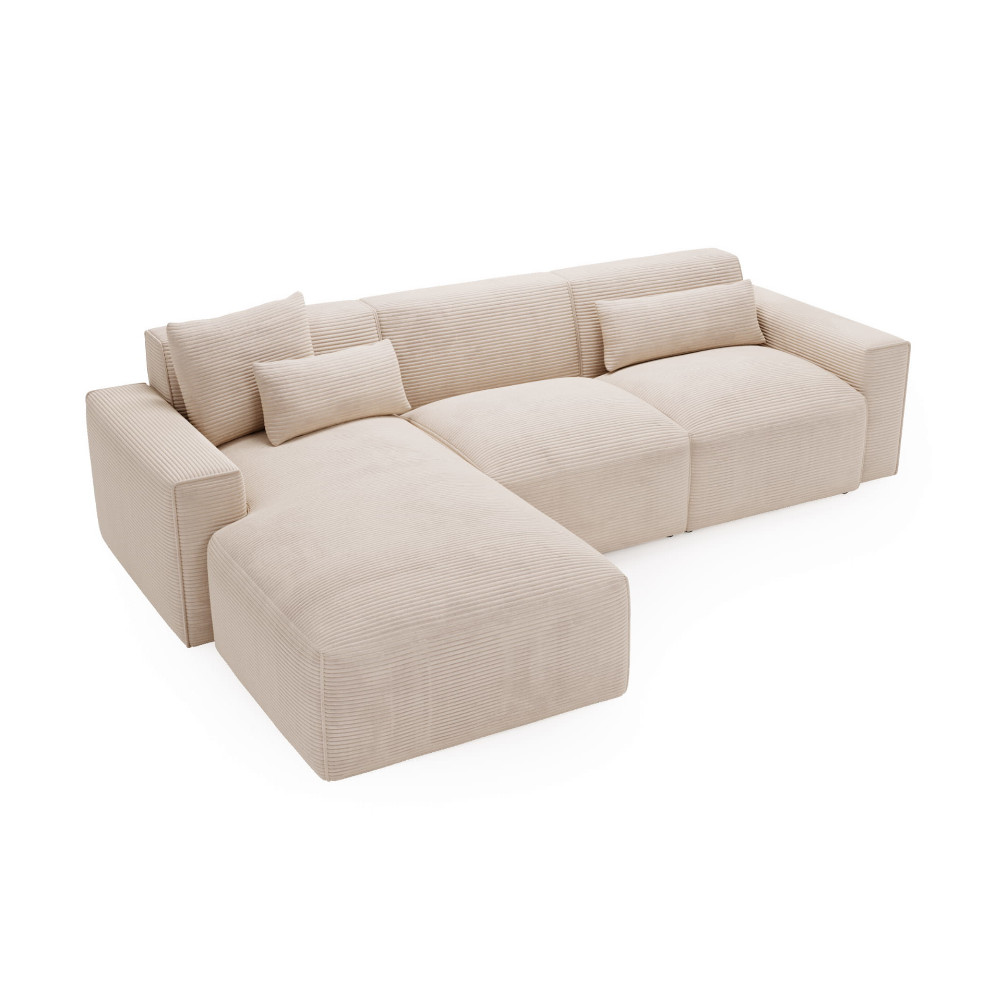
Pearl Corner Sofa Bed Compare All Corner Sofas £2,150.00 Find out more
-
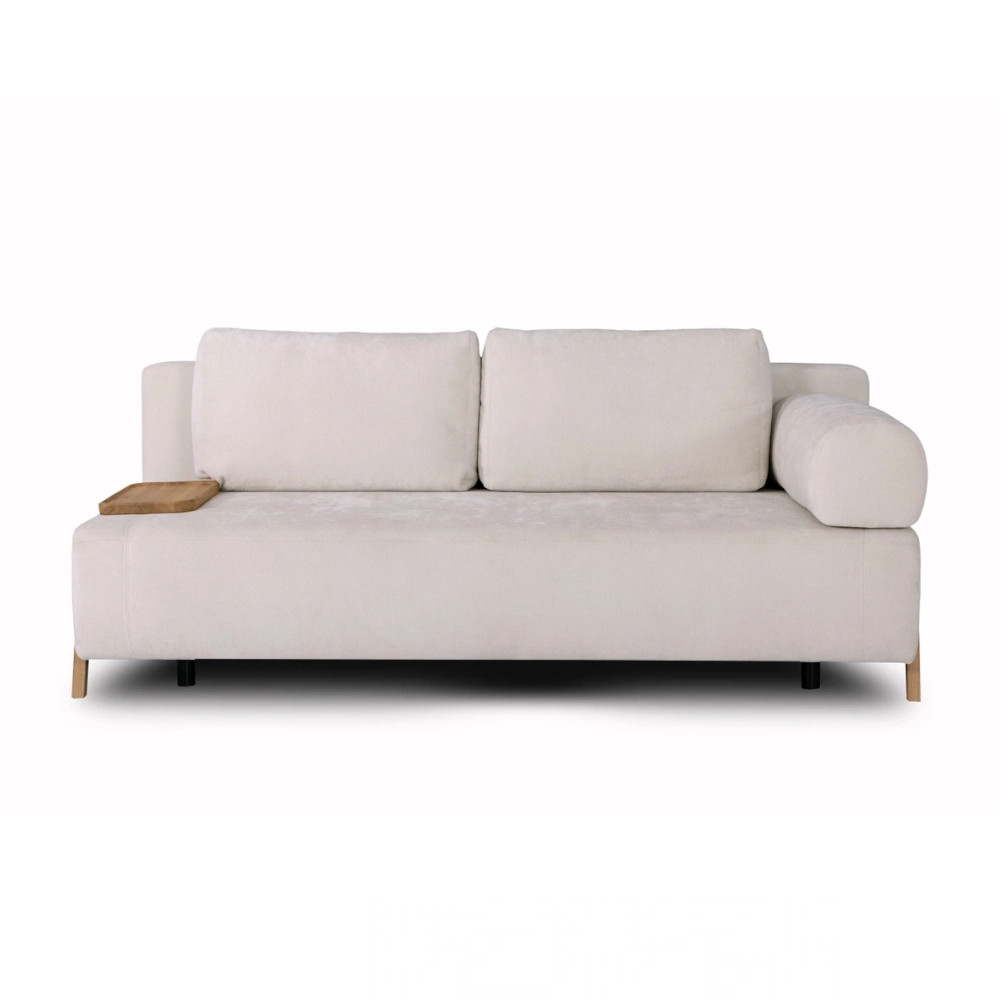
Tiny 2 Seater Sofa Bed Compare 2 Seater Sofas £1,400.00 Find out more
-
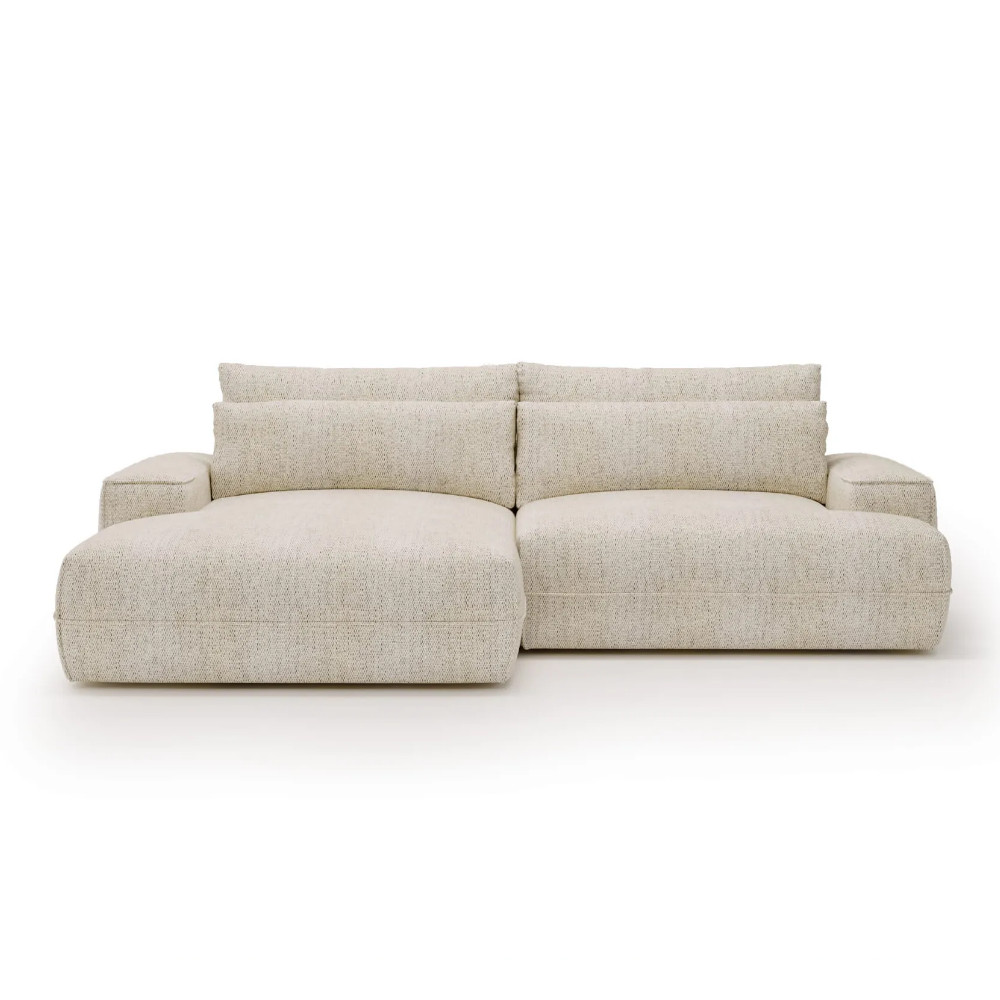
Fresh Corner Sofa Bed Compare 2 Seater Corner Sofas £1,115.00 £947.00 Find out more
-
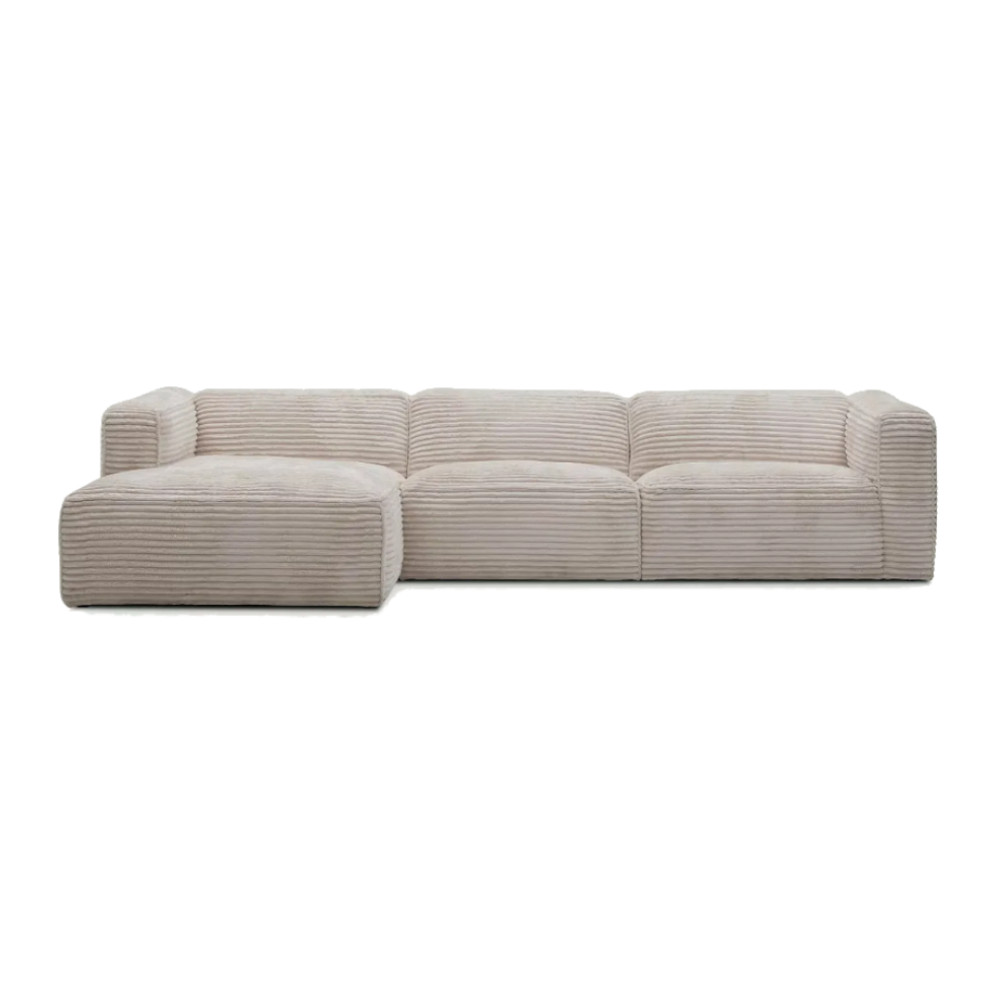
Moved XL 4 Seater Corner Sofa White Cream Tilia 03 Compare 3 Seater Corner Sofas £2,120.00 Find out more
-
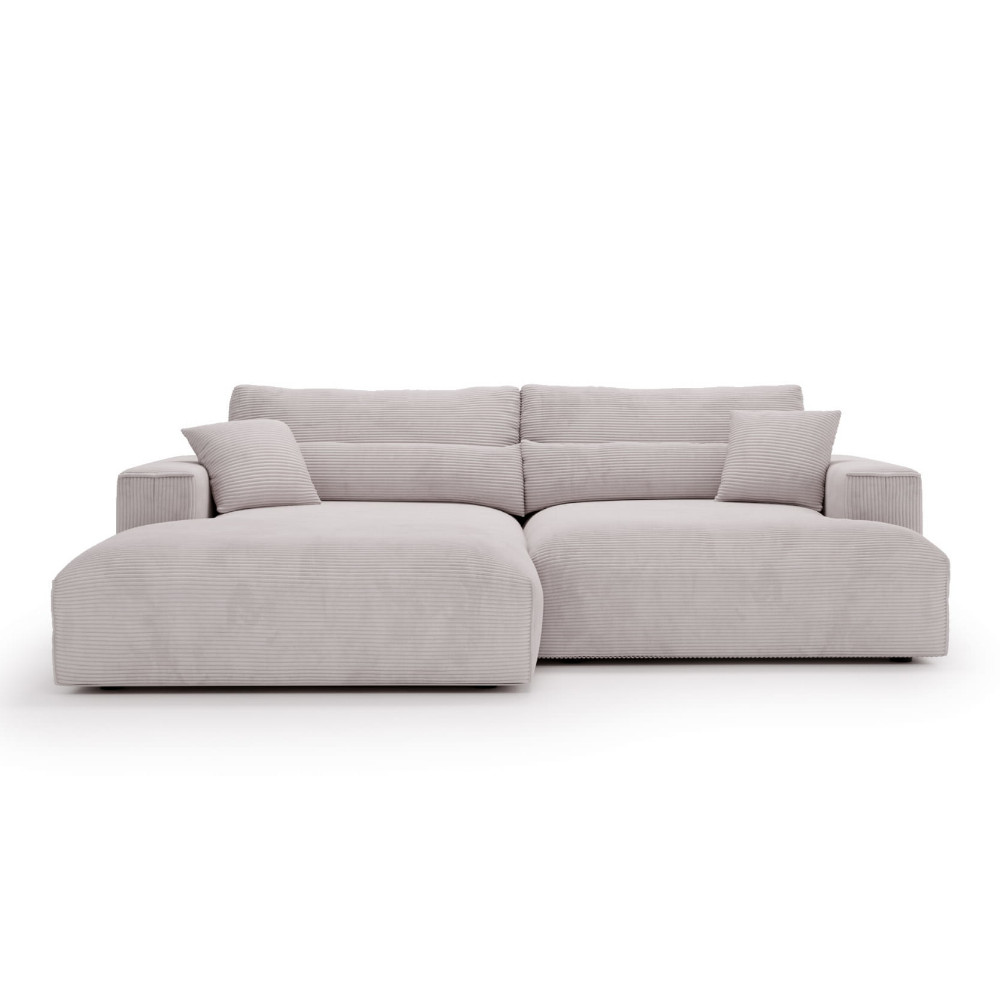
Felicia Corner Sofa Compare 2 Seater Corner Sofas £1,730.00 Find out more
What colours suit a vintage-style living room?
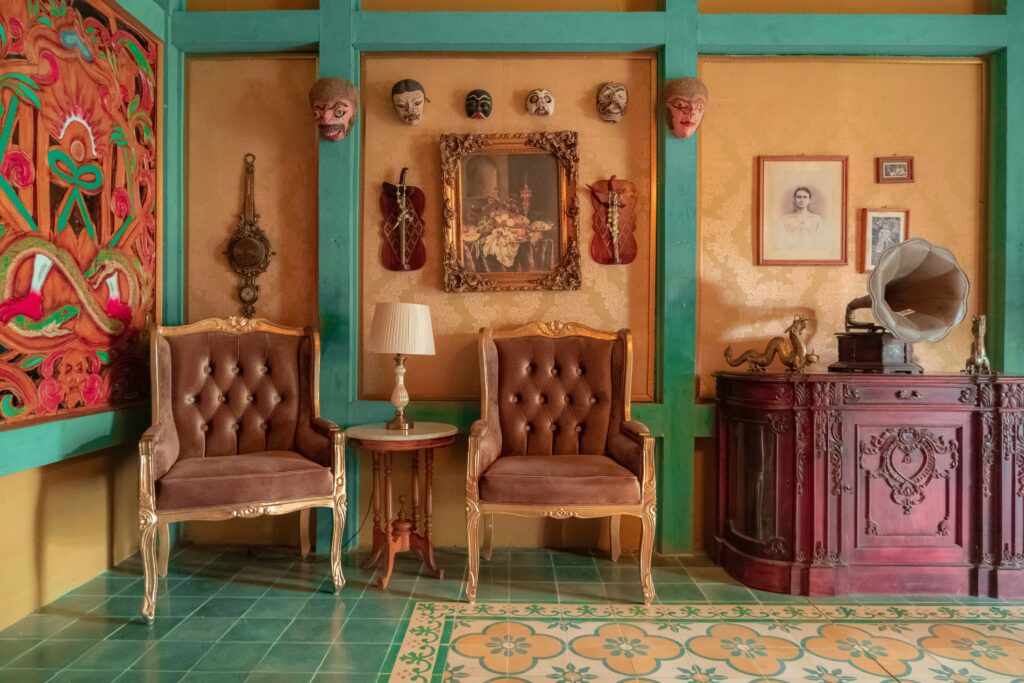
Vintage interiors favour muted and elegant tones. Older living rooms often feature bold and vibrant colors such as mustard yellow, burnt orange, and avocado green. Pastel colors like mint green and blush pink are also popular for a softer look. It’s recommended to apply the 70/20/10 rule for color distribution in interior design: 70% dominant color, 20% secondary, and 10% accents. The 2025 color palette shifts to rich, earthy tones, moving away from beige. Popular choices include warm beige, cream, olive green, faded blue, and dusty pink. These shades create a calm and nostalgic atmosphere.
When choosing colors for the walls, consider how wall shades can complement the overall design theme and furniture. Incorporating wall colors can enhance the overall aesthetic of a vintage living room. You can add depth with darker accents like burgundy or deep navy. Avoid overly bright colours, as they break the timeless mood. Soft contrasts help highlight furniture shapes and decorative details.
What furniture should you choose for a vintage-style living room?
Furniture for a living room often includes mid-century modern pieces, such as iconic chairs with clean lines and functional forms. Look for statement pieces like kidney-shaped coffee tables and vintage cabinets to serve as focal points. Teak is a popular material in traditional furniture, especially in sideboards and cabinets with sliding doors, adding both style and practical storage. Sofas with rounded arms, tufted backs, or subtle curves work particularly well, while upholstered armchairs, wooden sideboards, and display cabinets complete the look.
To achieve a cohesive aesthetic, ensure that different furniture items match or complement each other, blending colors, materials, and styles for harmony. Vintage furniture is highly versatile and can be easily integrated with modern elements, allowing you to create a flexible and adaptable living room design. Well-made antique pieces stand the test of time, offering durability and lasting appeal. There is a wide stock of vintage furniture available from antique fairs, auctions, and secondhand shops, including handcrafted pieces made from high-quality materials for an authentic oldschool feel.
Vintage style living room furniture often features rounded shapes, subtle detailing, and materials that add warmth and character to the interior. Coffee tables, bookcases, and TV units should feel established, not minimal. Choose pieces that appear collected over time rather than bought as a set. Mixing materials adds richness and visual interest.
What decorations will emphasise the character of a vintage living room?
A cozy vintage living room creates a welcoming atmosphere through soft textiles, warm colours, and furniture that feels collected over time rather than brand new. Accessories define the final atmosphere of your vintage living space. You can hang retro wall art or 50s prints to enhance the character and create nostalgic focal points. Decorative mirrors, framed posters, ceramic vases, and table lamps with fabric shades work beautifully. Incorporate geometric patterns in textiles or decor for a mid-century vibe, and consider quirky lighting fixtures like Sputnik chandeliers or lava lamps as statement pieces. Wall clocks, books, and small sculptures add personality, while layering contrasting textures—such as smooth velvet and shaggy rugs—adds depth and visual interest.
Vintage living rooms can feature extensive use of accessories like historical art, classic movie posters, and retro ceramics for a truly nostalgic decor. For a genuine feel, use the real thing—authentic vintage accessories and decor items. Key elements in vintage living room decor include low-profile furniture, patterned textiles, and statement lighting. Some people prefer bold accessories, while others prefer subtle touches to personalize their vintage living space.
Textiles also matter. Rugs with classic patterns, cushions, and curtains soften the space. Every accessory should feel intentional and connected to the overall story.
Adding bold patterns and textures to your living room
Bold patterns and rich textures are key elements in creating a truly inviting vintage living room. To enhance the vintage style, consider layering your space with vintage-inspired rugs—think Moroccan or Persian designs—that bring warmth and a sense of history underfoot. Introduce bold patterns through cushions, throws, or even a statement armchair upholstered in geometric shapes, stripes, or classic florals. Mixing materials like velvet, leather, and linen adds depth and tactile interest; for example, a velvet sofa paired with a leather ottoman and a linen accent chair creates a harmonious yet dynamic combination. These elements not only enhance the vintage aesthetic but also make your living room feel more homely and unique. Remember to balance bold patterns with neutral shades and simpler pieces to keep the space cohesive and avoid overwhelming the room. With the right mix, you’ll create a vintage-inspired living room that feels both stylish and welcoming.
Creating a gallery wall with vintage flair
A gallery wall is a wonderful way to infuse your living room with oldschool charm and personal style. Start by gathering a mix of vintage-inspired frames—ornate gold, distressed wood, or classic white—to create visual interest and a sense of collected history. Fill these frames with a variety of art: vintage photographs, retro prints, or even old postcards. To add depth, include other pieces like a clock, a small mirror, or decorative objects that reflect your unique taste.
Arrange your gallery wall by establishing a focal point, such as a striking piece of art or a statement mirror, and then build outwards, mixing frame sizes and styles for an eclectic yet balanced look. Don’t hesitate to experiment with the layout until it feels just right. This approach not only creates a stunning gallery wall but also allows you to showcase your favorite vintage finds and memories, making your living room truly one-of-a-kind.
Mid-century modern inspiration for oldschool living rooms
Mid-century modern design offers endless inspiration for those seeking a vintage look with a fresh twist. Characterized by clean lines, organic forms, and functional beauty, mid-century pieces like a G Plan coffee table or a classic Ercol sofa can instantly elevate your living room. Incorporate modern elements such as geometric-patterned rugs or vintage-inspired lighting to enhance the overall aesthetic. To create a balanced space, pair these mid-century staples with more traditional furniture—perhaps a carved wood sideboard or a plush armchair. This combination of styles brings both sophistication and warmth, resulting in a living room that feels curated and inviting. By blending mid-century modern inspiration with other oldschool elements, you can achieve a timeless look that’s both stylish and uniquely your own.
How to decorate a small living room in vintage style?
In smaller spaces, restraint is essential. Focus on fewer but distinctive pieces. Light colours help visually enlarge the room and maintain brightness.
Create a designated area for rest and relaxation by using a cozy armchair, a soft rug, or a small room divider to separate the rest zone from work or play areas. Contemporary vintage design prefers curvaceous silhouettes, such as rounded sofa backs and circular coffee tables, which add softness and elegance to the space. Incorporate natural materials like warm, dark woods, leather, rattan, and forged iron to enhance the authentic vintage feel.
Choose multifunctional furniture and avoid heavy visual clutter. Vertical storage and mirrors help balance style with practicality. For a balanced look, follow the 80/20 rule: blend 80% historical vintage elements with 20% contemporary comfort to create a harmonious and inviting small vintage living room. Vintage style works well when the layout stays simple.
Balancing style and function in a living room
Achieving the perfect vintage living room is all about balancing style with everyday function. When choosing vintage furniture and decor, think about how each piece will be used as well as how it looks. For example, a vintage-inspired coffee table with drawers or shelves can offer both charm and practical storage. Pair a statement vintage sofa with a modern, comfortable armchair or a storage ottoman to ensure your space is as functional as it is stylish. Consider adding a vintage-inspired sideboard or desk to keep your living room organized without sacrificing aesthetic appeal. By thoughtfully combining beautiful vintage pieces with practical elements, you’ll create a living room that not only looks great but also suits your lifestyle and daily needs.
Adding a personal touch to your vintage living room
Personal touches are what truly transform a vintage living room into a space that feels like home. Incorporate family heirlooms, cherished collectibles, or meaningful mementos to infuse your room with character and nostalgia. Display vintage-inspired decor, such as unique artwork or photography, and layer in accessories like patterned rugs or embroidered cushions that reflect your personal style. Create a vignette on your mantel or a side table with a curated selection of favorite objects—perhaps a stack of old books, a vintage vase, or a framed photo. Don’t be afraid to play with color, texture, and pattern to make the space your own. By weaving your story into the decor, you’ll create a vintage-inspired living room that’s not only stylish but also deeply personal and inviting.
Examples of vintage living room arrangements
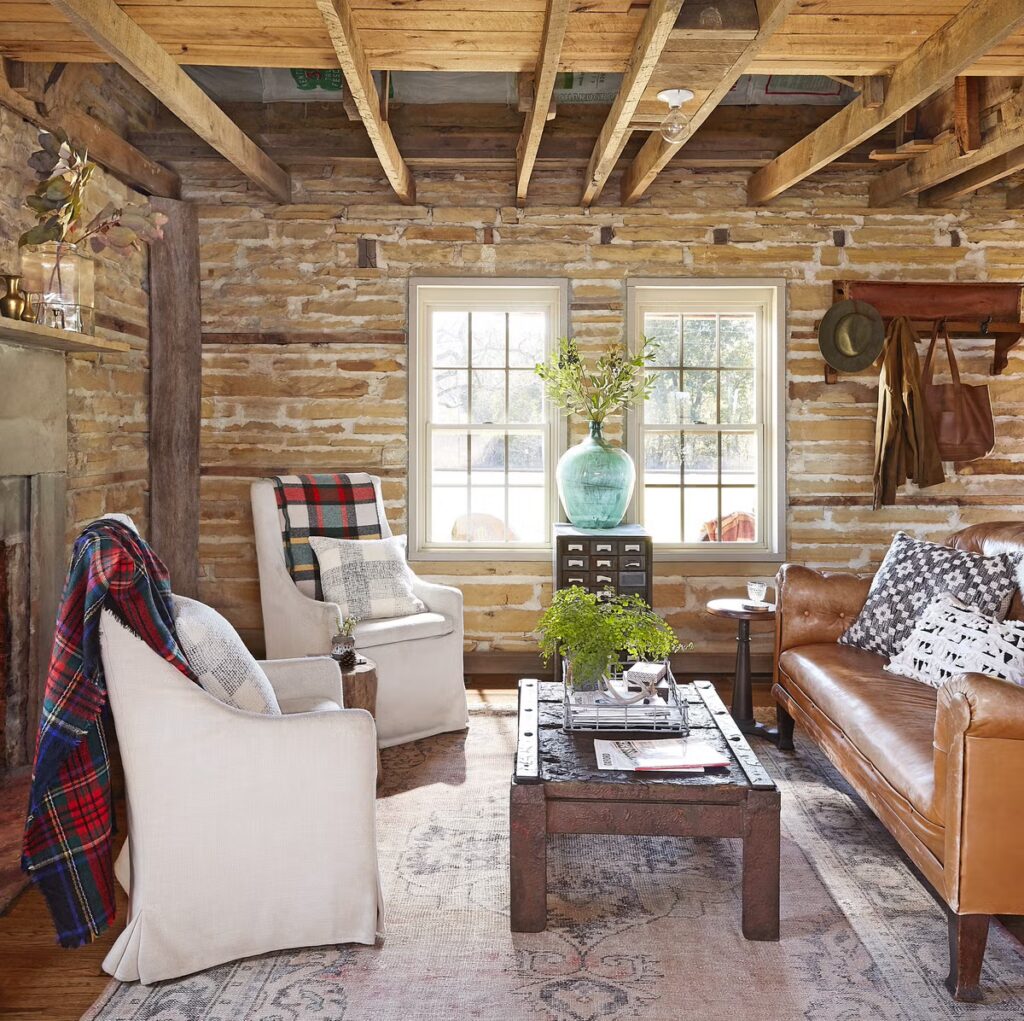
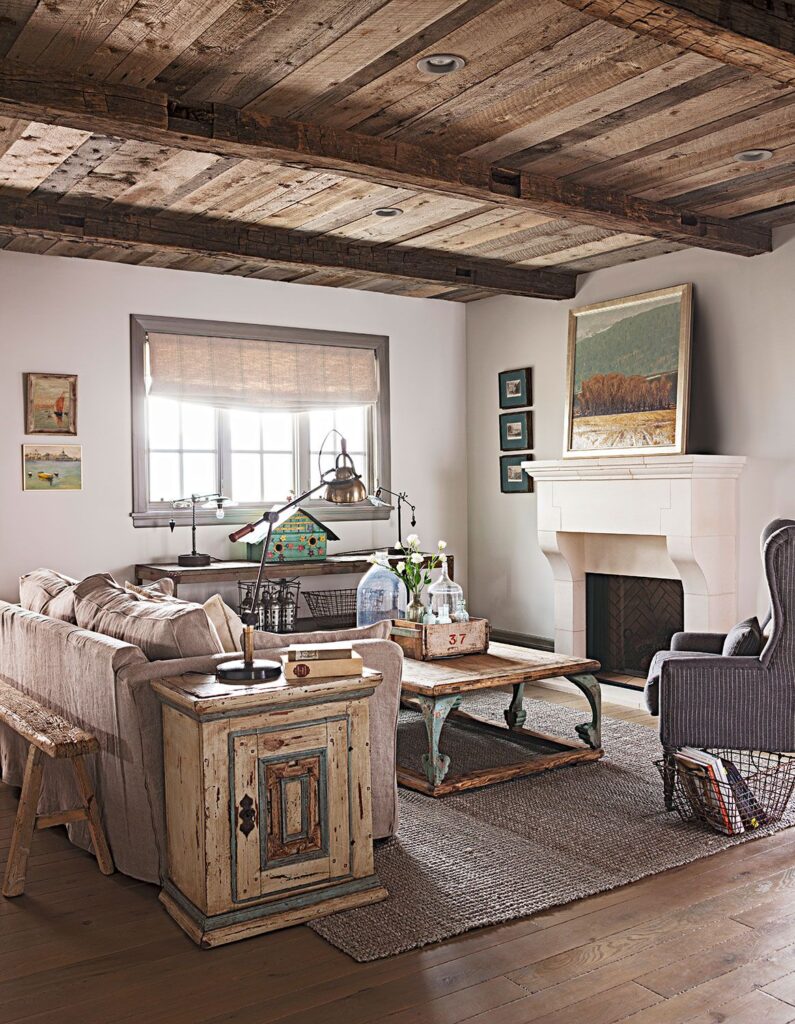
Vintage living rooms vary widely in mood and structure. Some feel elegant and refined, while others appear relaxed and eclectic. Arranging a vintage living room with handcrafted, high-quality furniture and accessories can create a homely feel, making the space warm and inviting. When selecting furniture and decor, consider how each piece suits the specific room in the house to enhance both aesthetic and functionality. These examples show how colours, furniture, and accessories work together—mixing iconic shapes with natural finishes and textures, such as velvet, contributes to an authentic vintage look. Incorporating distressed furniture and warm metals like brass adds character and depth to vintage living rooms.
Look closely at proportions, lighting, and textures. Use these inspirations as guidance rather than strict rules.
Frequently asked questions about vintage living room arrangements
Below you will find answers to common questions. They address style, space, and furniture choices.
What are the characteristics of the vintage style?
Vintage style focuses on classic forms, muted colours, and expressive details. It values character over perfection and celebrates design from past decades.
Is the vintage style suitable for a small living room?
Yes, vintage style works well in small interiors. The key is careful selection and avoiding visual overload.
What sofa should you choose for a vintage-style living room?
Choose a sofa with rounded lines or tufted details. Upholstery in neutral or muted tones works best.
What accessories will bring a vintage atmosphere to the living room?
Decorative lighting, mirrors, artwork, and textiles create a strong vintage feel. Small details often make the biggest impact.
Summary and final inspiration
A vintage living room combines history, comfort, and individuality. Focus on harmonious colours, timeless furniture, and meaningful accessories. Balance is more important than quantity. If you want to translate inspiration into reality, explore carefully curated furniture collections that support timeless interior design.