
Posted on December 11, 2025
How to decorate your living room? A complete interior design guide
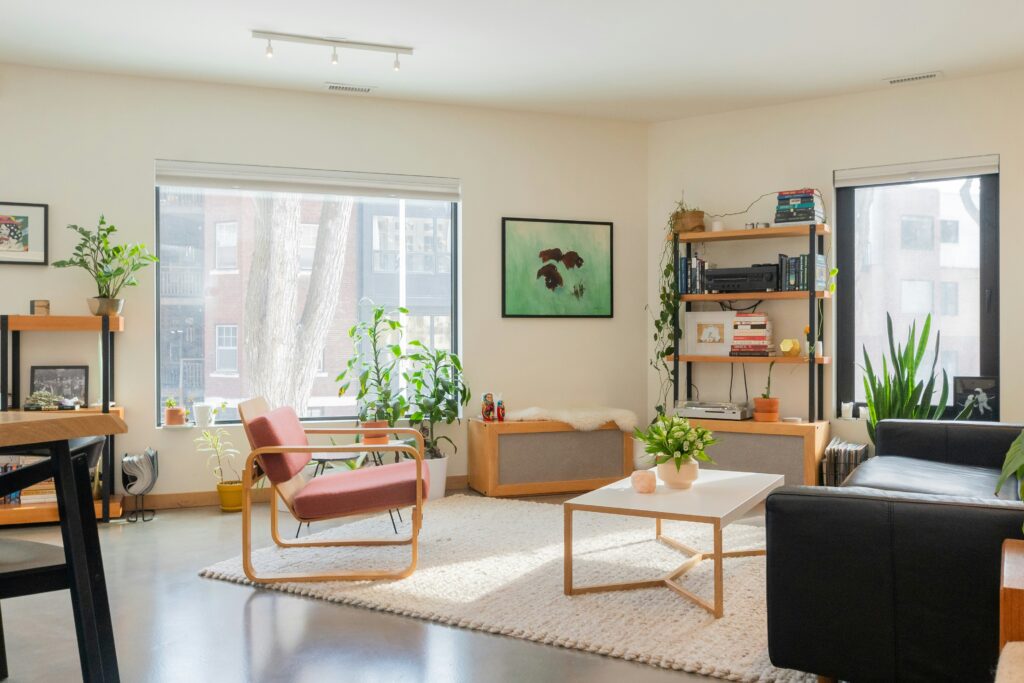
A well-designed long living room balances comfort, practicality, and style, bringing together colours, furniture, lighting, and accessories into one cohesive space. The key lies in defining your needs, choosing a style, planning zones, and selecting décor that supports your lifestyle. Keep reading to discover how to transform your living room step by step.
Expert Advice – Arkadiusz Gallewicz, CEO of Furniture Story:
“How to arrange your living room? Start your design by identifying one focal point — such as a sofa, rug, or artwork — and align the layout around it. This simple rule helps maintain balance and ensures that every element supports the overall flow of the room.”
How to decorate your living room step by step? The most important stages
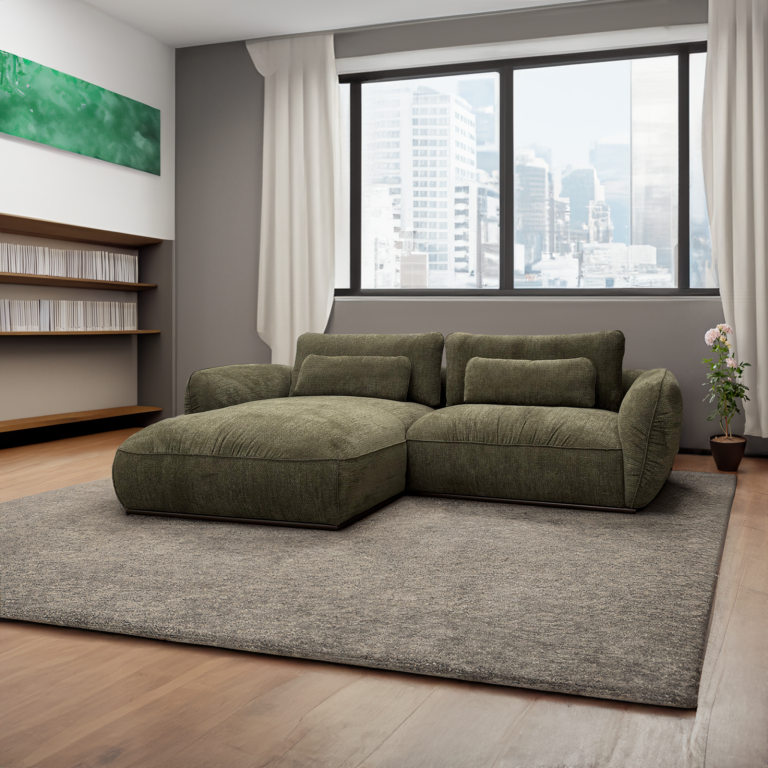
If you’ve ever wondered how to style a living room in a way that feels both cohesive and personal, start by choosing one central element — such as a sofa, rug, or artwork — and build the rest of the décor around it. This approach keeps the space balanced and visually connected. Designing a living room begins with understanding how the space should serve you. You need to ask yourself how do I want to arrange my living room.
Before choosing colours or decorative items, think about the purpose of the room: is it mainly for relaxing, entertaining, or perhaps combined with a dining or home-office area? Next, choose the aesthetic direction — whether you prefer clean minimalism, warm Scandinavian influences, or bold eclectic décor — and then explore living room layout ideas by dividing the space into logical zones. Once the structure is in place, select furniture, lighting, and accessories that bring harmony and functionality to the final arrangement.
Each stage should build on the previous one. After defining your style, consider how the flow of movement should work. This includes planning the placement of a sofa, additional seating, TV stands, storage units, and side tables. From there, lighting becomes crucial, as it shapes the mood and usability of the room. Finally, the choice of accessories — cushions, rugs, curtains, wall art, or plants — brings personality and softness, completing the overall living room concept.
What is the best style for decorating a living room?
There is no single best style; the “right” one depends on the atmosphere you want to create. Minimalist interiors focus on clean forms and neutral colours, ideal for those who prefer calm, uncluttered spaces. Scandinavian décor combines simplicity with warmth, often featuring natural textures and soft, cosy fabrics. Modern interiors emphasise sleek shapes, bold contrasts, and purposeful geometry, making them suitable for a small living room. Traditional styles, on the other hand, lean into timeless design, balanced proportions, and elegant colour palettes.
If you enjoy expressive, vibrant environments, eclectic or bohemian styles offer space for layered patterns and decorative freedom. Industrial aesthetics work well for those who prefer raw textures, metal accents, and open layouts. Each of these approaches can be adapted to different room sizes and budgets, so treat this choice as the foundation on which the rest of your living room design will grow. In upcoming articles, each style will be explored in greater detail to help you select the perfect look for your home.
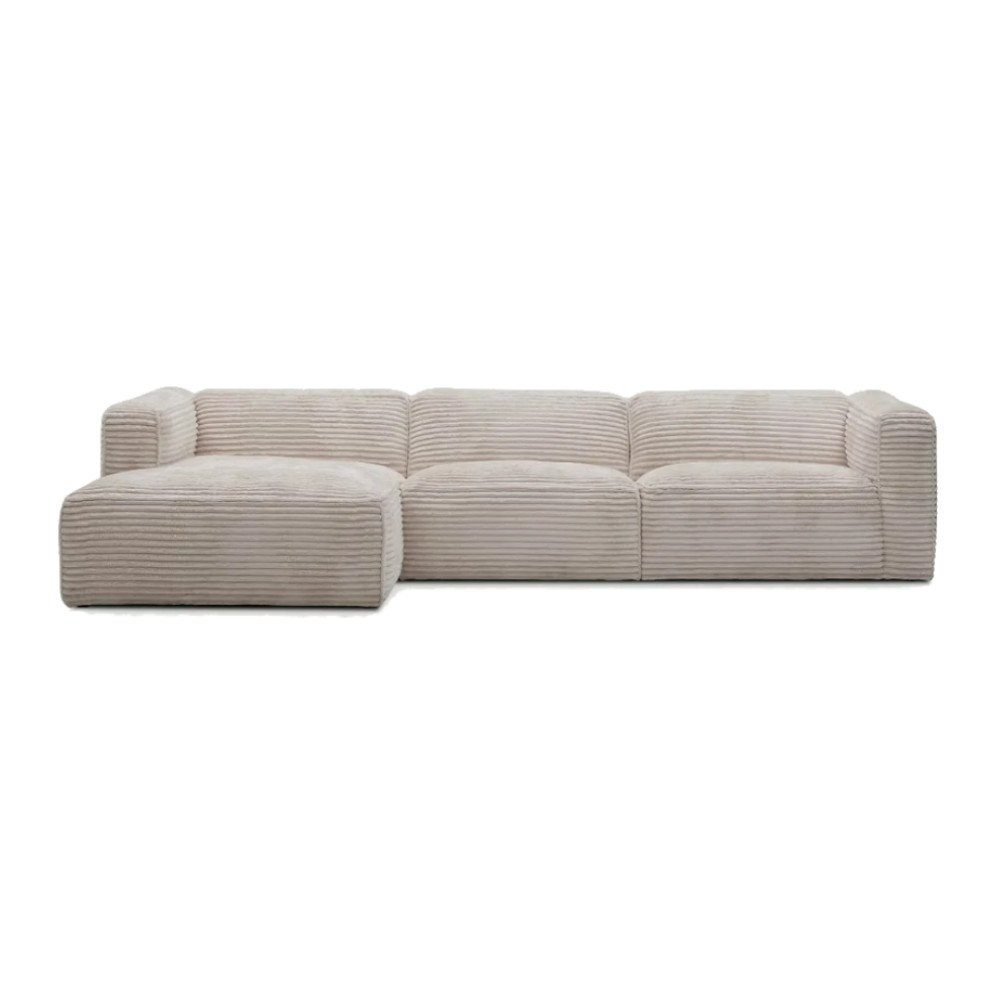
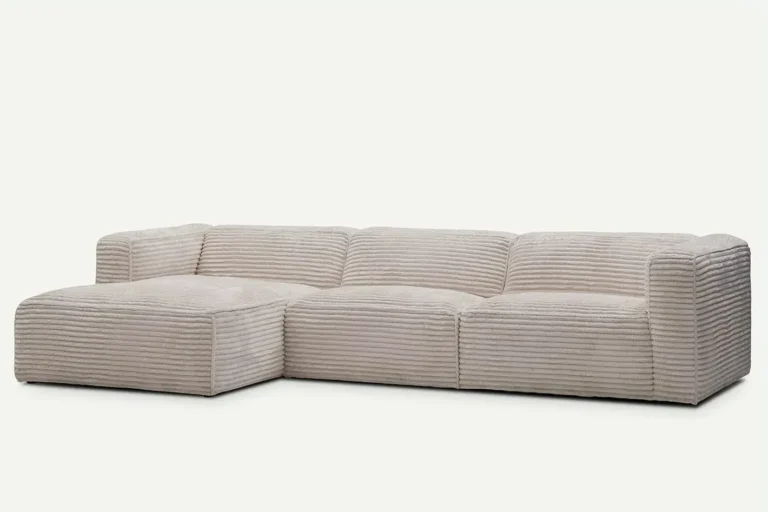
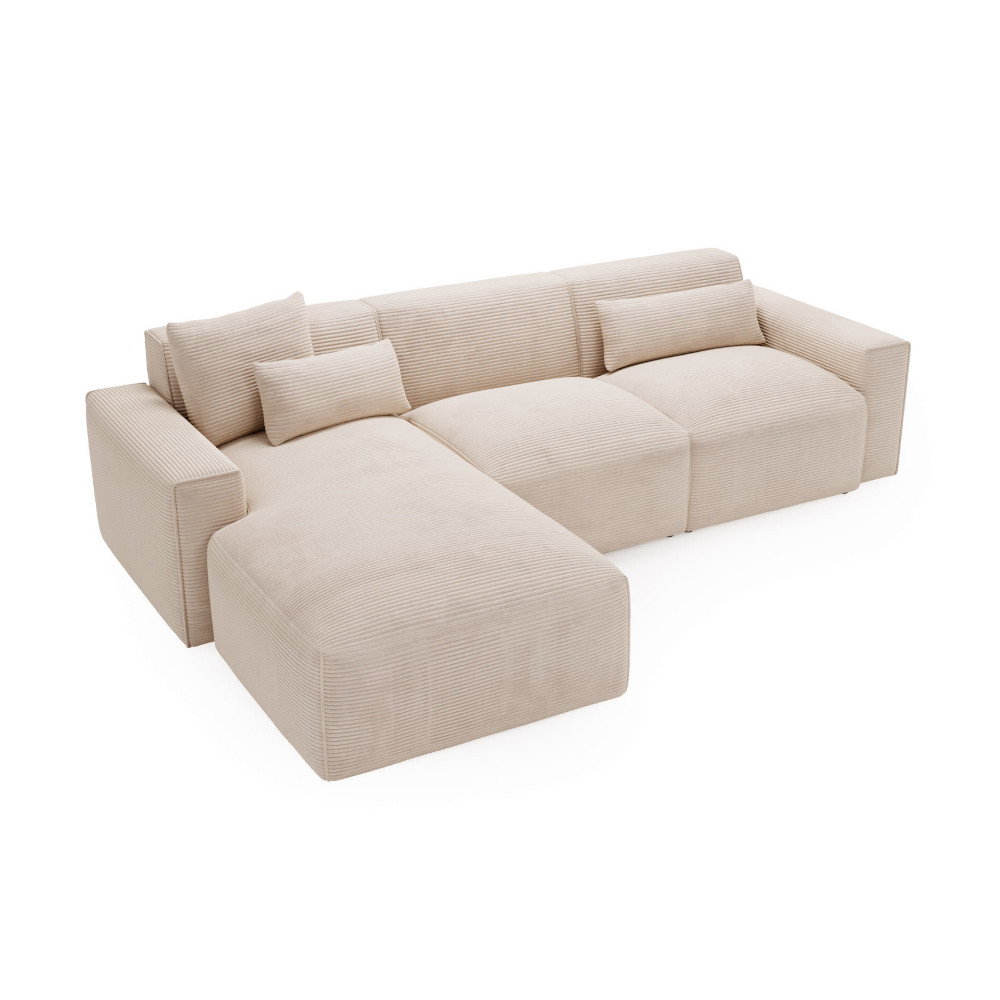
See the sofas everyone loves
-
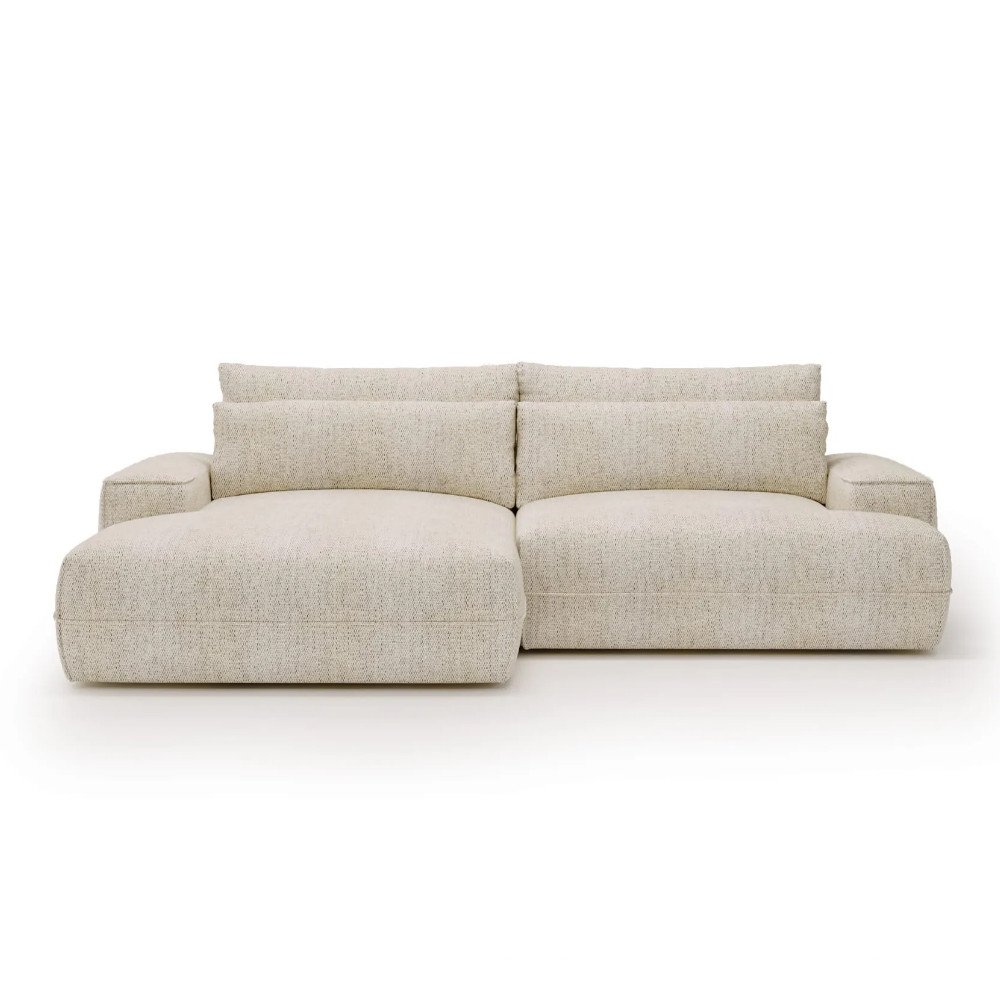
![Fresh Corner Sofa Bed]()
£1,115.00£947.00
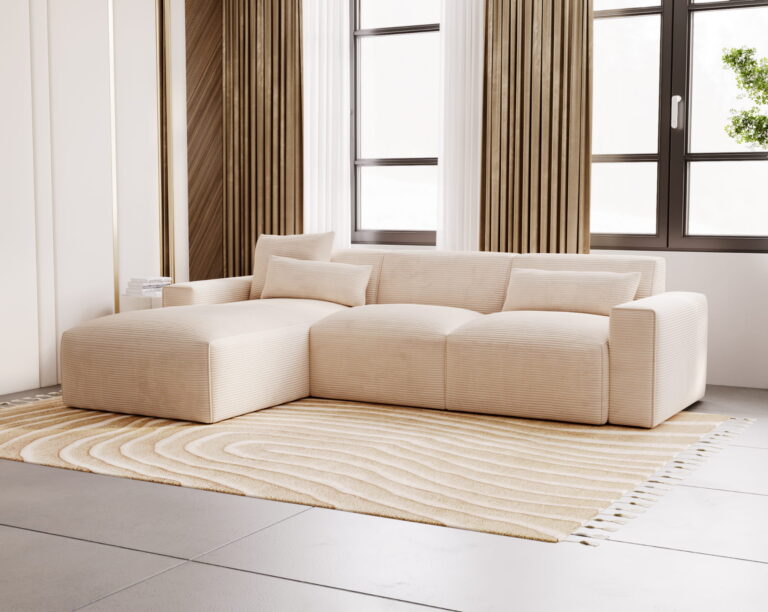
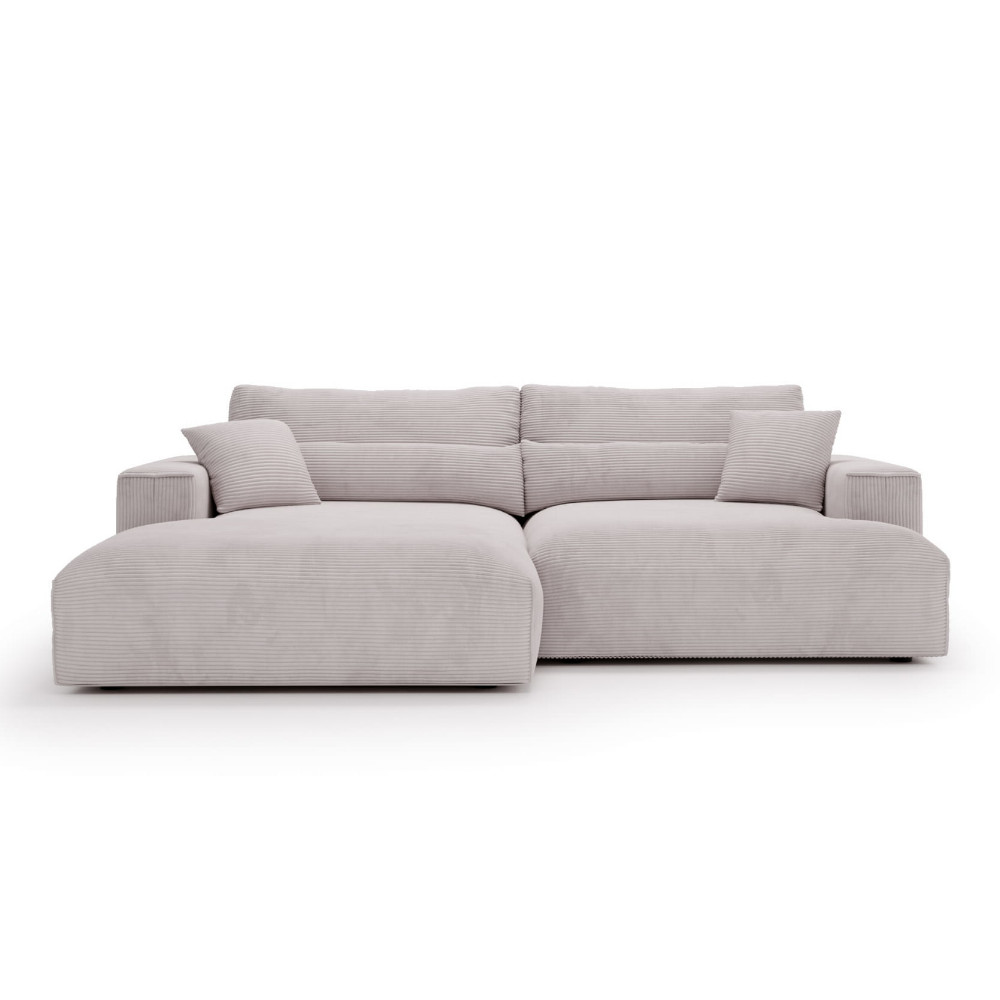
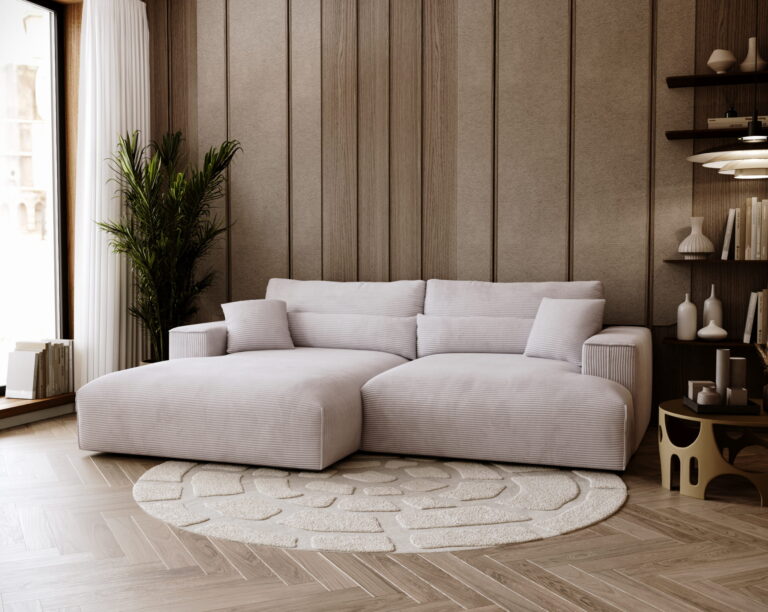
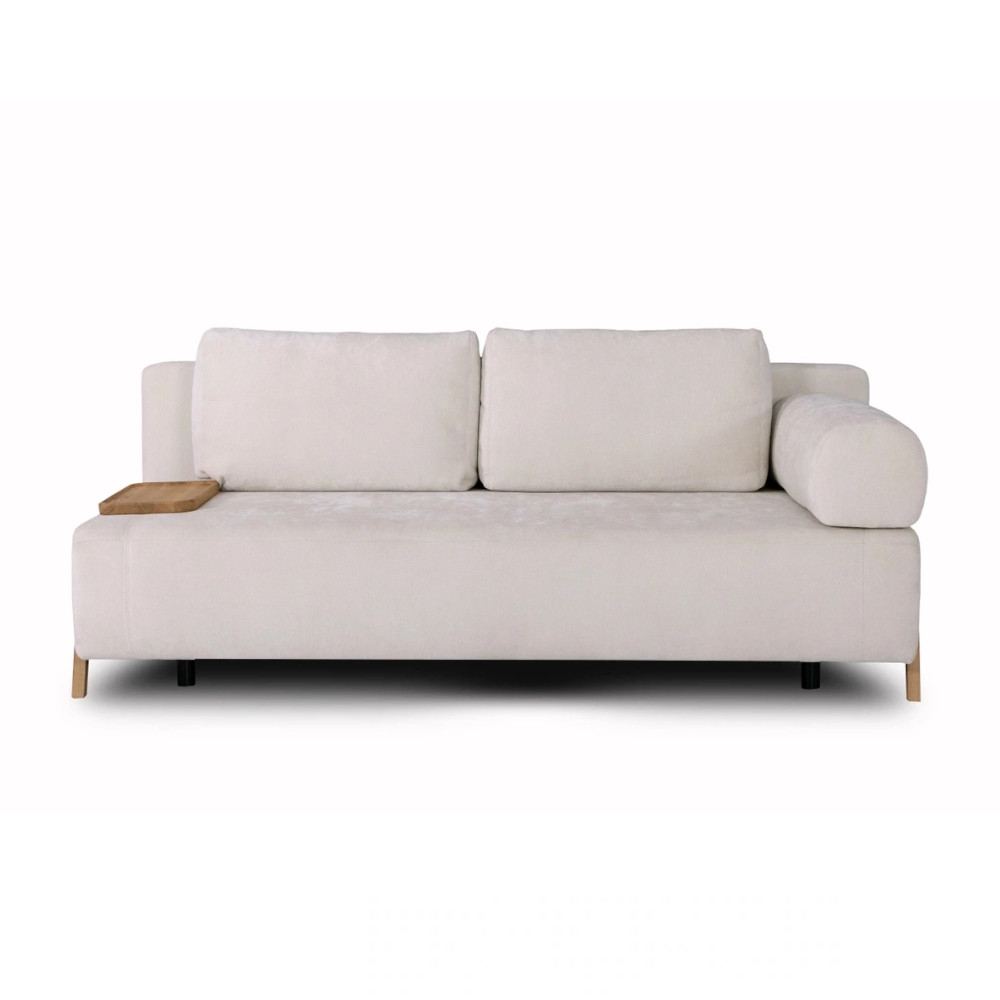
How to designate functional zones in the living room?
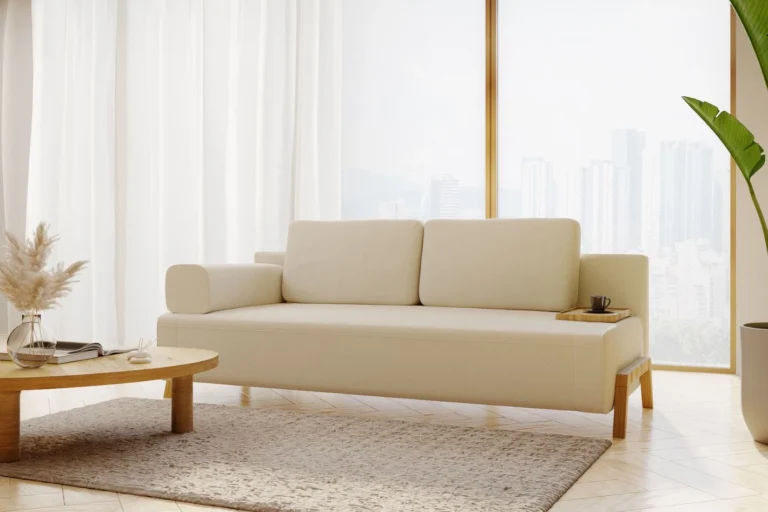
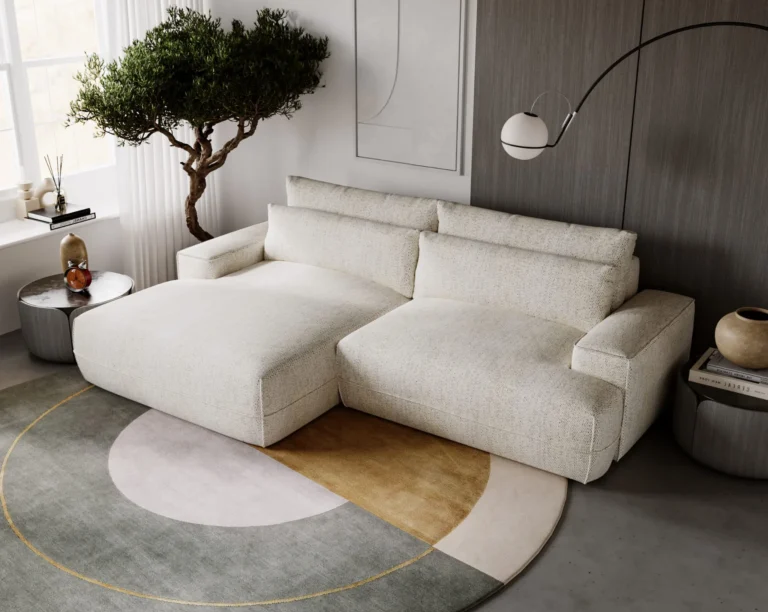
Zoning is essential for creating a space that feels organised and intuitive. Start by identifying the primary activities that take place in the room — such as lounging, watching TV, dining, reading, or working. Each activity can become a dedicated micro-area. Position the main sofa as the anchor of the relaxation zone, placing a coffee table and storage solutions nearby. If you have a dining room area, separate it visually using lighting, a rug, or a change in furniture arrangement.
For multifunctional spaces, subtle boundaries are particularly useful. A strategically placed armchair can create a reading nook, while an open shelving unit can divide the living and dining zones without making the room feel smaller. Rugs are one of the easiest ways to define areas, especially in open-plan apartments. Remember that zoning should enhance comfort and movement — each part of the living room must remain accessible and inviting.
What furniture to choose for the living room?
Furniture selection shapes both the comfort and the overall style of the room. For a small living room layout, sofas, armchairs, and seating modules should be chosen according to room size, preferred comfort level, and the number of people using the space. Complement these pieces with functional elements such as coffee tables, side tables, storage cabinets, TV units, bookcases, and shelving systems. Well-balanced furniture choices improve the visual weight of the room and support daily routines.
Think about scale and proportion before buying anything. Large corner seating may be ideal in spacious interiors, while compact two-seaters and slim sideboards work better in smaller rooms. Choose high-quality pieces with attention to detail to ensure long-term usability. Materials also play an important role: fabrics, manufactured wood, and metal accents help define the character of the décor. The goal is to create a practical, cohesive arrangement where every piece contributes to comfort and visual order, while also considering traffic flow.
How to choose lighting for the living room?
Lighting is one of the most powerful tools in interior design. A well-lit living room should combine three layers: ambient lighting, task lighting, and accent lighting, and area rugs which can help define these spaces. Ambient lighting generally comes from ceiling fixtures and serves as the main source of illumination. Task lighting includes floor lamps, table lamps, or directional lights that support reading, working, or other functional activities. Accent lighting highlights architectural features, decorative objects, or textured walls, adding depth to the room.
To achieve a flexible, comfortable atmosphere, incorporate more than one light source. Dimmer switches and warm light temperatures help create an inviting evening mood, while brighter, cooler light improves visibility during daily activities. Position lamps strategically so they balance both the style and the practicality of the room. Good lighting turns a furnished room into a lived-in, visually rich space.
How to choose accessories for the living room?
Accessories bring personality, texture, and colour into your living space. Start with textiles: cushions, throws, and rugs can instantly soften the room and add dimension. Use a combination of patterns and textures, but keep them within your chosen style to avoid visual chaos. Curtains or blinds can also influence the height and brightness of the room, while wall art introduces creativity and character.
Decorative elements should complement the main furniture rather than compete with it. Plants can bring organic warmth; vases, candles, and decorative bowls add subtle accents. When selecting accessories, think about balance — too few can make the room feel unfinished, while too many can overwhelm the space. Focus on items that highlight the room’s strengths and help express your personal taste.
What mistakes should be avoided when arranging a living room?
Several common mistakes can disrupt the harmony of a living room. One of the most frequent is choosing furniture that is disproportionately large or small for the space. Another is neglecting lighting, which can make even stylish interiors feel flat. Mixing too many design styles without a clear direction may lead to visual clutter. Pushing all furniture against the walls can also make the room feel less welcoming.
Avoid overcrowding surfaces with decorations and ensure there is enough circulation space. Measure carefully before buying any major furniture pieces, and always consider the functionality of every element. Thoughtful decisions will prevent costly design errors and help maintain a cohesive look.
Frequently asked questions about living room design
Below you will find answers to the most common questions that arise when planning a living room layout. These short explanations will help clarify the essential steps and support you in making confident design decisions.
Where to start when decorating your living room?
Begin by defining the purpose of the room and deciding which style suits your lifestyle. This groundwork makes choosing colours, furniture, and accessories much easier.
What style of interior design will work in your living room?
Any style can work as long as it reflects your taste and complements the architecture of the space. Choose a consistent direction to ensure a cohesive final effect.
Do you need to divide your living room into zones?
Zoning is highly beneficial for a long living room layout, especially in multifunctional rooms, as it improves organisation and enhances comfort.
What furniture should be included in the living room?
Essential pieces typically include a sofa, armchairs or additional seating, a coffee table, TV unit, side tables, and storage solutions such as shelves or cabinets.
How to plan lighting in the living room?
It is really a question on how to arrange a living room. Use a combination of ambient, task, and accent lighting to achieve a flexible, visually appealing atmosphere throughout the day.
How do you choose the right colours for your living room design?
If you’re unsure how to style your living room, begin by selecting a clear colour palette and one statement piece that sets the tone for the space. Select colours based on the atmosphere you want to create — warm tones make the room feel cosy, while cooler shades bring a calmer, more modern effect. Always test samples in natural and artificial light to ensure the colours work at all times of day.
How important is furniture layout when designing a living room?
A well-planned layout improves comfort, flow, and usability by ensuring each area of the room serves its purpose without feeling overcrowded. Arrange furniture so that movement between zones is natural and the seating area feels connected and inviting. You can find more ideas for a living room on our blog.
Ideas for a living room
Decorating a living room is a process that involves defining your needs, choosing a stylistic direction, organising functional zones, and selecting furniture, lighting, and accessories that support comfort and harmony. By following these principles and considering key living room features , you can create a space that is both practical and expressive of your personal taste. If you are looking for beautifully crafted European furniture to complement your new décor, explore the full range available at Furniture Story and discover pieces created with exceptional attention to detail.