
Posted on February 17, 2026
How to arrange an L-shaped living room to create a functional layout?
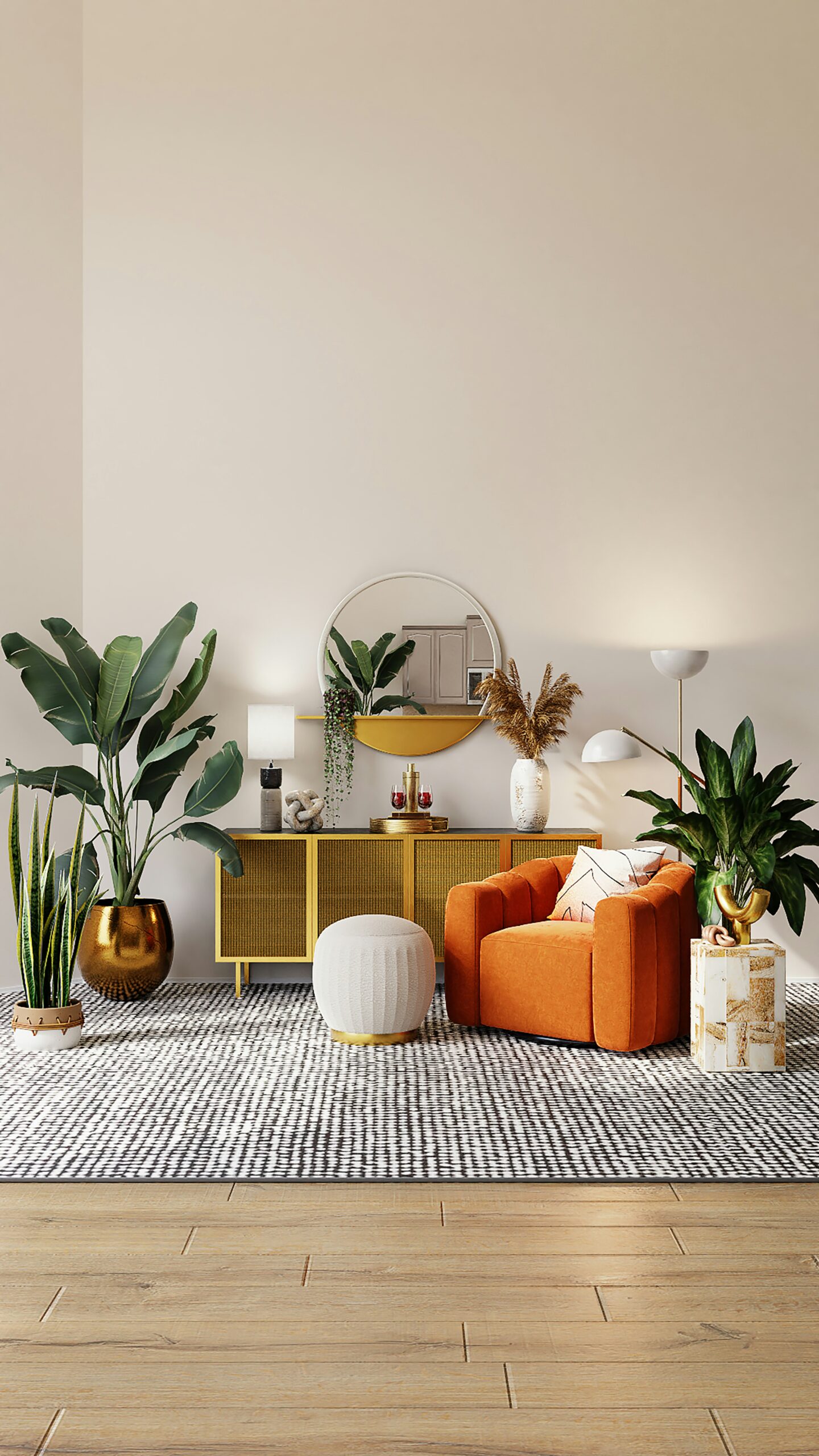
An L-shaped living room offers excellent design potential, but it needs clear planning from the start. The unique geometry of a shaped room like this directly impacts how you arrange furniture and define different areas, making it important to consider the room’s layout from the beginning. Without structure, the space can feel chaotic or visually divided, and awkward space in corners or transitions can make the room feel disjointed. The key lies in zoning, thoughtful furniture placement, and visual continuity between both parts of the room. When planning, focus on choosing the best layout to optimize both functionality and aesthetics, and ensure there is enough space for essential furniture and comfortable movement. In this guide, you will find practical solutions that help create a balanced, comfortable interior. Read on and discover how to make the most of your layout.
Introduction to L-Shaped Living
L-shaped living rooms are a popular feature in many modern homes, offering a versatile canvas for creative interior design. This shaped living room layout provides the opportunity to combine a comfortable living room with a practical dining area, all within a single, flowing space. However, the unique angles and limited wall space of an L-shaped living room can also present challenges, such as awkward corners and the need to create distinct zones for different activities.
To make the most of your l-shaped living room, it’s important to start by assessing the room’s dimensions, the placement of doors and windows, and how people will move through the space. Thoughtful furniture placement is key—using area rugs to anchor each zone, and incorporating a console table or sofa table to subtly separate the living and dining areas. By planning your layout with these elements in mind, you can transform your l-shaped living into a harmonious and functional environment that maximizes both comfort and style. Whether you’re working with a compact room or a more expansive space, defining zones and optimizing furniture arrangements will help you achieve a balanced and inviting shaped living room.
Defining the Space
Defining the space in an L-shaped living room is essential for creating a layout that feels both functional and inviting. Start by identifying a focal point—this could be a striking fireplace, a large window with plenty of natural light, or even a stylish entertainment center. Arrange your main seating area to highlight this feature, ensuring that the flow of the room naturally draws attention to it.
To create a sense of separation between the living and dining areas, consider using a console table or sofa table as a subtle divider. These pieces not only help to delineate zones but also provide valuable surface space for decorative accents or lighting. In a smaller l shaped living room, opt for furniture that fits the scale of the room, such as a compact sectional or a round dining table, to avoid overcrowding and maintain an open feel.
Interior design tips like sticking to a consistent color palette and incorporating natural textures can further enhance the sense of cohesion throughout your shaped living room. By carefully considering the placement of each piece and the overall flow of the space, you can ensure that your l shaped living room feels unified, comfortable, and perfectly tailored to your lifestyle.
What challenges come with arranging a living room?
An L-shaped layout often creates uneven proportions between the two arms of the room. One part may feel dominant, while the other becomes overlooked or unused. This imbalance makes it harder to define a clear focal point. An awkward corner can disrupt the flow and function of the space, making it difficult to create a cohesive design. Arranging furniture in a narrow living room or narrow room within an L-shaped layout adds another layer of complexity, as limited width requires careful selection and placement of pieces. Poor layout choices can negatively impact the overall room feel, making the space seem cramped or disjointed.
Another challenge is maintaining stylistic consistency across the space. Without careful planning, each section can start to feel like a separate room. The risk of a dead corner is high when furniture placement lacks intention, and many tricky layouts can arise in L-shaped living rooms, requiring creative solutions to optimize both style and function.
Discover our most loved designs
-
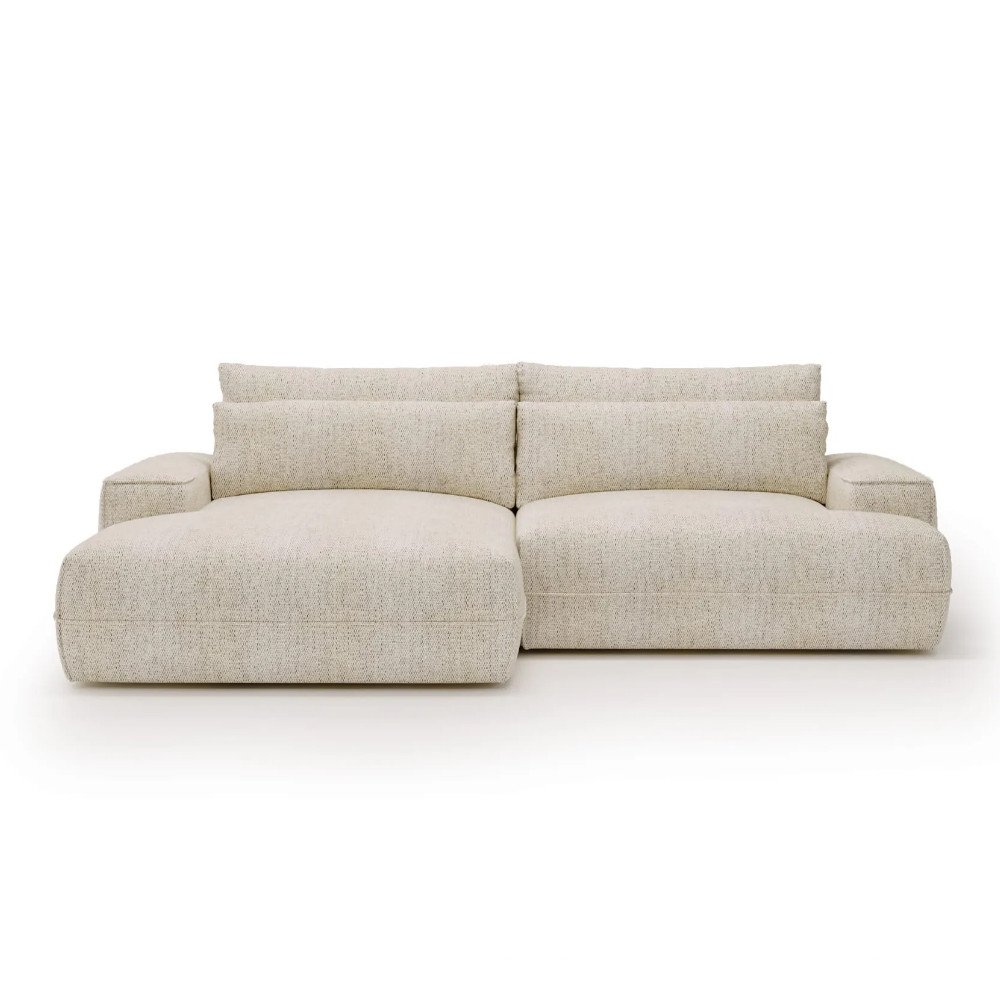
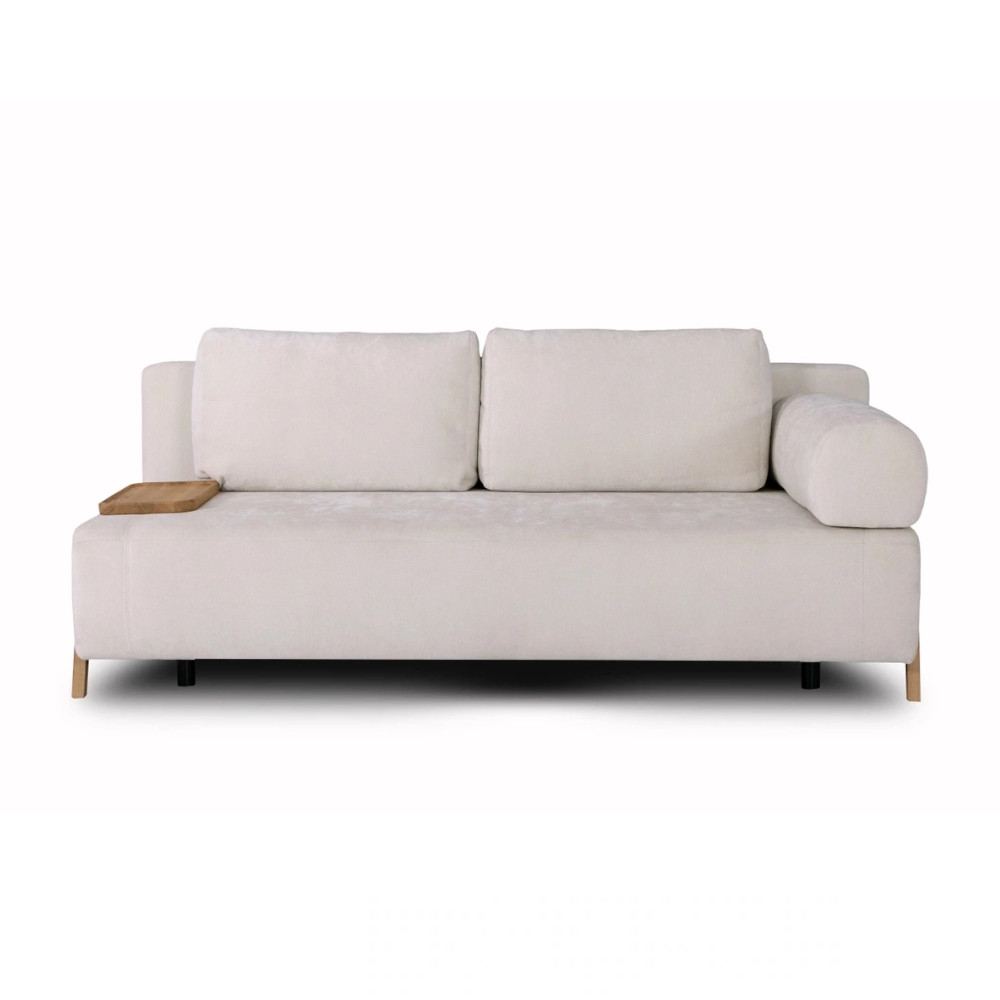
![Fresh Corner Sofa Bed]()
£1,115.00£947.00
What are the most common mistakes when furnishing a living room?
A frequent mistake is zoning the space randomly, without a clear hierarchy. This often leads to overcrowding in one section and emptiness in the other. Such imbalance reduces both comfort and usability. A well-thought-out furniture layout and careful selection of furniture pieces are essential to create a balanced and functional L-shaped living room.
Another issue is placing the sofa without considering the room’s geometry. Consulting an interior designer can help avoid these mistakes and ensure there is enough room for all activities. It is also important to consider the floor plan when arranging furniture, as this helps maintain cohesion and flow. When the sofa does not relate to the layout, the space loses cohesion. A lack of visual links, such as shared colours or materials, also weakens the overall design.
How to divide an L-shaped living room into functional zones?
The shape of the room naturally suggests zoning. One arm can host the main seating area, while the other supports a dining space, workspace, or reading corner. To maximize functionality, it’s important to create a separate space for each function within the L-shaped room. This division should feel intuitive, not forced.
Rugs, lighting, and furniture orientation help define zones without solid partitions. Using room dividers such as area rugs can visually separate zones and act as effective room dividers. There are many layout ideas for dividing the space, such as arranging furniture back-to-back or using shelving units. Defining different areas in an L-shaped living room with area rugs can visually act as room dividers. The goal is to maintain openness while clearly assigning functions. Visual coherence ensures that both zones feel connected.
How to choose the right furniture for an L-shaped living room?
Furniture scale should suit both parts of the room equally. Oversized pieces can overwhelm one zone and restrict movement. Lighter forms allow the layout to breathe.Using smaller scale furniture can help make an L-shaped living room feel more spacious, and choosing smaller furniture or a shaped sofa can optimize seating and storage without overcrowding. Measuring your room before buying furniture is crucial to ensure it fits appropriately.
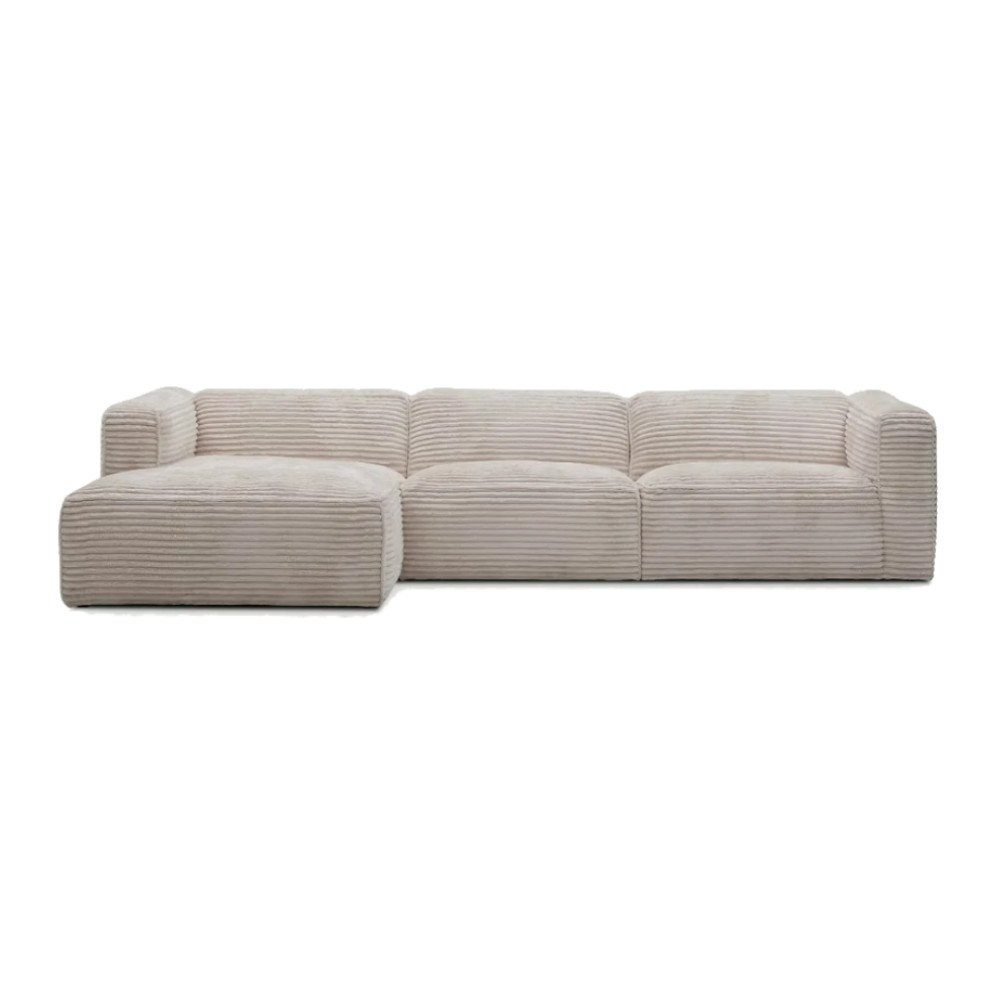
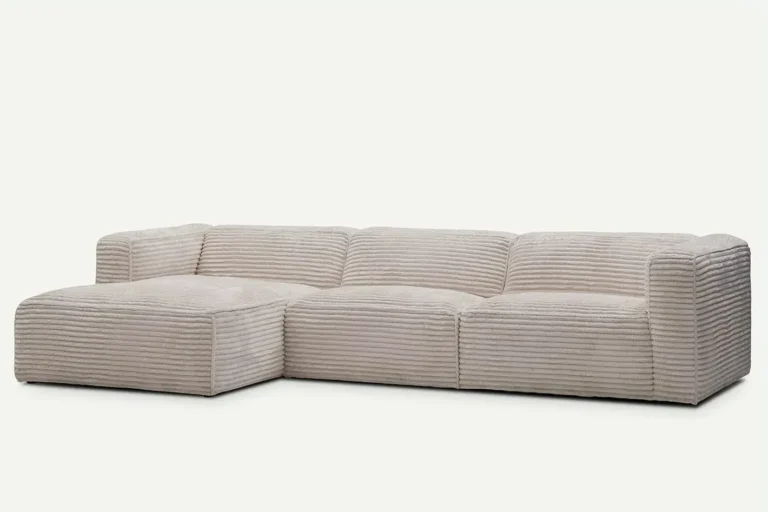
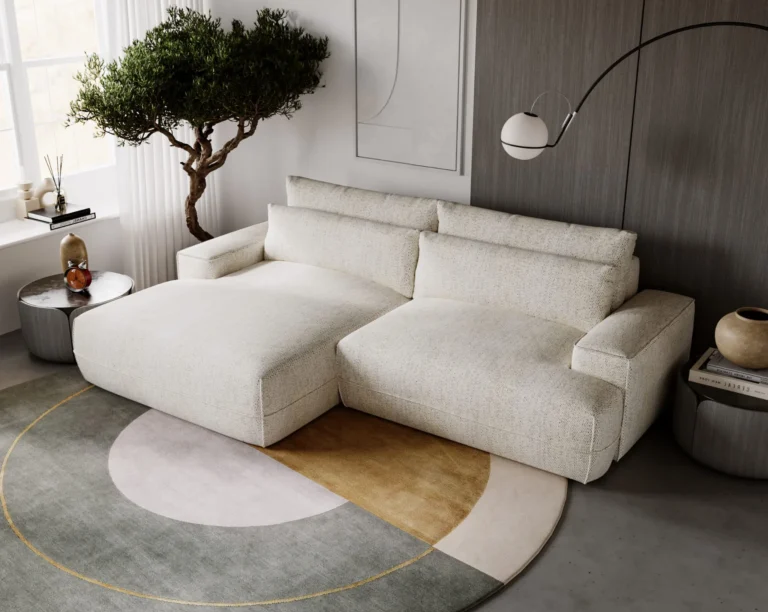
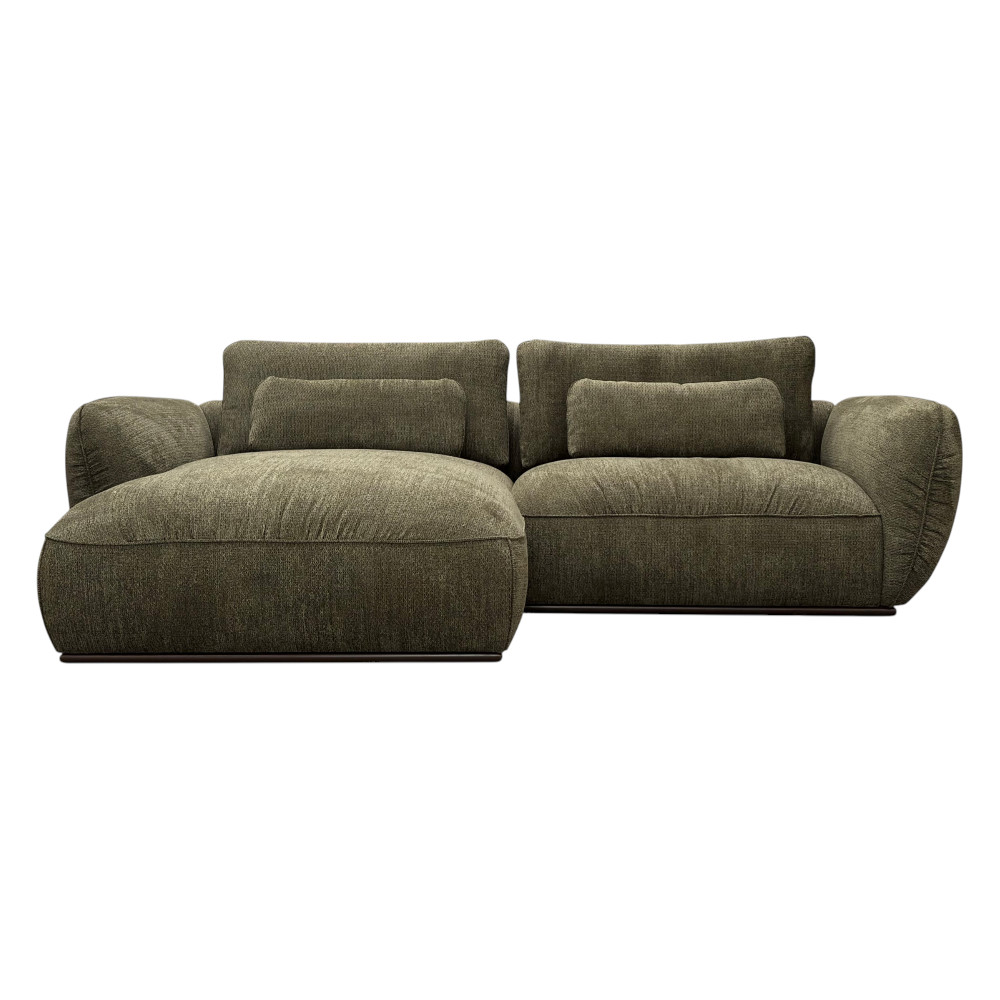
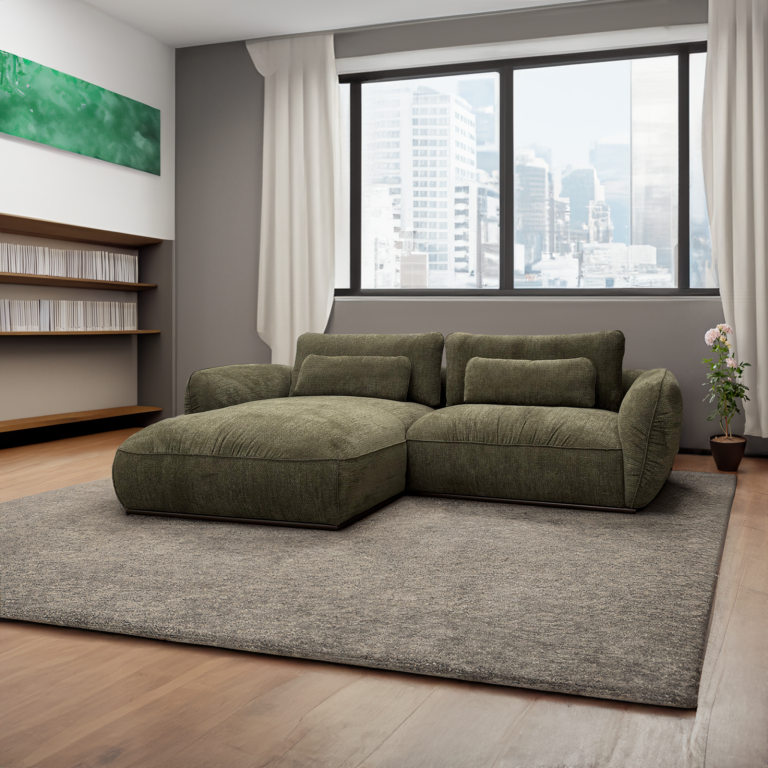
Corner or modular sofas work well as they adapt to the room’s angles. An l-shaped sofa or sectional sofa is especially advantageous for maximizing seating and fitting the unique layout, often providing more seating than traditional sofas and chairs. Incorporating extra seating options, such as ottomans or benches, can further increase capacity without cluttering the space. Using multi-functional furniture pieces, like ottomans, can maximize space in small areas. Opt for multifunctional items like storage ottomans or nesting tables in an L-shaped living room to keep the space clutter-free. Flexible configurations help balance proportions and improve flow. Avoid too many bulky items that compete for attention.
Where is the best place to position the sofa in a living room?
The sofa often acts as the visual bridge between both sections. Placing it along the inner corner can unify the space. Positioning the sofa along the far wall or long wall, especially if there is a fireplace or focal point, helps optimize the layout and creates a functional, inviting area. An L-shaped sofa can fit snugly into a corner to maximize space or float in the center to act as a room divider. This approach also helps define the main seating zone.
In larger rooms, a central placement can work if supported by a rug. The sofa, rug, and TV should form a clear visual triangle. Be sure to maintain at least 36 inches (approx. 90 cm) for main thoroughfares to ensure ease of movement and preserve floor space. Thoughtful placement of furniture can help create more space and a sense of openness. This structure anchors the layout and improves comfort.
How do colours and accessories help connect both parts of the living room?
A consistent colour palette ties the space together. Repeating tones across walls, textiles, and décor creates harmony. Using a consistent color palette throughout both sections can tie them together in an L-shaped room, especially when the living space and dining room function as distinct but connected zones. Subtle variations keep the interior interesting.
Accessories act as visual connectors between zones. Shared materials and textures reinforce continuity. Using separate but complementary rugs can visually ground each zone in an L-shaped room. Avoid strong contrasts unless they serve a clear design purpose.
How to design lighting in an L-shaped living room?
Each zone needs its own lighting scheme. Task lighting suits functional areas, while ambient light supports relaxation. In open concept spaces, thoughtful lighting helps define different zones and supports the overall flow. Arranging lighting to highlight the seating arrangement can create a cozy atmosphere and visually anchor the main gathering area. This layered approach improves usability.
Avoid relying on one central ceiling light. Accent and indirect lighting help balance proportions and add depth. Use accent lighting to highlight a reading nook with a comfy chair, creating a dedicated relaxation area within the room. Proper lighting also enhances the sense of cohesion.
Frequently asked questions about arranging a living room
Below are answers to common questions that arise when planning an L-shaped living room layout.
How should I arrange furniture in an L-shaped living room?
Start by identifying the longer leg of the L, which typically houses the main living area, while the shorter leg often works well as a dining nook. Use smaller furniture to maximize less space, especially in compact or narrow rooms. Avoid placing bulky furniture where the two legs of the L meet to keep the flow open. Placing furniture at an angle can also help create a more cohesive look. Swivel chairs are a great option for flexible seating arrangements.
What type of dining table works best in an L-shaped living room?
A round or oval dining table is often more appropriate for small spaces than a rectangular one. These shapes save space, improve flow, and can seat the same number of guests as larger tables. Position the dining table in the shorter leg of the L to define the dining area without crowding the main living space.
How can I make a narrow L-shaped living room feel more spacious?
Opt for smaller scale furniture and avoid tall pieces on the side walls to prevent the room from feeling closed in. Multi-functional pieces, like an ottoman that doubles as a coffee table with storage or extra seating, can help maximize space and functionality.
What should I consider for TV placement?
Arrange seating to optimize the view for those who want to watch TV, ensuring clear sightlines from the main seating area. Consider the size of the room and avoid placing the TV where it disrupts the flow or blocks visibility from other areas.
Are sectionals a good idea for L-shaped living rooms?
Sectionals can work, but keep in mind they often cannot be arranged in any other way than their original configuration. Make sure to measure the room before buying furniture to ensure it fits appropriately and doesn’t overcrowd the space.
Any other tips for choosing furniture?
Choose furniture that fits the intended use of the space to prevent overthinking and unnecessary spending. Measuring the room before purchasing is crucial. Avoid placing tall or bulky furniture where it could obstruct movement or make the room feel cramped.
How to arrange an L-shaped living room to make it visually cohesive?
Use consistent colours, materials, and lighting across both zones to create a unified look in your living space. In an L-shaped room or any shaped room, maintaining a consistent color palette helps visually connect different areas and enhances the overall cohesion of the living space. Align furniture orientation to support visual flow.
How to divide an L-shaped living room into functional zones?
Assign clear functions to each arm of the room. Use area rugs as room dividers to visually create a separate space for each function—defining different areas in an L-shaped living room with area rugs can effectively act as visual room dividers. Combine this with strategic lighting and furniture placement instead of solid partitions.
How to position a sofa in an L-shaped living room?
Place the sofa where it connects both areas visually. An L-shaped sofa or sectional sofa is a space-efficient choice—position it snugly into a corner to maximize seating and open up floor space, or float it in the center to act as a room divider. Inner-corner or central placements work best when supported by a rug.
How to avoid an empty or unused part of the living room?
Introduce a secondary function, such as a reading or dining area. Ensure it relates visually to the main zone. If you have an awkward space or awkward corner in your L-shaped living room, consider transforming it into a functional area like a reading nook. Placing a comfy chair in this spot not only makes use of the otherwise unused area but also creates a cozy, inviting place to relax and read, enhancing both the flow and comfort of your living space.
Which colours work best in an L-shaped living room?
Neutral bases with repeated accent tones work well. This approach keeps the space calm and visually connected. In an L-shaped room or any shaped room, using a consistent color palette throughout both sections can help tie the areas together and create a cohesive look.