
Posted on February 24, 2026
How to Arrange a Living Room with a Kitchenette? Tips and Advice
A living room with a kitchenette is one of the most frequently chosen layouts in contemporary flats, especially in smaller properties. It creates openness and improves natural light flow. However, combining cooking and relaxation areas requires careful planning. You must protect comfort, maintain kitchen ergonomics, and achieve visual harmony. In this guide, you will find practical advice on layout, furniture placement, lighting, and materials. Read on to design a functional and balanced open-plan space.
What Makes Arranging a Living Room with a Kitchen Most Challenging?
The greatest challenge lies in combining two zones with very different functions. Cooking generates smells, steam, and appliance noise. Meanwhile, the living area should feel calm and relaxing. Without planning, these activities can interfere with each other.
Another issue is the absence of clear boundaries. When zones merge visually, clutter becomes more noticeable. At the same time, the kitchen must remain ergonomic. The sink, hob, and fridge should form a practical work triangle to support efficient movement.
What Mistakes Should You Avoid When Designing a Living Room with a Kitchenette?
Avoid placing furniture randomly without respecting the kitchen work triangle. Distances that are too small between zones reduce comfort. Insufficient storage quickly leads to visible disorder in open-plan interiors.
Another mistake is mixing incompatible styles. A minimalist kitchen rarely works with heavy, ornate seating. Relying on a single ceiling light also limits functionality. Each zone requires its own lighting layer.
How to Plan the Layout of a Living Room with a Kitchenette for Everyday Comfort?
Start with the kitchen work triangle. Keep the sink, hob, and fridge within practical reach. Maintain at least 90 cm for walkways. Clear circulation routes improve both safety and daily comfort.
Next, consider the relationship between the kitchenette and seating area. In small flats, openness maximises space. In larger interiors, subtle structuring works better. Use furniture placement to create order without closing the room.
Browse our most popular styles
-
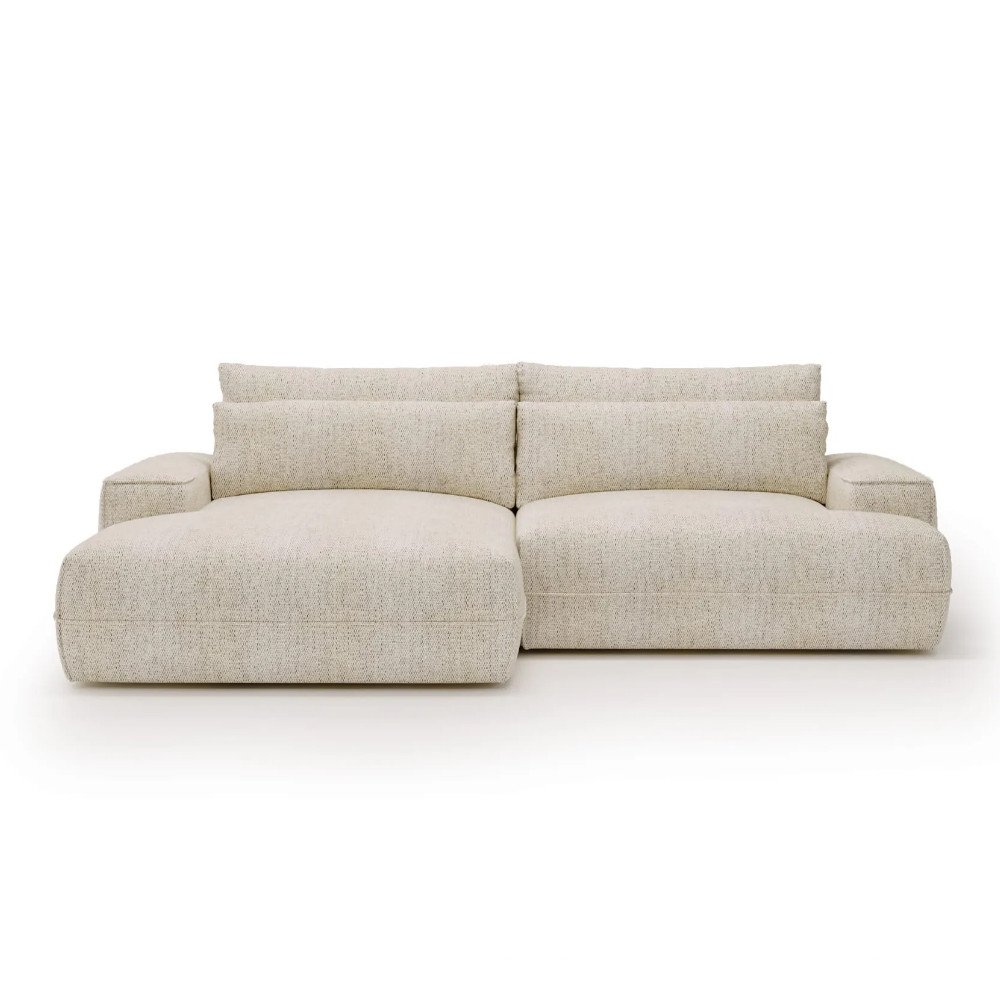
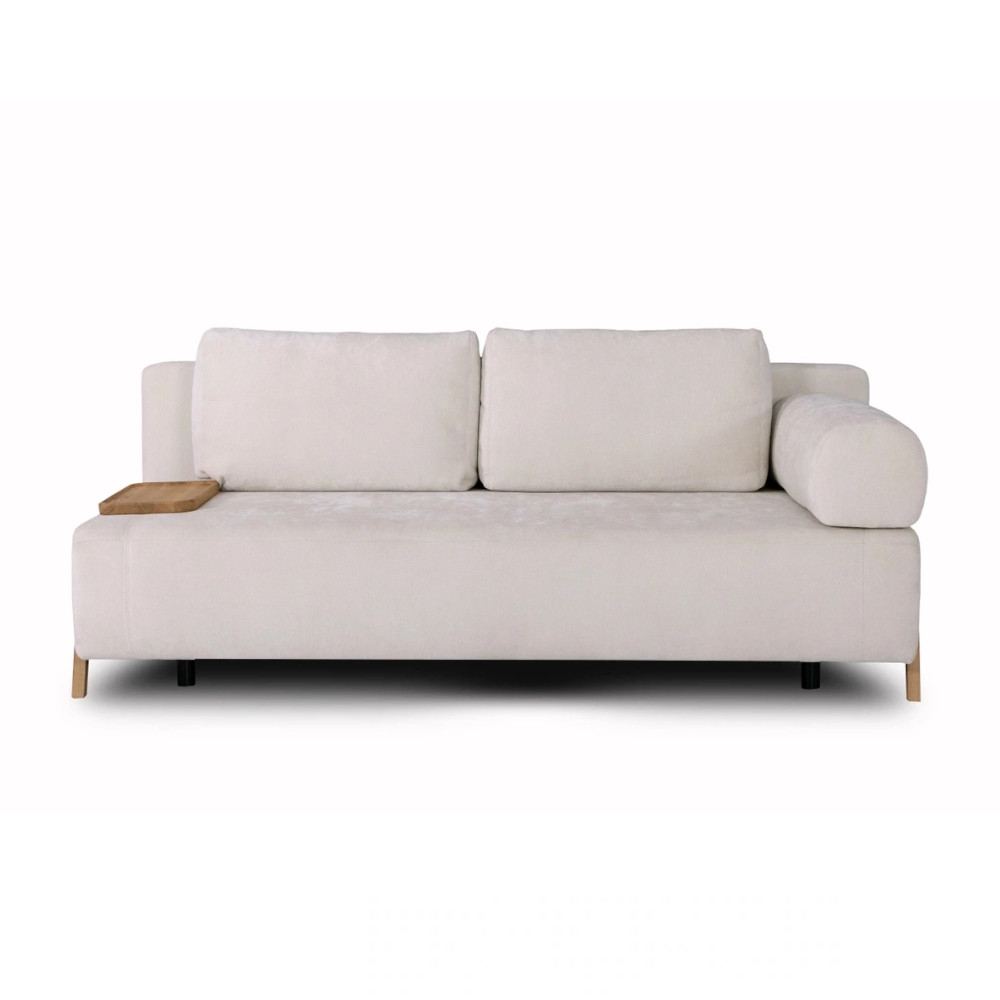
![Fresh Corner Sofa Bed]()
£1,115.00£947.00
How to Visually Separate the Kitchen from the Living Area?
An island or peninsula provides a natural transition between zones. It offers additional worktop space and creates structure. A dining table can serve the same purpose without blocking light.
You can also use differences in flooring or lighting to define areas. Placing the sofa with its back towards the kitchen creates a gentle boundary. These subtle divisions feel lighter than solid walls.
How to Choose Furniture for a Living Room Connected to the Kitchen?
Consistency is essential in open-plan design. Repeat shapes, colours, and finishes across both zones. Visually light forms prevent the space from feeling overcrowded. Slim legs and simple silhouettes work well.
Choose materials that withstand frequent use. Easy-to-clean surfaces are practical in shared spaces. Built-in storage solutions help control clutter and maintain order.
How to Position the Sofa in a Living Room with a Kitchenette?
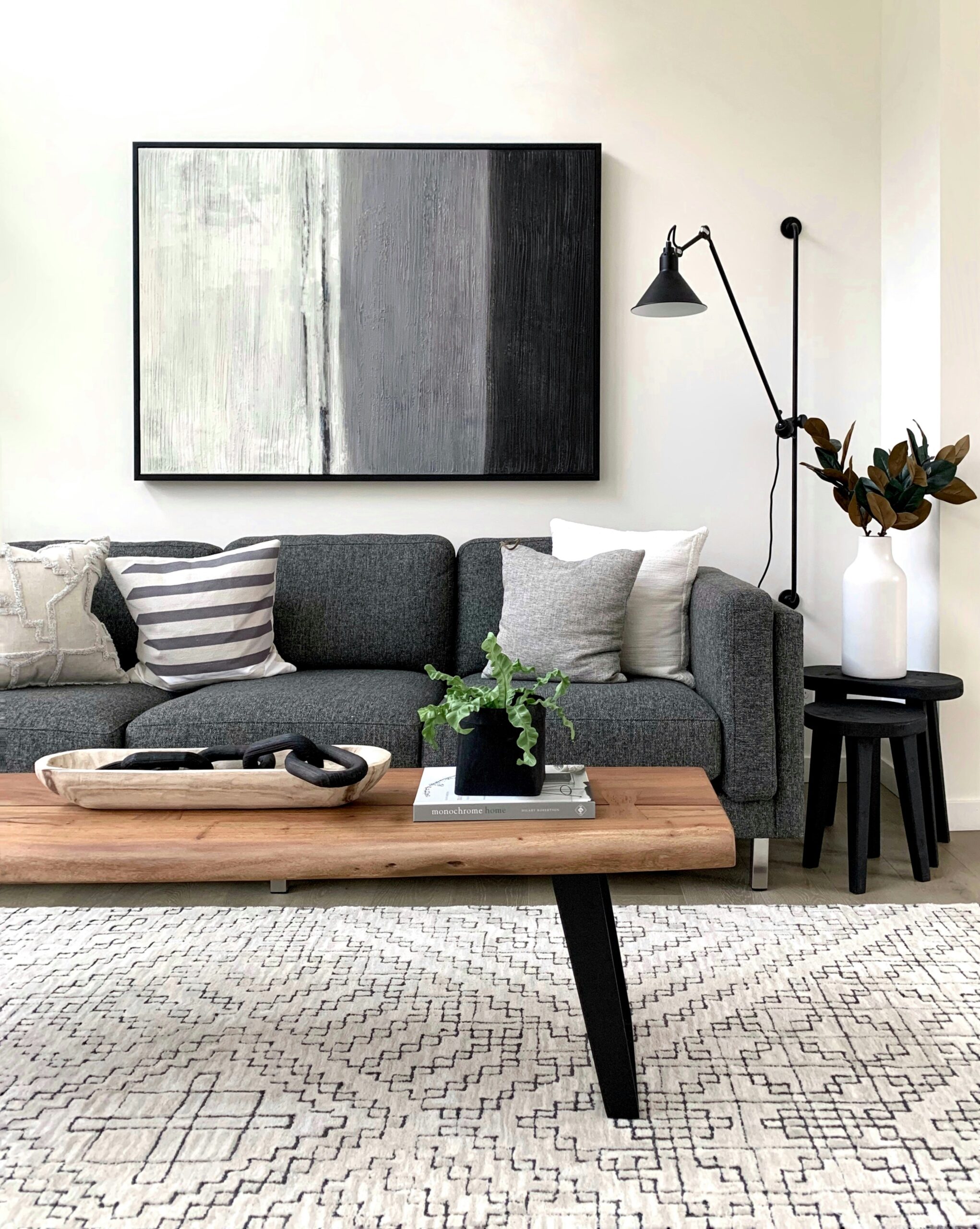
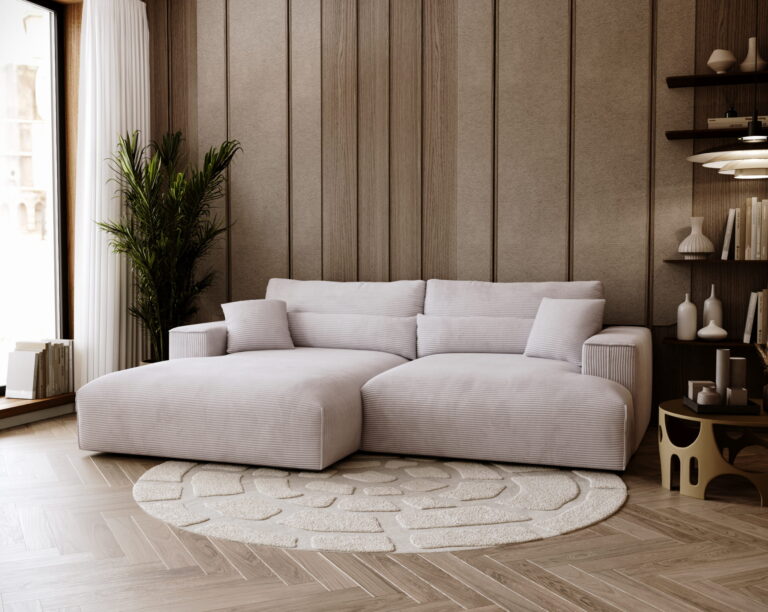
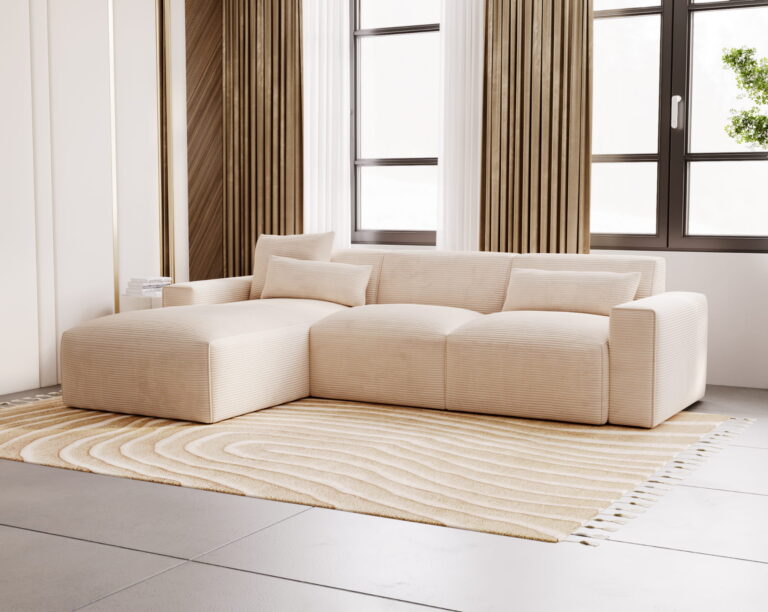
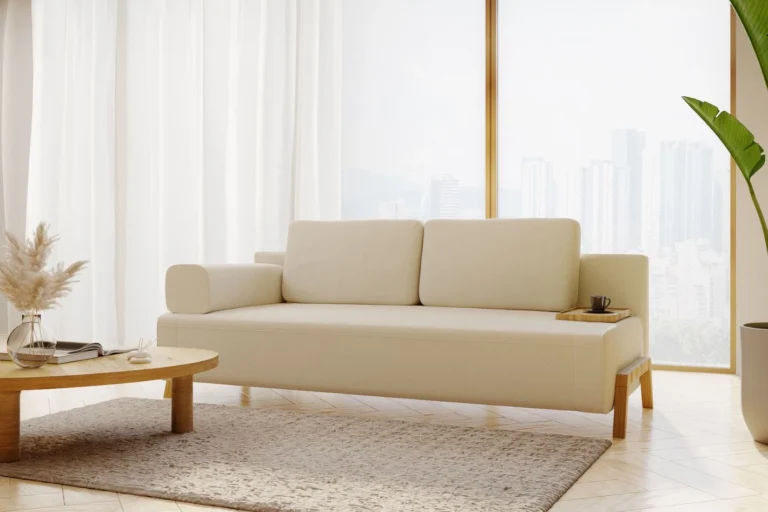
Placing the sofa with its back to the kitchen creates a natural divider. This solution works well in rectangular rooms. It defines the relaxation zone clearly.
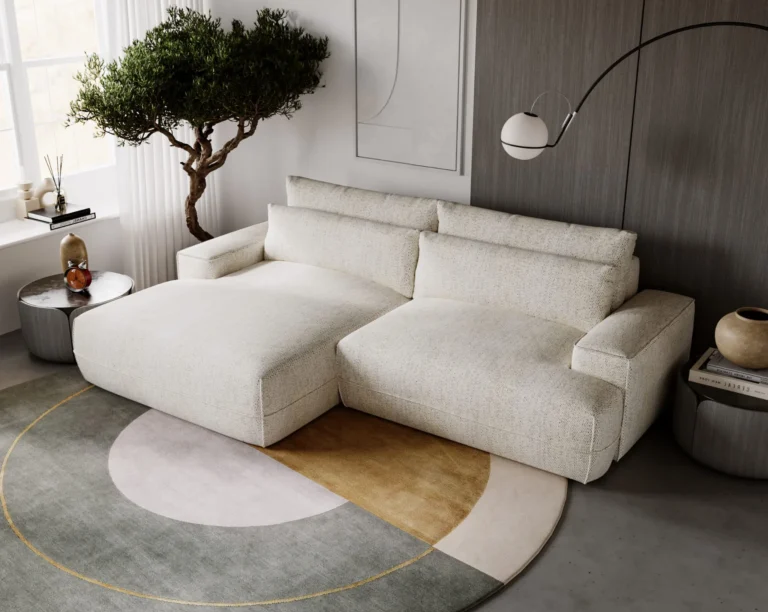
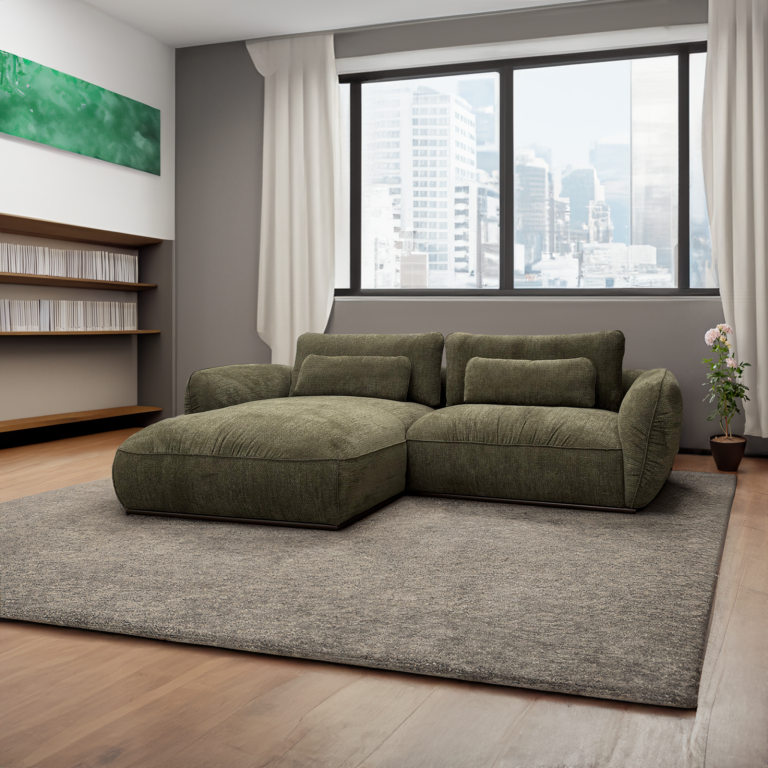
In smaller interiors, side placement may be more effective. Consider the relationship between the sofa, island, dining table, and television. A rug placed beneath the seating area organises the layout visually.
How to Combine Colours and Materials in a Living Room with a Kitchenette?
Light colours enhance openness and reflect natural light. Dark tones can add depth but require balanced illumination. Avoid excessive contrast that creates visual chaos.
Repeat finishes across the kitchen and living room. Matching metal accents or wood tones create cohesion. Choose materials that are easy to maintain. This prevents frustration in daily use.
How to Plan Lighting in a Living Room with a Kitchenette?
Use separate lighting for each zone. Install task lighting above the worktop and hob. Under-cabinet lighting improves functionality and visibility.
In the living area, focus on ambient and accent lighting. Floor lamps and wall lights create a comfortable mood. Plan different lighting scenarios for daytime and evening use.
Frequently Asked Questions About Designing a Living Room with a Kitchen
Below are concise answers to common questions about arranging a living room with a kitchenette.
How can you visually separate the living room from the kitchen in an open-plan layout?
Use an island, dining table, or sofa placement as a divider. Changes in flooring or lighting also help define zones without building walls.
How should you arrange furniture in a living room with a kitchenette?
Respect the kitchen work triangle and maintain clear walkways. Position seating to define the relaxation area without obstructing access.
What sofa should you choose for a living room connected to a kitchen?
Select a durable model with easy-to-clean upholstery. Choose a size proportional to the room. Neutral tones often suit open-plan spaces.
Is a living room with a kitchenette suitable for a small flat?
Yes, it maximises light and creates a sense of spaciousness. Careful zoning ensures functionality without overcrowding.
What lighting works best in a living room with a kitchenette?
Combine task lighting in the kitchen with ambient lighting in the living area. Layered solutions improve comfort and flexibility.