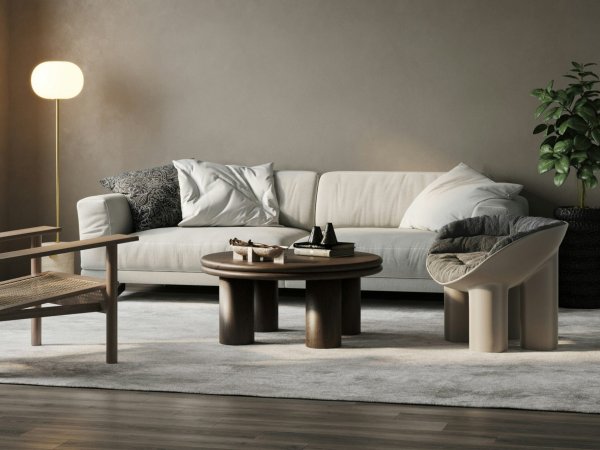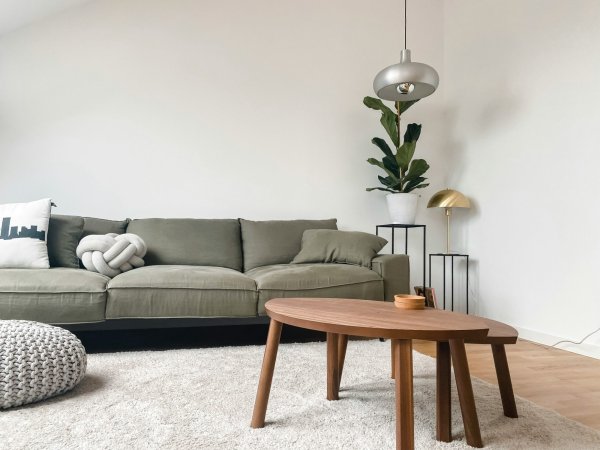
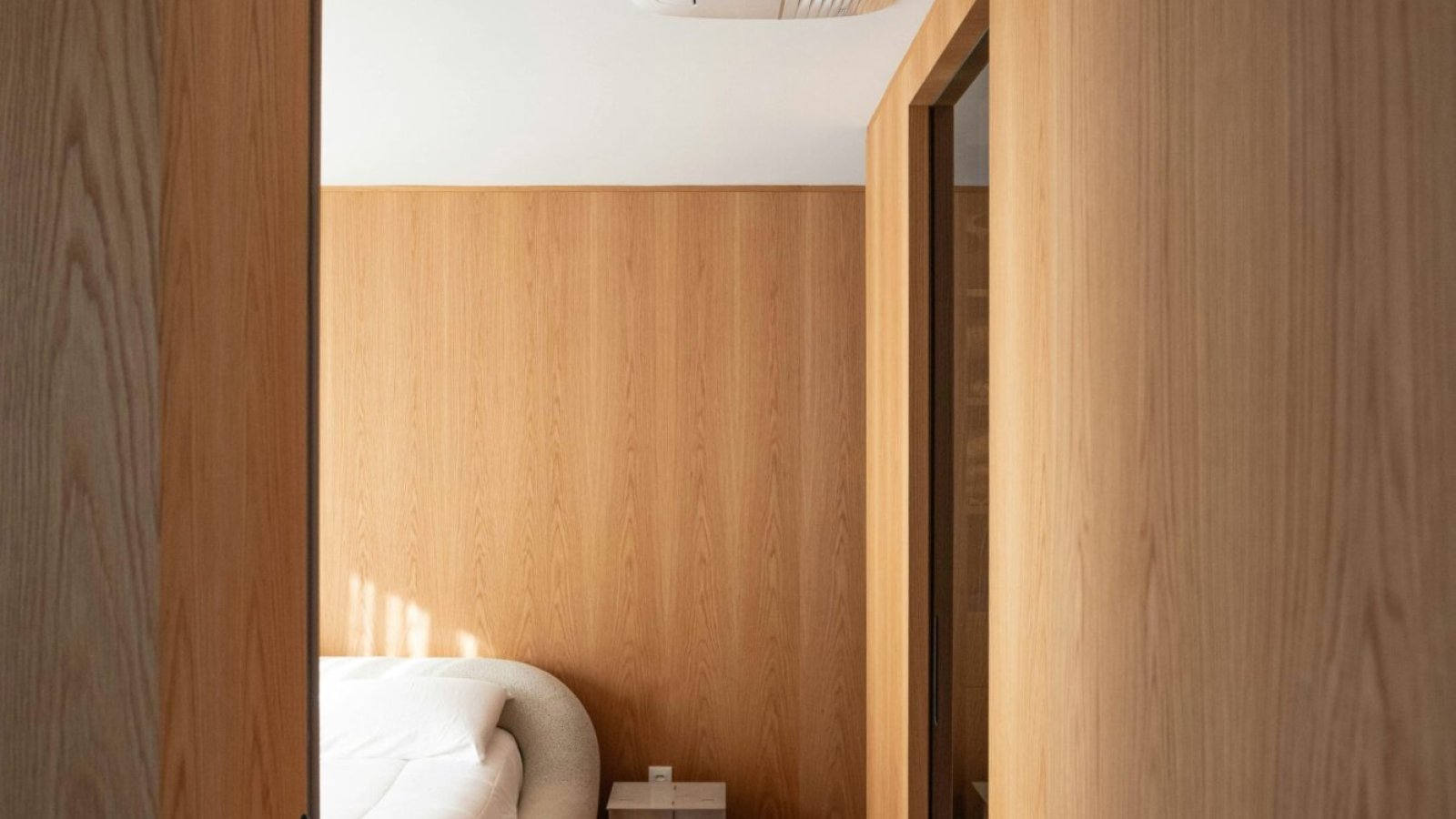
Designing a long and narrow living room can feel frustrating. Sometimes referred to as a long living room, this type of space presents unique challenges. Unfavourable proportions, the risk of a corridor-like effect, limited furniture layouts and poor light distribution often make the space feel cramped rather than comfortable, with limited space being a key challenge. Movement can become restricted, and it is easy to overload the room with furniture that visually narrows it even more. The good news is that with the right layout, colours, lighting and furniture placement, a narrow living room can feel wider, balanced and functional. This guide explains how to arrange a narrow living room, avoid common mistakes and apply proven solutions that genuinely improve proportions. You’ll find design tips, practical ideas that work in real homes, and learn how to transform a challenging space step by step.
Why is a thin living room difficult to arrange?
A narrow living room usually has an elongated floor plan and limited width. This type of long space presents unique challenges for arranging furniture and decor. The narrow space often leads to furniture being pushed against walls, which exaggerates the length of the room. As a result, the space can feel like a passage rather than a place to relax. In many homes, this type of room functions as a pass through, connecting different areas and impacting how the space is used. To counteract the corridor effect, establishing an ‘S-Curve’ flow for foot traffic—rather than a straight line down the center—can make the room feel more inviting and functional.
Another issue is zoning. In a long interior, it is difficult to clearly define areas for seating, dining or working. Without clear zones, the room feels chaotic or unfinished. Poor zoning can create an awkward space that is hard to use efficiently. The challenge is not a lack of space, but the way proportions affect perception and movement.
Assessing the space: understanding your limited living room’s dimensions and features
Before you start rearranging furniture or shopping for new pieces, take the time to thoroughly assess your narrow living room. Begin by measuring the length and width of the room, noting any architectural features such as doorways, windows, radiators, or built-in shelving that could impact your layout. Pay close attention to the placement of electrical outlets and switches, as these will influence where you can position lighting and electronic devices.
Understanding the exact dimensions of your living room is the first step to making the most of your available floor space. Take note of how natural light enters the room at different times of day—this can help you decide where to place seating or work areas to maximize comfort and brightness. Identifying both the strengths and challenges of your narrow living room will guide your choices in furniture placement, ensuring you avoid overcrowding and make the most of every inch. By starting with a clear assessment, you lay the groundwork for a narrow living room layout that feels open, balanced, and perfectly suited to your needs.
See the sofas everyone loves
-
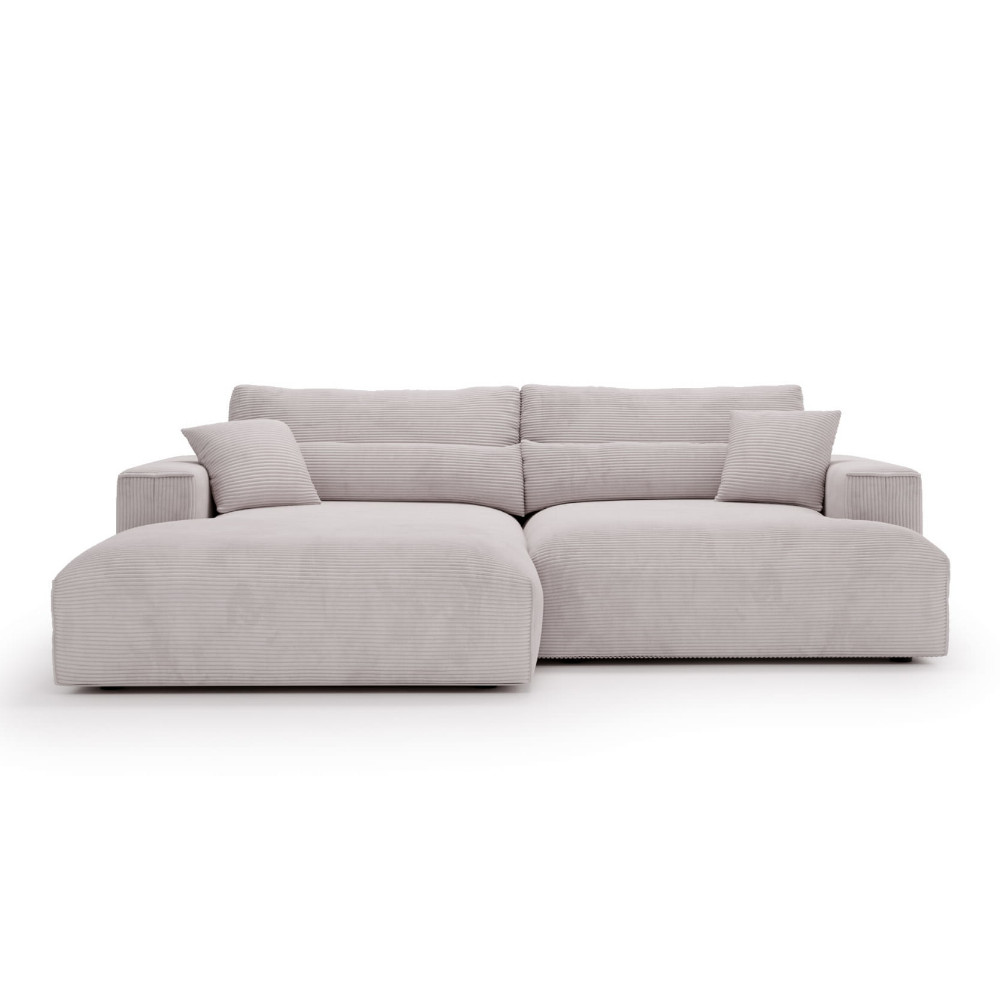
Felicia Corner Sofa Compare 2 Seater Corner Sofas £1,730.00 Find out more
-
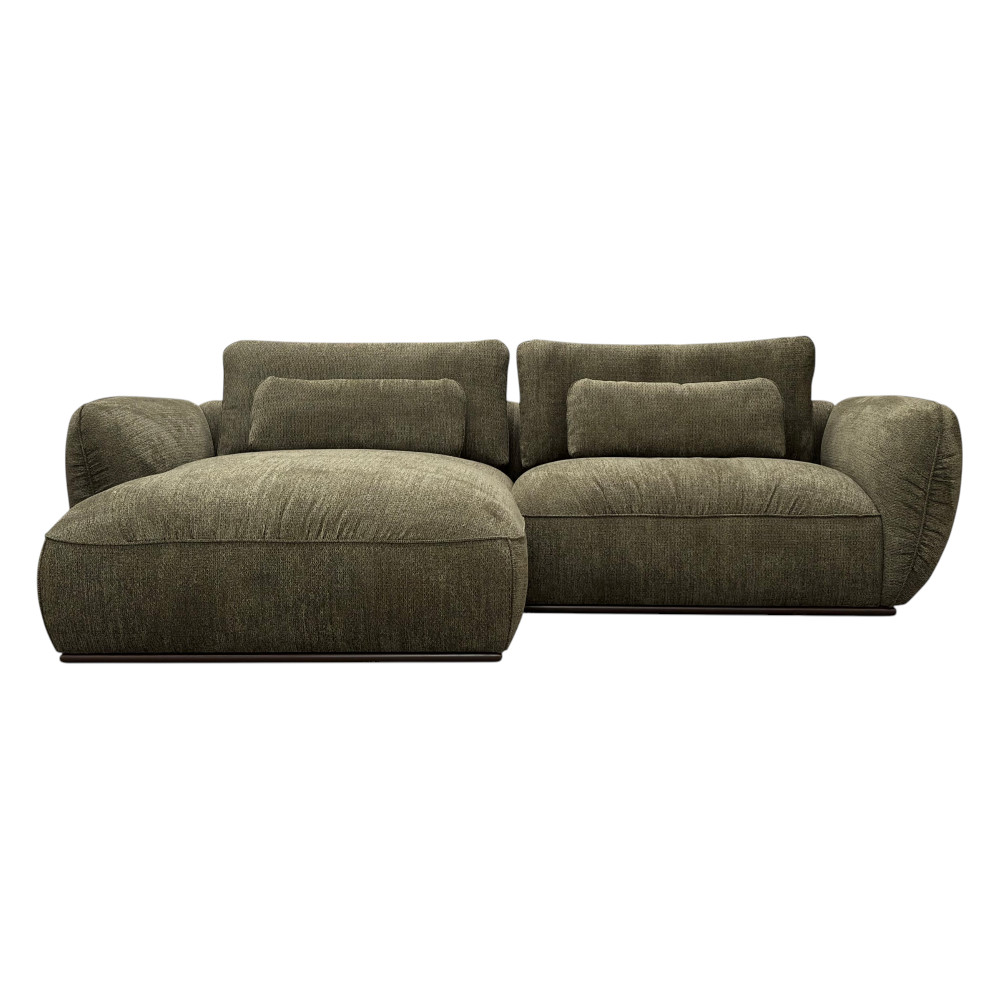
Ariana Corner Sofa Compare 2 Seater Corner Sofas £2,235.00 Find out more
-
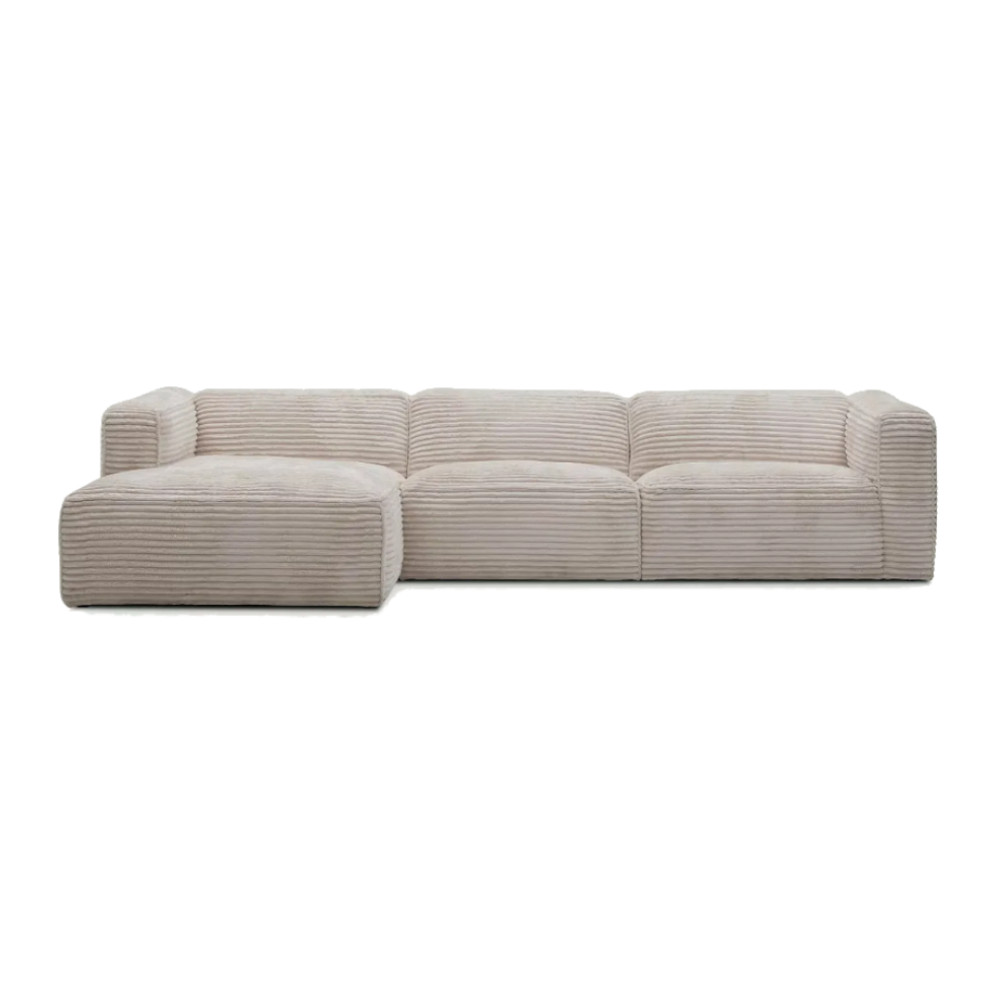
Moved XL 4 Seater Corner Sofa White Cream Tilia 03 Compare 3 Seater Corner Sofas £2,120.00 Find out more
-
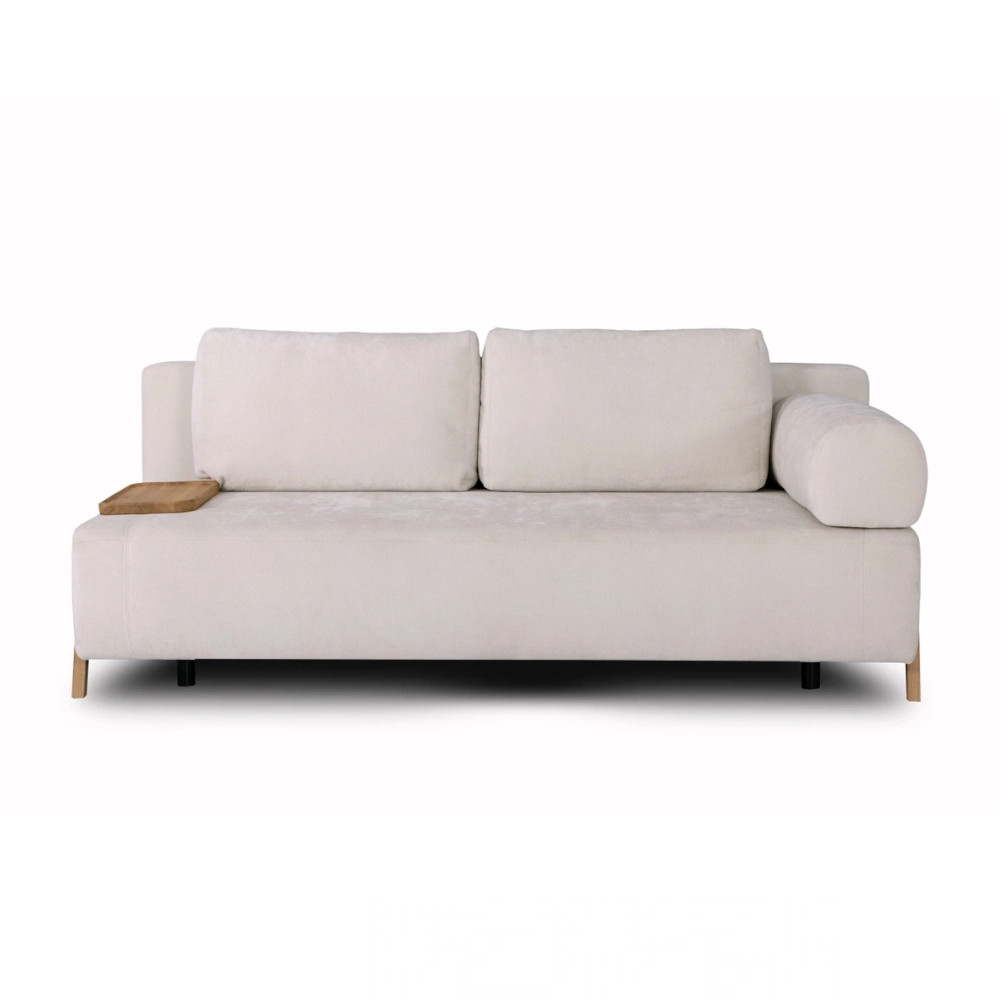
Tiny 2 Seater Sofa Bed Compare 2 Seater Sofas £1,400.00 Find out more
-
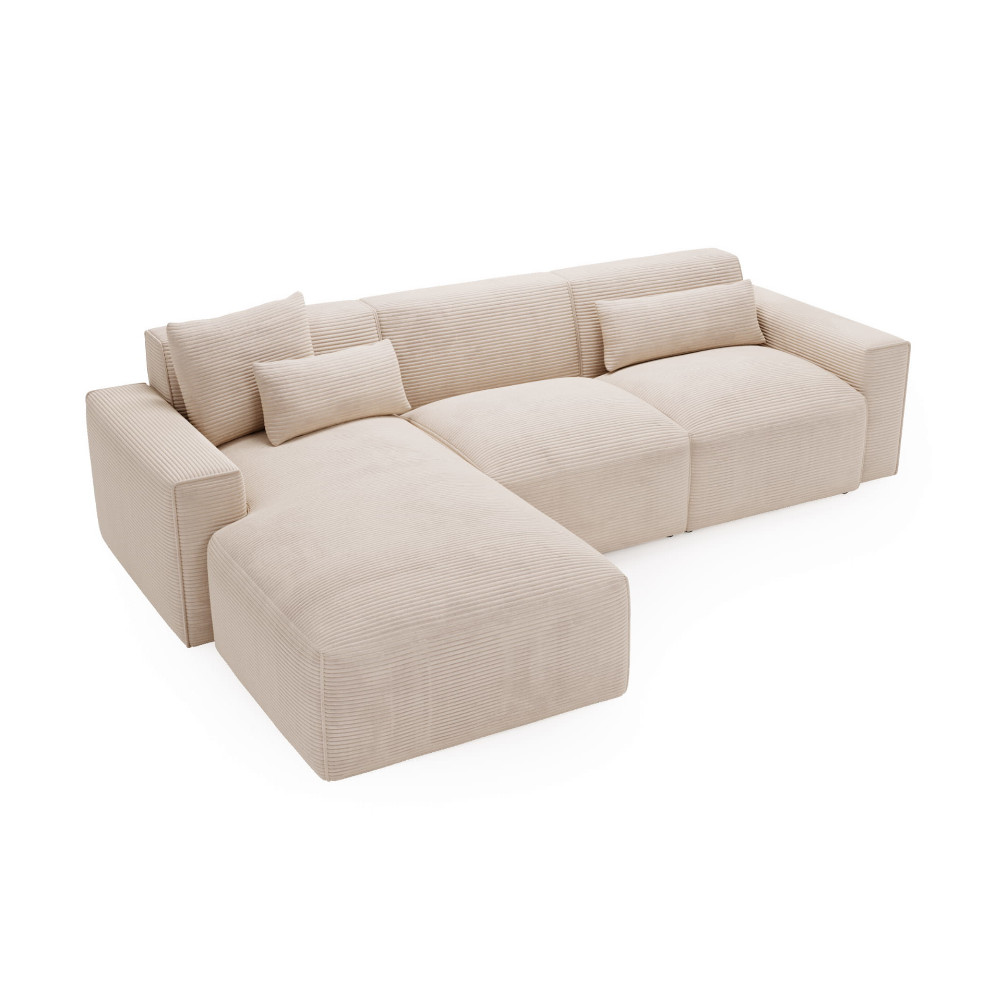
Pearl Corner Sofa Bed Compare All Corner Sofas £2,150.00 Find out more
-
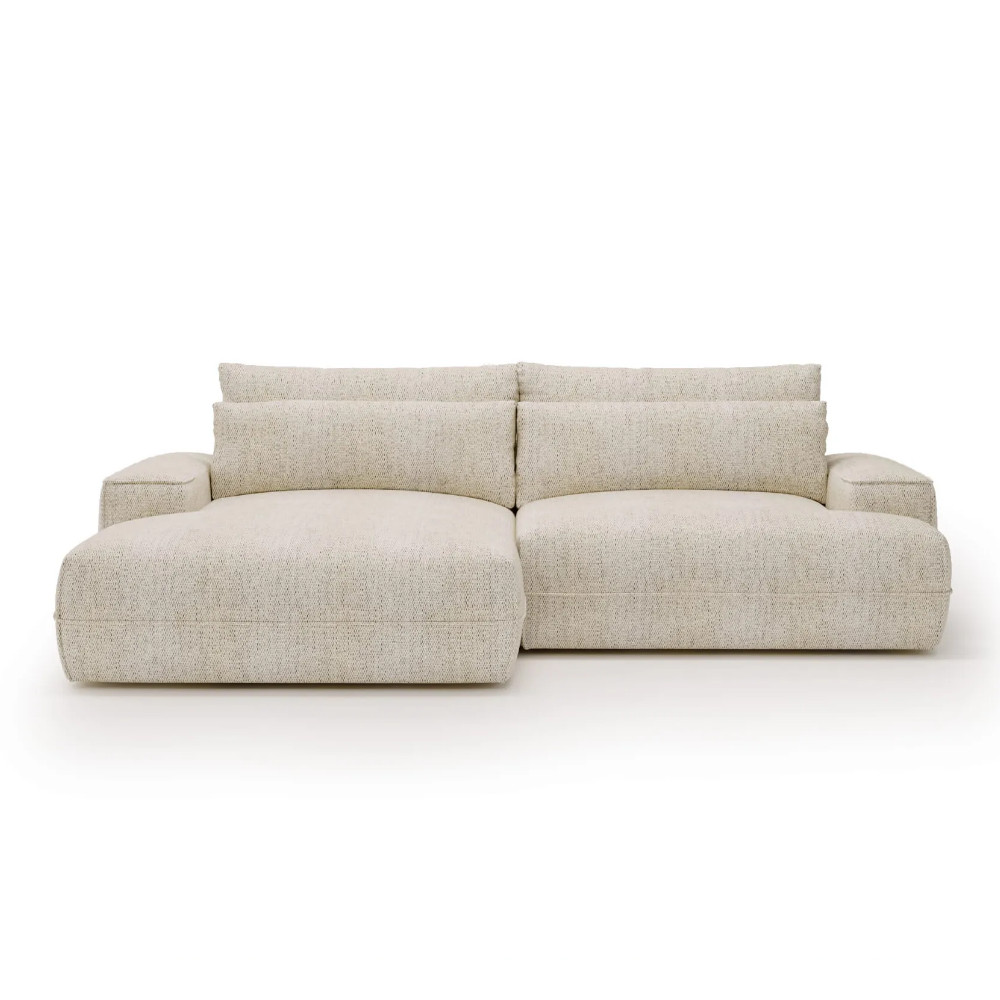
Fresh Corner Sofa Bed Compare 2 Seater Corner Sofas £1,115.00 £947.00 Find out more
What are the most common mistakes in constricted living room design?
Many problems come from instinctive but unhelpful decisions. One frequent mistake is placing all furniture in a straight line along the walls. This arrangement draws attention to the room’s length and can create a ‘bowling alley’ effect, making the space feel even slimmer.
Oversized furniture is another issue. Deep sofas, bulky cabinets or large coffee tables quickly dominate the space. Choosing appropriately sized pieces helps save space and keeps the room functional.
Poor lighting also plays a role. Relying on one central ceiling light creates shadows and flatness. Combining various types of lighting, such as floor lamps, wall sconces, and table lamps, eliminates shadows and adds depth to the room. Ignoring circulation paths often results in blocked walkways and uncomfortable layouts.
How to plan the layout of a definite living room and divide it into zones?
Good planning starts with understanding movement. Leave clear communication paths and avoid placing furniture directly on the main axis of the room. Slightly offset arrangements help break the tunnel effect. To support these zones, arrange seating crosswise or in groupings that break up the length of the room and enhance functionality.
Zoning is essential. To create zones and establish distinct zones, it’s important to create distinct zones within the living room for different functions. A seating area can sit closer to one end, while a dining or work zone occupies the other. Rugs, lighting and furniture orientation create subtle boundaries. Instead of rigid dividers, use visual cues such as different light sources or floor textures. Rug placement can be used to define different functional areas and enhance the perception of space and flow within the room. This approach keeps the space open while adding structure, and ensures the entire room and entire space are thoughtfully planned for maximum comfort and usability.
Creating a focal point to anchor your living room
One of the most effective ways to make a narrow living room feel more inviting is to establish a strong focal point. In a long narrow living room, a focal point draws the eye and helps break up the linear feel of the space, making the room feel more balanced and visually interesting. This could be a striking piece of artwork, a bold area rug, or even a unique piece of furniture that stands out from the rest.
Consider placing your focal point at one end of the room to create a sense of depth, or use lighting—such as a stylish table lamp or floor lamp—to highlight a specific area. The key is to choose something that reflects your personal style and complements the overall decor of your living room. By anchoring the space with a focal point, you not only add visual interest but also help the room feel more cohesive and comfortable. This simple design strategy can transform the atmosphere of your narrow living room, making it a place where you and your guests want to spend time.
What furniture works best in a slim living room?
Proportion is everything. Choose sofas with a lighter form and reduced depth. Slim armrests and lower backrests help the room feel more open. The right furniture choices are crucial for creating a functional space in a narrow living room. Using circular or round furniture pieces can soften harsh lines and enhance navigation. Furniture on legs allows light to flow underneath, which visually enlarges the space. Thoughtful furniture arrangement can help maximize the room’s potential.
Modular and multifunctional pieces offer flexibility. Swivel chairs, side chairs, and side tables provide additional flexible seating and storage options, making it easier to adapt the space for different needs. A compact sofa combined with nesting tables or storage ottomans adapts better than large fixed items. A round coffee table improves circulation and complements various furniture arrangements, while an l shaped sofa is ideal for maximizing corner space and creating a sociable seating area in narrow living rooms. Avoid heavy, boxy furniture and too many tall units placed close together.
How should you position a sofa in a small living room?
Placing the sofa along the longer wall is often the safest option. Positioning the main sofa against the long wall or back wall can maximize space and create a more functional layout in a narrow living room. For added effect, slightly float the sofa away from the wall to give the room a sense of depth and airiness. It preserves width and keeps circulation clear. In some layouts, positioning the sofa perpendicular to the wall can visually shorten the room and help define a seating zone.
A sofa can also act as a subtle divider between areas. Pair it with a rug and coffee table to anchor the seating space. The relationship between the sofa, television and rug should feel centred, not stretched along the room’s length.
How to visually widen a narrow living room with colours and accessories?
Light colours work best on walls and ceilings. Whites, warm neutrals and soft greys reflect light and reduce contrast, visually expanding the room. For added depth and to create a focal point, consider painting the shorter wall a darker colour to form a feature wall—this can visually balance proportions and add interest. Incorporate reflective surfaces and use mirrors strategically on longer walls to create the illusion of more space and enhance brightness. When addressing ceilings, hang floor-to-ceiling curtains wider and higher than window frames to emphasize room height. Make use of vertical space with tall shelves and curtains to draw the eye upward and create a sense of openness in a narrow living room.
Flooring direction matters. Laying boards across the width helps widen the space. Layering decorative elements such as throw pillows, accessories, and artwork adds comfort, warmth, and visual interest. Mirrors placed on longer walls reflect light and create depth. Horizontal lines in textiles, artwork or shelving subtly increase the sense of width.
How to choose lighting for a narrow living room?
Layered lighting is key. Use several light sources instead of one ceiling fixture. Wall lights, floor lamps and table lamps create depth and break monotony.
Side lighting softens shadows and highlights textures. LED strips along shelves or behind furniture add gentle emphasis. Well-distributed lighting makes the room feel wider, warmer and more inviting.
Considering alternative uses and flexible arrangements for tight living rooms
When working with a narrow living room, thinking outside the box can help you unlock the full potential of your space. Instead of sticking to a traditional living room layout, consider how you can adapt the room to fit your lifestyle. For example, you might carve out a cozy reading nook by a window, set up a compact home office in an unused corner, or create a flexible seating area that can be rearranged for different occasions.
Opt for furniture pieces that serve more than one purpose, such as a console table with storage, a storage ottoman, or nesting tables that can be tucked away when not in use. Floating furniture—like wall-mounted shelves or a floating desk—can free up valuable floor space and make the room feel more open. Use area rugs to define different zones within the living room, helping to visually separate a seating area from a workspace or reading nook.
Don’t be afraid to experiment with different layouts until you find what works best for your narrow living room. By embracing flexible arrangements and alternative uses, you can create a living space that is both functional and stylish, no matter how limited the floor space may be. Keep the room clutter-free and well-lit to enhance the sense of visual space and make your narrow living room a true reflection of your needs and personality.
Frequently asked questions about limited living room design
Below are answers to common questions that arise when planning long and narrow spaces.
How do I arrange seating in a narrow living room?
To arrange seating effectively, consider placing furniture crosswise or in groupings to break up the length of the room. Strategic rug placement can help define zones and make the space feel more inviting. This approach is one of the top tips for maximizing both appearance and functionality in a long living room layout.
What furniture works best in a small living room or small space?
Choose furniture that is appropriately scaled for a small space to avoid overcrowding. Opt for modular or multi-functional pieces to create more space and flexibility. Using these strategies helps a small living room feel larger and more comfortable.
Where should I put the sofa in a long rectangular living room or family room?
In a long living room layout, place the sofa across the width of the room or float it away from the wall to create zones. This works well in a long rectangular living room or family room, helping to break up the space and improve flow.
What colors should I use?
When it comes to color, top tips include using lighter shades to open up the room and create the illusion of more space. Sometimes, just that—choosing a simple, cohesive palette—can make a big difference in how spacious and welcoming your living room feels.
What accessories work best in a narrow living room?
For narrow living room ideas, use mirrors, wall-mounted shelves, and layered lighting to enhance the sense of space. The goal is to create a comfortable environment where spending time with family and friends feels natural and enjoyable.
How do I plan the layout if I want to watch TV?
When planning your layout, consider where you want to watch TV. In a small living room or long living room layout, wall-mounting the TV or using built-in joinery can save space and improve viewing angles. This is especially important in narrow or awkward spaces.
How to divide a long and narrow living room into zones?
Use rugs, lighting and furniture orientation to define areas. Keep boundaries subtle and avoid solid partitions.
What furniture suits a very narrow living room best?
Choose slim, raised furniture with lighter proportions. Modular pieces offer flexibility and better flow.
How should a sofa be placed in a long narrow living room?
Place it along the longer wall or perpendicular to shorten the visual length. Maintain clear walkways.
What colours work best in a narrow living room?
Light, neutral shades reflect light and open the space. Accents should stay balanced and minimal.
What accessories visually widen a narrow living room?
Mirrors, horizontal patterns and low-profile décor help expand visual width without clutter.
Final tips
A narrow living room does not have to feel restrictive. Smart layout planning, well-chosen furniture, balanced colours and layered lighting can completely change how the space feels. Focus on proportions, movement and visual breaks rather than filling every corner. With thoughtful decisions, even the most challenging room can become comfortable and stylish. If you are planning a refresh, explore solutions that suit your layout and create a living room that feels wider, calmer and easier to enjoy.