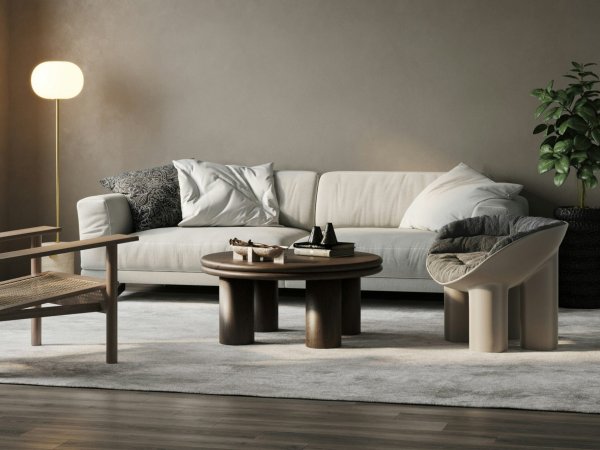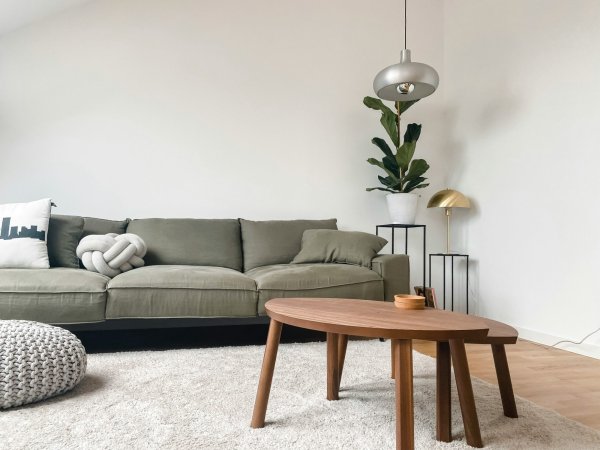
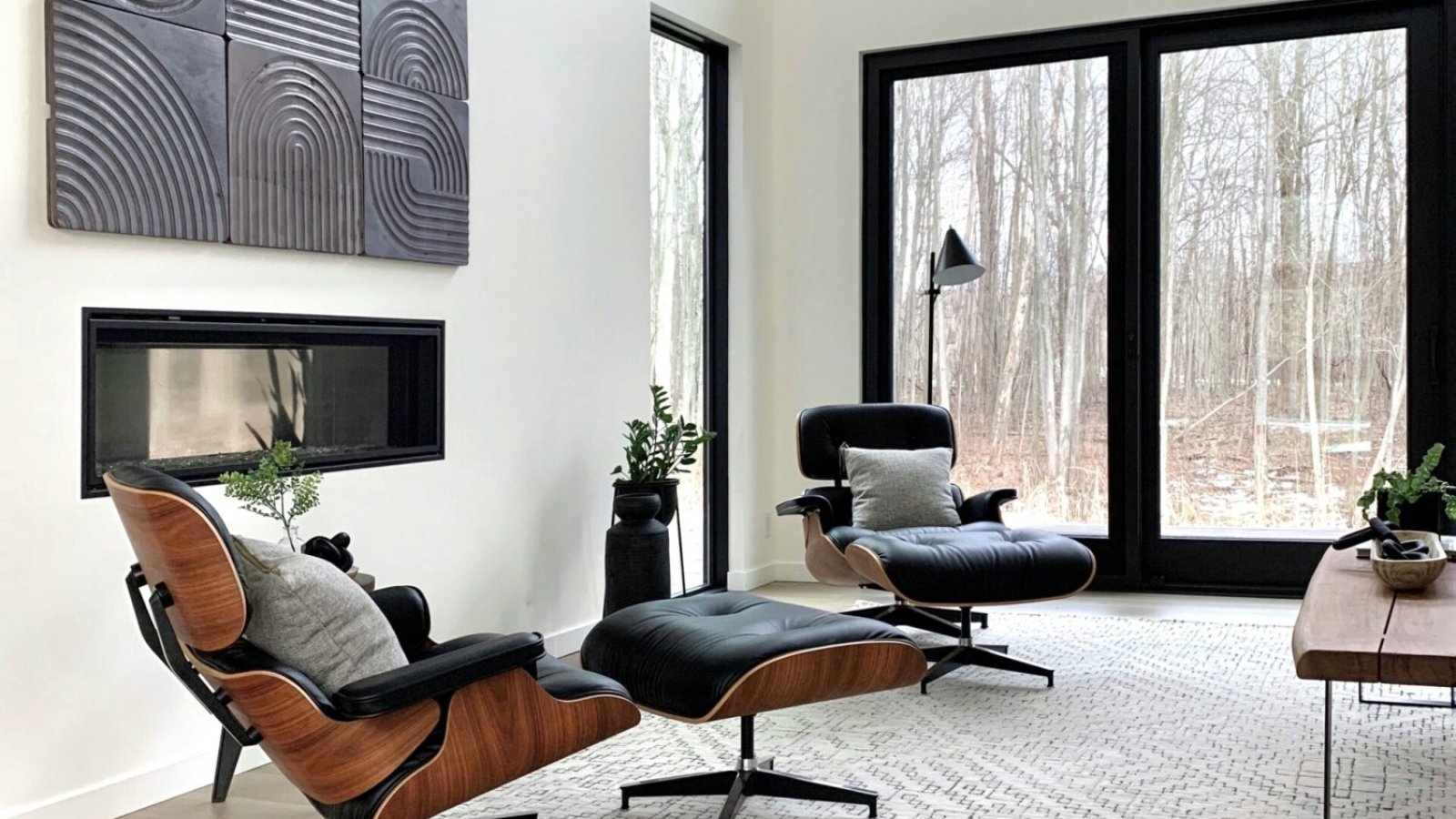
A rectangular living room is one of the most common layouts in modern homes. It offers many arrangement possibilities, but it also presents challenges such as awkward space that can be difficult to utilize effectively. When planning the layout, it’s important to consider the entire room and your specific functional needs to ensure the space works for your lifestyle. This guide explains how to arrange a rectangular living room in a practical way, providing layout ideas and practical advice on how to arrange furniture to address these challenges. Read on to discover proven ideas and create a living room that feels balanced, comfortable and easy to use.
What challenges come with arranging a rectangular living room?
The main challenge lies in the elongated proportions of a rectangular living room, especially in a long narrow space, which can easily feel awkward if not planned carefully. When furniture is placed without a clear plan, the space often loses its sense of balance and comfort.
Another frequent issue is uneven lighting, especially when windows are positioned only on one of the shorter walls. Optimizing traffic flow is crucial in such layouts, and creating different zones—such as separate seating, dining, or lounge areas—can help manage the space more effectively. It works particularly well when the living room needs to combine relaxation, dining and work zones in one continuous space.
What mistakes should you avoid in a oblong living room?
One of the most common mistakes is placing all furniture along the longer walls. How you arrange furniture, including the placement of sofas and chairs, is crucial. Poor arrangement can make the space feel cramped and uninviting.
A lack of clear functional zones is another issue. Placing furniture along the back wall or blocking walkways can disrupt the natural walk through the room, making movement awkward. Without visual structure, the interior feels chaotic and impractical. Oversized furniture that does not suit the room’s proportions can overwhelm the space, while relying on a single central light source often leaves parts of the room poorly lit.
The flow of the room should allow for natural walking pathways to prevent tripping over furniture.
Discover our customer favourites
-
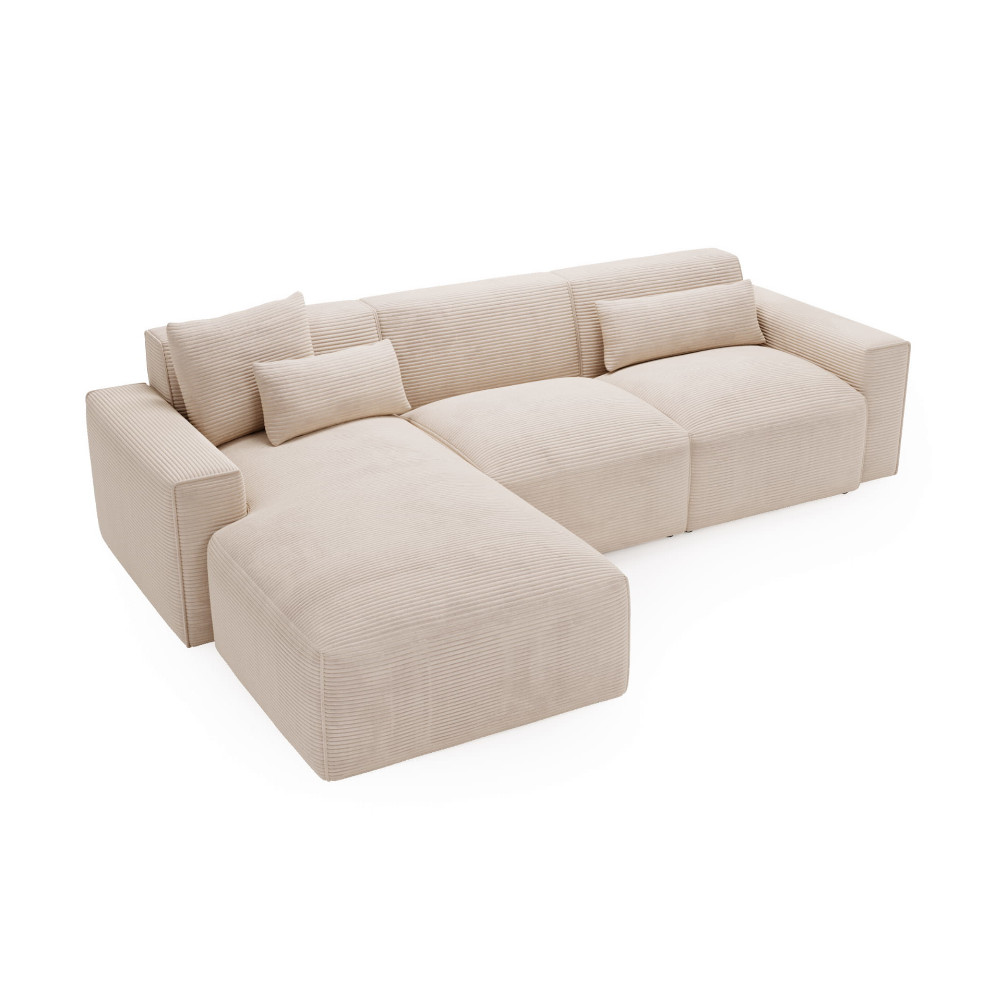
Pearl Corner Sofa Bed Compare All Corner Sofas £2,150.00 Find out more
-
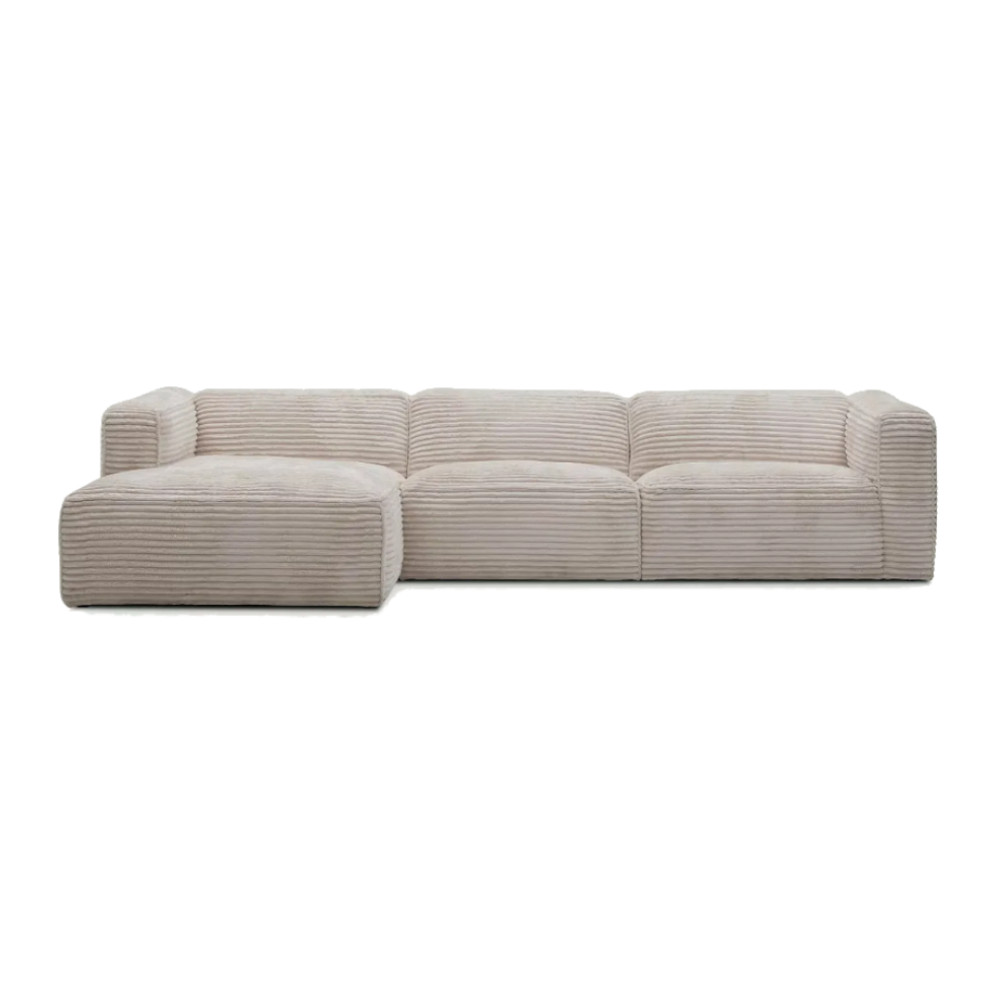
Moved XL 4 Seater Corner Sofa White Cream Tilia 03 Compare 3 Seater Corner Sofas £2,120.00 Find out more
-
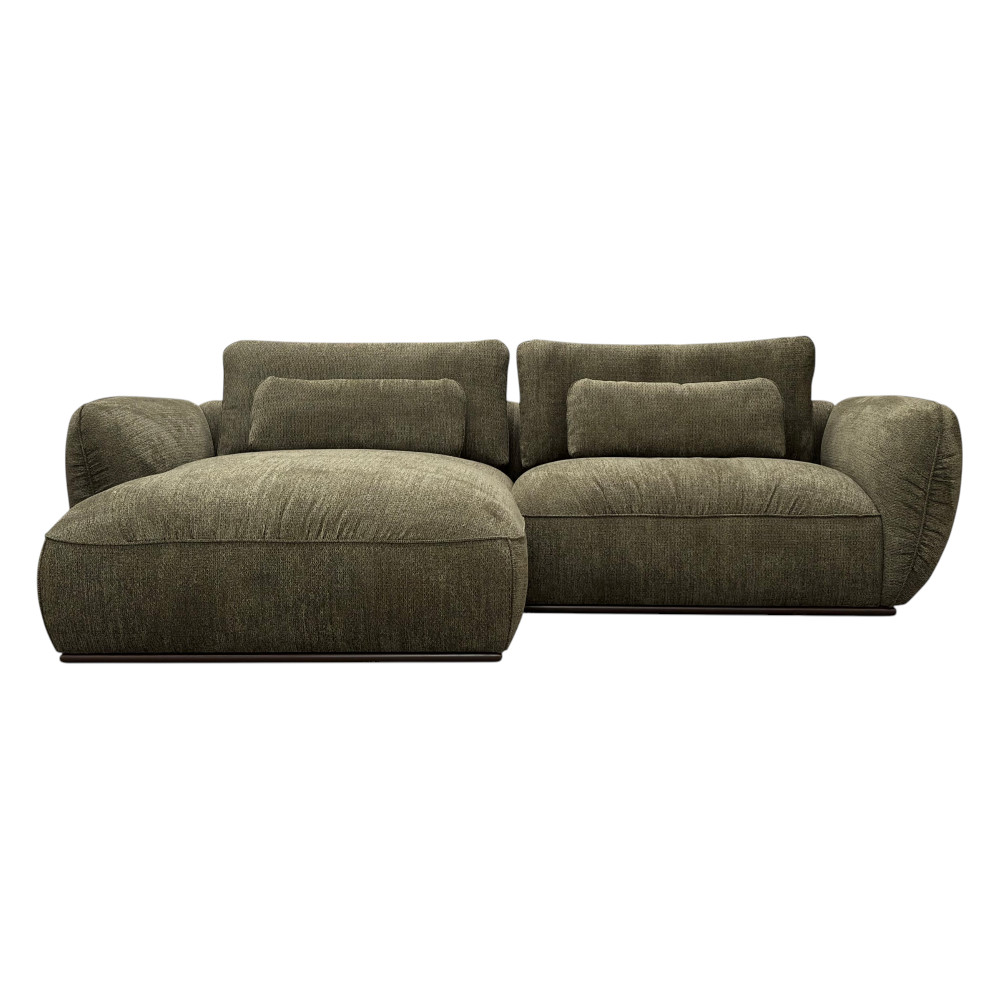
Ariana Corner Sofa Compare 2 Seater Corner Sofas £2,235.00 Find out more
-
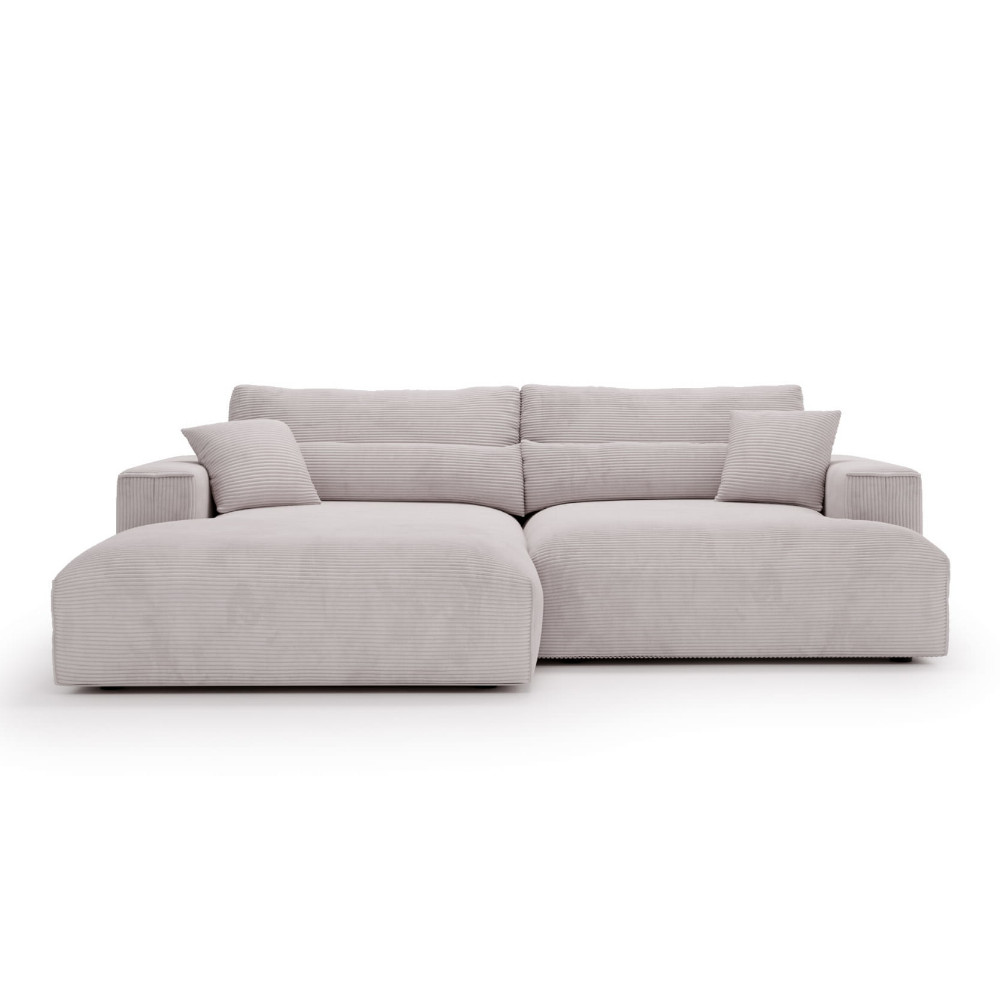
Felicia Corner Sofa Compare 2 Seater Corner Sofas £1,730.00 Find out more
-
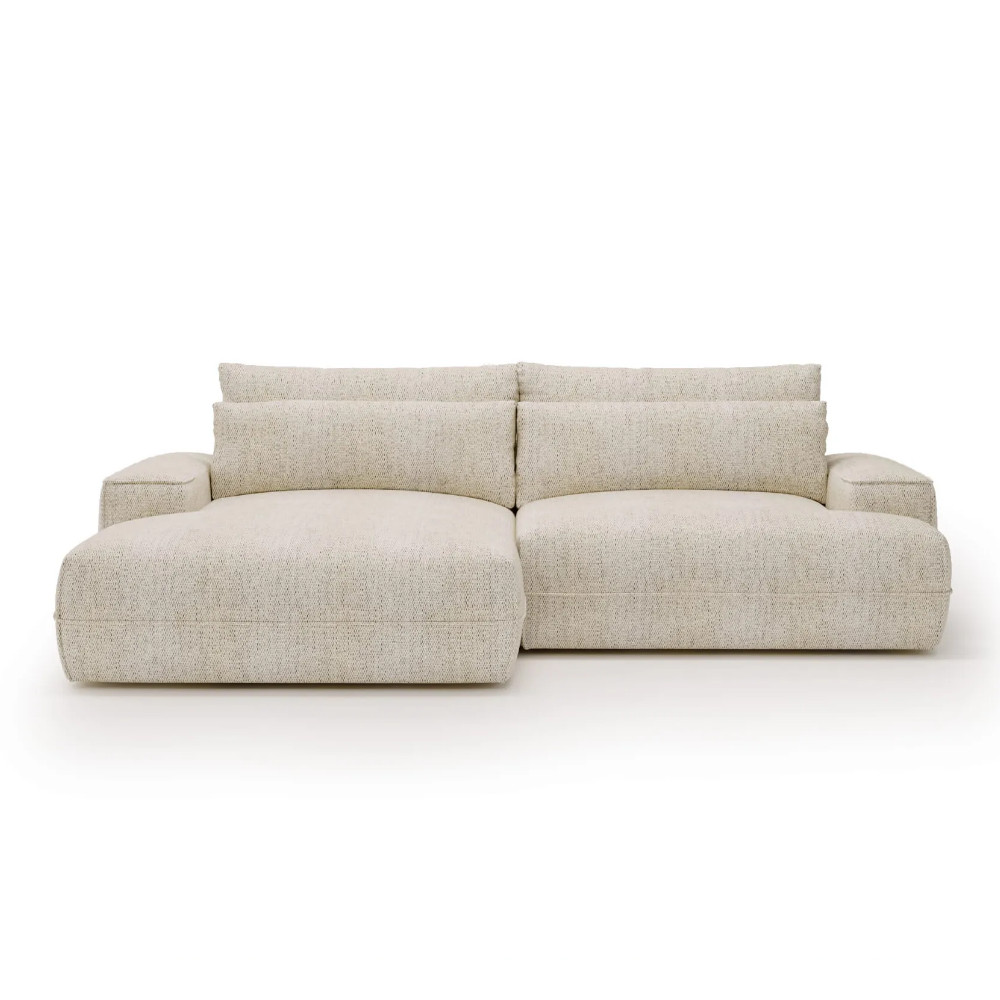
Fresh Corner Sofa Bed Compare 2 Seater Corner Sofas £1,115.00 £947.00 Find out more
-
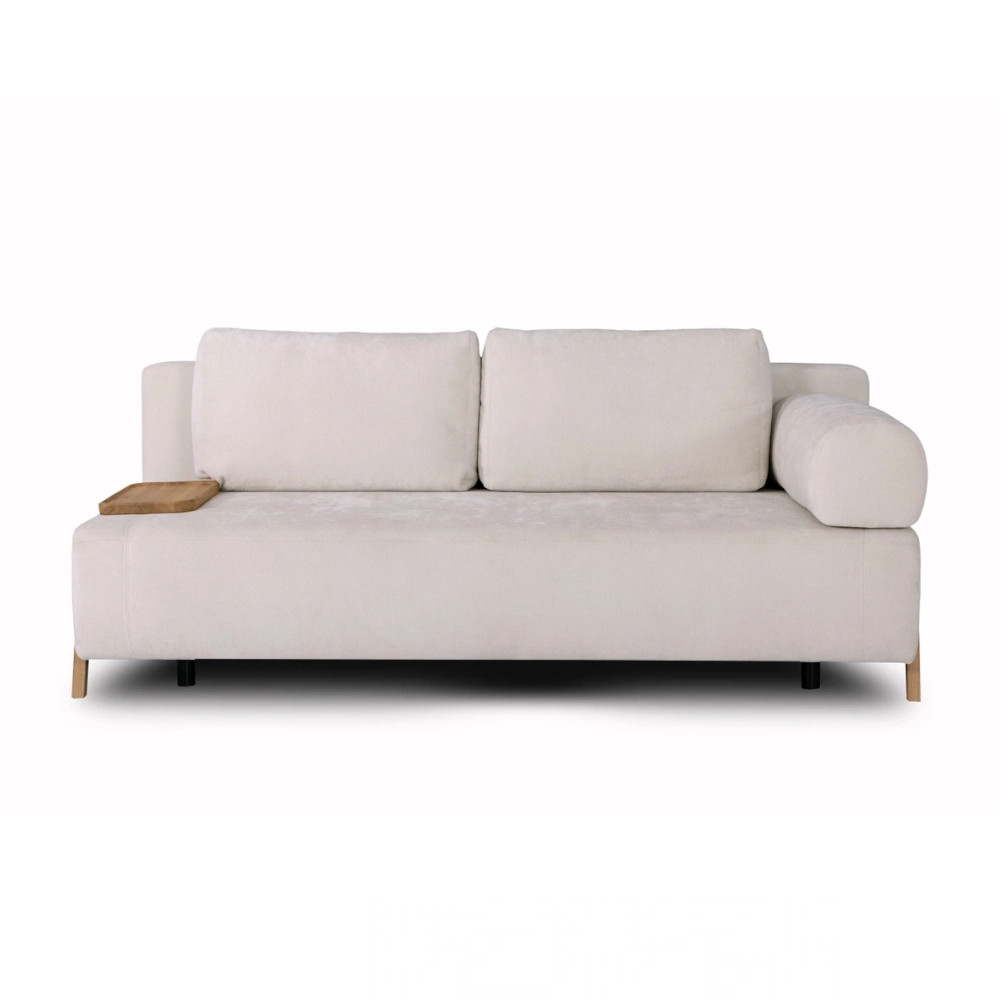
Tiny 2 Seater Sofa Bed Compare 2 Seater Sofas £1,400.00 Find out more
How to assess the room’s dimensions and floor plan?
Before diving into furniture shopping or rearranging your space, it’s essential to start with a thorough assessment of your living room’s dimensions and floor plan. This foundational step ensures that your living room layout will be both functional and visually appealing, no matter if you’re working with a long rectangular living room, a narrow living room, or a formal living room that connects to a dining room or other spaces.
Begin by carefully measuring the length and width of your rectangular living room, taking note of any architectural features such as windows, doors, hallways, or a fireplace. Pay special attention to the placement of entry points like the front door or french doors, as these will influence the natural flow and traffic patterns within the room. Mark out any fixed elements—like built-in shelves or radiators—that could impact where you place furniture.
Browse our top-rated designs
-
Pearl Corner Sofa Bed Compare All Corner Sofas £2,150.00 Find out more
-
Felicia Corner Sofa Compare 2 Seater Corner Sofas £1,730.00 Find out more
-
Moved XL 4 Seater Corner Sofa White Cream Tilia 03 Compare 3 Seater Corner Sofas £2,120.00 Find out more
-
Ariana Corner Sofa Compare 2 Seater Corner Sofas £2,235.00 Find out more
-
Tiny 2 Seater Sofa Bed Compare 2 Seater Sofas £1,400.00 Find out more
-
Fresh Corner Sofa Bed Compare 2 Seater Corner Sofas £1,115.00 £947.00 Find out more
Think about how your connects to other rooms
Next, consider how the room connects to the rest of your house. If your living room opens into a dining room or another area, think about how to create zones that feel distinct yet cohesive. Identify the focal point of your rectangular room—whether it’s a fireplace, a large window, or a striking piece of wall art. It will help anchor your layout and guide the arrangement of your seating area and entertainment center.
When planning your floor plan, visualize how you want to use the space. Do you need a cozy reading nook, a formal seating area for guests, or a flexible zone for games and family activities? For a long living room layout, consider dividing the space into two zones. One for relaxing and watching TV, and another for dining or conversation. In a long narrow living room, using area rugs or a game table can help break up the space and add visual interest.
Decide on your furniture essentials
Think about the size and shape of your furniture. A larger sofa or sectional can help define the main seating area, while two armchairs or a small loveseat can create a more intimate setting in a narrow living room. Make sure to leave enough space between pieces for easy movement—side tables and coffee tables should be accessible but not block walkways. For rooms with awkward spaces or long walls, try placing furniture at an angle or using decorative elements like plants to soften the lines and draw the eye upward.
Don’t forget to factor in the placement of your TV or media console. In a long rectangle living room, the viewing distance and angle are key for comfort. If you have a fireplace, consider whether the TV should share the same wall or be positioned on a different wall to create balance.
Ultimately, the best living room layout is one that suits your lifestyle and makes the most of your rectangular living space. Experiment with different layouts, use area rugs to define zones, and don’t be afraid to try out new ideas until you find the perfect example for your home. By taking the time to assess your room’s dimensions and floor plan, you’ll set the stage for a design journey that results in a beautiful, functional, and inviting living room you’ll love for years to come.
How to divide a rectangular living room into functional zones?
Zoning should be planned along the room’s axis while maintaining clear circulation paths. Creating different zones within the space helps address various functional needs, such as relaxing, working, or entertaining. Incorporating reading nooks and extra seating, like ottomans or movable chairs, can make the room more versatile and comfortable for different activities.
Functional zones can be defined using furniture placement, rugs and lighting rather than rigid partitions. Using area rugs is an effective way to define different zones within a long living room. Floating furniture can create a more intimate and intentional feel, while multi-functional items, such as storage ottomans, help minimize clutter and enhance flexibility. Subtle boundaries create structure while keeping the interior visually open and flexible. This approach works particularly well in open-plan or multi-purpose living rooms.
How to choose the right furniture for a oblong living room?
Furniture proportions are crucial in elongated interiors. Each piece should relate not only to the room’s size but also to its shape and style. Depending on your needs, you can choose one sofa, two sofas, or two chairs as the main seating elements—each is a great option for different layouts and styles. Extra seating, such as ottomans or movable chairs, is a great option for flexibility, allowing you to easily adapt the space for entertaining or relaxing.
The depth of the sofa and the visual weight of other elements matter greatly. Slim-profile seating or micro sofas create an illusion of airflow and make the room appear less bulky. L-shaped sectionals are an effective choice, maximizing corner space and serving as a soft divider between functional zones. Mixing seating options—like combining a sofa with two chairs or extra seating—can enhance traffic flow and comfort in a long living room. Incorporating decor and using different shapes and textures in furniture will break up the linear look, soften the rectangular feel, and add visual interest to the space. In very long rooms, bulky furniture should be avoided, as it disrupts flow and limits flexibility.
Where should the sofa be placed in a rectangular living room?
Placing sofas parallel to the longer wall or along the back wall is often the most practical solution, and you can choose between using one sofa or two sofas depending on your needs. Positioning a sofa across the width of the room helps visually break up long lines and makes the room feel wider. Both one sofa and two sofas can act as natural dividers between zones or define areas within an open-concept space.
To create an intimate conversational area, arrange sofas and chairs to face each other. This setup not only optimizes space but also enhances room functionality and flow. Additionally, arranging furniture around a key element, such as a fireplace or TV, helps establish a focal point in the living room. The relationship between the sofa, rug, coffee table, and television should always form a clear and comfortable seating area.
How can colours and accessories improve the proportions of a orthogonal living room?
Choosing a cohesive style and decor is a great option for improving the proportions of a rectangular living room. Wall colours can visually correct proportions—painting the shorter end walls a darker shade than the long walls visually pulls the ends together, making the room feel more square, while lighter tones along longer walls enhance brightness.
Placing a large mirror on a long wall or opposite a window reflects natural light and creates an illusion of greater width. Flooring direction, rugs, and textiles also influence perception. When arranging accessories and art, use the ‘3-5-7’ rule by grouping items in odd numbers to create dynamic visual interest. Introducing circular shapes, such as round tables or mirrors, and incorporating different textures in your decor can soften the room’s straight lines and add visual appeal. A cohesive color palette with warm tones is a great option to enhance the feeling of coziness in the living room.
Accessories should be placed intentionally, as mirrors and decorative accents can enhance depth when used with restraint. Thoughtful colour balance prevents the room from feeling either too long or too narrow.
How to plan lighting in a rectangular living room?
A single ceiling light rarely works well in elongated spaces. Multiple light sources create balance and improve comfort. Using vertical decor elements, such as tall shelving or wall art, is a great option for adding interest. They’ll draw the eye upward in a rectangular living room.
Floor lamps, wall lights and subtle LED accents help define zones and add depth. Side lighting reduces shadows and highlights key areas, making the room feel more welcoming and evenly proportioned. Adding tall shelving units or floor-to-ceiling cabinets not only provides ample storage without occupying floor space, but also enhances the sense of visual height and makes use of vertical space.
Frequently asked questions about oblong living room layouts
Rectangular living rooms raise many practical questions during the planning stage. Below are clear answers to the most common concerns. Layout ideas for a long space, solutions for awkward space, and tips for optimizing traffic flow and walkways.
How do I arrange furniture in a long rectangular living room?
Start by thinking about the functional needs of the space. Decide how you want to use each zone, whether for entertaining, relaxing, or working. Avoid pushing all furniture against the walls. Instead, allow some pieces to float away from the walls to create a more intimate and inviting atmosphere. This approach helps break up a long space and makes it feel intentional. Use area rugs to define different zones and improve visual balance. Always ensure there is a clear walk path to maintain good traffic flow and prevent tripping over furniture.
Identify any awkward spaces, such as corners or narrow ends. Consider layout ideas that turn these areas into functional zones. Use stuff like a reading nook, a small workspace, or extra seating. Floating furniture and using area rugs can help integrate these spaces into the overall design, while maintaining a natural flow.
How can I improve traffic flow in a long living room?
Arrange furniture to create clear, unobstructed walkways between zones. This not only supports comfortable movement but also addresses the functional needs of everyone using the space. Floating furniture and strategic placement of area rugs can help guide the walk through the room and prevent congestion.
How do I make a long narrow living room feel cozy?
Float furniture away from the walls to avoid a corridor effect. Use area rugs to define zones and create a more intimate, intentional feel. Focus on creating a natural flow to avoid tripping hazards and ensure the space feels welcoming and functional.
How do you arrange a rectangular living room?
Start by defining the purpose of your living room. Knowing how you want to use the space helps you arrange furniture effectively. Identify the main functions and zones, then arrange furniture to support natural movement and balance. Pay special attention to any awkward space, using layout strategies to make these areas functional and visually appealing. Optimizing traffic flow is also key—ensure there are clear pathways for easy movement throughout the room.
How should furniture be positioned in a rectangular living room?
Avoid lining everything along one wall. When positioning sofas and chairs, use them to shape zones while keeping walkways clear. Make sure to maintain clear pathways of at least 30–40 inches wide to allow for comfortable walk paths through the room.
How can a orthogonal room look more square?
Use colour contrast, transverse furniture placement, and well-sized rugs to adjust proportions visually. Paint the back wall in a darker shade than the long walls. This visually pulls the ends of the room closer together. This will make the room feel more square. Place a large mirror on a long wall or opposite a window. This reflects natural light and creates the illusion of a wider space. Positioning a sofa across the width of the room helps break up long lines and makes the space feel wider.
How do you divide a rectangular living room into zones?
Use rugs, lighting, and furniture positioning instead of walls to keep the space open. Creating different zones—such as seating areas, reading nooks, or spaces with extra seating—can make a rectangular living room more functional and flexible. Area rugs are especially useful for defining these zones, helping to visually separate spaces for relaxing, working, or entertaining. Floating furniture away from the walls creates a more intimate, intentional feel. It helps define each zone while keeping the layout open.
What colours and accessories work best in rectangular living rooms?
Light colours, controlled contrast, and well-placed accessories help improve proportions and comfort. Choosing a cohesive style and decor is essential for creating a harmonious and personalized space. When arranging accessories and art, use the ‘3-5-7’ rule—grouping items in odd numbers—to add dynamic visual interest. Incorporate circular shapes, such as round mirrors or tables, to soften the straight lines typical of a rectangular room. A cohesive color palette with warm tones can further enhance the feeling of coziness and unity in your living room.
Creating a balanced rectangular living room
A rectangular living room can be both practical and visually appealing when planned correctly. Clear zoning, well-chosen furniture proportions, thoughtful sofa placement and layered lighting make a significant difference. Colours and accessories should support the room’s geometry rather than compete with it. By applying these principles, you can create a space that feels balanced, comfortable and suited to everyday living.