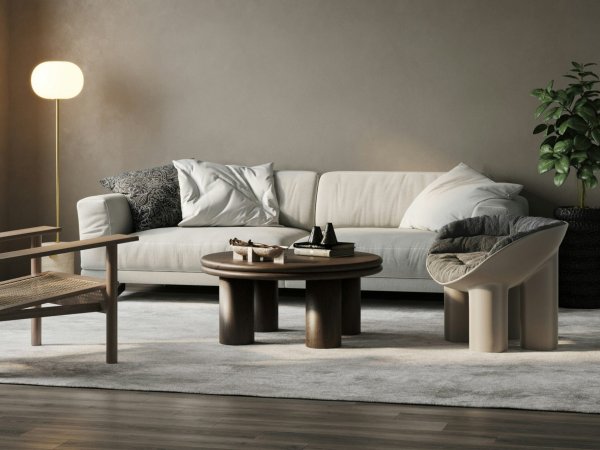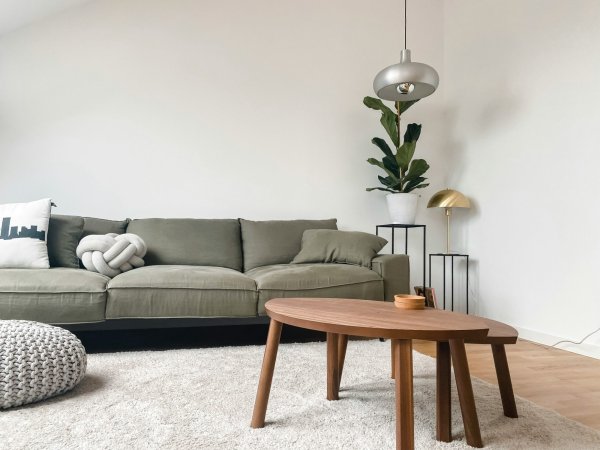
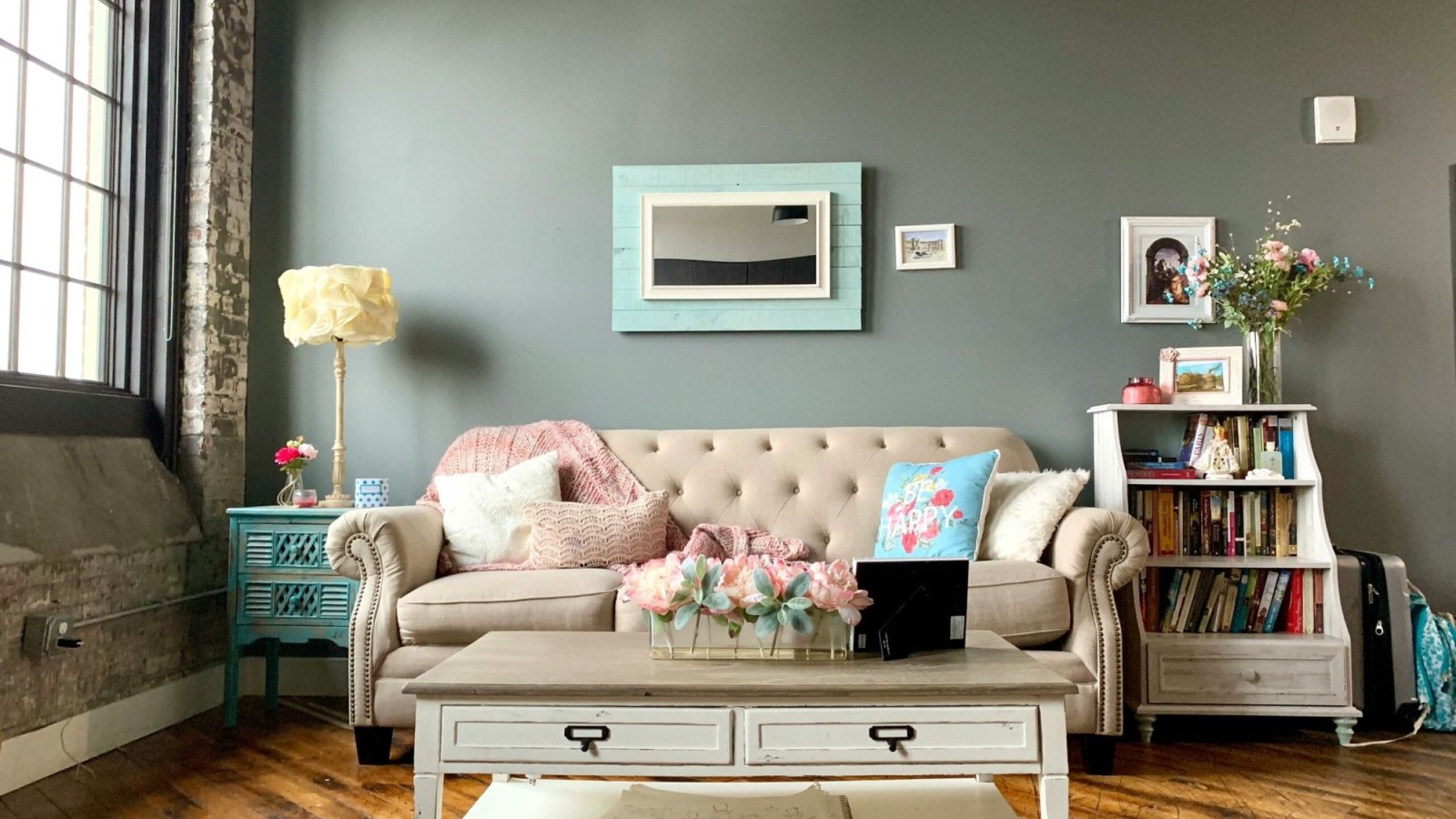
A square living room often seems simple to arrange, yet it can feel confusing in practice. The lack of clear direction makes furniture placement harder and often leads to awkward layouts. This guide is your design journey, guiding you step by step through transforming your square living room into a stylish and functional space. Here, you’ll find practical tips on planning, zoning, furniture selection, colours, and lighting. Read on and discover how to create a balanced, functional square living room.
Before you start arranging furniture or making design decisions, remember that measuring the room accurately is an essential first step to ensure everything fits and works together harmoniously.
Introduction to Square Living Rooms
A square living room presents both unique challenges and exciting opportunities for interior design. With equal dimensions on all sides, these rooms can sometimes feel tricky to arrange, as there’s no obvious direction for furniture placement or natural flow. However, with thoughtful planning, a square living room can become a versatile and inviting space that serves multiple functions. The key is to create distinct zones for different activities—such as a cozy seating area for family time, a dedicated dining area for meals, or even a reading nook or study area for quiet moments.
Strategic use of area rugs, wall art, and smart furniture placement helps define these zones and brings a sense of order to the room. In a large square living room, you might use a console table or a media console to subtly separate spaces, while in a small living room, multi-functional furniture can maximize every inch. By considering the room’s proportions and purpose, you can design a layout that feels balanced, functional, and stylish.
Why can a square living room cause design challenges?
A square room presents a tricky layout, as it has no natural axis to guide the arrangement. Square rooms often have limited floor space because the walls are the same size or nearly so. This often encourages pushing furniture against every wall. The centre then feels empty or, in some cases, overcrowded.
Another issue is defining a clear focal point. Without it, the room lacks structure and purpose. Circulation paths also become unclear, which affects daily comfort. Architectural features like doorways and large windows can further complicate the layout.
What mistakes are most commonly made when arranging a square living room?
Many layouts rely on symmetry that looks neat but feels impractical. Identical furniture on all sides can limit movement and flexibility. Oversized sofas also reduce usable space quickly. Ruthlessly editing clutter is important for creating a comfortable, multi-functional square living room.
Another mistake is placing the sofa in the exact centre without a reason. Poorly planned lighting then amplifies the problem. A single ceiling light rarely supports functional zoning. It’s also important to thoughtfully fill the space to avoid awkward, unused areas, while maintaining balance and flow.
Explore our bestselling sofas
-
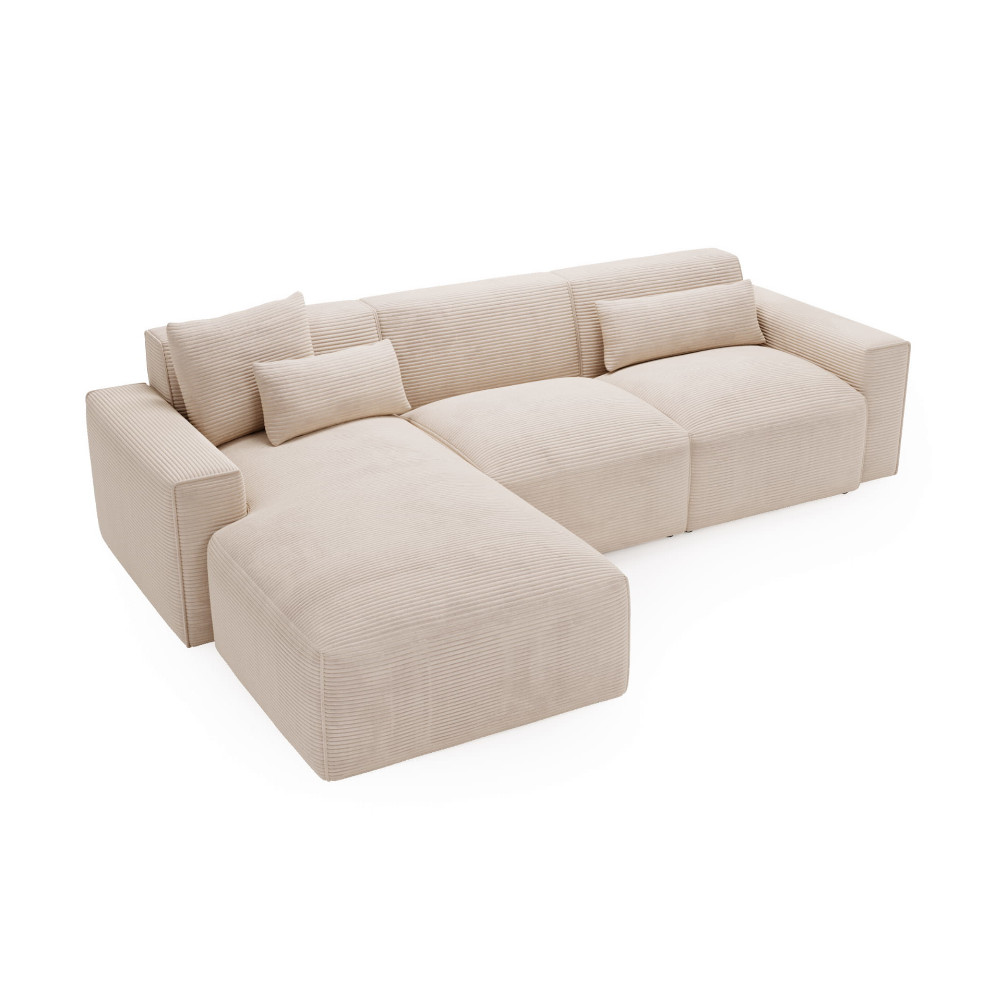
Pearl Corner Sofa Bed Compare All Corner Sofas £2,150.00 Find out more
-
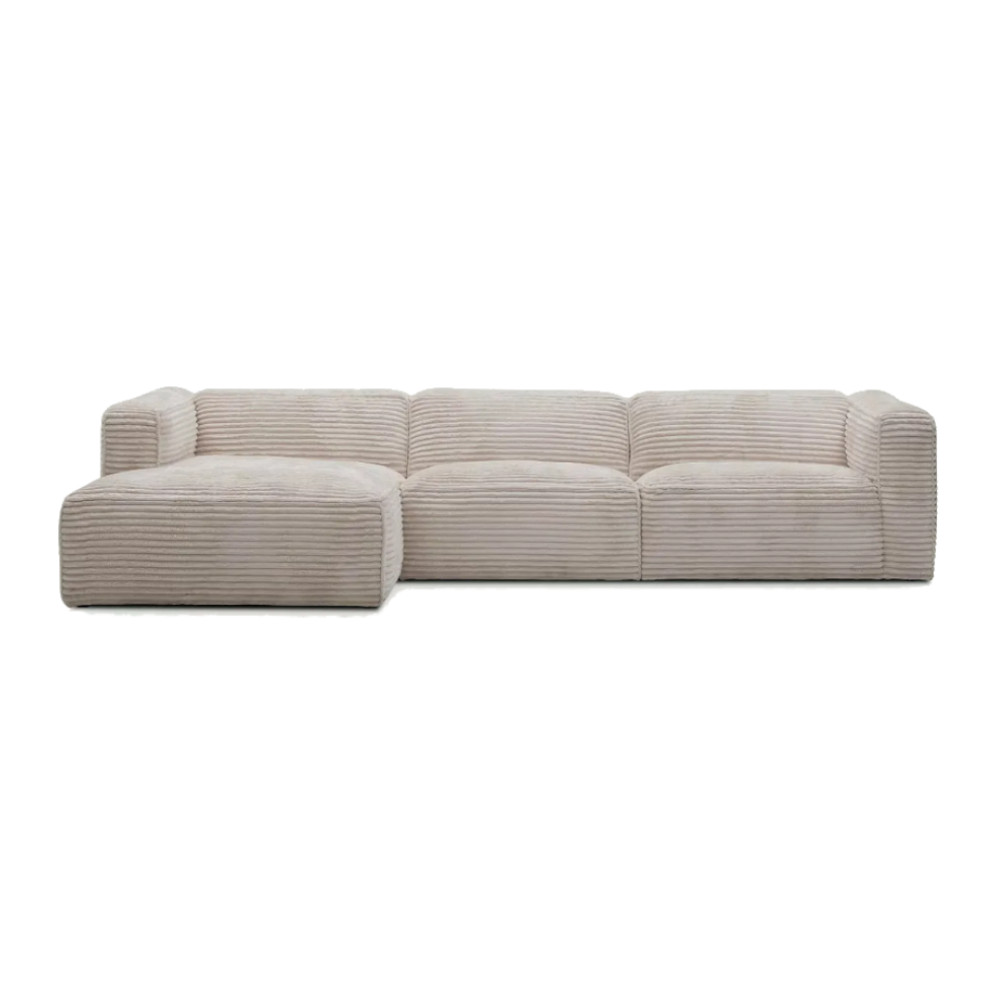
Moved XL 4 Seater Corner Sofa White Cream Tilia 03 Compare 3 Seater Corner Sofas £2,120.00 Find out more
-
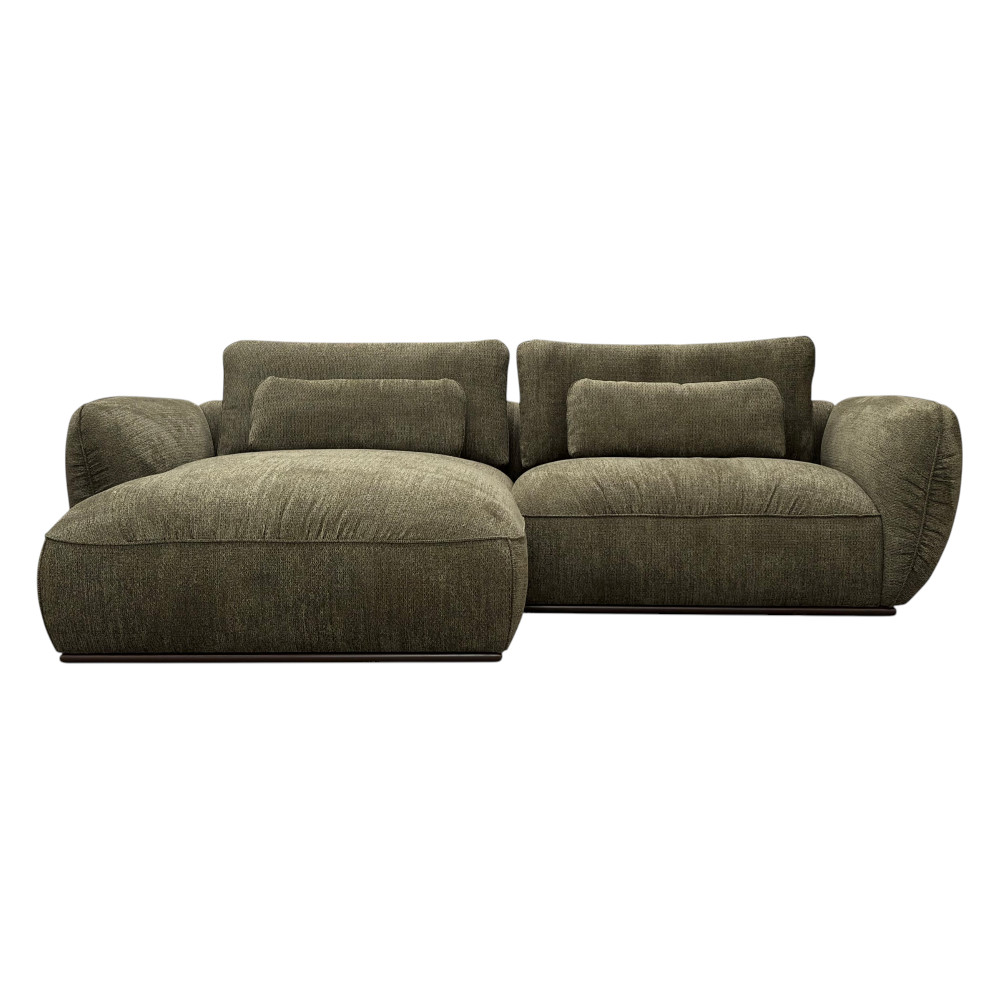
Ariana Corner Sofa Compare 2 Seater Corner Sofas £2,235.00 Find out more
-
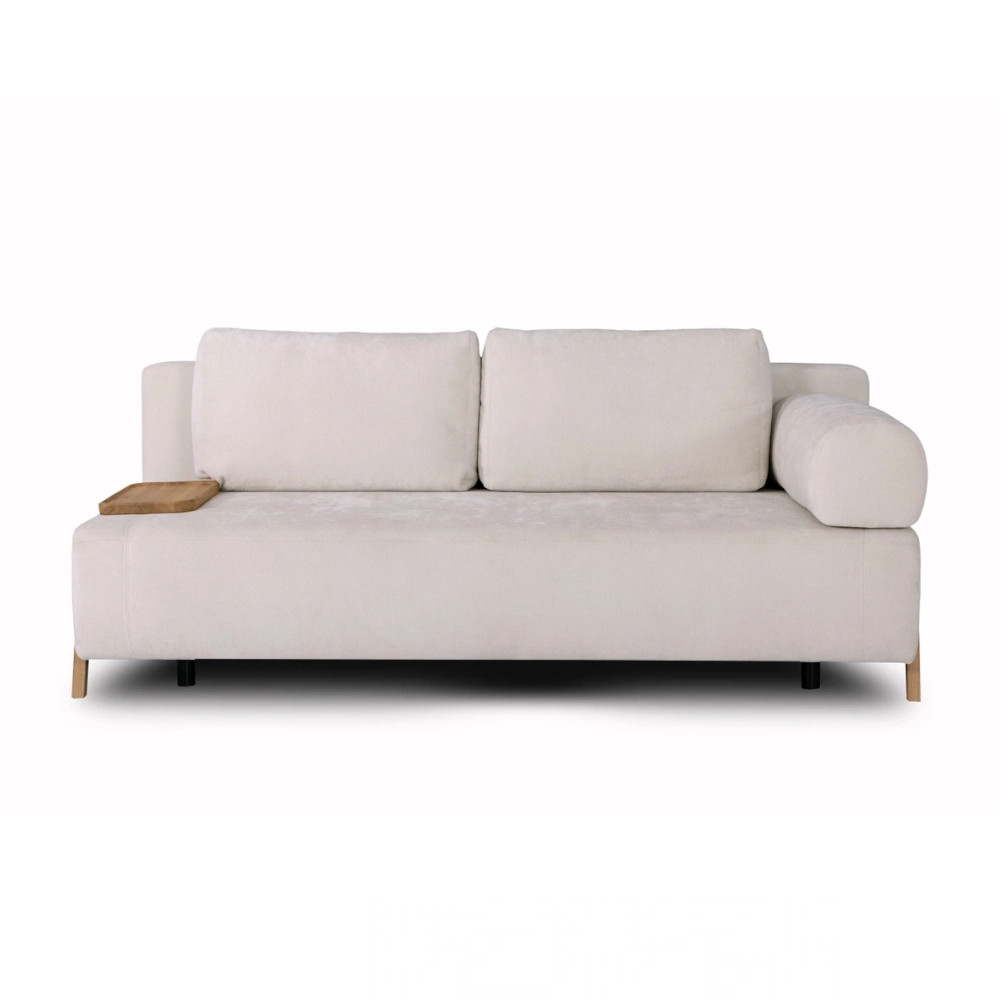
Tiny 2 Seater Sofa Bed Compare 2 Seater Sofas £1,400.00 Find out more
-
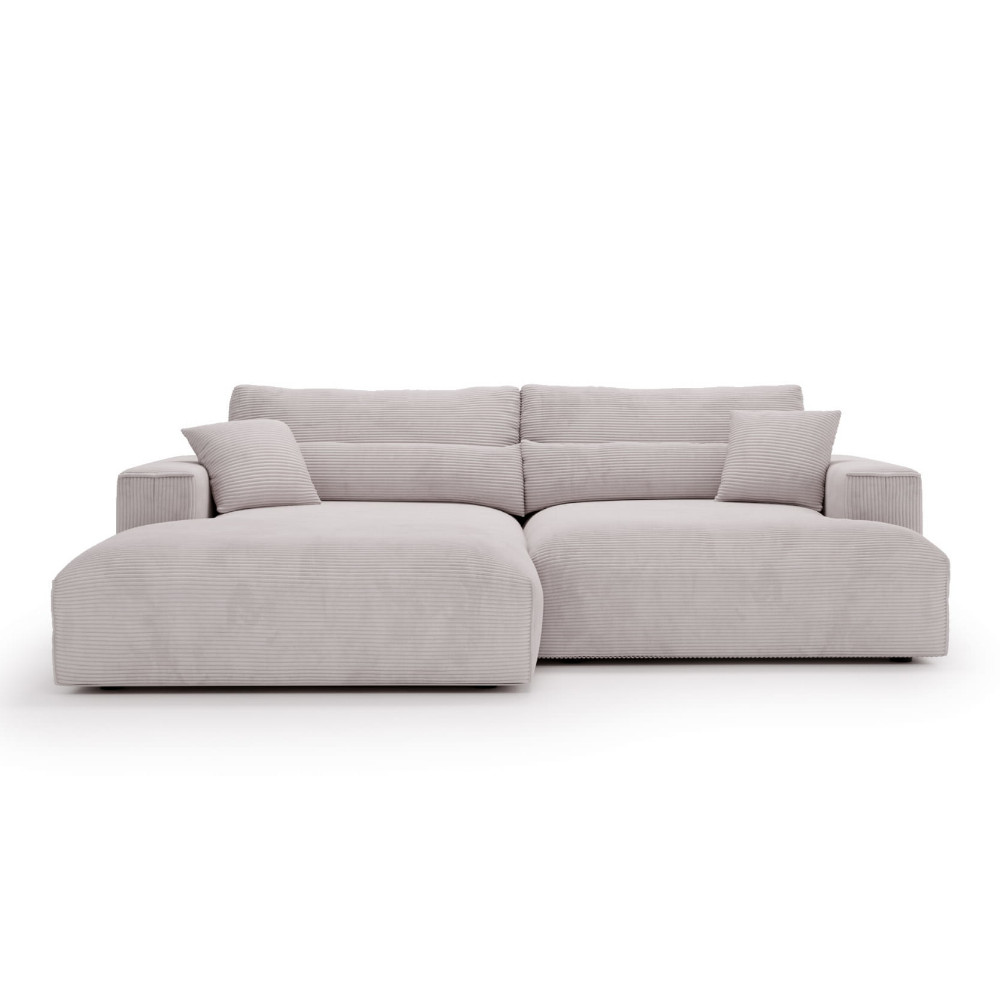
Felicia Corner Sofa Compare 2 Seater Corner Sofas £1,730.00 Find out more
-
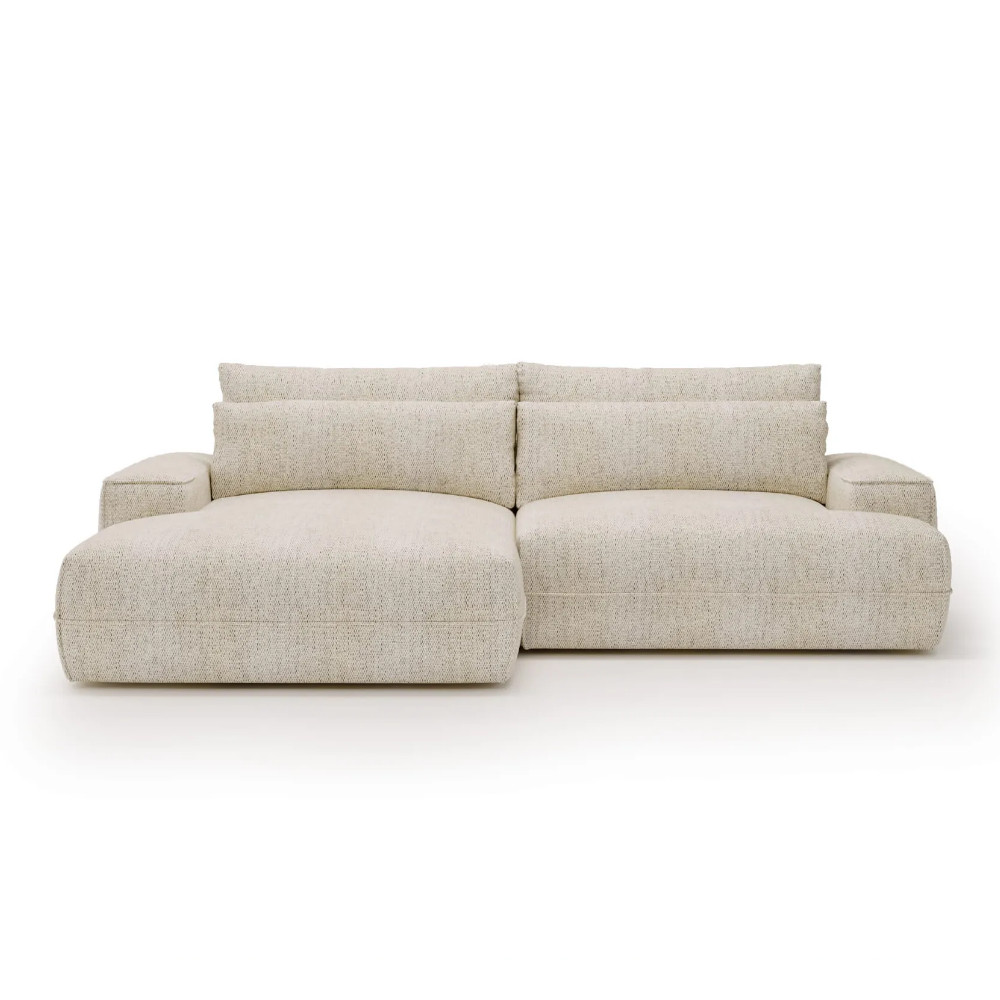
Fresh Corner Sofa Bed Compare 2 Seater Corner Sofas £1,115.00 £947.00 Find out more
How to plan the layout of a square living room and define functional zones?
Start by choosing one dominant element. This may be a sofa, rug, or coffee table. Before arranging, sketch a floor plan to visualize zones and furniture arrangement, ensuring optimal flow and functionality. Build the layout around this focal point.
Divide the room into zones with rugs, lighting, and how you place furniture. Float furniture away from walls to improve the flow and create an inviting feel. A relaxation area can sit beside a reading or work zone. Clear walkways help the space feel organised and calm.
See our best models
-
Tiny 2 Seater Sofa Bed Compare 2 Seater Sofas £1,400.00 Find out more
-
Pearl Corner Sofa Bed Compare All Corner Sofas £2,150.00 Find out more
-
Ariana Corner Sofa Compare 2 Seater Corner Sofas £2,235.00 Find out more
-
Moved XL 4 Seater Corner Sofa White Cream Tilia 03 Compare 3 Seater Corner Sofas £2,120.00 Find out more
-
Felicia Corner Sofa Compare 2 Seater Corner Sofas £1,730.00 Find out more
-
Fresh Corner Sofa Bed Compare 2 Seater Corner Sofas £1,115.00 £947.00 Find out more
Creating a Dining Area in a Square Living Room
Designing a dining area within a square living room requires careful attention to flow and furniture placement. To maintain a sense of openness and avoid blocking main pathways, position your dining table and chairs in a corner or along a wall rather than the center of the room. This approach not only creates a more intimate dining zone but also helps define the dining area as a distinct space within the larger living room.
Opting for a round or oval dining table can soften the room’s angular lines and make gatherings feel more welcoming. Enhance the area with a side table or a slim console table for added storage and visual interest. With thoughtful placement and the right furniture, your dining area can become a focal point that seamlessly integrates with the rest of the living room, supporting both everyday meals and entertaining guests while maintaining clear separation between different zones.
How to choose furniture that suits the layout and proportions of a square living room?
When arranging a square living room, consulting an interior designer can provide valuable advice on selecting furniture that optimizes both style and functionality. Chairs are essential for flexible seating arrangements, allowing you to zone the space and enhance comfort. Incorporating extra seating, such as a small ottoman, offers footrest functionality without overwhelming the room and can be easily moved as needed. Opt for furniture with slim arms and clean lines to maximize space, especially in smaller rooms.
Scale matters more than quantity in square rooms. Using larger furniture can actually create a more comfortable seating area in square living rooms, while too many large pieces create visual noise. A well-proportioned sofa paired with armchairs and extra seating options works better. Corner sofas help organise space when placed correctly. Modular furniture adds flexibility when needs change. Smaller complementary pieces improve balance without clutter.
Where should the sofa be placed in a square living room?
A sofa against the wall keeps the centre open and clear. For optimal layout in a square living room, center the furniture on the longest wall. This suits smaller square rooms. In larger spaces, placing the sofa slightly away from the wall or in the middle of the room creates a defined seating zone.
A corner arrangement often works best. It frames the area naturally. To establish a focal point, center the main seating around a fireplace, large window, or TV. A rug anchors the sofa, coffee table, and armchairs into one cohesive group.
How do colours and accessories affect the arrangement of a square living room?
A cohesive colour palette gives the room structure. For a balanced and harmonious look, use consistent colours and materials throughout the entire space. Neutral bases prevent visual overload. Accents then add depth and character.
Textiles, cushions, and artwork break monotony. Combine different materials such as velvet, wool, and linens to introduce depth. Use warm colours like beige, cream, and earthy tones to create a cozy atmosphere. Incorporate natural elements like houseplants and wooden furniture, drawing inspiration from a well-designed house, to enhance the inviting feel of the room. Repeating colours across zones creates flow. Accessories should support zoning, not distract from it.
How to plan lighting in a square living room?
Avoid relying on one central ceiling light. Use several light sources instead. Floor lamps, wall lights, and table lamps support each zone. Hang curtain rods high and wide to make windows appear grander and the room taller.
Introduce layered lighting to avoid harsh overhead light and create a warm glow. Layer ambient, task, and accent lighting to create warmth and a welcoming atmosphere. Lighting can also be used to highlight other architectural features, such as built-ins, fireplaces, or unique windows, enhancing the overall design.
Layered lighting improves proportions visually. Indirect light softens corners and adds depth. Good lighting makes the room feel larger and more welcoming.
Maintaining an Airy Feel in a Square Living Room
To keep a square living room feeling light and spacious, focus on maximizing natural light and choosing a palette of light-colored walls, floors, and furniture. These elements help reflect sunlight and visually expand the room. Keep clutter to a minimum and select furniture with clean lines to avoid overwhelming the space. Sheer curtains or blinds allow natural light to filter in while maintaining privacy, and well-placed table lamps or floor lamps add warmth without making the room feel heavy.
Be mindful of where you position larger furniture pieces like a sofa or media console—placing them against the wall or in a way that doesn’t block windows will help preserve an open atmosphere. By balancing light and dark tones and incorporating natural textures, you can create a harmonious, inviting space that feels both comfortable and visually interesting.
Creating Flexibility in Your Square Living Room Layout
Flexibility is key in a square living room, especially if the space needs to serve multiple functions. Choose multi-functional furniture, such as a storage ottoman or a sofa bed, to maximize utility without sacrificing style. Movable pieces like a console table or side table can be easily repositioned to accommodate different activities, from movie nights to family gatherings.
Area rugs are a great way to define different zones within the room and can be shifted as your needs change. An l shaped sofa or sectional can help create a cozy seating area, while a coffee table or side table adds both storage and visual interest. By incorporating adaptable elements and keeping the layout open, you can ensure your living room remains practical, comfortable, and ready for anything.
Considering the Best Flow for Movement and Functionality
Achieving the best flow in a square living room means ensuring that movement is easy and the space feels welcoming. Start by establishing clear main pathways that allow people to move freely between zones without obstacles. Arrange furniture like sofas and dining tables so they don’t block these routes or create bottlenecks. Rounded or curved pieces, such as a round coffee table or a curved sofa, can soften the room’s lines and enhance the sense of flow.
Make the most of natural light and architectural features—large windows or a fireplace can serve as focal points and add warmth to the space. By thoughtfully balancing furniture placement, natural light, and architectural details, you can create a living room layout that is both functional and visually appealing, supporting everything from daily routines to entertaining guests.
Frequently asked questions about arranging a square living room
Below you will find answers to common questions. They address planning, zoning, and colour choices.
How can I arrange a square living room to serve multiple functions?
The main room in your home, especially if it’s a square living room, can be arranged to serve multiple functions such as entertaining, dining, and relaxing. In open plan or open plan spaces, using multifunctional furniture—like sofa beds, storage ottomans, or extendable tables—helps maximize space and flexibility.
How do I make the most of corners and define dining areas in a square living room?
Utilize corners for functional spaces like reading nooks or small desks to make the most of every part of the room. To define dining spaces or create a dedicated dining room within a square living room, use rugs, lighting, or furniture placement to visually separate zones and enhance functionality.
What are some design tips for square living rooms with limited floor space?
Square rooms often have limited floor space because the walls are the same size or close to the same size. Incorporating vertical lines in decor—such as tall shelves, vertical paneling, or curtains—can enhance the visual flow and make the space feel taller and more open.
How do architectural features like doors and pass throughs affect furniture placement?
When planning furniture placement, consider the location of doors, the back wall, and any pass throughs to maintain clear pathways and avoid clutter. A principal designer recommends arranging larger pieces away from high-traffic areas and using the back wall for key elements to optimize both flow and functionality.
How do entryways and architectural details influence the look of a square living room?
The front door and other architectural features, such as large doorways or glass doors, can influence your color choices and the overall feel of the space. These elements set the tone for the room and should be considered when planning your design and decor.
How to arrange a square-shaped living room?
Start with one focal point and plan around it. Keep furniture grouped and circulation clear.
The main room, especially when it is a square living room, can be arranged to serve multiple functions such as entertaining, dining, and relaxing. In open plan spaces, using multifunctional furniture is especially effective to maximize space and flexibility.
How to divide a square living room into zones?
Use rugs, lighting, and furniture placement. Each zone should have a clear function. Consider utilizing corners for functional spaces like reading nooks or small desks. To improve zoning, define dining spaces by using different materials, textures, or strategic furniture arrangement, and if needed, create a dedicated dining room area within the square living room to separate eating from relaxation or work zones.
Is a square living room easier to arrange than a rectangular one?
Not always. Square rooms need stronger structure and clearer zoning.
How to arrange furniture in a square living room so it does not feel cluttered?
Limit large pieces and focus on proportion. Leave open space between zones. When arranging furniture, consider the placement of doors, the back wall, and any pass throughs to ensure clear pathways and avoid clutter. A principal designer recommends strategic furniture placement to maintain openness and functionality.
What colours work best in a square living room?
Neutral tones with controlled accents work best. They help define zones and maintain balance. The color and style of the front door, along with other architectural features, can also influence your overall color palette and the atmosphere of your square living room, so consider these elements when making your selections.