

Posted on June 18, 2026
How to Spot a Quality Sofa: 7 Things to Check Before You Buy
A quality sofa should feel solid, supportive, and well-finished from every angle. You can judge this quickly by checking key construction details before you buy. Focus on structure, comfort, and materials, not just appearance. Use this guide to avoid costly mistakes and choose a sofa that lasts.
Check 1–7: What Really Defines a High-Quality Sofa
1. Frame – the foundation of durability
The frame is the most important part of any sofa. A strong frame ensures long-term stability and comfort.
Look for a frame made from durable materials like manufactured wood or reinforced structures. Avoid frames that feel light or creaky when lifted.
2. Cushions – comfort and support combined
Cushions should offer both softness and resilience. Sit down and check how quickly they recover shape.
High-quality cushions often use foam with pocket springs or layered fillings for balanced support. Avoid cushions that sink too deeply or feel uneven.
3. Fabric – durability meets everyday use
The fabric determines both the look and lifespan of your sofa. It should feel pleasant but also withstand daily wear.
Choose fabrics with strong weave density or protective coatings that resist stains and moisture. Pet-friendly and hydrophobic materials are a practical option.
4. Stitching – small detail, big difference
Stitching reveals the level of craftsmanship. Poor stitching often leads to early wear and visible damage.
Check that seams are straight, tight, and evenly spaced without loose threads. Reinforced seams are a sign of careful production.
5. Legs – stability and structure
Sofa legs support the entire structure, so they must be solid and well-attached.
Look for legs that are securely fixed and made from durable materials. Avoid thin or unstable designs that may wobble over time.
6. Springs – hidden but essential support
Springs sit beneath the cushions and affect comfort and longevity. They distribute weight evenly across the seat.
High-quality sofas often use zig-zag or sinuous springs for consistent support. Poor spring systems lead to sagging and discomfort.
7. Warranty – confidence in craftsmanship
A warranty reflects the manufacturer’s confidence in the product. It also protects your investment.
A clear and structured warranty indicates trust in materials and construction quality. Always check what is covered before purchasing.
Browse our top-rated designs
-
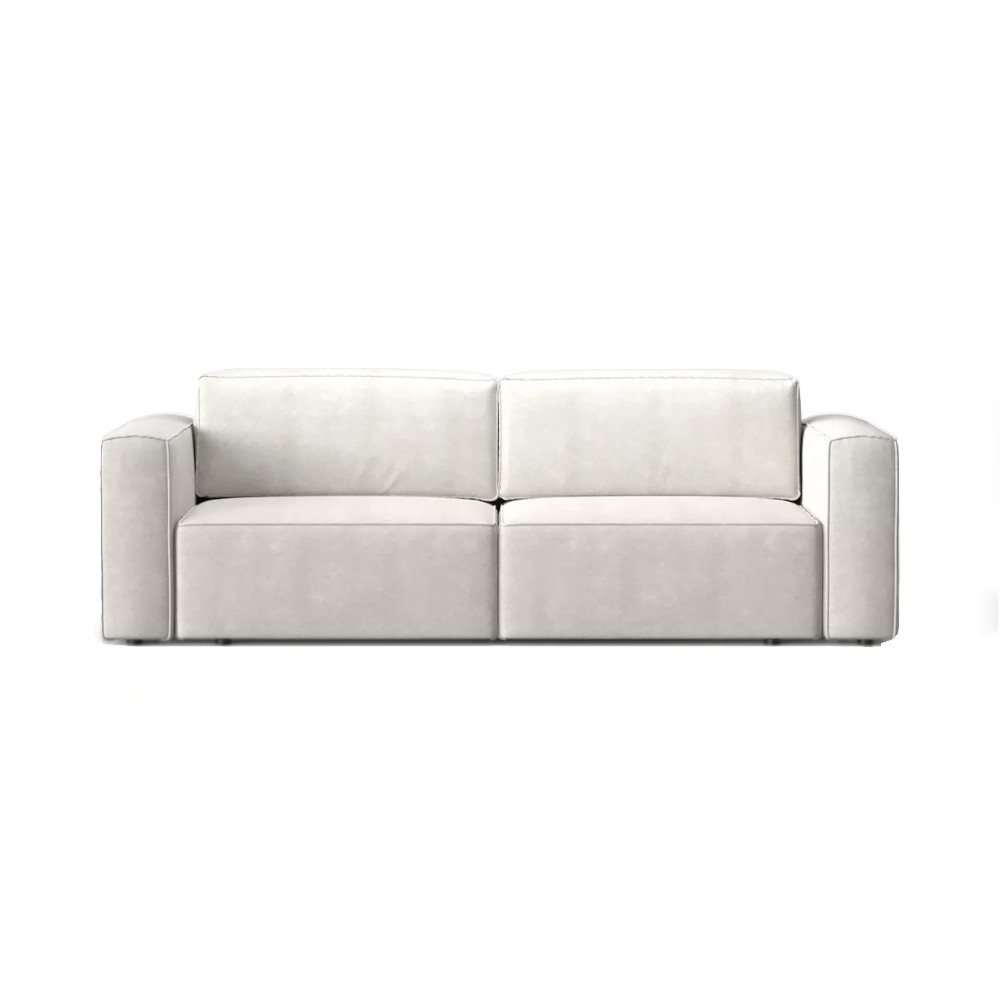
![Moved Night 3 Seater Sofa Bed Cream Castel 03]()
£1,100.00£943.00
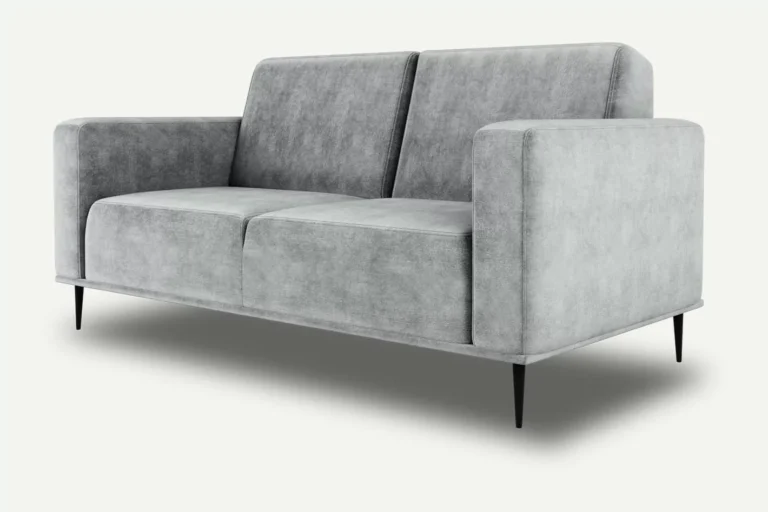
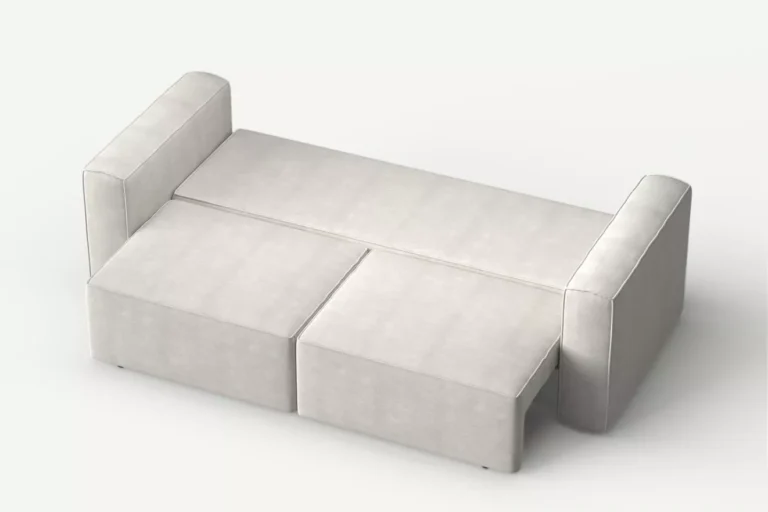
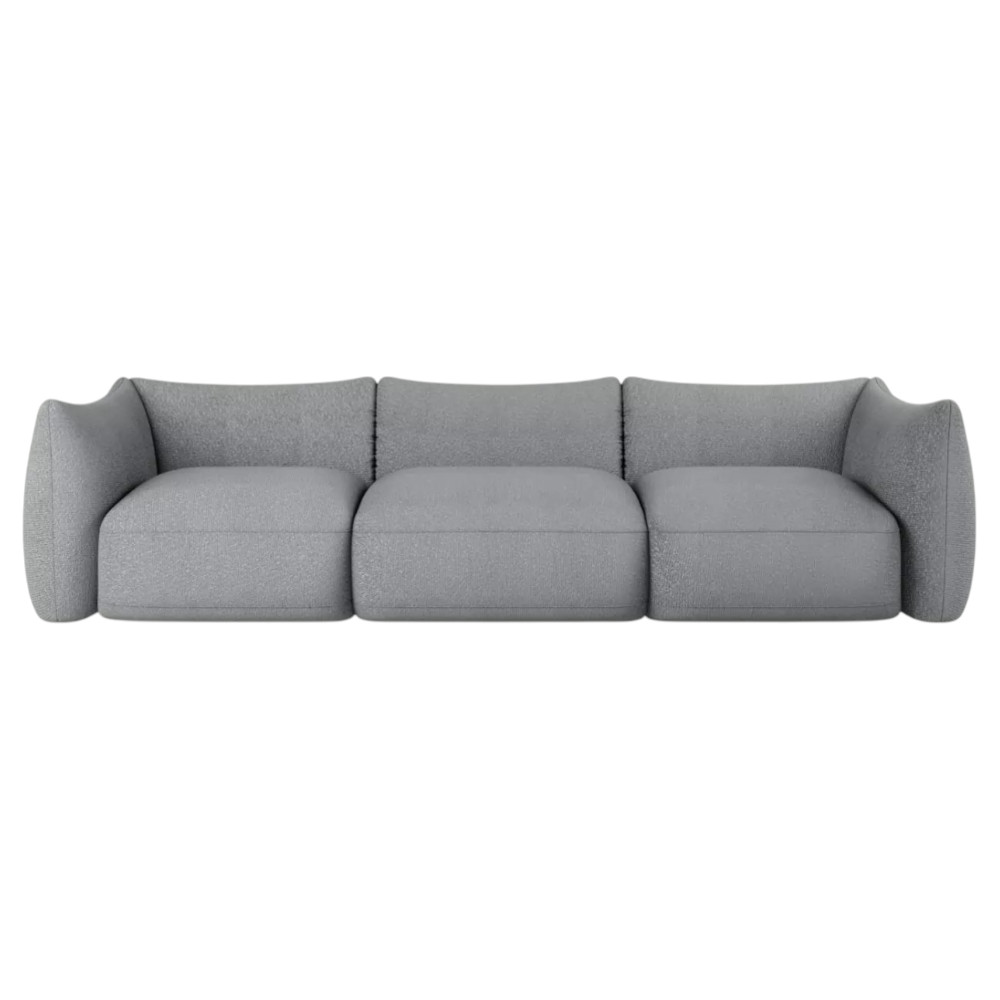
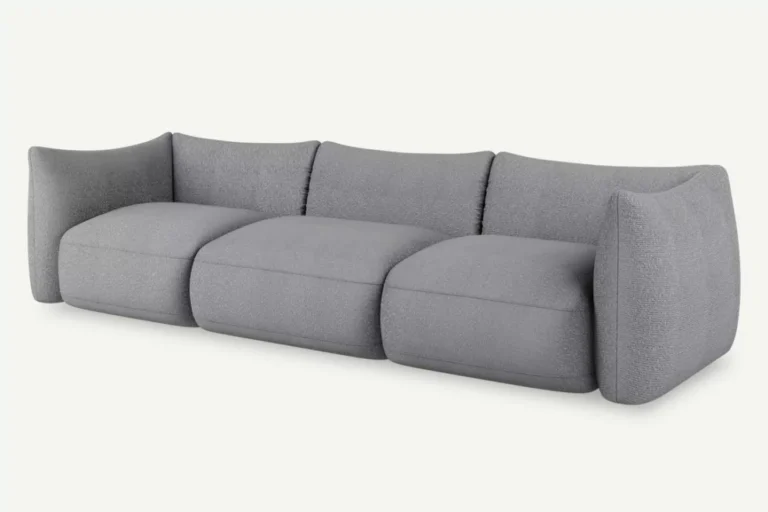
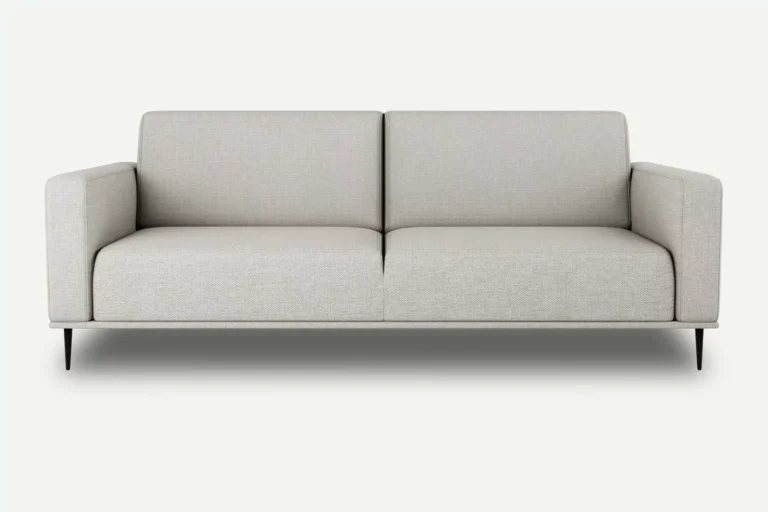
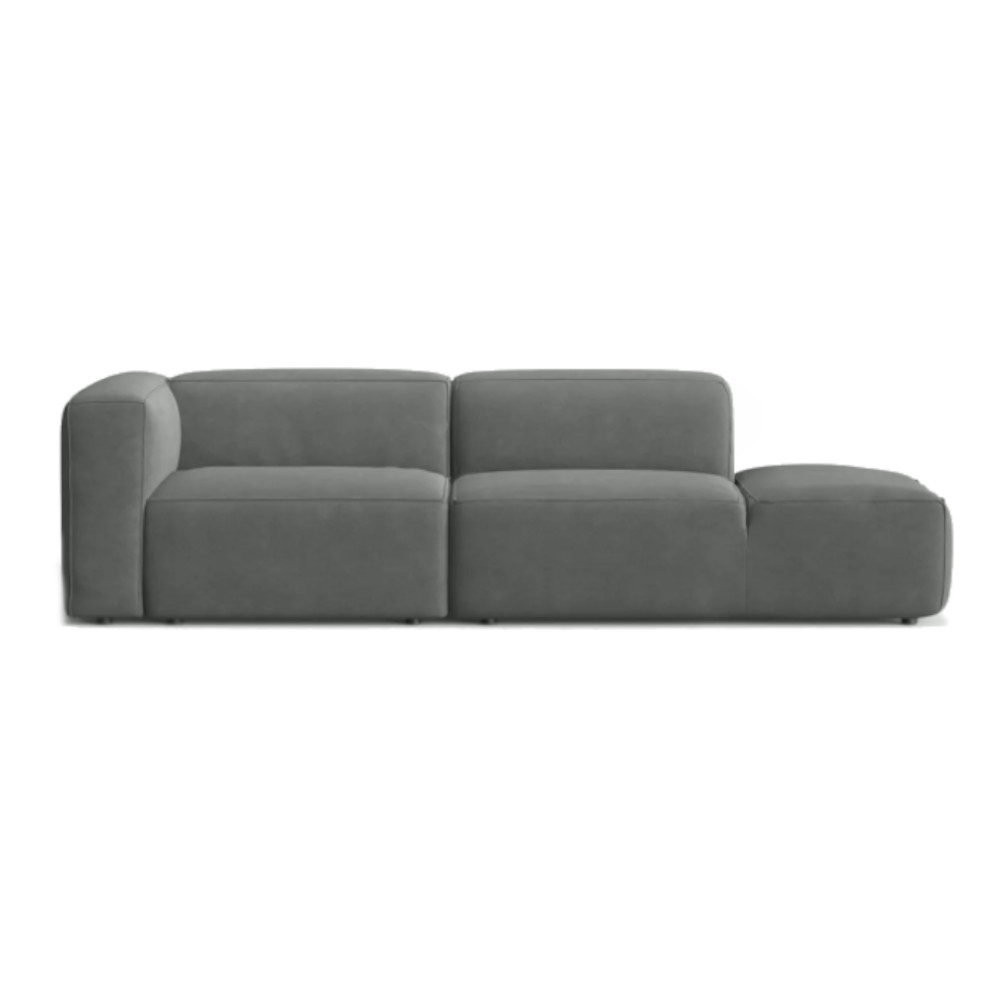
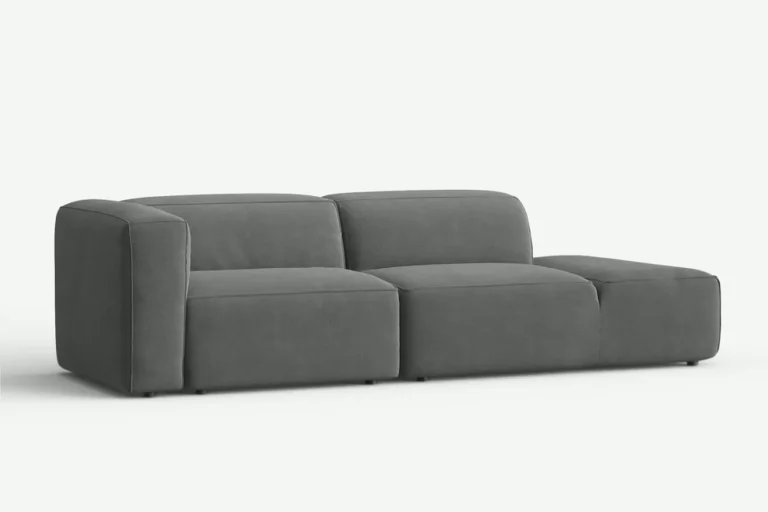
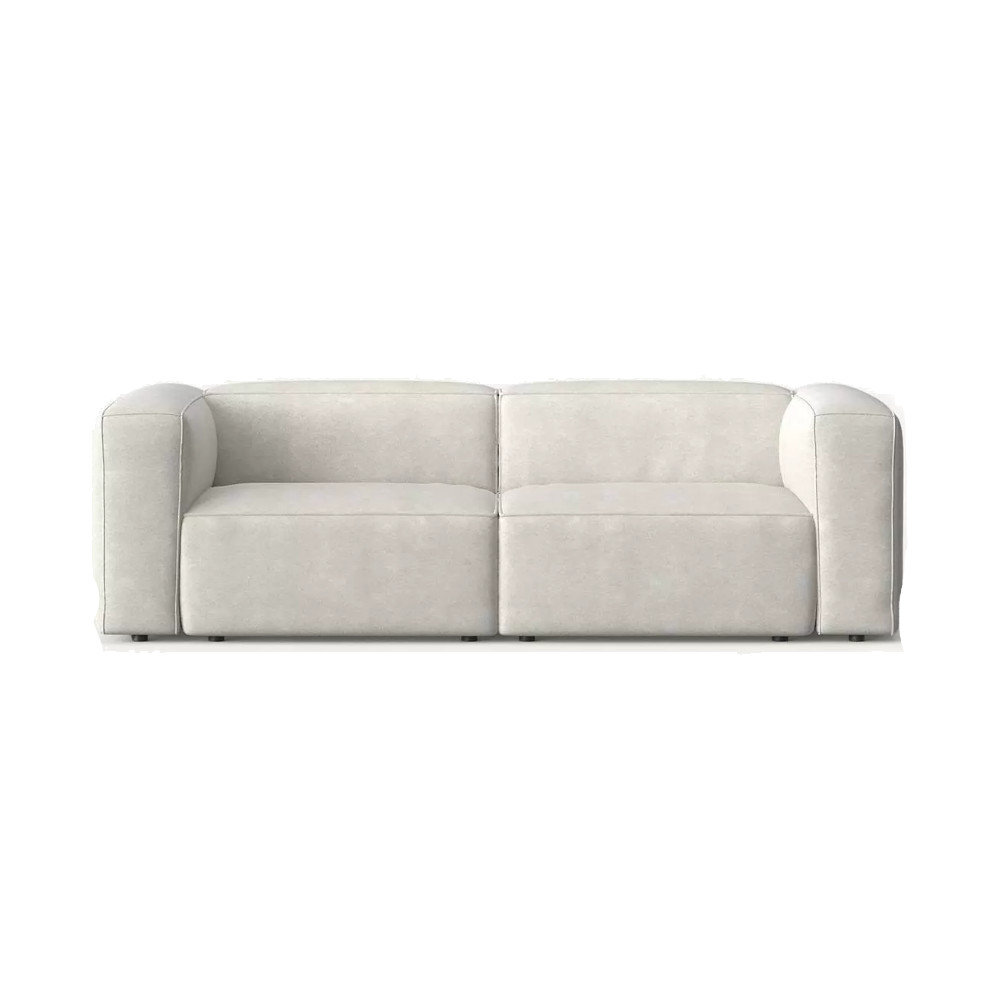
Red Flags to Watch For
Some issues are easy to spot and should raise immediate concern.
A lightweight frame, uneven cushions, or visible gaps in stitching often signal poor quality.
Be cautious if the sofa creaks when you sit or move it. This suggests weak internal construction.
Low-quality fabric that feels thin or rough may wear out quickly and lose its appearance.
Another warning sign is inconsistent finishing. Misaligned seams or unstable legs indicate rushed production.
If multiple small flaws appear, the overall build quality is likely compromised.
FAQ
Before buying a sofa, many shoppers have similar concerns. Here are clear answers to the most common questions.
How can I quickly tell if a sofa is good quality?
Start by testing the frame and cushions. A solid structure and supportive seating are key indicators.
Check stitching and fabric closely. Small details often reveal the true build quality.
What is the most important part of a sofa?
The frame is the most important element. It determines durability and long-term performance.
Without a strong frame, even high-end materials will not last.
Are expensive sofas always better quality?
Not always. Price does not guarantee quality.
You should always inspect construction, materials, and finishing rather than relying on cost alone.
How long should a good sofa last?
A well-made sofa should last many years with proper care.
Durability depends on frame quality, cushion structure, and fabric performance.