Posted on December 4, 2025
How to choose the right size sofa and fit it into your space?
Choosing the right sofa size is one of the most important decisions when planning your living space. You need to understand what size sofa I need. Many homeowners search for “what size sofa for living room” because choosing the right dimensions is essential for creating a comfortable and well-balanced space. The goal is simple: find a sofa that looks great, feels comfortable, and fits the room without overwhelming it. Below, you’ll find a complete guide to reading dimensions, measuring your home correctly, and selecting the ideal sofa size for any type of space.
Expert Advice – Arkadiusz Gallewicz, CEO of Furniture Story:
“Before choosing a sofa, measure both the room and the access routes, ensuring at least 70–80 cm of clear width through hallways and doorways; this single step prevents most fit-related issues and guarantees a smoother delivery experience.”
How to read sofa dimensions? Key parameters
Understanding sofa measurements is essential when browsing models online or in-store. A standard product description usually lists standard sofa dimensions including width, depth, height, and seat height, sometimes followed by additional details such as chaise length or armrest height. Width determines how much wall space the sofa will occupy, depth influences how far it extends into the room, and height affects how the sofa interacts with windowsills or shelving.
Dimensions can vary significantly even between similar sofa types, so it’s worth comparing more than one model. For larger designs such as corner sofas or U-shape sofas, pay special attention to the side placement (left-hand or right-hand orientation) and the full footprint of the configuration. This ensures the sofa not only fits visually but also maintains comfortable pathways within the room.
What are the standard sizes of sofas?
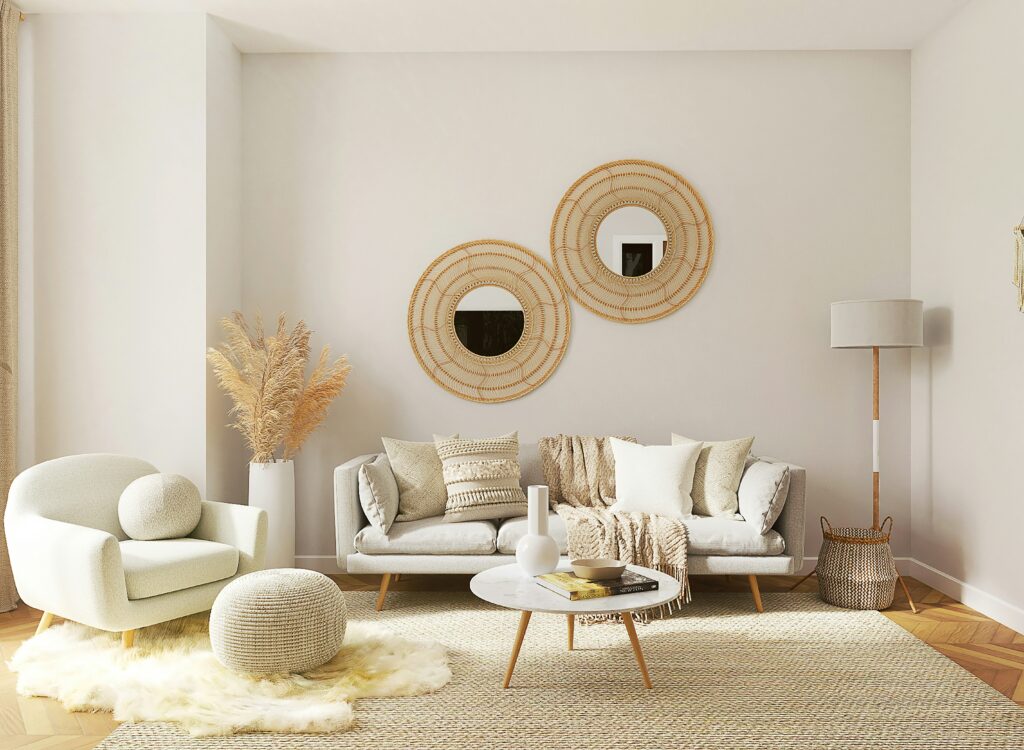
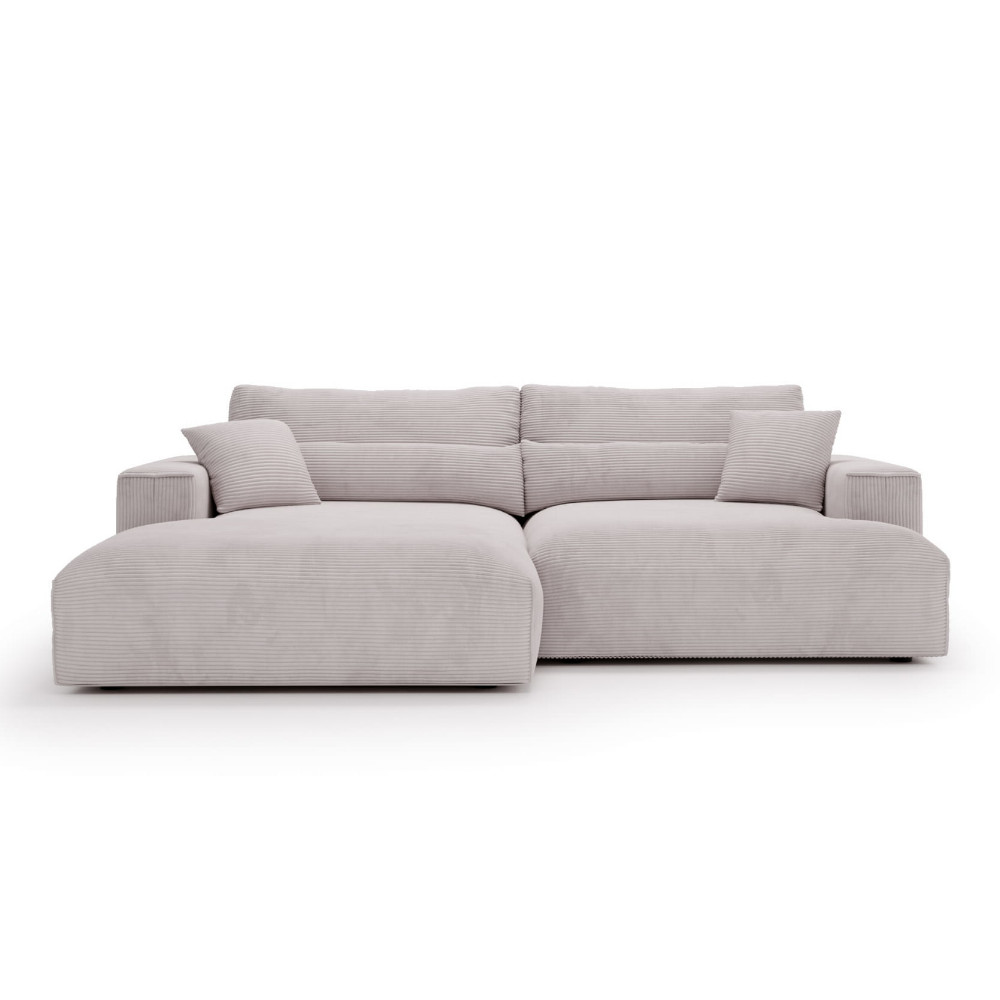
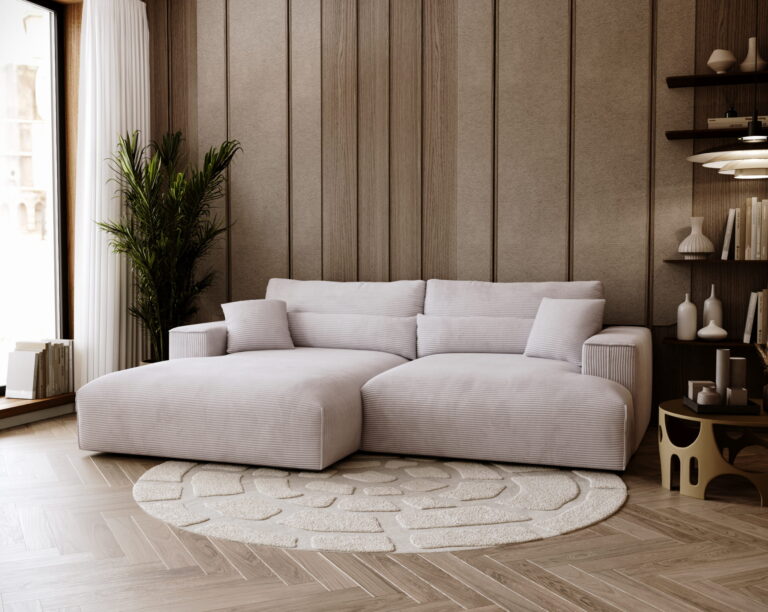
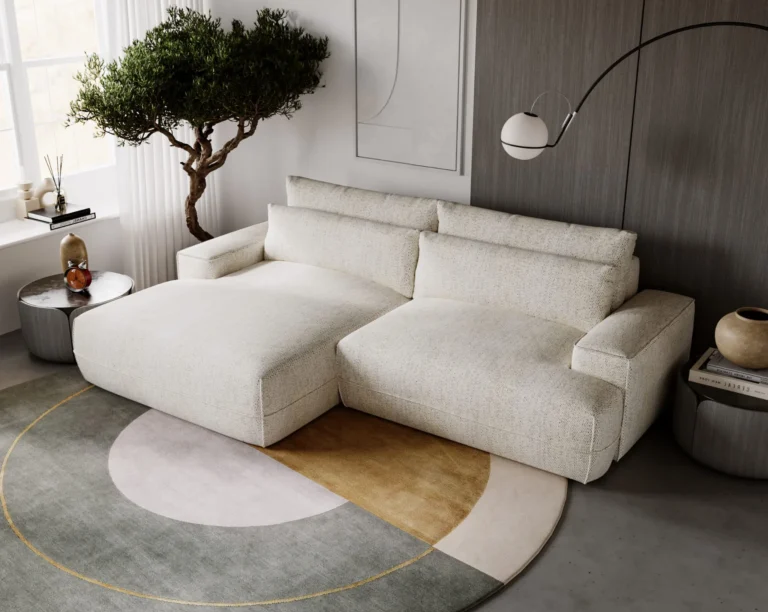
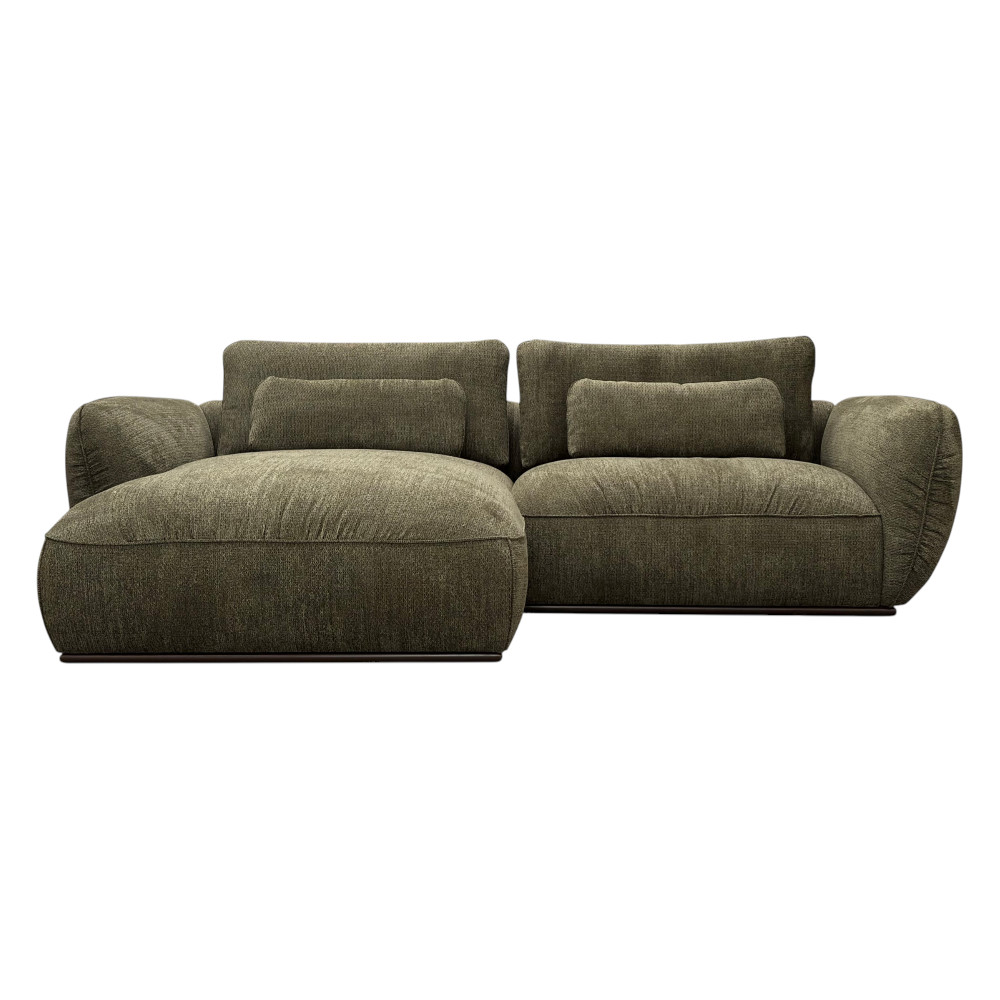
Although every manufacturer defines its own sizes, most sofas follow recognisable proportions. You might ask how to calculate sofa size. Two-seater sofas typically range from 140–180 cm in width, making them suitable for compact rooms. Three-seater sofas usually measure 180–230 cm, providing more seating without dominating the space. Corner sofas are available in a wide spectrum of layouts, with widths commonly starting at 230 cm and extending well beyond 300 cm for spacious homes.
The seat depth of a sofa is equally important, with most models falling between 85–105 cm. Deeper seats create a more relaxed lounging experience, while shallower versions maintain a neater silhouette and fit better in tight areas. Understanding these standards helps narrow down your choices early on, ensuring the models you explore are realistic for the size of your home.
Browse our most popular styles
-
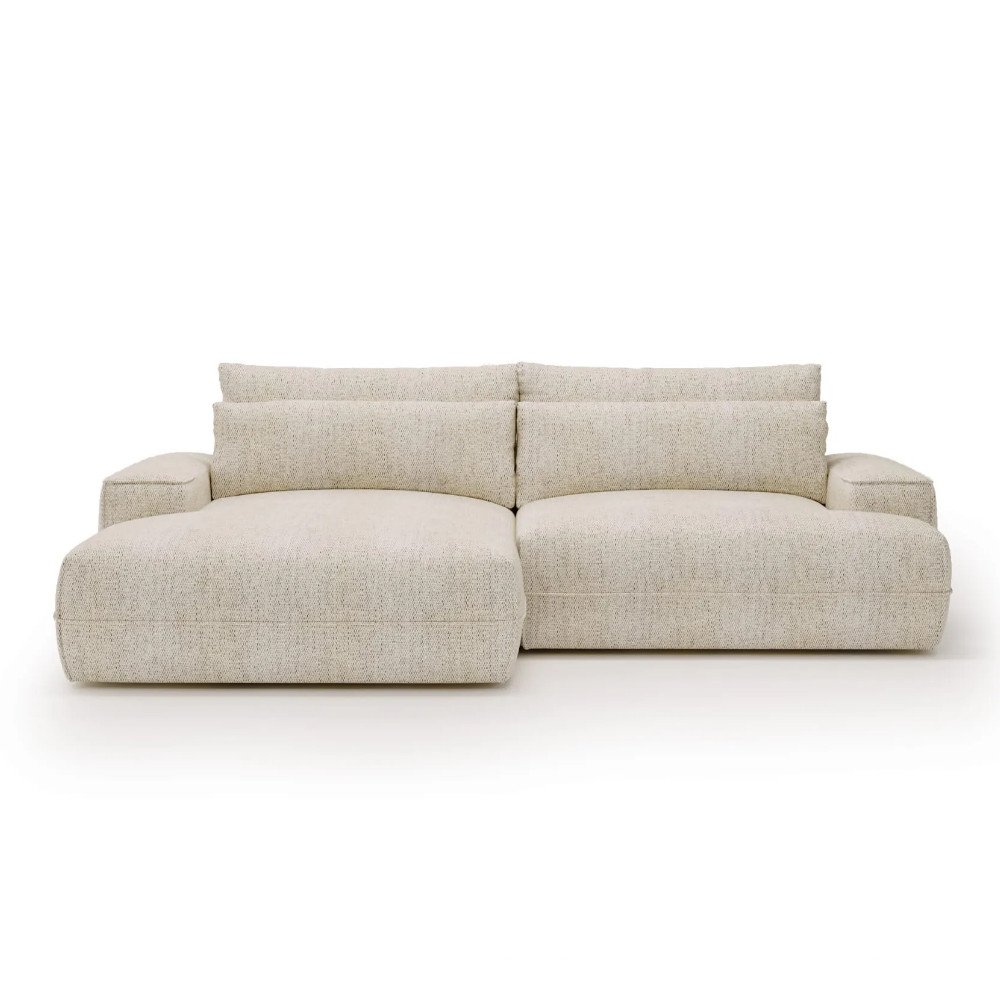
![Fresh Corner Sofa Bed]()
£1,115.00£947.00
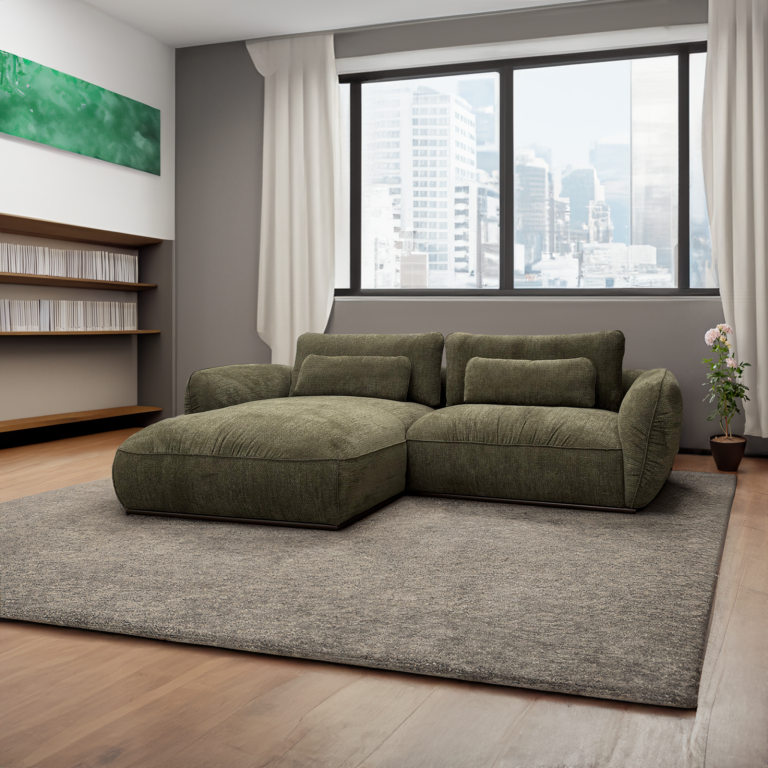
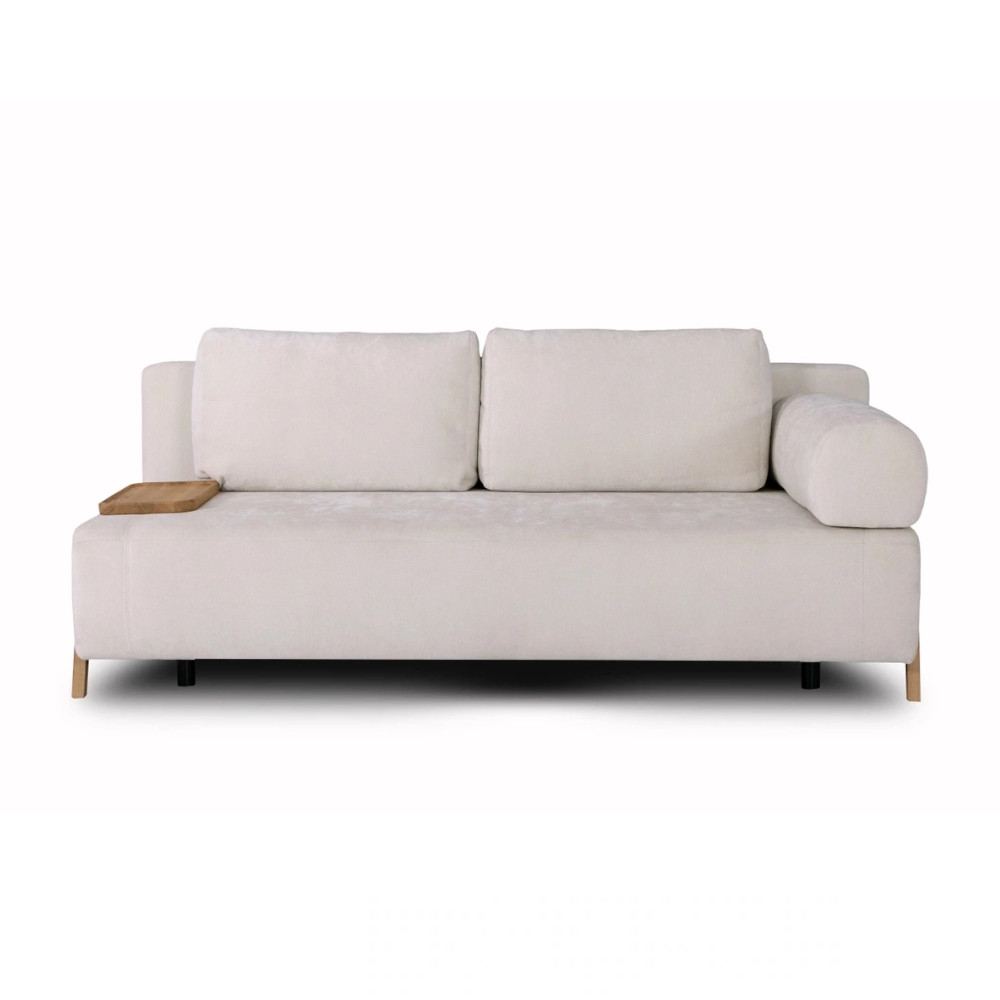
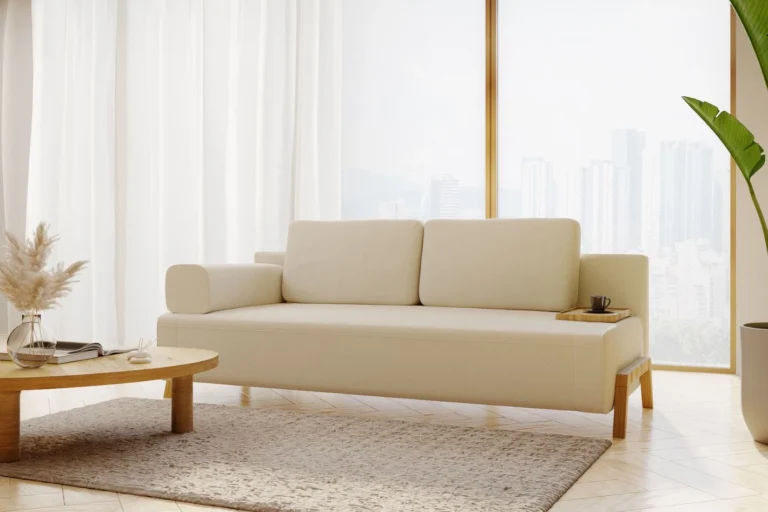
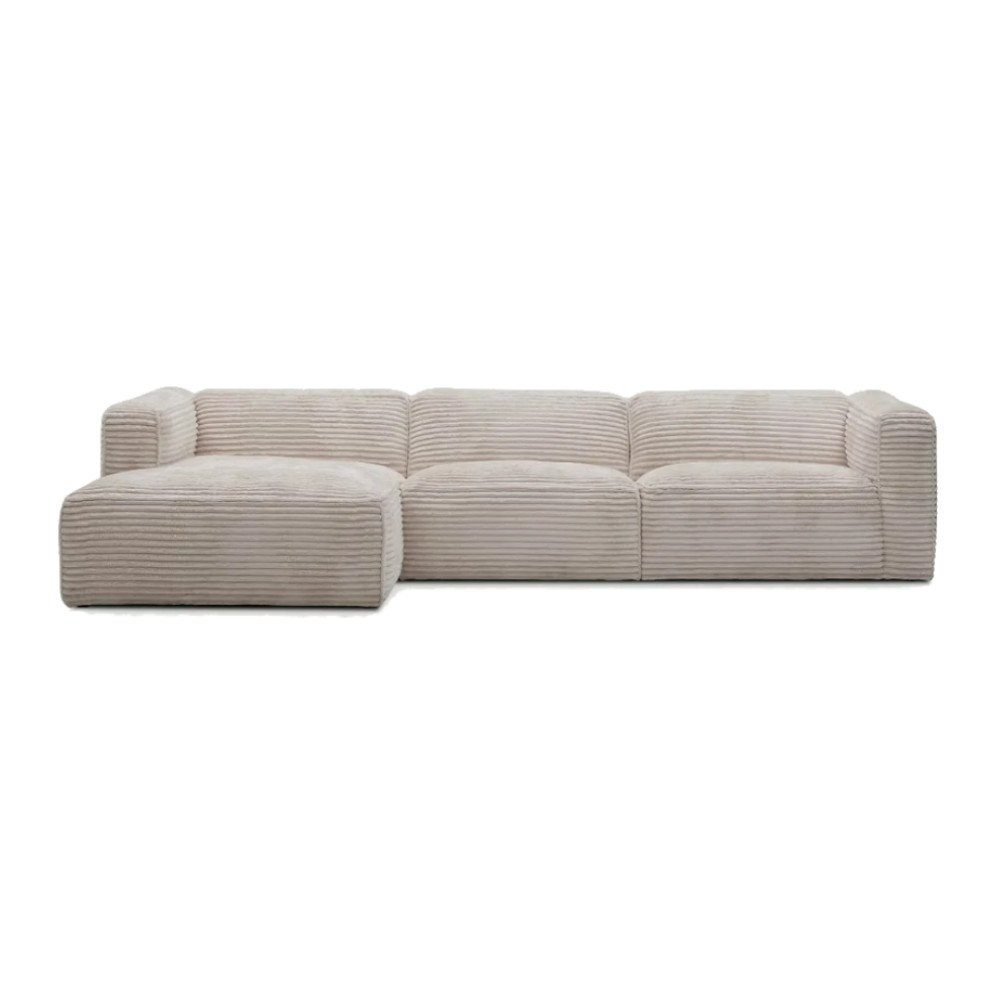
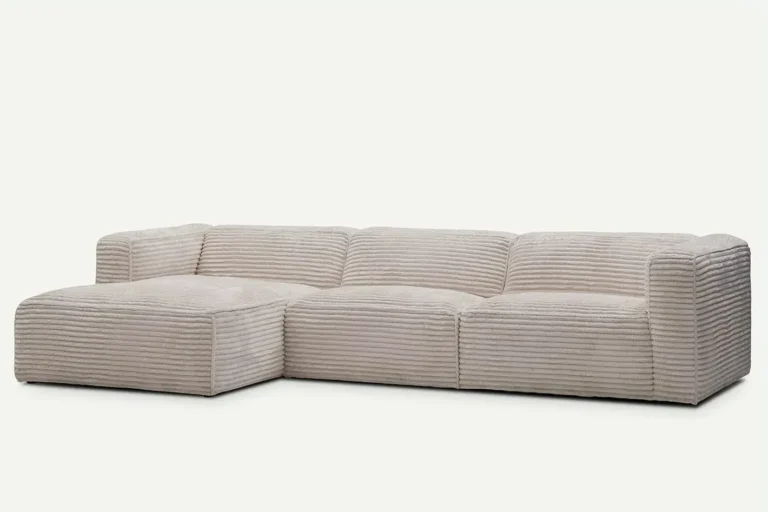
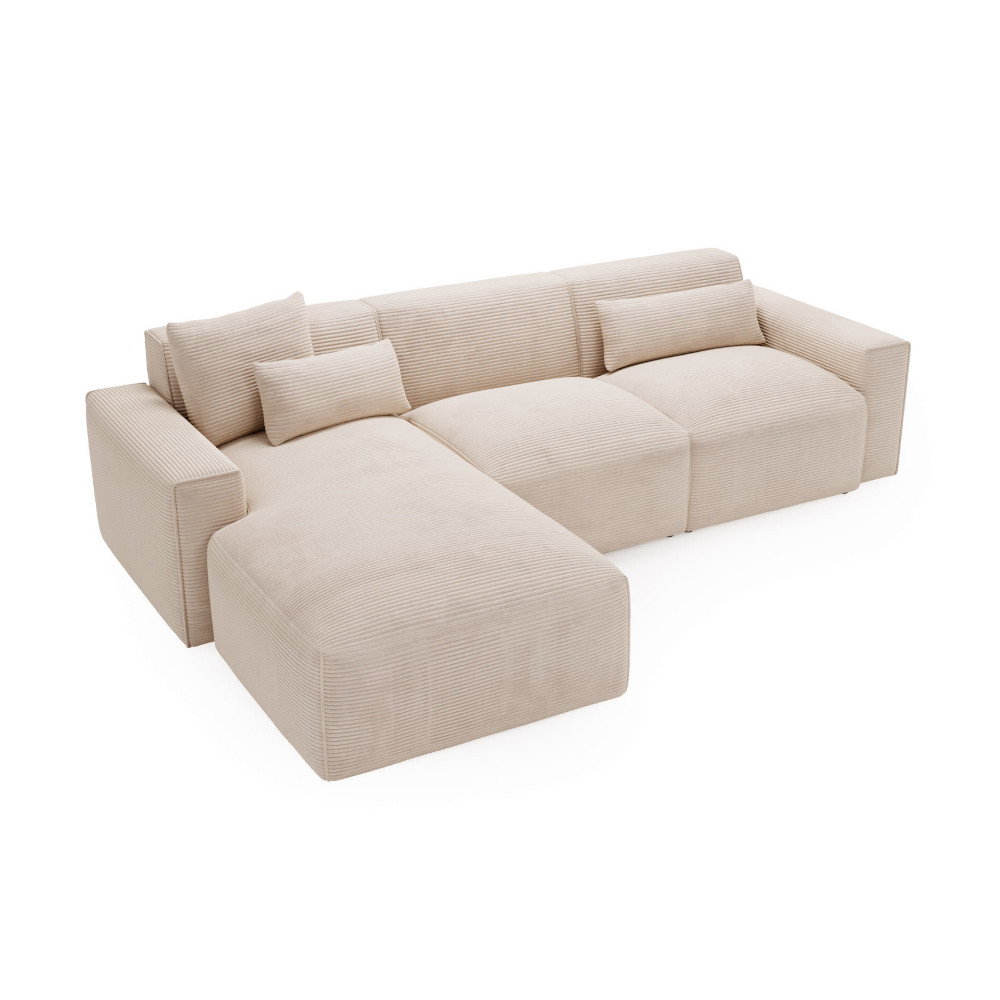
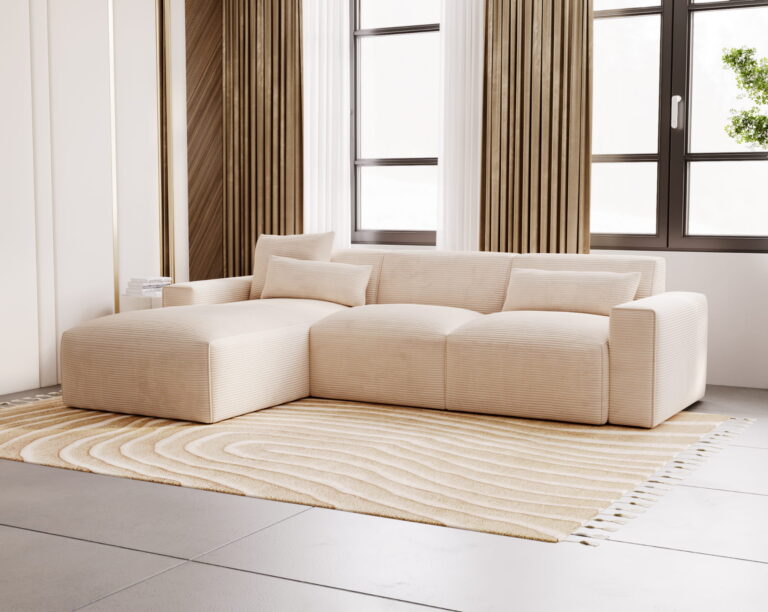
How to choose the right sofa size for your living room?
People often ask what size sofa is for an apartment when trying to maximise comfort without overwhelming a smaller living space. While the exact sofa size depends on personal preference, the room’s proportions should always guide the decision on how to choose the size of a sofa for the room. A sofa that is too small may look out of place, while one that is too large can make the room feel cramped and difficult to move around. Start by deciding how many people will regularly use the sofa and whether you prefer a traditional straight model or a configuration offering more lounging space.
Before ordering, visualise the furniture using masking tape or an online room planner. This gives an accurate sense of scale and helps ensure the sofa complements other elements such as coffee tables, sideboards, and TV units. A well-proportioned sofa creates a natural focal point and makes the entire layout more harmonious.
Sofa size for a small living room
In a smaller living room, balance is crucial. Two-seater sofas or compact three-seater models often work best because they offer comfortable seating without restricting movement. Avoid bulky designs with wide armrests or deep seats, as these can dominate the area. Instead, look for slimmer silhouettes that leave adequate space for accessories and walking paths.
A corner sofa can still be an excellent choice for small rooms when used strategically. Placing it against two walls can save floor space and create an inviting, structured layout. Always check the chaise length to ensure it doesn’t extend too far into the central part of the room.
Sofa size for a medium-sized living room
Medium-sized living rooms are the most flexible, allowing for three-seater sofas, corner configurations, or even a combination of a sofa with an armchair. When selecting a model, consider how it interacts with other elements in the room. A longer sofa can be paired with a slim coffee table, while a corner sofa helps zone the space and create a dedicated relaxation area.
Make sure the sofa does not interrupt natural flow around the room. Leave clear access to windows, doors, and storage units. Ideally, the sofa should be large enough to make a visual impact but not so expansive that it becomes the only dominant feature.
Sofa size for a large living room
Large living rooms allow for more generous furniture, including XL sofas, U-shape configurations, and modular sofas. These create a luxurious and inviting setting, perfect for family gatherings or entertaining guests. When a room is very spacious, a bigger sofa helps anchor the layout and prevents the space from feeling empty.
In larger interiors, consider pairing the sofa with additional elements such as chaise extensions, ottomans, or accent chairs. These accessories help balance the proportions of the room while enhancing comfort and functionality.
How to measure your living room correctly for a new sofa?
Accurate measurements are essential to avoid complications during delivery and installation. Start by measuring the width, depth, and height of the available space. Next, check the distance between the sofa’s planned position and nearby furniture, allowing enough space for comfortable movement. If you are placing the sofa opposite a TV, measure the viewing distance to ensure the setup feels natural.
Do not forget to measure access points such as staircases, corridors, door frames, and lifts. Many returns occur because a sofa does not fit through an entrance rather than because it doesn’t fit the room. Knowing these dimensions in advance can save time, effort, and unnecessary stress.
How much free space should be left around the sofa?
Leaving appropriate clearance around a sofa ensures the room remains functional and visually pleasing. Most layouts benefit from at least 60–80 cm of free space in front of the sofa to allow people to walk comfortably. Side areas require a minimum of 20–30 cm, especially when placing small tables or lamps nearby.
If you use a coffee table, maintain a distance of 40–45 cm from the edge of the sofa. This allows you to reach the table easily without feeling cramped. In larger rooms, you can increase these distances to create a more open and spacious feel.
What size sofa for my living room – question answered
In summary, choosing the right sofa size requires understanding key dimensions, measuring your living room accurately, and ensuring the furniture fits both the space and your everyday needs. By assessing room proportions, leaving appropriate clearance, and visualising the layout before buying, you can confidently select a sofa that enhances comfort, functionality, and the overall flow of your home. Choose the perfect size model for your living room from our vast collection of furniture.
Frequently asked questions about sofa dimensions
Choosing the right sofa style and size raises many practical questions, especially when measuring a room or evaluating product specifications. Below you’ll find answers to the most common questions about sofa dimensions.
What are the key parameters of a sofa?
Key parameters include width, depth, height, seat height, sofa cushions chaise length, and sometimes armrest height. These measurements help you understand the overall footprint of the furniture and how it will interact with your room.
How to match the size of the sofa to the living room?
Match the sofa to the scale of the room by ensuring it occupies the right proportion of available space without restricting traffic flow. A well-suited sofa maintains clear pathways and feels balanced within the interior layout.
How to measure the space for a new sofa?
Measure the width, depth, and height of the intended location, then check access routes such as staircases and doorways. It’s helpful to mark the sofa outline on the floor using tape to visualise how it will sit in the room.
How to recognise that a sofa is too big?
A smaller sofa is too big when it blocks pathways, limits access to furniture, or dominates the visual space. If you struggle to maintain comfortable clearance around the piece, it may overwhelm the room.
Does the shape of the sofa affect how much space it needs?
Yes — straight sofas, corner sofas, and U-shape models all occupy space differently, even when their widths seem similar. Corner and U-shape sofas require additional depth for the extended sections, so it’s important to measure both sides of the configuration to ensure they fit comfortably.
Should the sofa be centred in the room or aligned with a wall?
It depends on your layout. In smaller rooms, aligning the sectional sofa with a wall saves space and keeps pathways clear, while in larger rooms, placing the sofa more centrally can help zone the space and create a balanced, inviting seating area.