
Posted on February 20, 2026
How to Arrange a Living Room and Dining Room: Planning a Functional Division of Space
Arranging a living room with a dining area is one of the most popular solutions in modern homes. It supports flexible living and everyday comfort. However, it requires clear planning and thoughtful zoning.
In an open plan layout, you should define each zone using furniture, lighting, or décor. This approach creates separation without physical barriers. At the same time, you must consider proportions, circulation paths, and stylistic consistency from the beginning. When arranged correctly, the space feels balanced and inviting. In this guide, we explain practical steps to help you plan with confidence.
Introduction to Living Room Dining
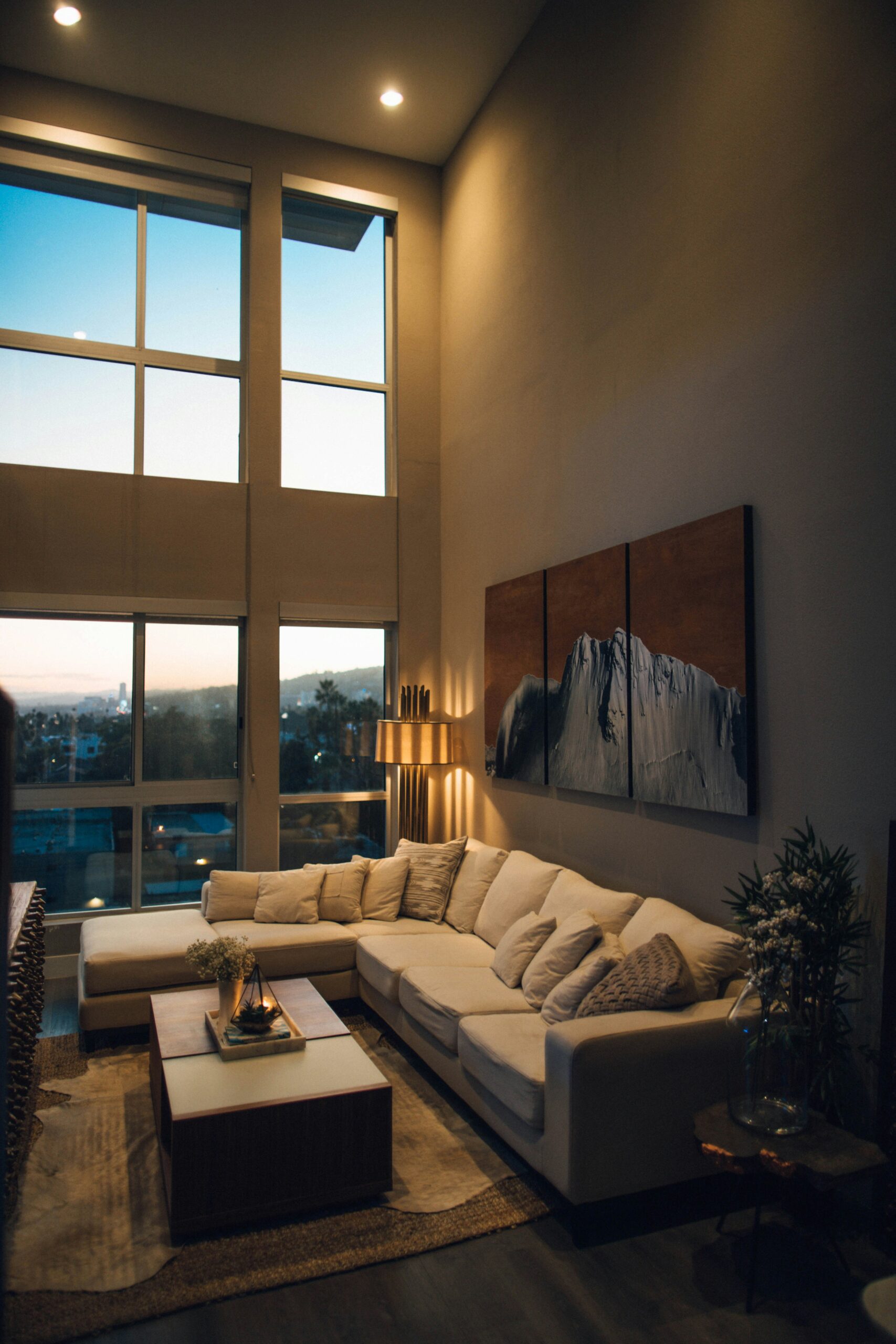
Living room dining reflects contemporary interior design, where traditional boundaries disappear. Instead of separating rooms, homeowners combine the dining room and lounge into one cohesive area. As a result, the space feels more open and welcoming.
By placing a dining table within the living room, you maximise floor space and encourage togetherness. Meals, conversations, and relaxation happen in one shared environment. Therefore, a well-designed living room dining area becomes the true heart of the home.
Assessing the Space
Before arranging your living room dining area, carefully assess the room. Measure the space and note the position of doors, windows, and built-in elements. Natural light also plays an important role, as it influences where you position the dining table and seating.
Equally important is circulation. When arranging a living room, ensure there is enough space to move comfortably between the sofa, coffee table, and dining area. Moreover, consider the size and shape of the table and chairs. When you plan around the room’s unique features, the final layout feels spacious and harmonious.
What Makes Designing a Living Room with a Dining Area Challenging?
The main challenge lies in combining two distinct functions in one room. The living area supports relaxation and entertainment. In contrast, the dining zone focuses on meals and gatherings. Each requires different furniture and lighting. Therefore, without structure, the layout can quickly feel chaotic.
Proportions also matter. A large sofa may overwhelm a compact dining area. Similarly, an oversized table can block movement. For this reason, logical placement and balanced scale are essential. Smart furniture choices help maximise square footage while maintaining comfort.
What Mistakes Should You Avoid When Designing a Living Room with a Dining Area?
A common mistake is the lack of clear zoning. When furniture appears randomly placed, the room loses structure. In addition, oversized pieces often dominate smaller interiors. A bulky sofa or large table can restrict movement and reduce comfort.
Another issue is ignoring circulation paths. Always maintain clear walkways between zones. At the same time, avoid stylistic inconsistency. A modern dining set may clash with a traditional seating area. Consistency creates visual calm and cohesion.
See what customers choose most
-
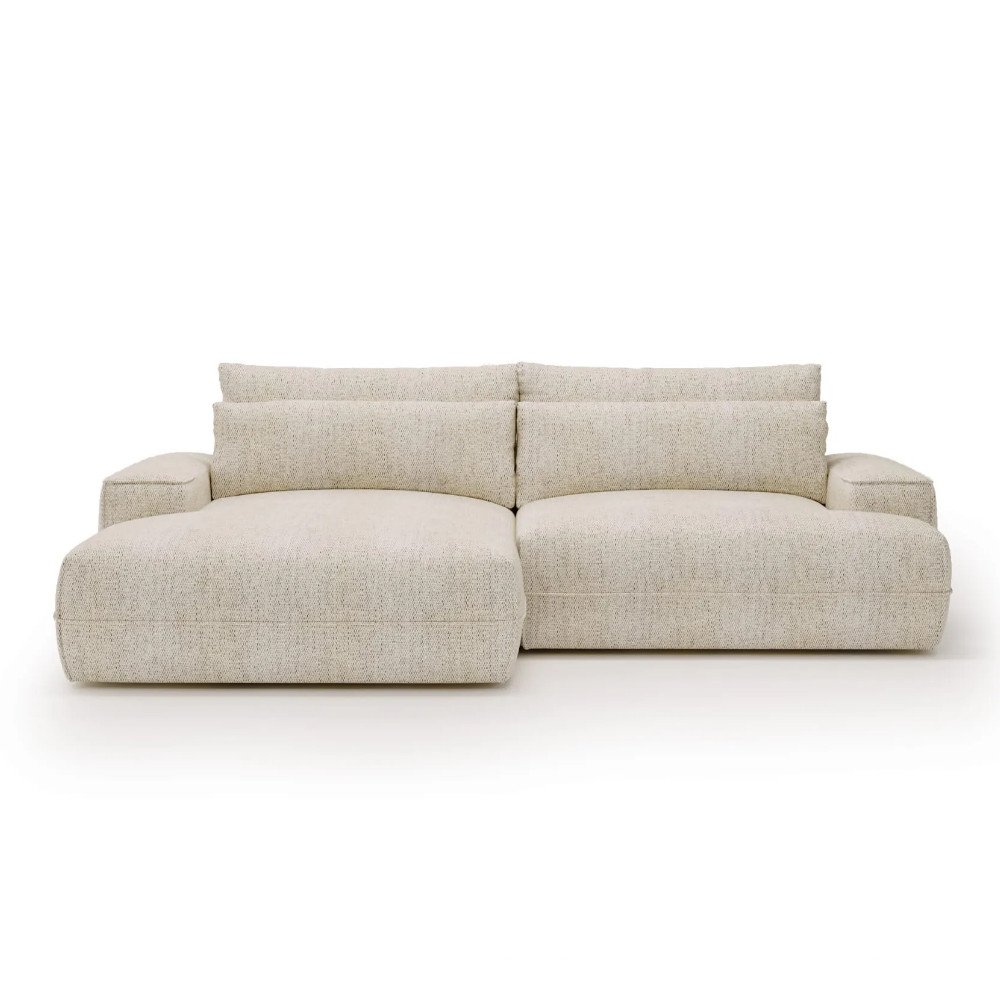
![Fresh Corner Sofa Bed]()
£1,115.00£947.00
How to Clearly Separate the Relaxation Area from the Dining Area in a Living Room?
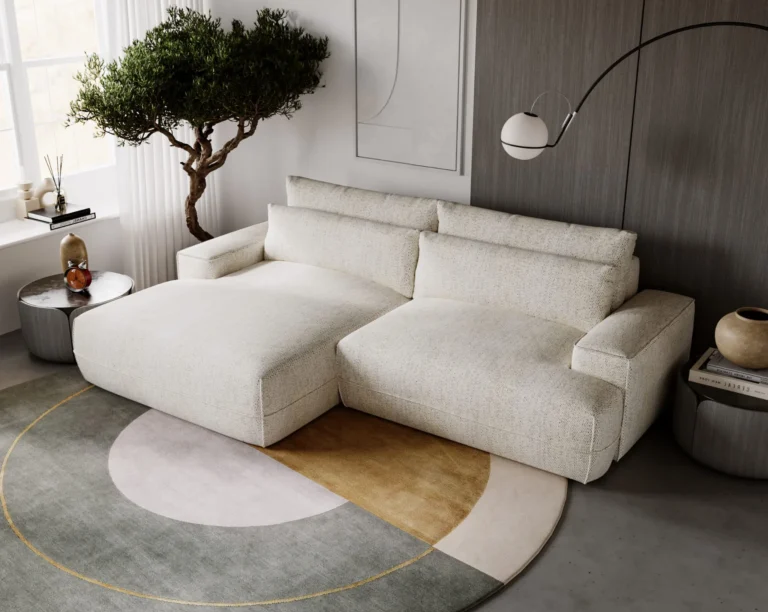
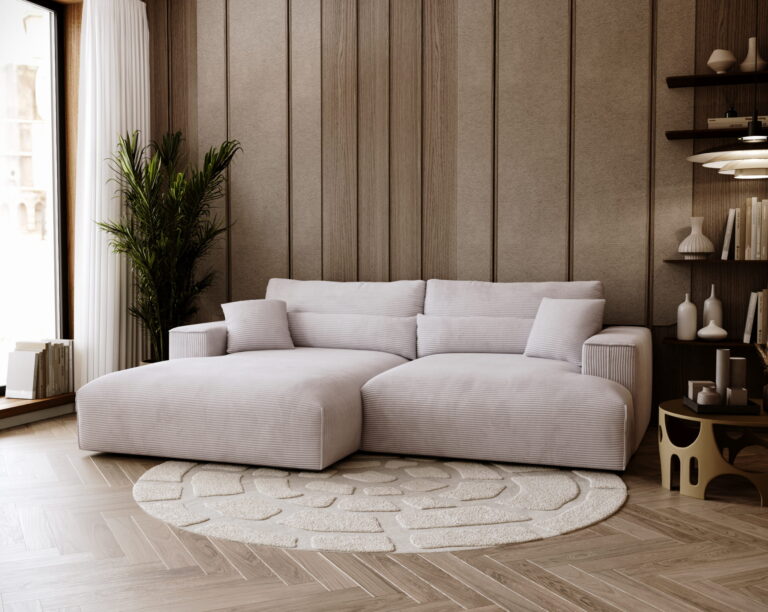
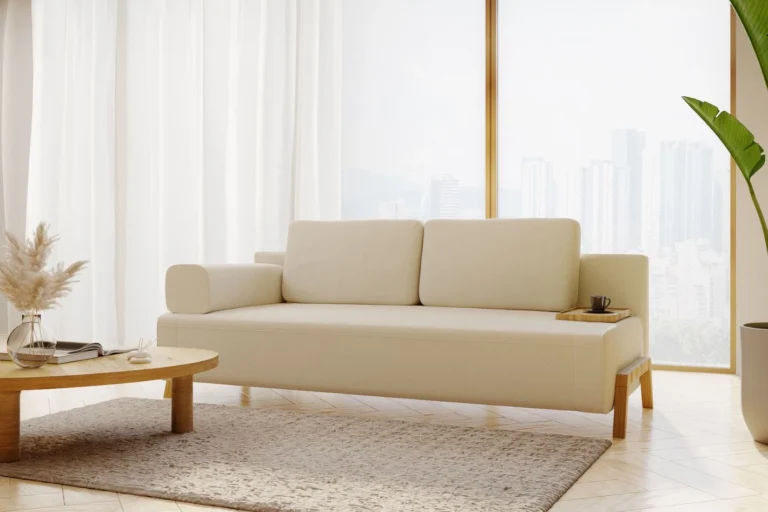
You can divide the space without building walls. For example, position the sofa with its back towards the dining table. This creates a natural visual boundary while keeping the layout open. As a result, both zones feel distinct yet connected.
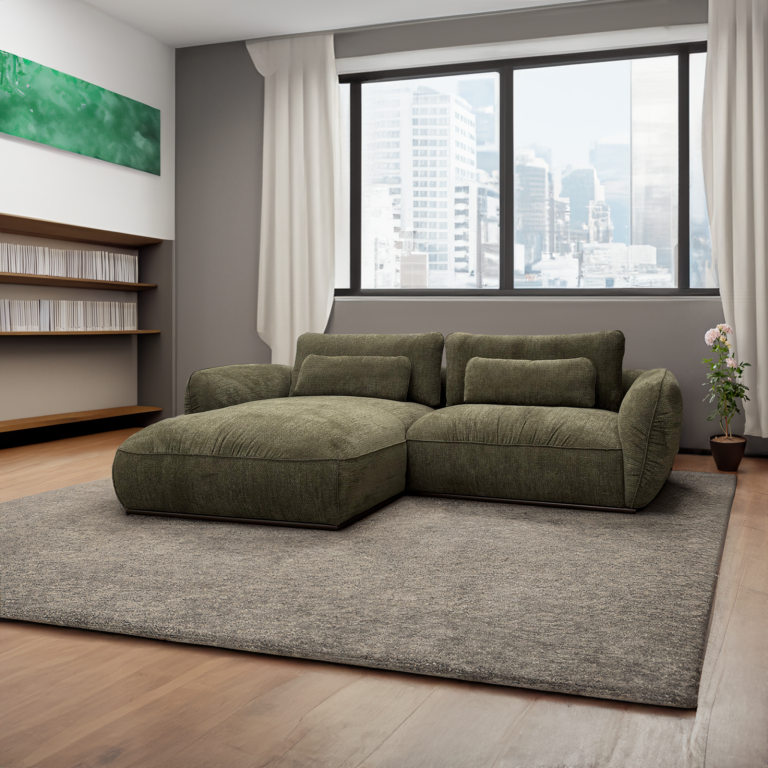
Rugs and lighting also help define areas. Place a rug under the seating arrangement. Hang a pendant lamp above the table to anchor the dining zone. Additionally, use accent décor or coordinated colours to reinforce separation. Ensure movement between zones remains smooth.
How to Arrange Furniture While Maintaining Proportions?
Proportion determines comfort and balance. The sofa should not dominate the dining table. Ideally, keep at least 80 cm of walking space around key furniture pieces. In smaller rooms, choose compact designs with lighter silhouettes.
In larger spaces, you can introduce a sectional sofa or a bigger table. Even so, maintain visual harmony. Match the scale of chairs and storage units to the room size. Oversized furniture disrupts the spatial rhythm.
How to Position a Sofa in a Combined Living and Dining Room?
The sofa often organises the entire layout. When placed parallel to the dining table, it maintains openness. Alternatively, positioning it perpendicular creates a stronger visual division. Choose the option that supports natural movement.
Furthermore, the sofa must relate to the television. Maintain a comfortable viewing distance. Avoid placing it too close to the dining table. The seating zone should feel separate but visually connected.
How to Choose a Table and Chairs?
Select the table according to available floor space. Round tables work well in compact layouts. In contrast, rectangular models suit elongated rooms. Always maintain at least 90 cm between the table edge and walls.
Choose visually lighter chairs to reduce heaviness. Materials and finishes should align with the seating area. Above all, prioritise comfort. Ergonomic chairs support longer meals and social gatherings.
Making the Most of a Small Space
In a small room, choose furniture carefully. A round table saves space and improves flow. Additionally, chairs that tuck neatly underneath help free up floor area.
You may also create a dining nook in a corner. Slim storage units or wall-mounted shelves keep the room organised. With thoughtful planning, even a compact layout can feel functional and inviting.
How to Choose Colours and Accessories?
A shared colour palette connects both zones. Repeat tones in cushions, curtains, and chair upholstery. Neutral bases allow flexibility while maintaining harmony.
Textures also unify the space. Combine wood finishes with soft fabrics. Introduce decorative elements sparingly. Accessories should link areas together rather than compete visually.
How to Choose Lighting?
Lighting defines both atmosphere and function. Install a pendant lamp above the dining table. In the lounge area, use floor lamps or side lighting for warmth.
Layered lighting improves comfort. Combine ambient, task, and accent sources. Adjustable brightness allows you to adapt the mood for dining or relaxation.
Frequently Asked Questions About Arranging a Living Room with a Dining Area
Below you will find concise answers to common layout questions. These clarifications help you refine your design decisions.
How do I divide a living room and dining area in one space?
Use furniture placement, rugs, or shelving units. Maintain clear pathways of at least 90 cm to ensure comfortable movement between zones.
Where should I put the dining table?
Place it near natural light if possible. Define the area with a rug or lighting. Avoid blocking primary walkways.
What kind of sofa works best?
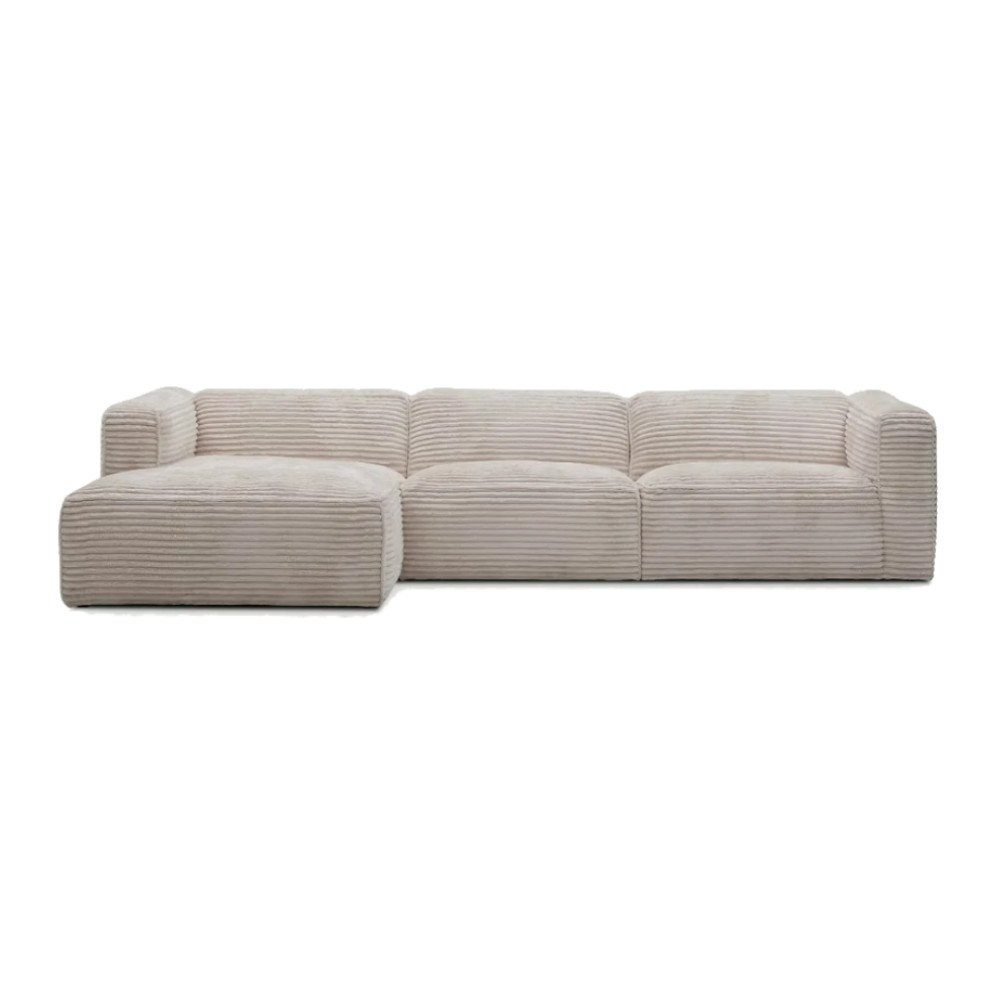
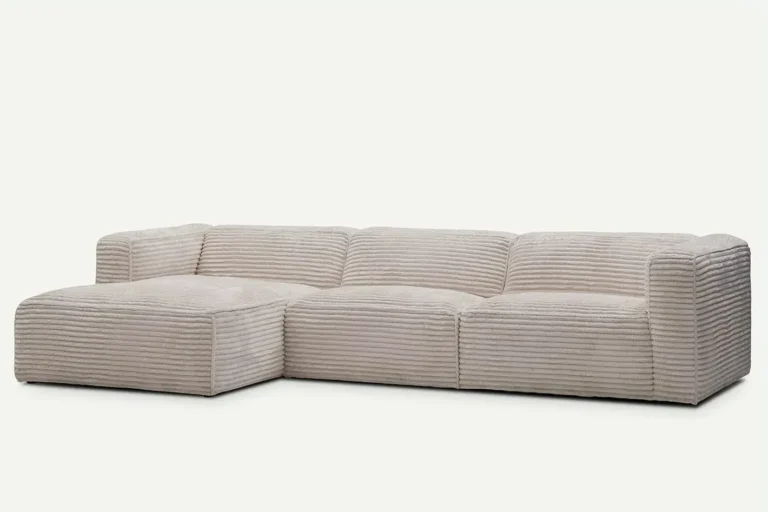
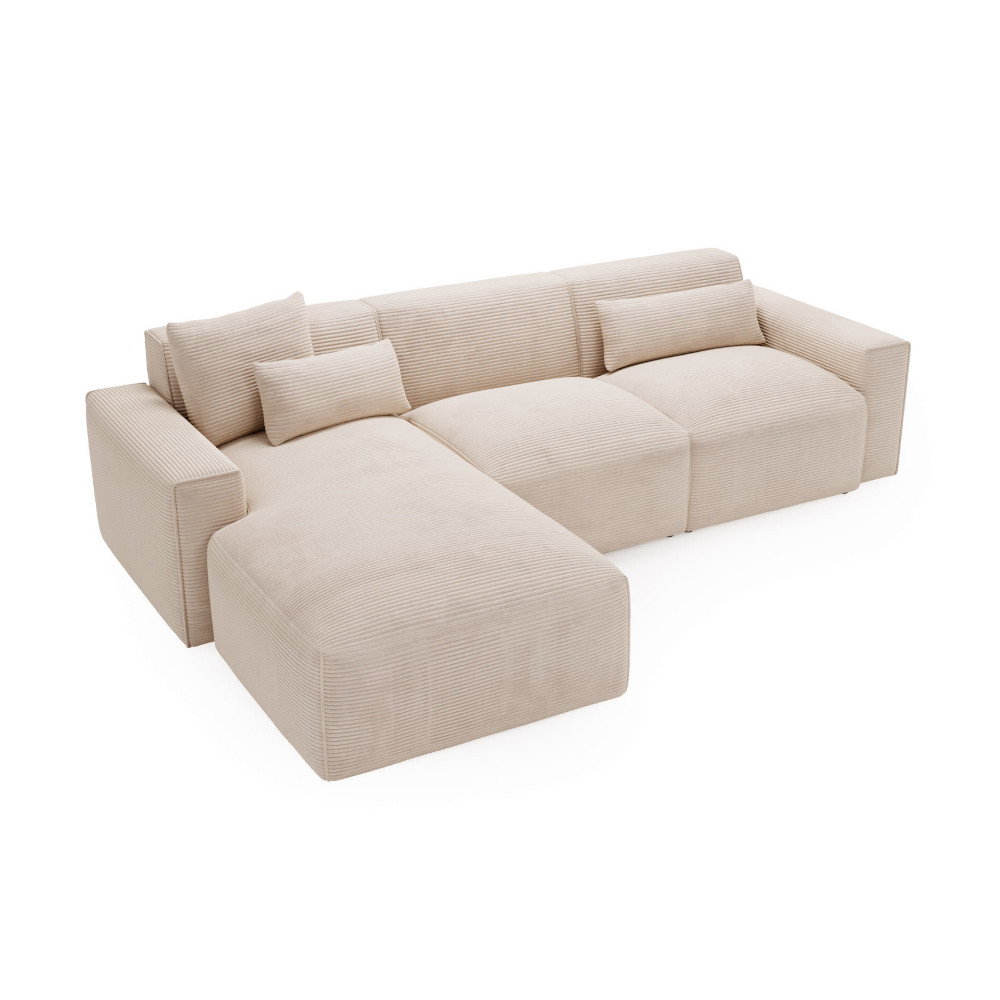
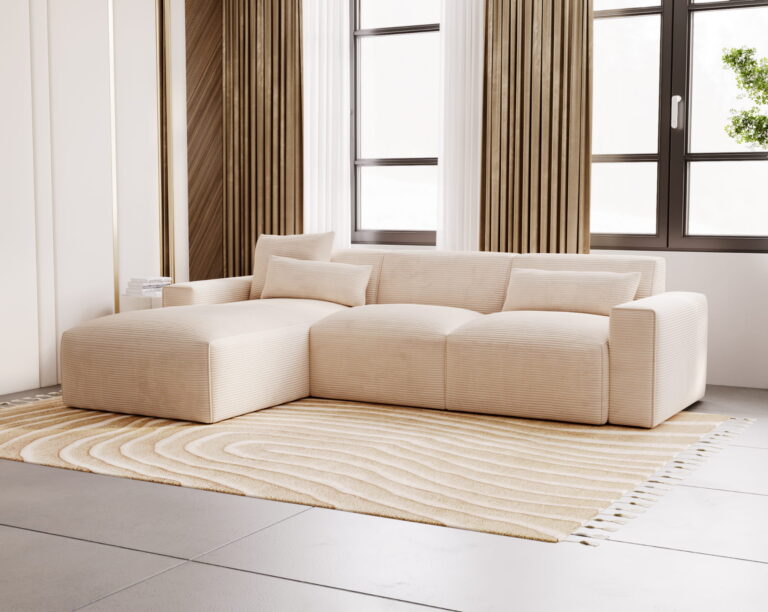
Choose a sofa that matches the room scale. Sectionals can define the living zone effectively. Ensure it allows comfortable circulation.
How do I use lighting to separate zones?
Install a pendant above the table. Use floor or table lamps in the seating area. Layered lighting visually distinguishes each function.
How do I keep the style cohesive?
Repeat colours and materials across both areas. Maintain consistent finishes. Complementary furniture lines create visual unity.
Summary
To arrange a living room with a dining area successfully, focus on zoning, proportion, and circulation. Define each function clearly while maintaining visual harmony.
When you balance furniture scale, lighting, and colour palette, the space feels organised and welcoming. With careful planning, your combined layout can support both relaxation and social gatherings comfortably.