
Posted on May 19, 2026
How to Set Up a Home Cinema Room: Furniture, Layout and Sofa Ideas
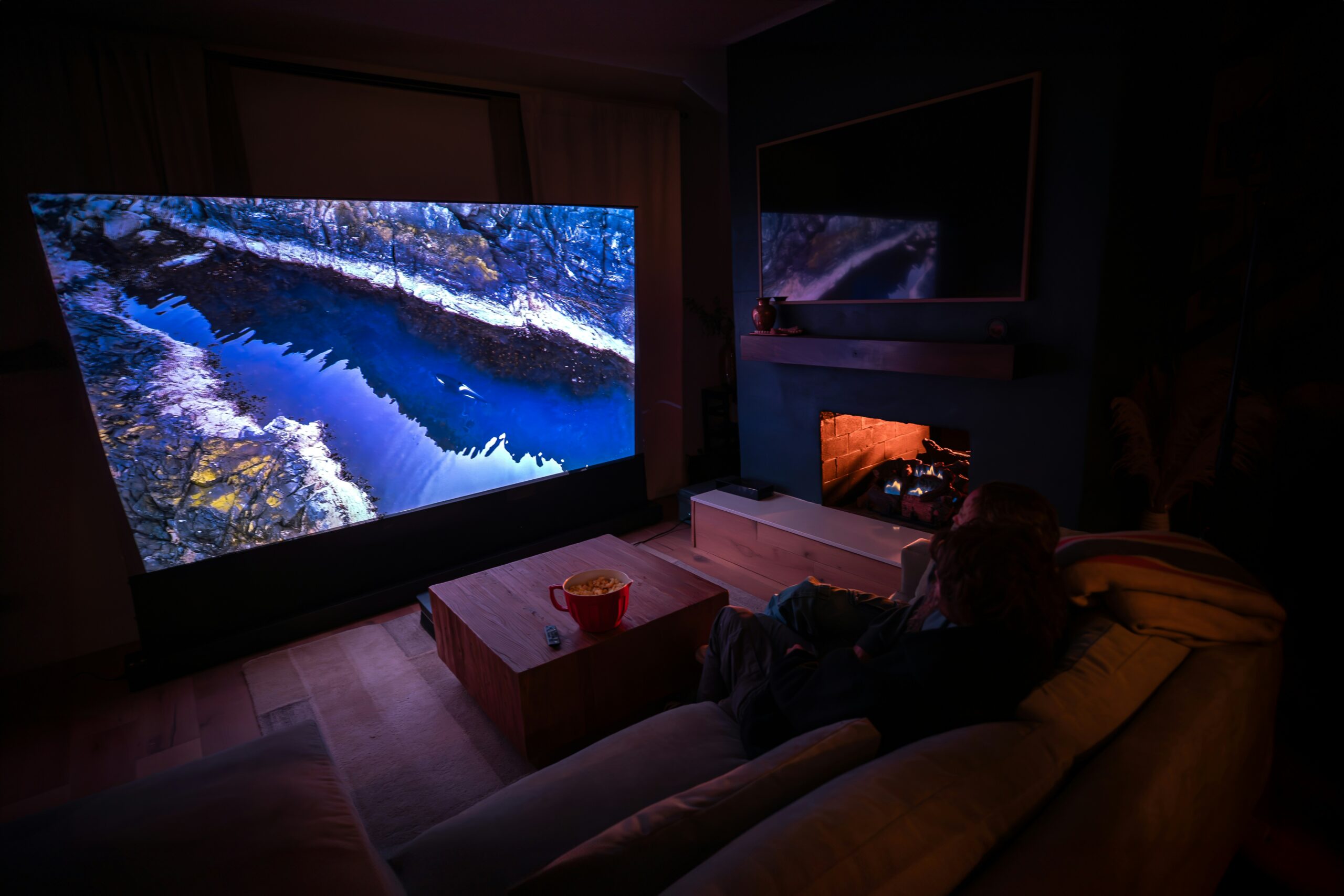
Creating a home cinema room starts with clear planning, the right sofa choice, and correct viewing distance. Get these right first. Everything else supports comfort and immersion. This guide shows how to design a space that feels like a real cinema at home.
Planning Your Cinema Room
Start by defining the purpose of your room. Decide if it is for films only or mixed use. A dedicated cinema space improves sound control and viewing comfort. Choose a room with minimal natural light if possible. This helps create a darker environment for better contrast.
Measure the space carefully before buying any furniture. Note wall lengths, ceiling height, and door positions. Accurate measurements prevent layout mistakes and wasted space. Plan where your screen and speakers will sit first. Then build the furniture layout around them.
Choosing the Right Sofa
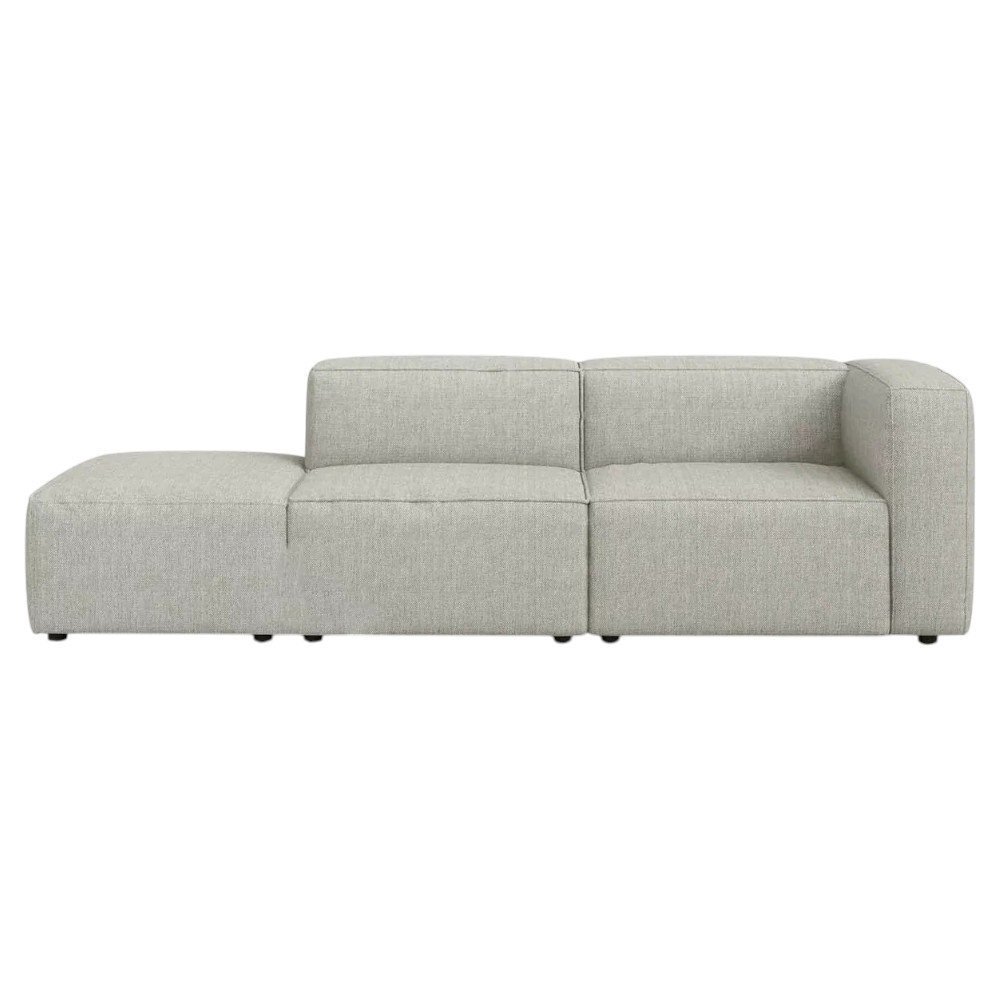
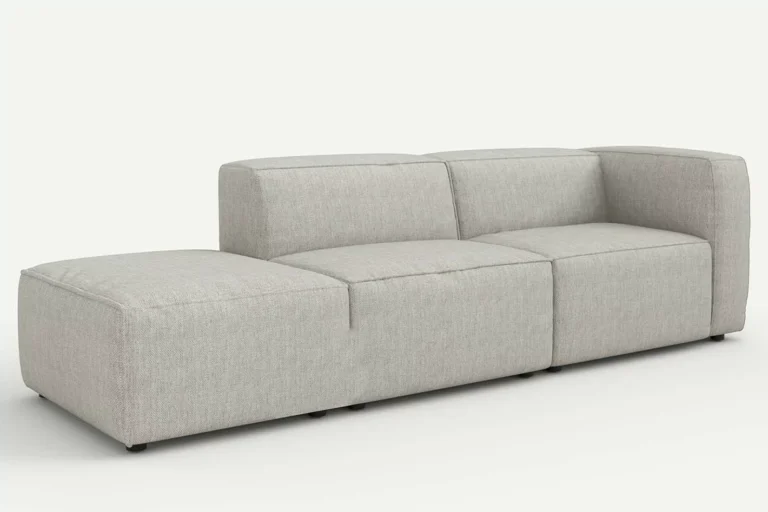
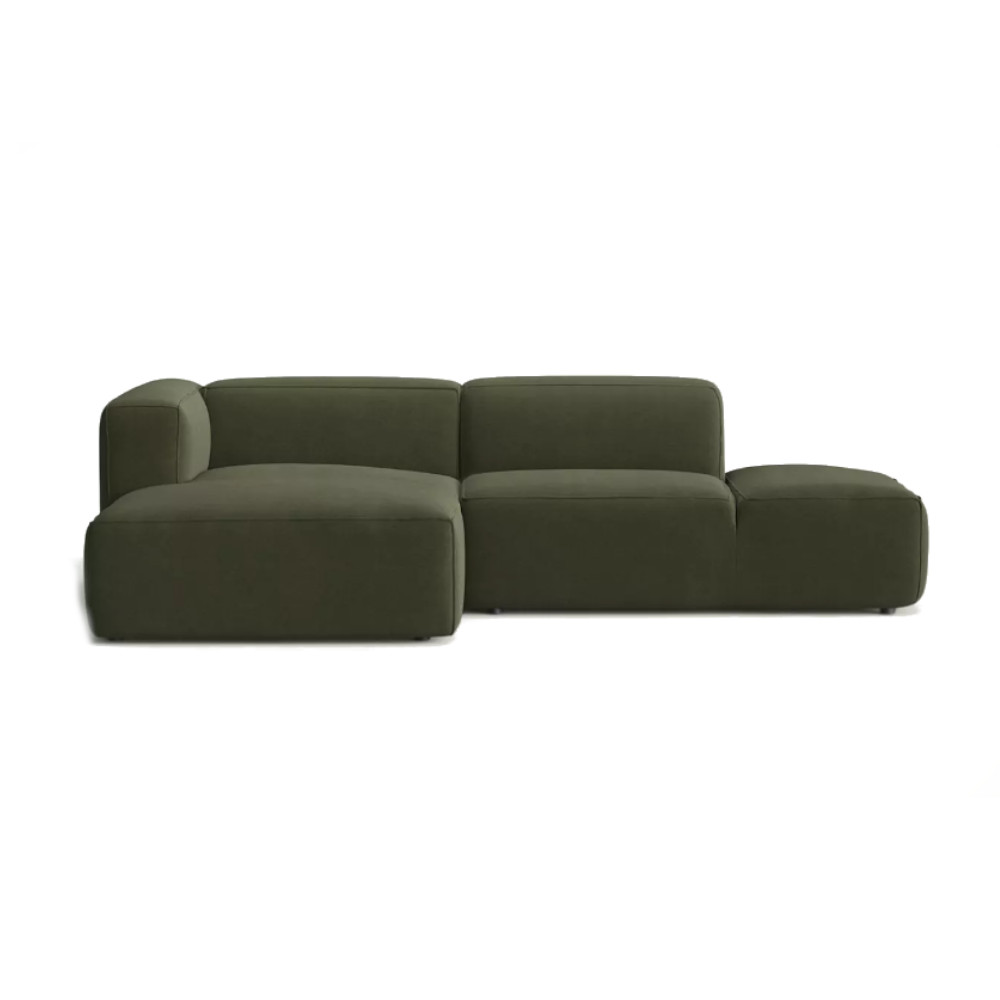
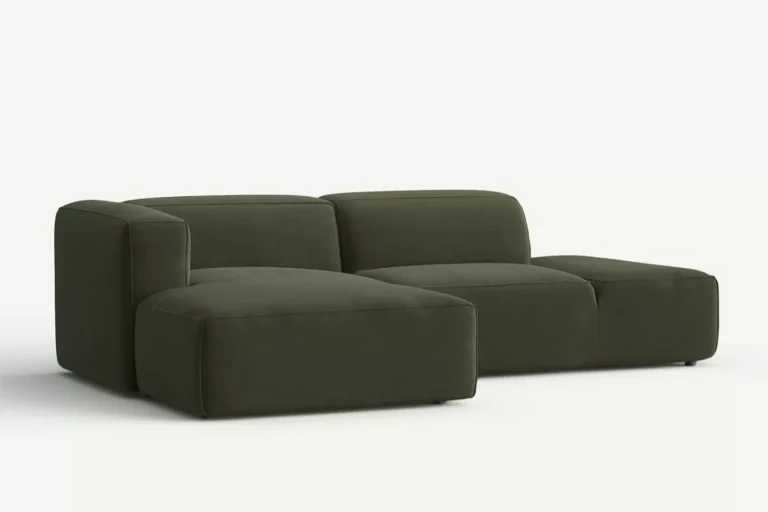
Your sofa is the centre of comfort in a cinema room. Choose a model that supports long viewing sessions. Deep seats and supportive backrests reduce fatigue during films. Soft cushions feel nice at first but must also offer proper support.
Fabric choice matters more than many expect. Velvet and woven fabrics reduce light reflection. Low-reflection materials improve screen visibility and reduce glare. Furniture from Furniture Story is crafted in Europe using premium fabrics. This ensures durability and comfort over time.
Layout & Viewing Distance
Place your sofa at the correct distance from the screen. A simple rule works well. Sit about 1.5 to 2.5 times the screen width away. This distance balances immersion with viewing comfort. Sitting too close strains your eyes.
Keep the screen at eye level when seated. This avoids neck strain during long films. A centred screen position improves posture and comfort. If you use multiple seats, angle them slightly towards the screen. This creates a better shared viewing experience.
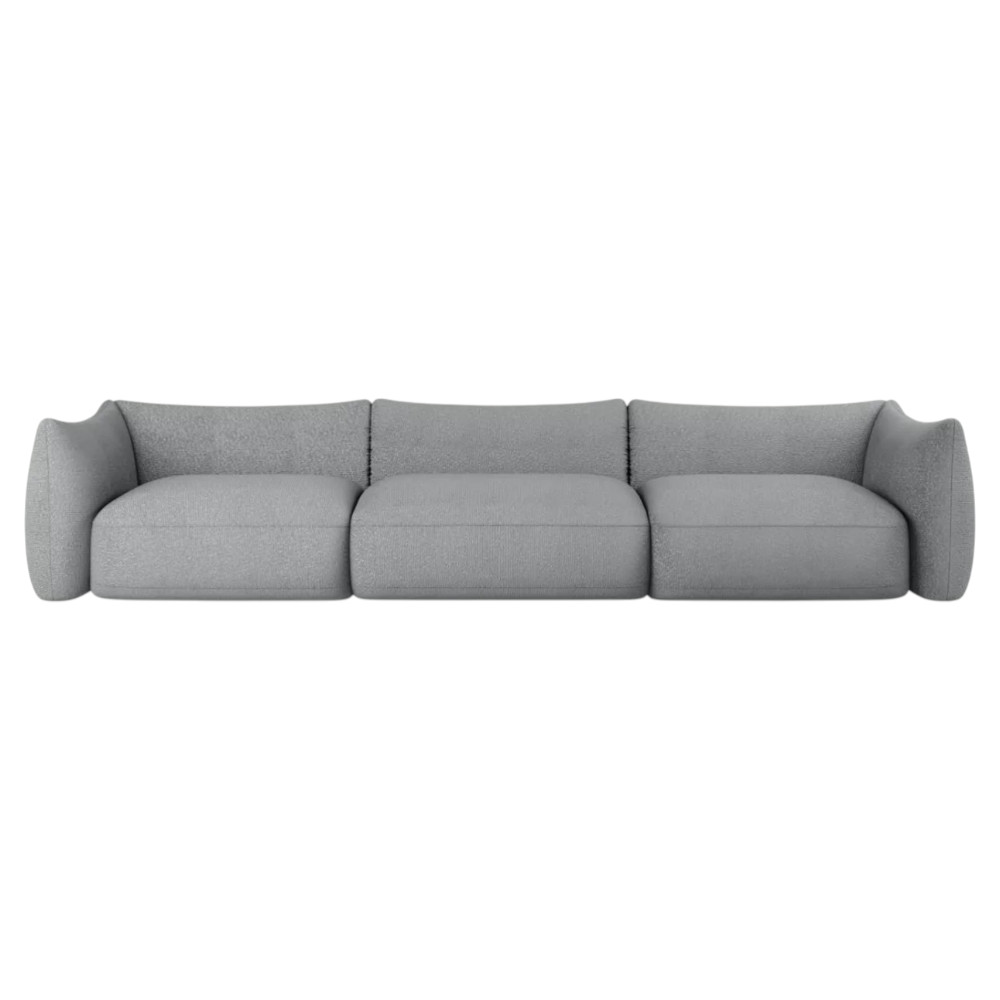
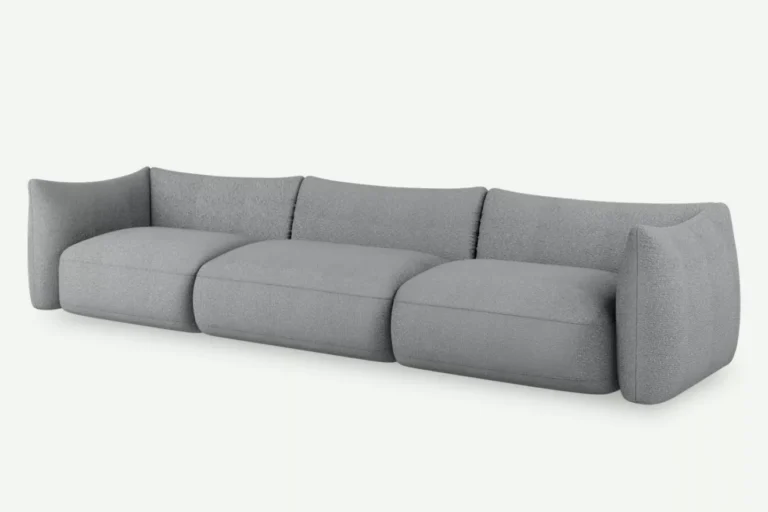
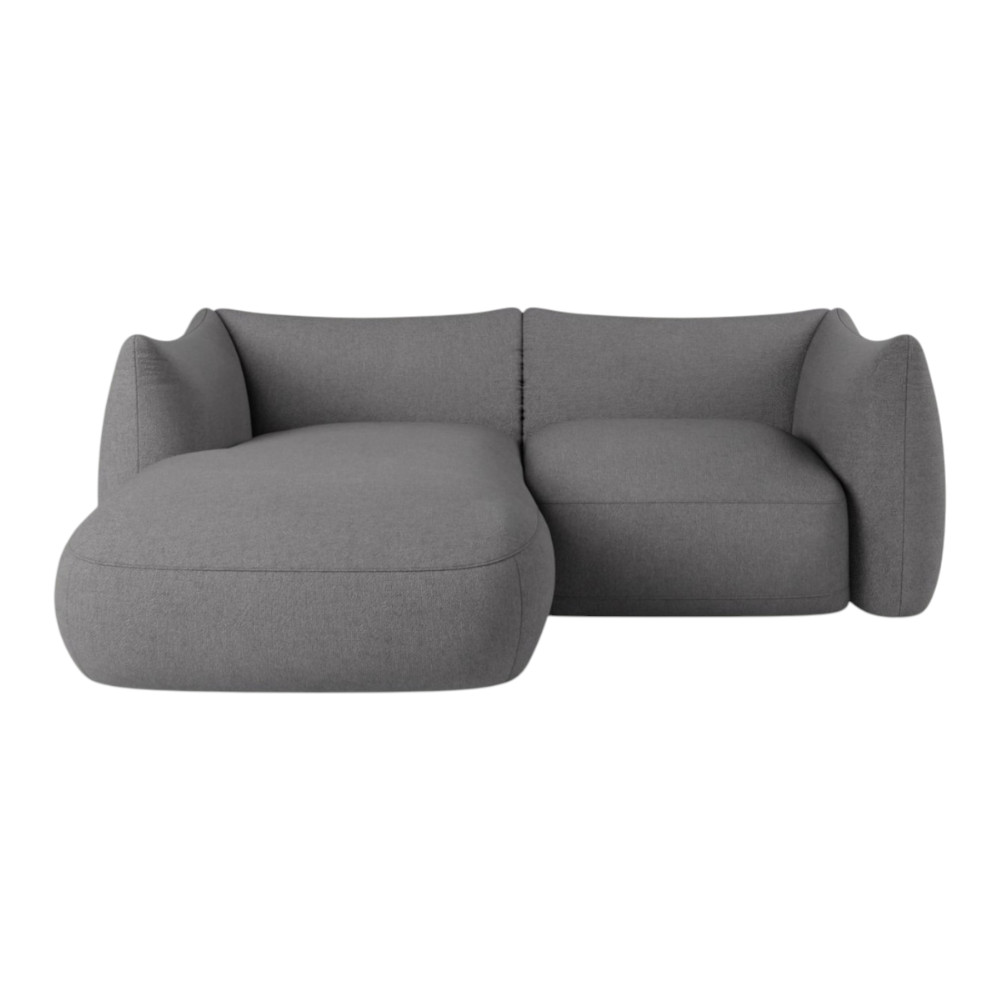
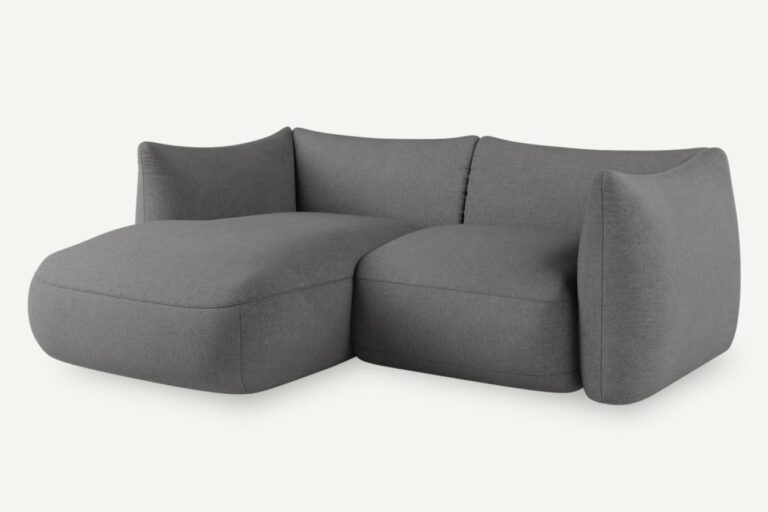
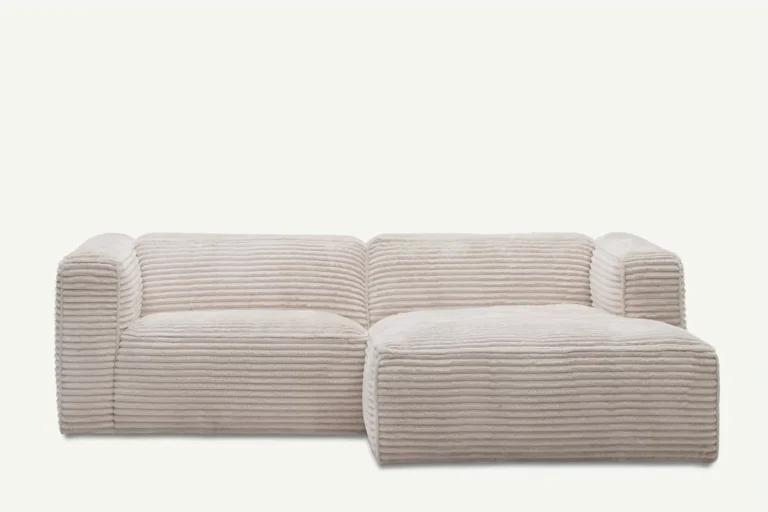
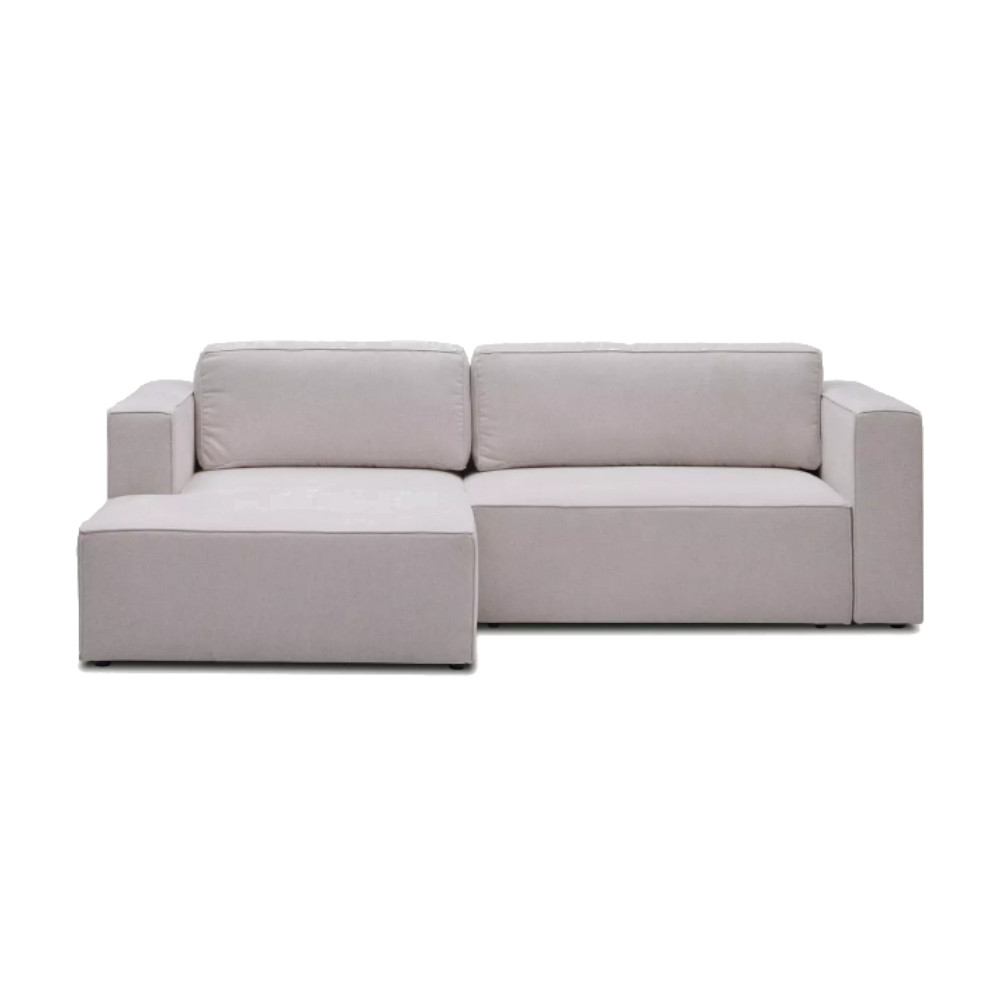
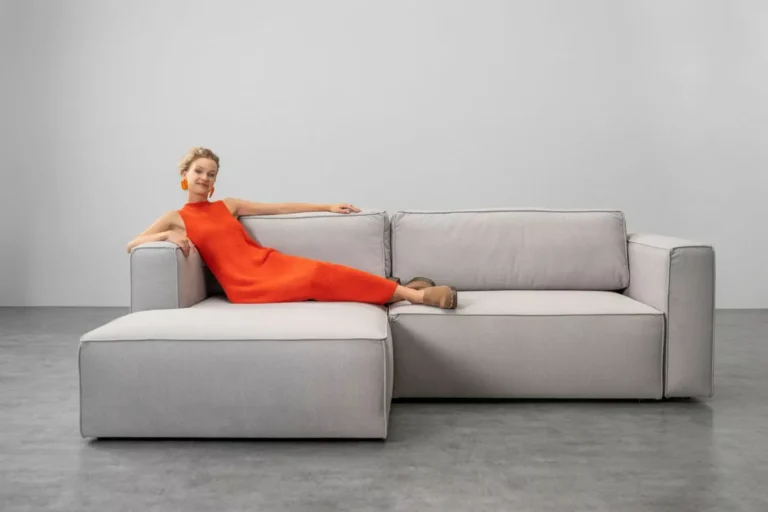
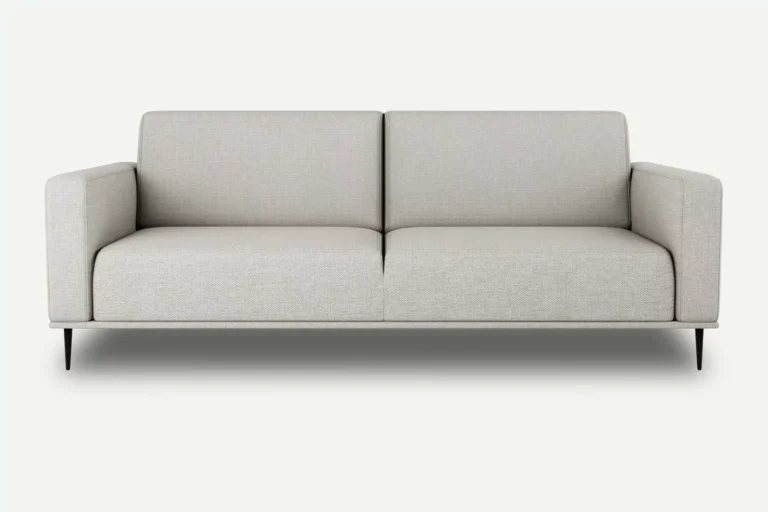
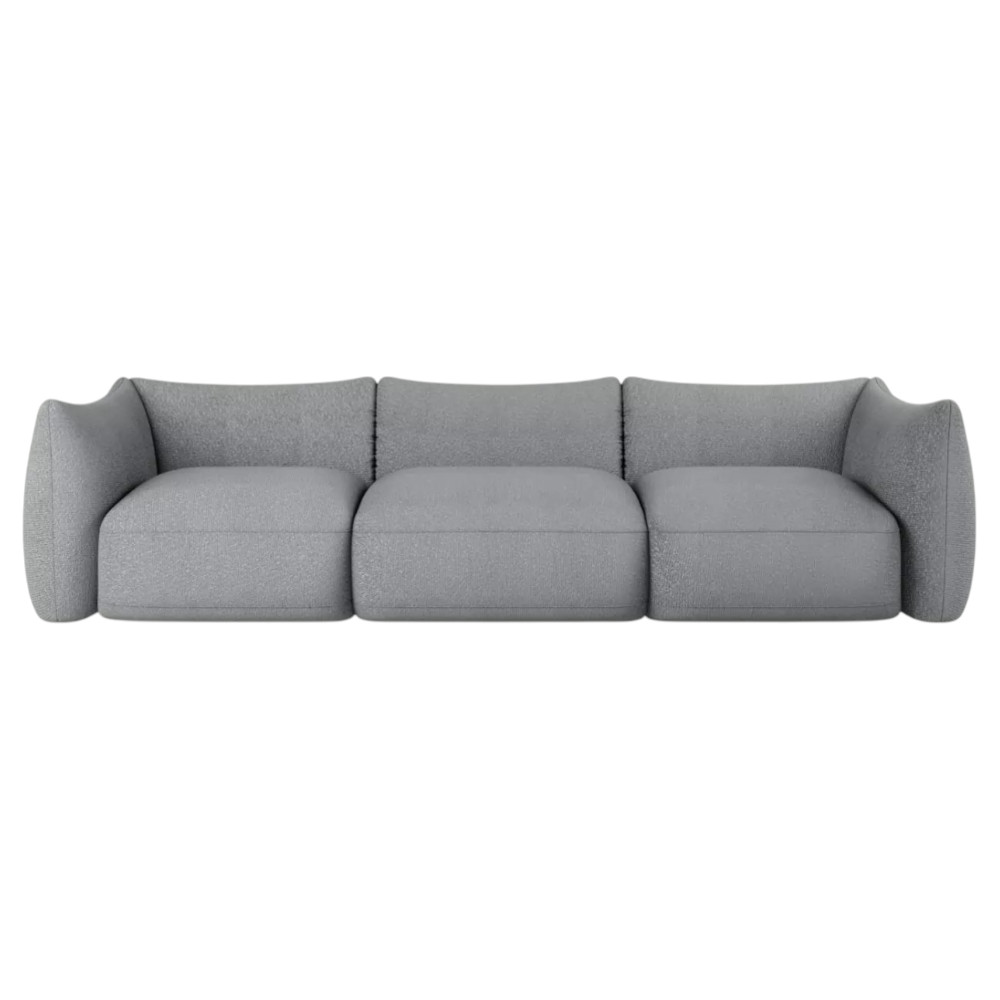
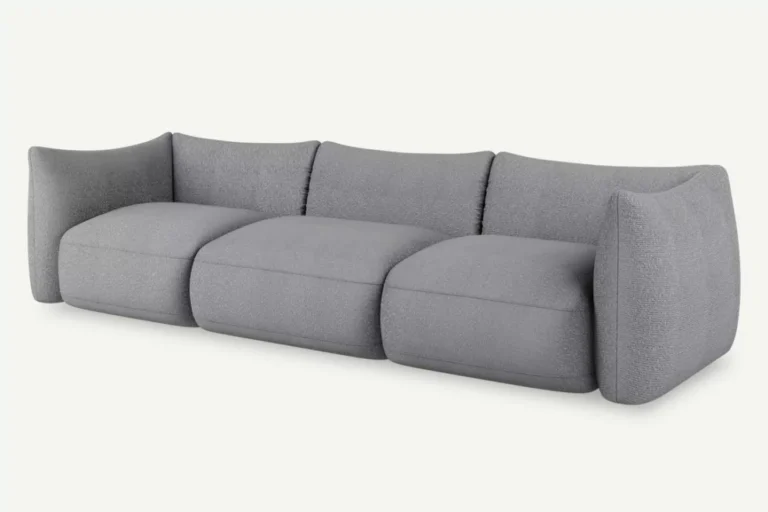
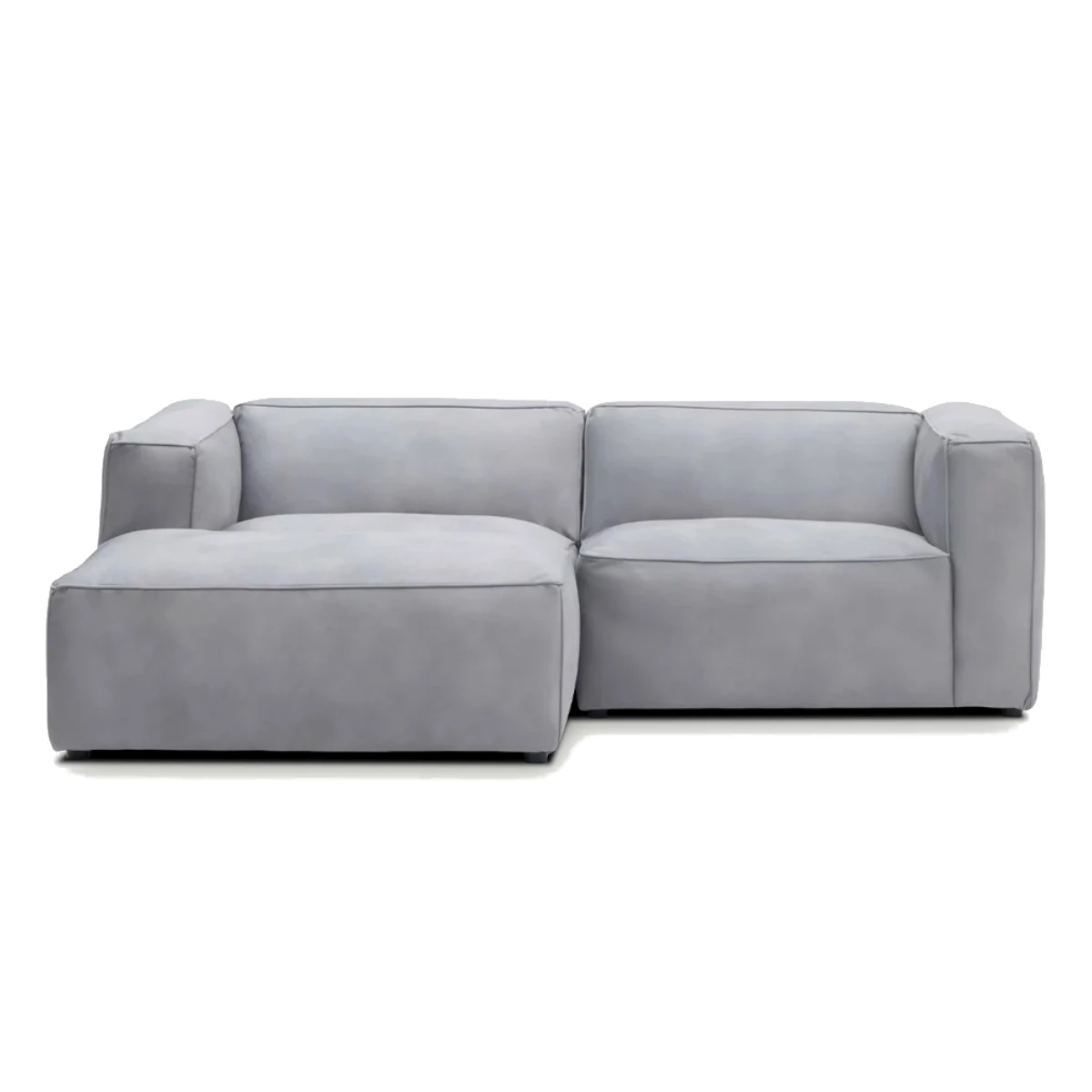
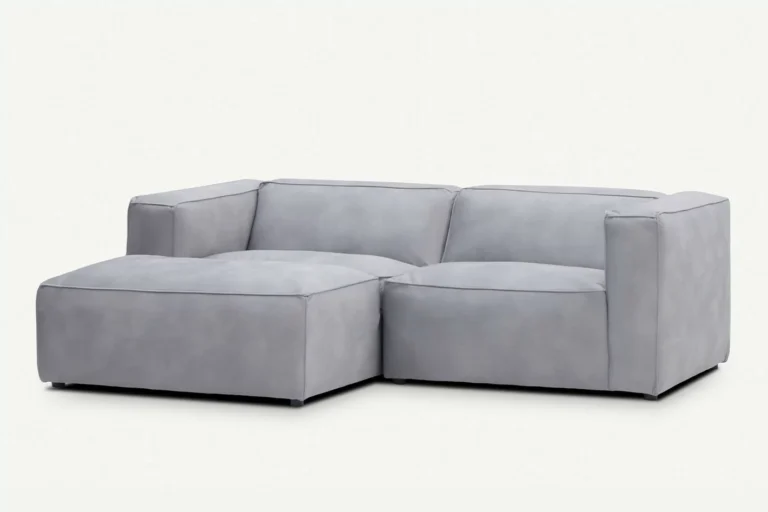
Explore our bestselling sofas
-
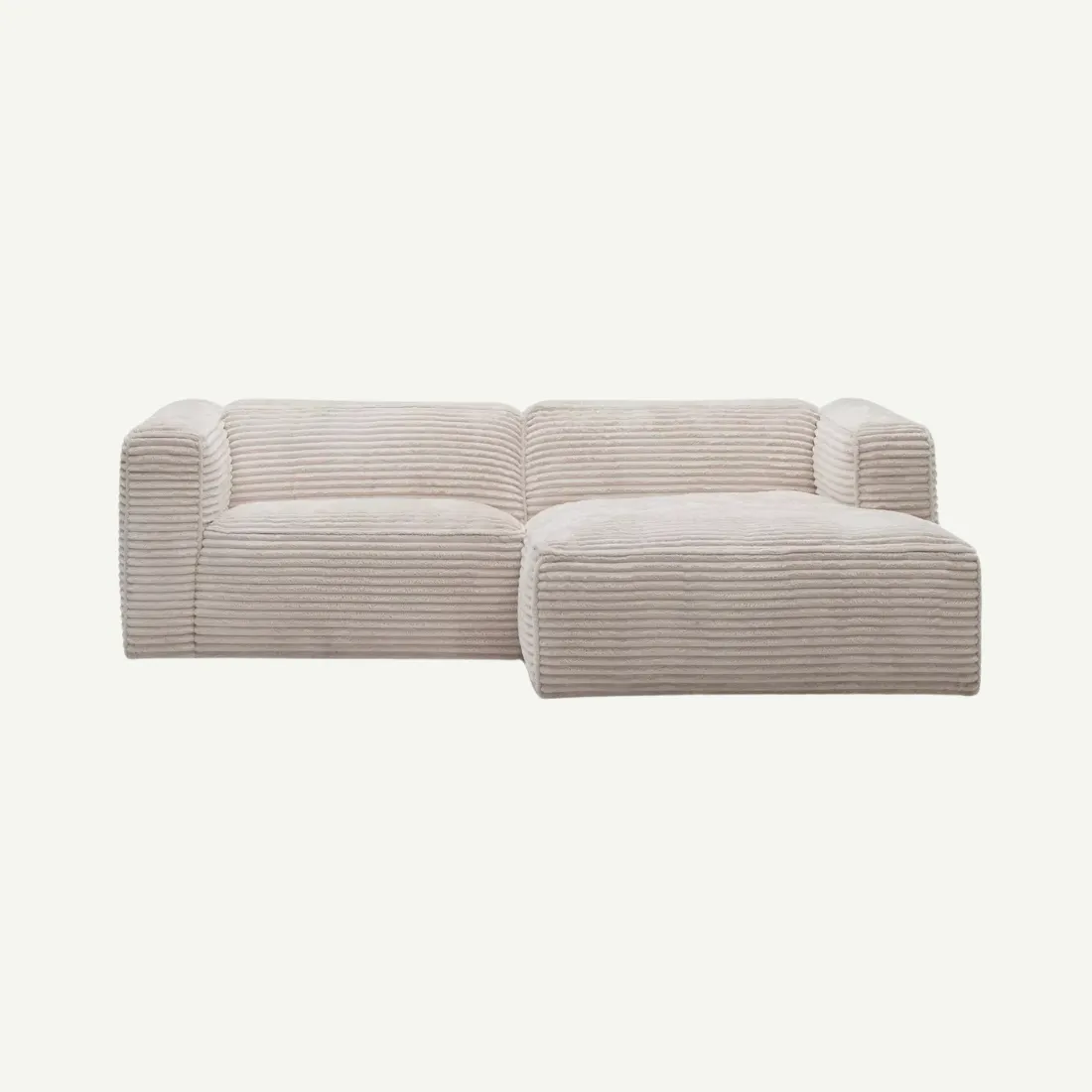
![Moved II Small and Modern Corner Sofa Right Sand Beige Tilia 03]() Express
Express
dispatch
Lighting & Accessories
Lighting should be soft and indirect in a cinema room. Avoid strong ceiling lights during viewing. Layered lighting helps control brightness without ruining the atmosphere. Use wall lights or LED strips behind the screen.
Accessories complete the experience. Add rugs, cushions, and acoustic panels where needed. Soft materials improve sound quality by reducing echo. Keep colours dark and neutral to maintain a cinema feel. Avoid reflective surfaces near the screen area.
Budget-Friendly Cinema Room Tips
You do not need a large budget to create a cinema space. Start with the essentials first. A comfortable sofa and correct layout deliver the biggest impact. Upgrade accessories and lighting later.
Reuse existing furniture where possible. Add simple upgrades like blackout curtains. Blocking natural light instantly improves viewing quality. Focus on function before design extras. Small changes can still create a strong cinema atmosphere.
FAQ
Here are the most common questions about setting up a home cinema room. These answers help clarify key decisions and avoid mistakes.
What is the best sofa for a home cinema room?
A sofa with deep seating and good back support works best. It should feel comfortable for long periods.
How far should a sofa be from the screen?
Place the sofa about 1.5 to 2.5 times the screen width away. This ensures clear and comfortable viewing.
Should a home cinema room be completely dark?
Yes, darker rooms improve picture quality. Use blackout curtains or controlled lighting for best results.
What type of lighting works best in a cinema room?
Soft, indirect lighting is ideal. LED strips and wall lights work better than ceiling lights.
Can I create a cinema room in a small space?
Yes, even small rooms can work well. Focus on layout, seating comfort, and light control.