Posted on May 21, 2026
How Much Does It Cost to Furnish a House in the UK in 2026?
Average UK Furniture Costs by Room (table)
Below is a realistic snapshot for a typical UK home. Prices reflect 2026 market ranges.
| Room | Budget Range (£) | Mid-Range (£) | Premium (£) |
|---|---|---|---|
| Living Room | 1,200–2,500 | 3,000–6,000 | 7,000–12,000 |
| Bedroom | 800–1,800 | 2,000–4,000 | 5,000–9,000 |
| Dining Room | 500–1,200 | 1,500–3,500 | 4,000–8,000 |
| Home Office | 300–800 | 1,000–2,500 | 3,000–6,000 |
| Storage & Extras | 300–700 | 800–2,000 | 2,500–5,000 |
Living rooms usually take the largest share of your budget, especially when investing in a sofa. Bedrooms follow closely due to beds and wardrobes.
Costs vary by materials, size, and brand. Manufactured wood furniture is common in mid-range options, offering durability and better value.
Budget Breakdown: Starter vs Mid-Range vs Premium
A starter budget suits renters or first homes. Expect basic functionality and simple finishes. You prioritise essentials over aesthetics in this range.
Mid-range homes balance comfort and style. You gain better fabrics, improved construction, and longer lifespan. This is the most common choice in the UK.
Premium budgets focus on design, longevity, and detail. You invest in craftsmanship, premium fabrics, and statement pieces that define the space.
Higher budgets also allow better ergonomics and comfort. Sofas, beds, and chairs feel noticeably different at this level.
Discover our most loved designs
-
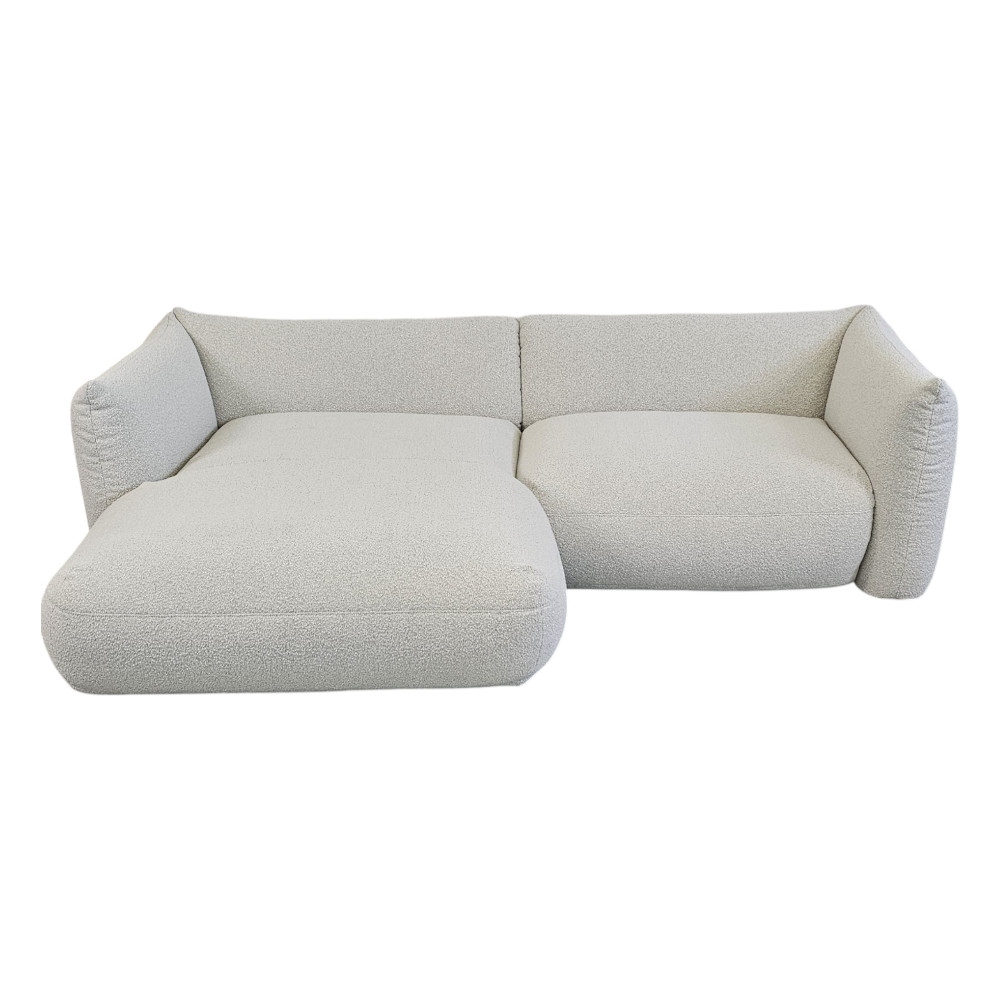
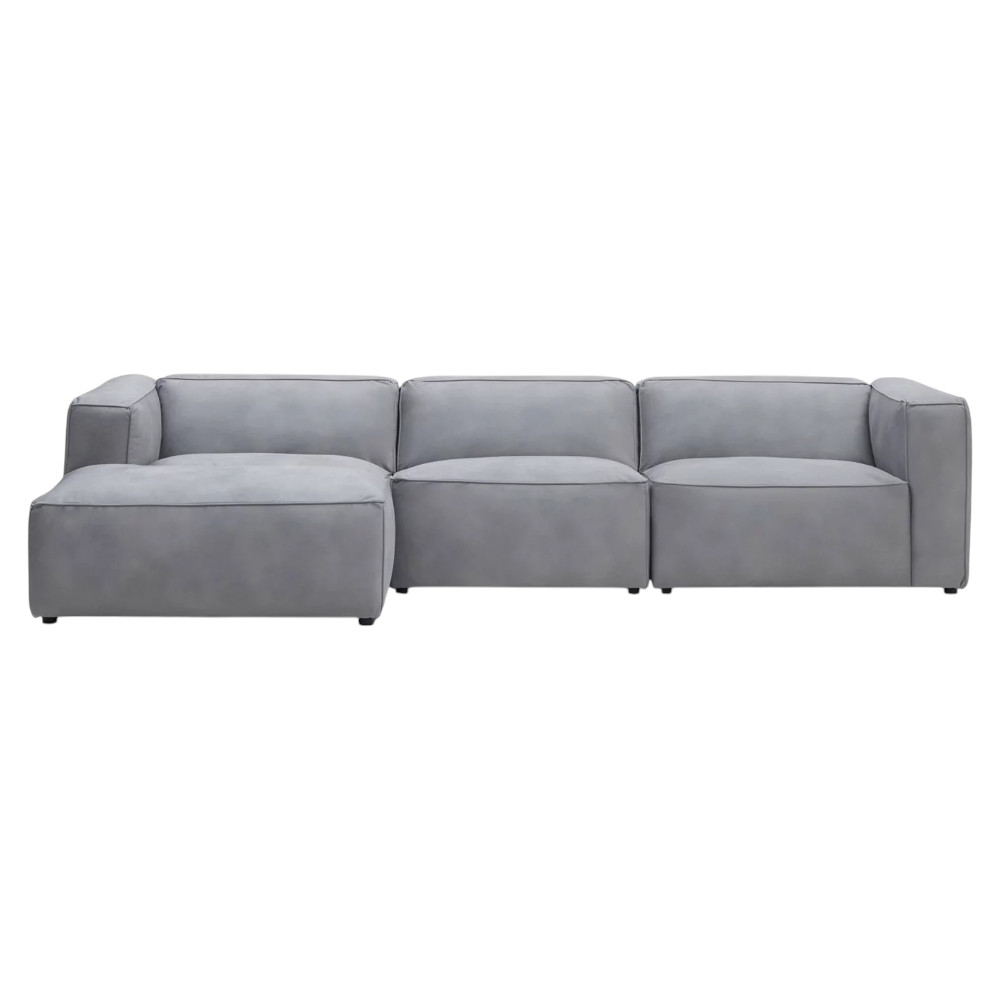
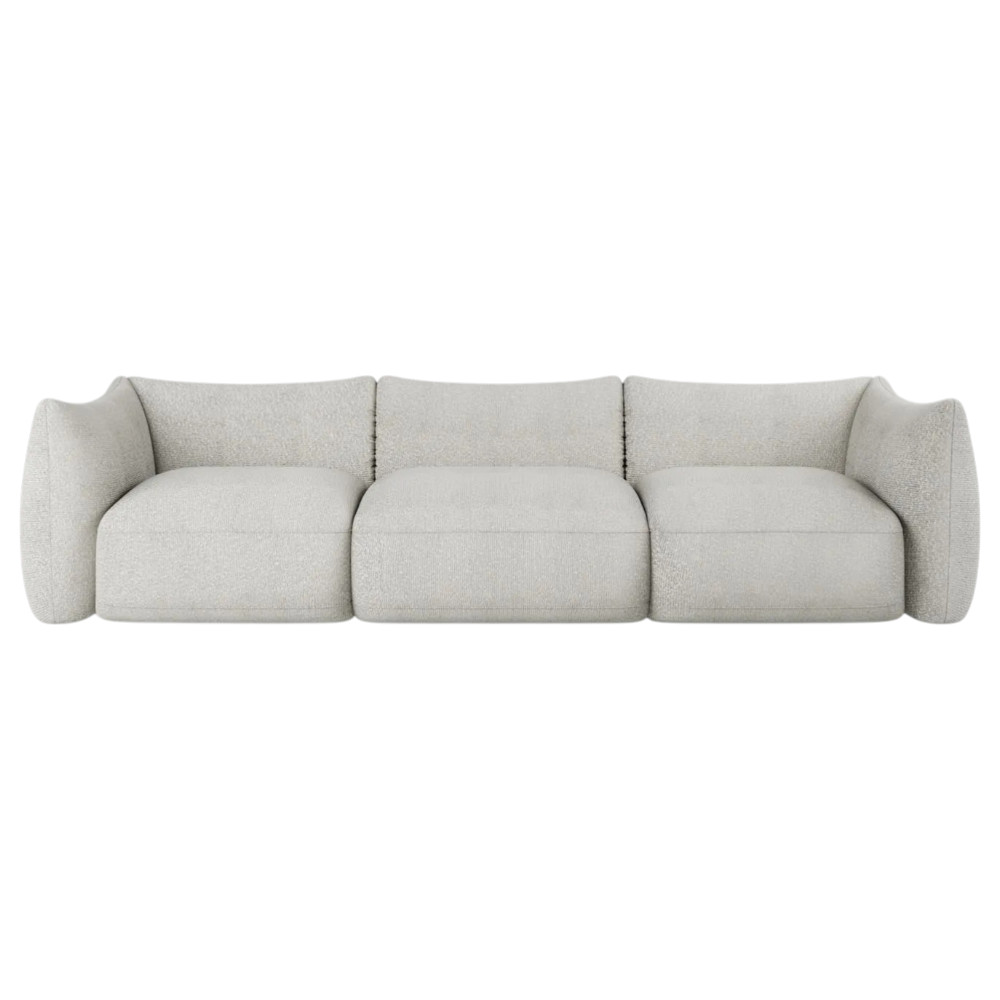
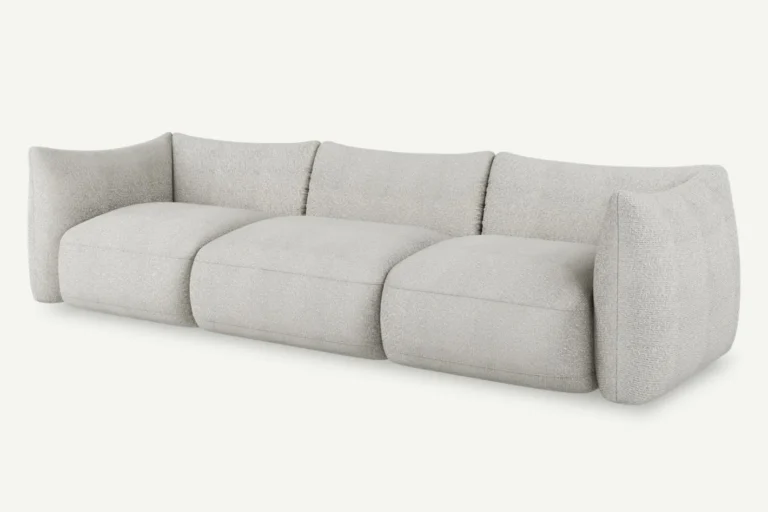
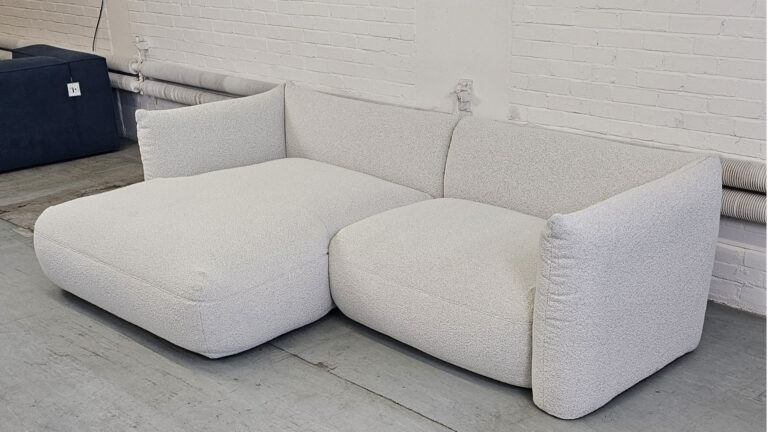
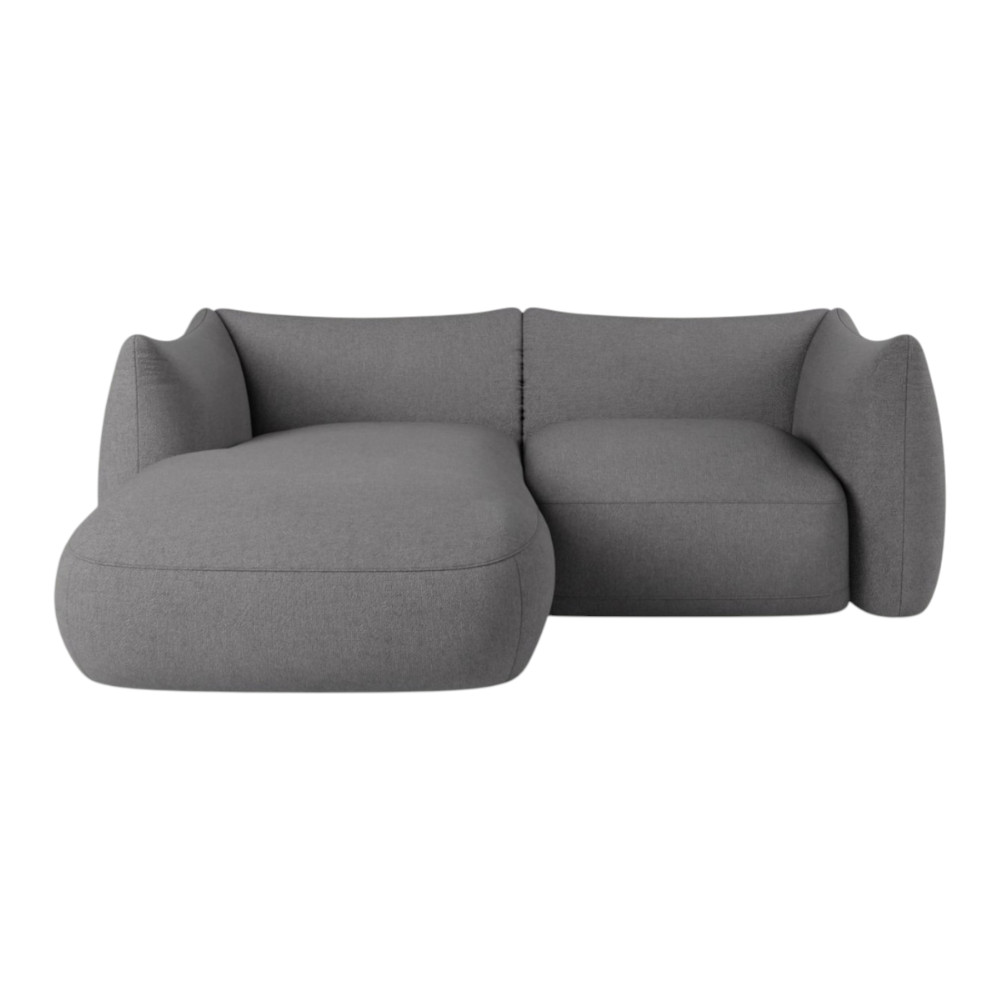
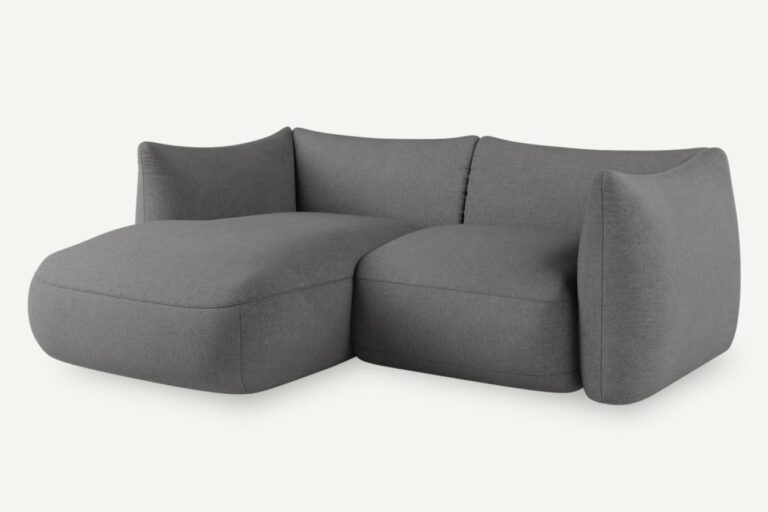
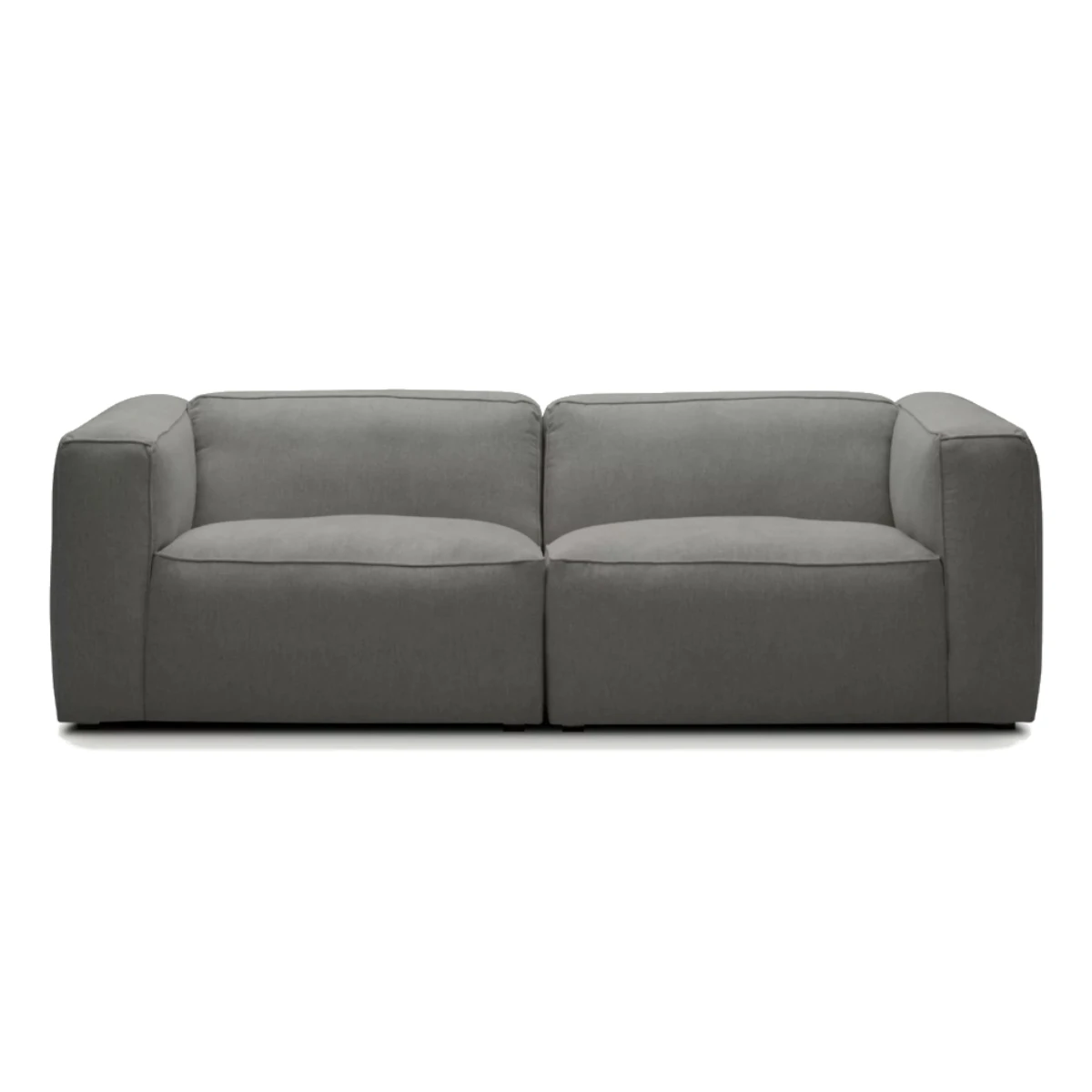
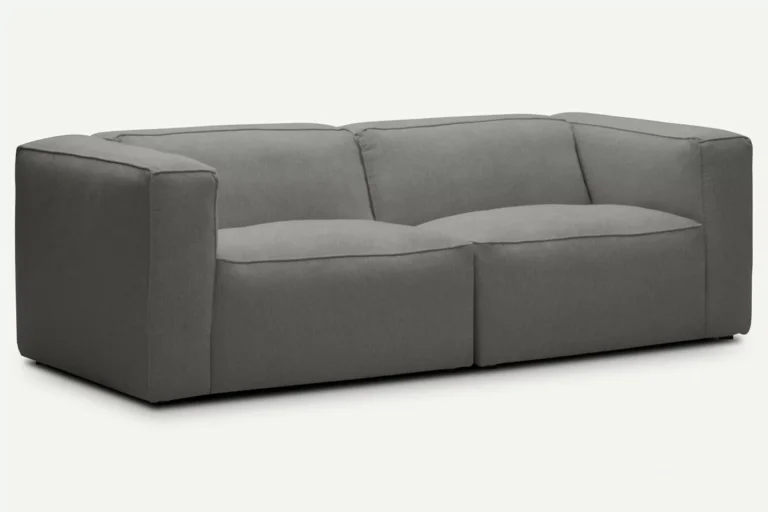
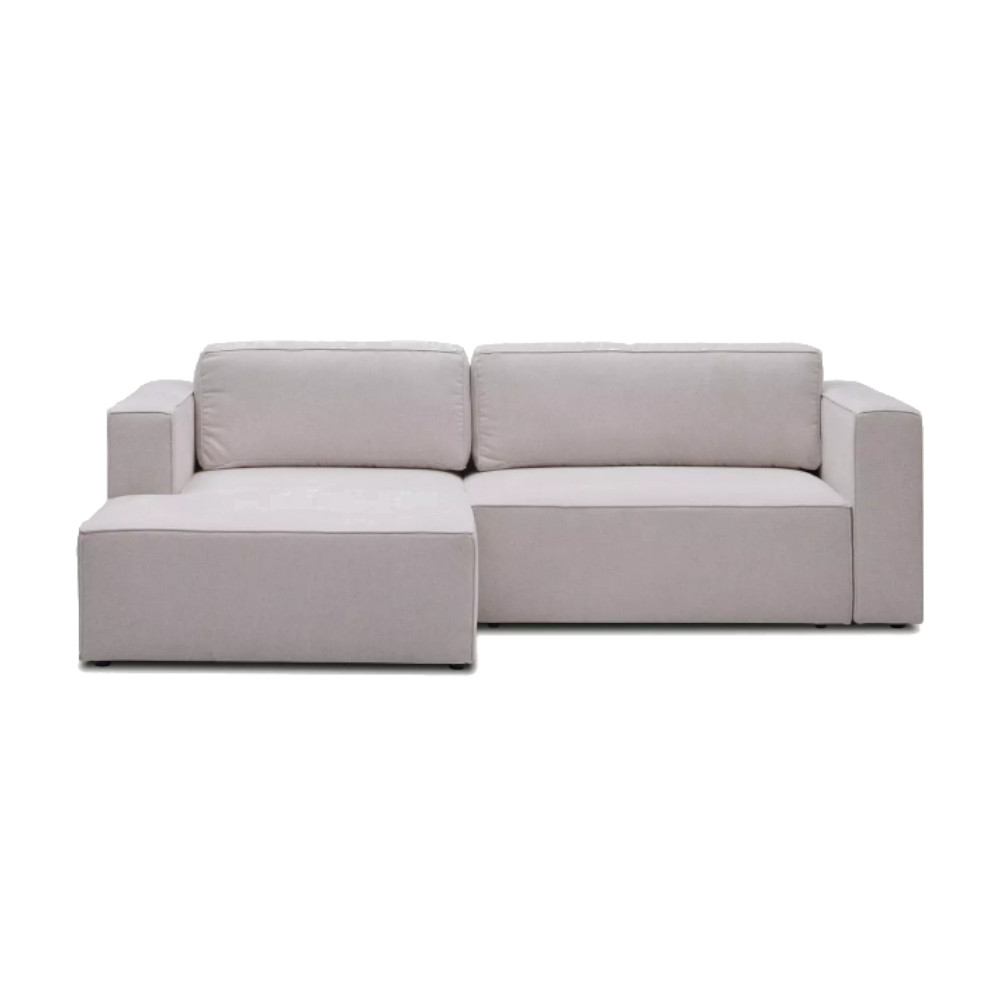
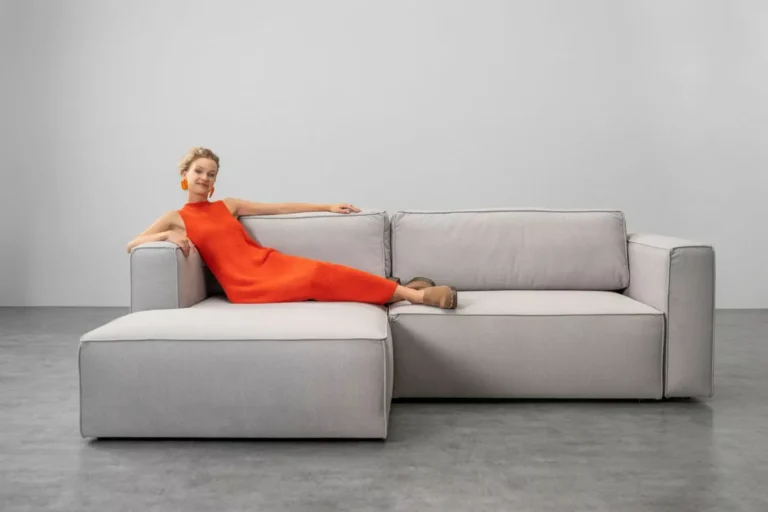
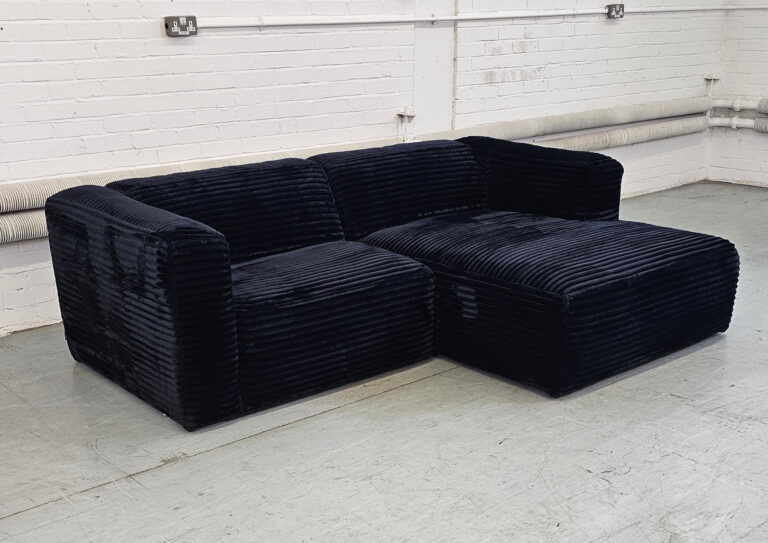
![Cosy XL 2 Seater Modular Corner Sofa Left Copenhagen 900]() Express
Express
dispatch£2,170.00£1,600.00 -
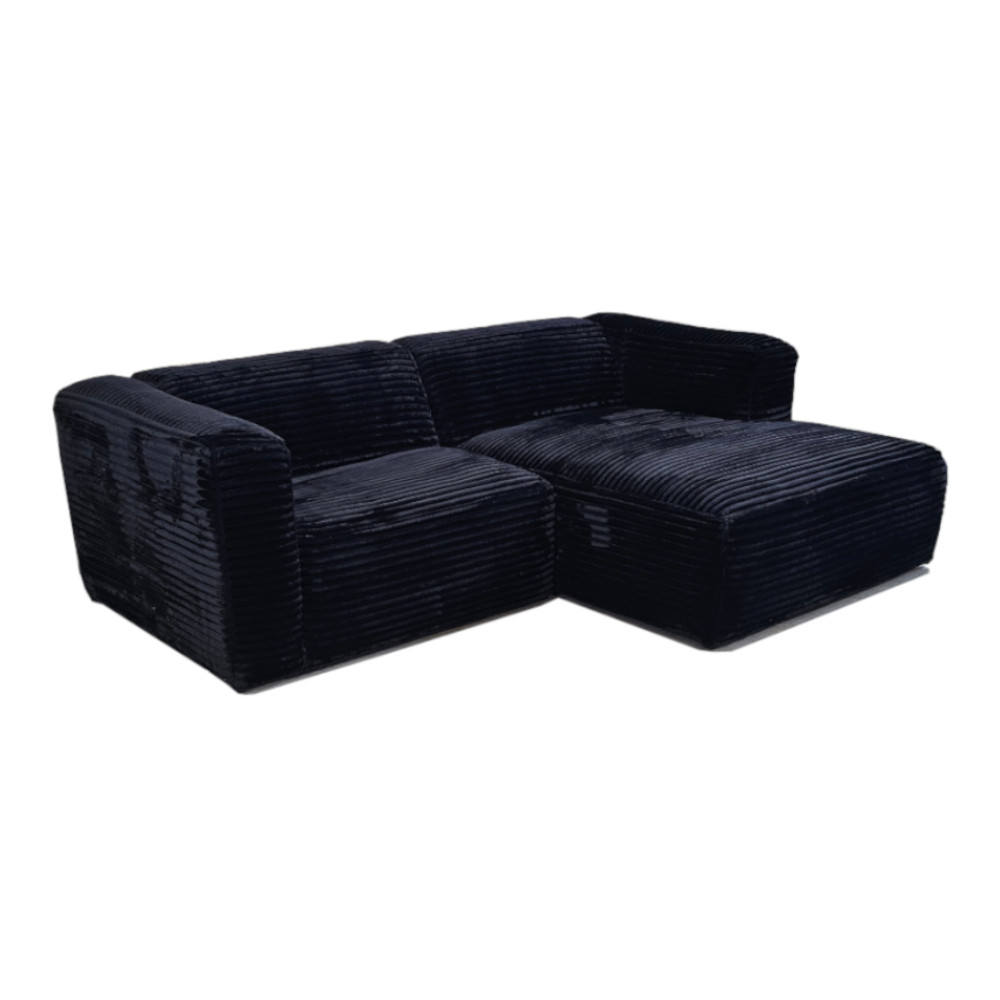
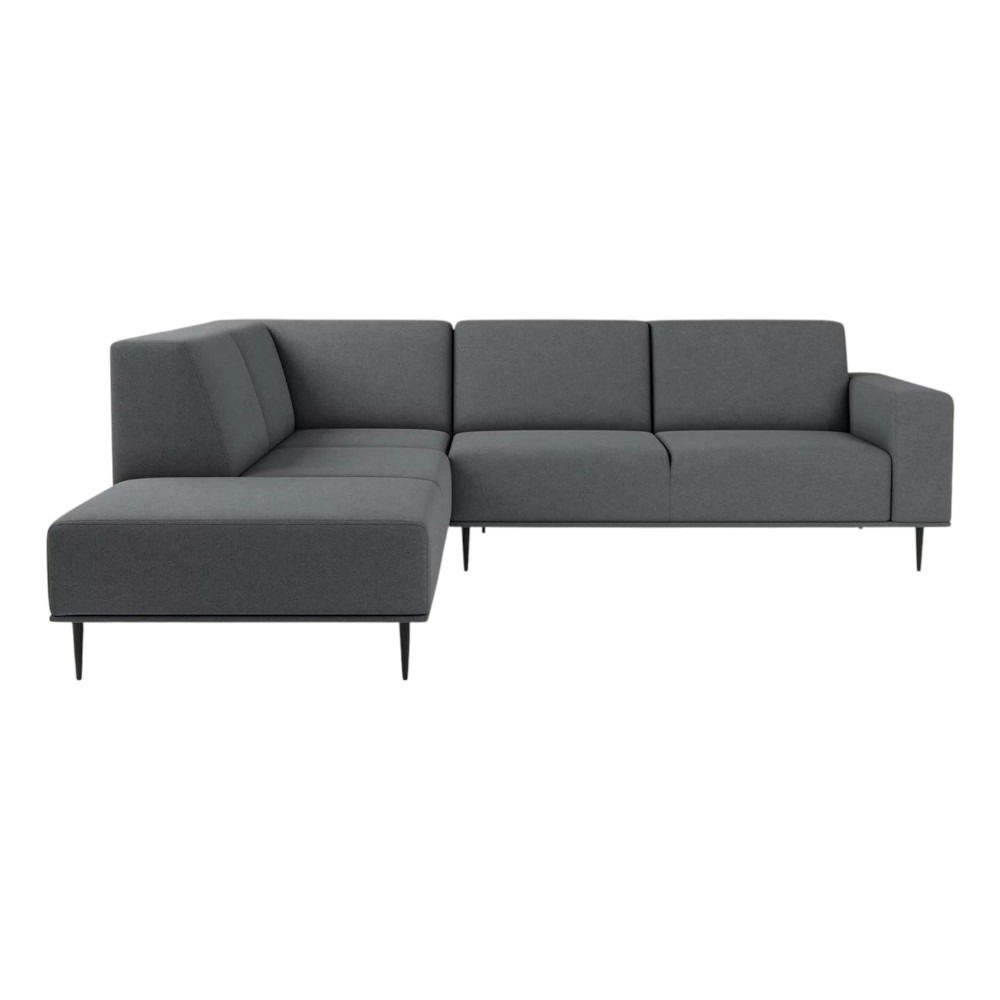
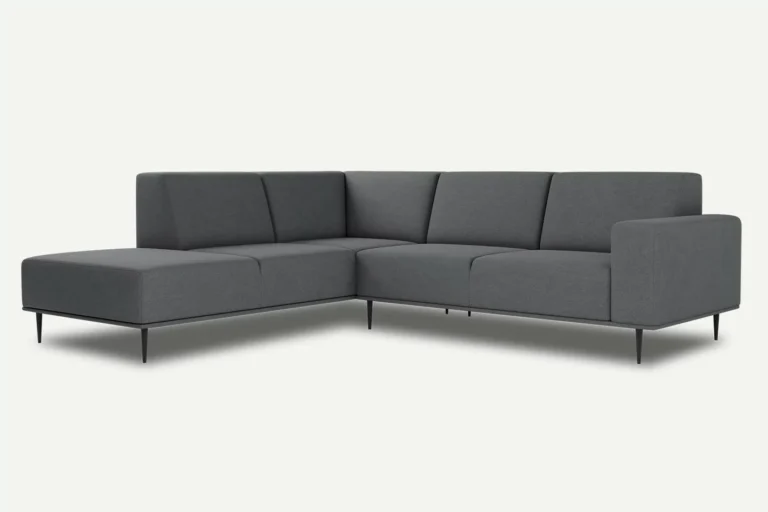
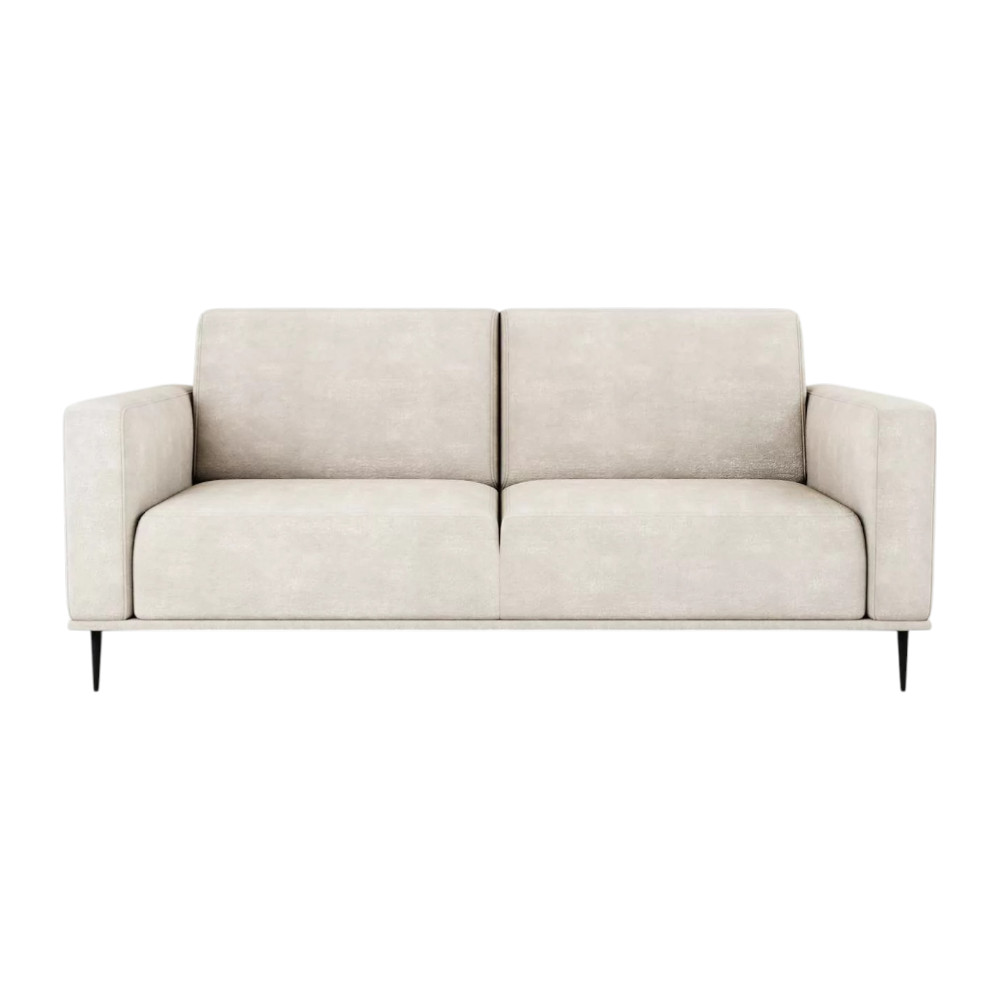
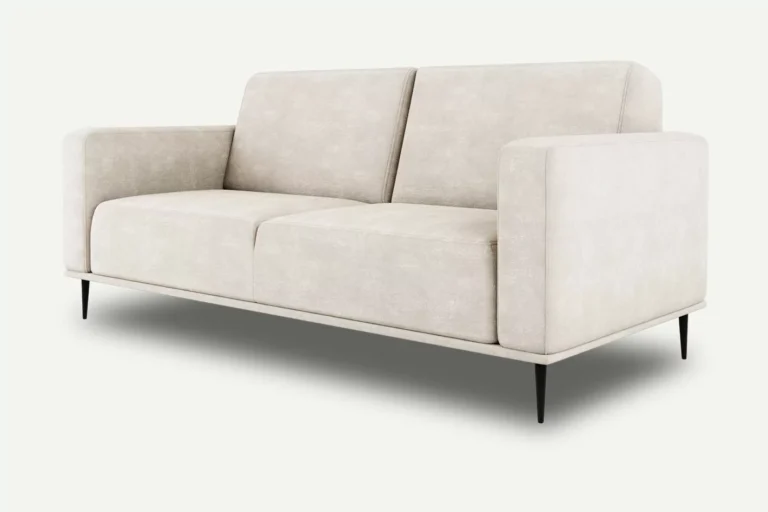
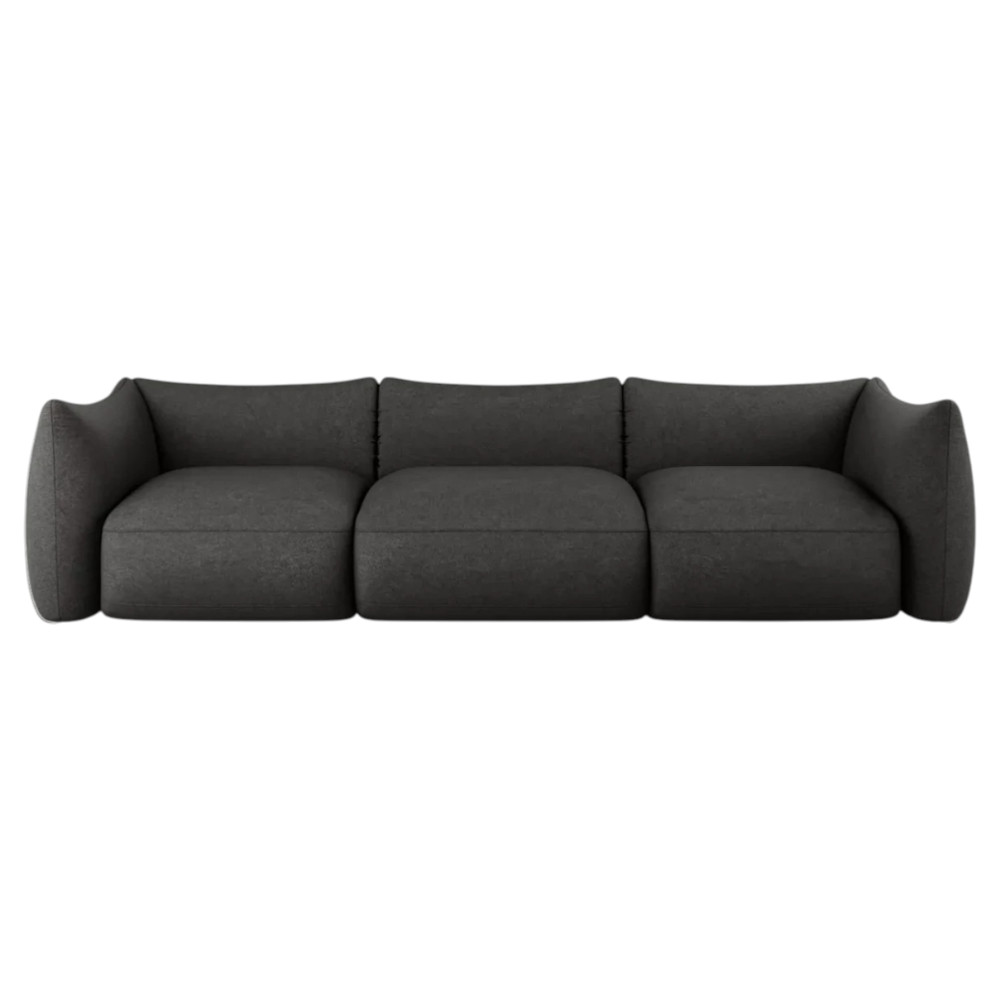
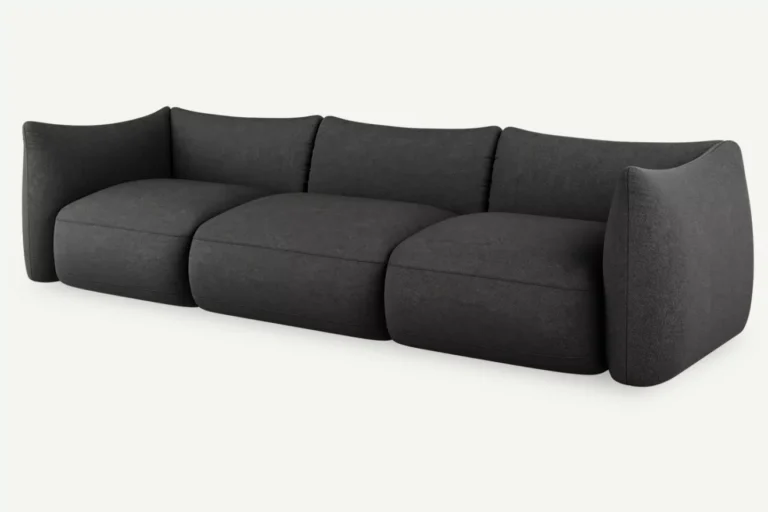
![Moved XL Modern 3 Seater Corner Sofa Right Black Tilia 100]() Express
Express
dispatch

Where to Save and Where to Invest
You should save on items that change often. Accessories, side tables, and décor are easy to update later. These items do not require long-term durability.
Flat-pack storage solutions also reduce costs. They offer flexibility and quick replacement when needed.
You should invest in items used daily. Sofas, beds, and dining chairs deserve higher budgets. These pieces affect comfort, posture, and long-term satisfaction.
A good sofa can last years if well made. Spending more here reduces replacement costs later.
Hidden Costs to Plan For
Delivery, assembly, and disposal add up quickly. Many buyers forget these costs during planning. Always set aside 10–15% of your budget for extras.
Accessories also increase spend. Rugs, lighting, and curtains complete the space but cost more than expected.
Timing can affect pricing. Seasonal demand often increases furniture costs. Planning ahead helps avoid peak pricing.
Small upgrades also add hidden expenses. Better fabrics, finishes, and configurations can raise total costs significantly.
FAQ
Here are the most common questions about the costs of furnishing a house in the UK.
How much does it cost to furnish a 3-bedroom house in the UK?
A typical range is £8,000 to £30,000. The final cost depends on quality and design choices.
What is the cheapest way to furnish a house?
Start with essentials only. Buy in phases. Focus on functionality before aesthetics.
Is it better to buy furniture in sets?
Sets can save money. However, mixing pieces often creates a more personalised interior.
How long should furniture last?
Quality furniture should last 5 to 15 years. Higher-end pieces often last longer with proper care.
Should I furnish all rooms at once?
No. It is better to prioritise key rooms first. Spread spending over time to manage costs.