
Posted on June 4, 2026
What Colour Sofa Should I Buy? A Complete Guide to Choosing the Right Shade
Choosing the right sofa colour comes down to one simple rule: match your sofa to your room’s size, light, and lifestyle needs first, then follow trends second. The wrong shade can overwhelm a space, while the right one transforms it instantly. In this guide, we break down exactly how to choose a sofa colour that works long-term. Explore your options carefully and find the perfect shade for your home.
Start with Your Room
Your room should always guide your sofa colour choice. Room size, natural light, and existing furniture define what colours will work best. A large, bright living room can handle bold tones, while a smaller space benefits from lighter shades that reflect light.
Think about how the room feels throughout the day. North-facing rooms often feel cooler, so warmer sofa tones like beige or terracotta can balance this. South-facing rooms allow more flexibility, as natural light enhances both light and dark colours.
Also consider flooring and existing décor. A dark wood floor pairs well with warm neutrals or rich tones. Lighter flooring works beautifully with soft greys or pastel shades. Your sofa should complement the room, not compete with it.
Popular Sofa Colours & What They Suit
Neutral colours remain the safest and most versatile choice. Grey sofas suit modern interiors and adapt easily to changing décor. Beige and cream create a warm, inviting atmosphere, especially in classic or minimalist spaces.
Bold colours are becoming more popular in UK homes. Deep green adds a natural, calming feel. Navy blue creates a refined and elegant look. These colours work best when balanced with neutral walls and accessories.
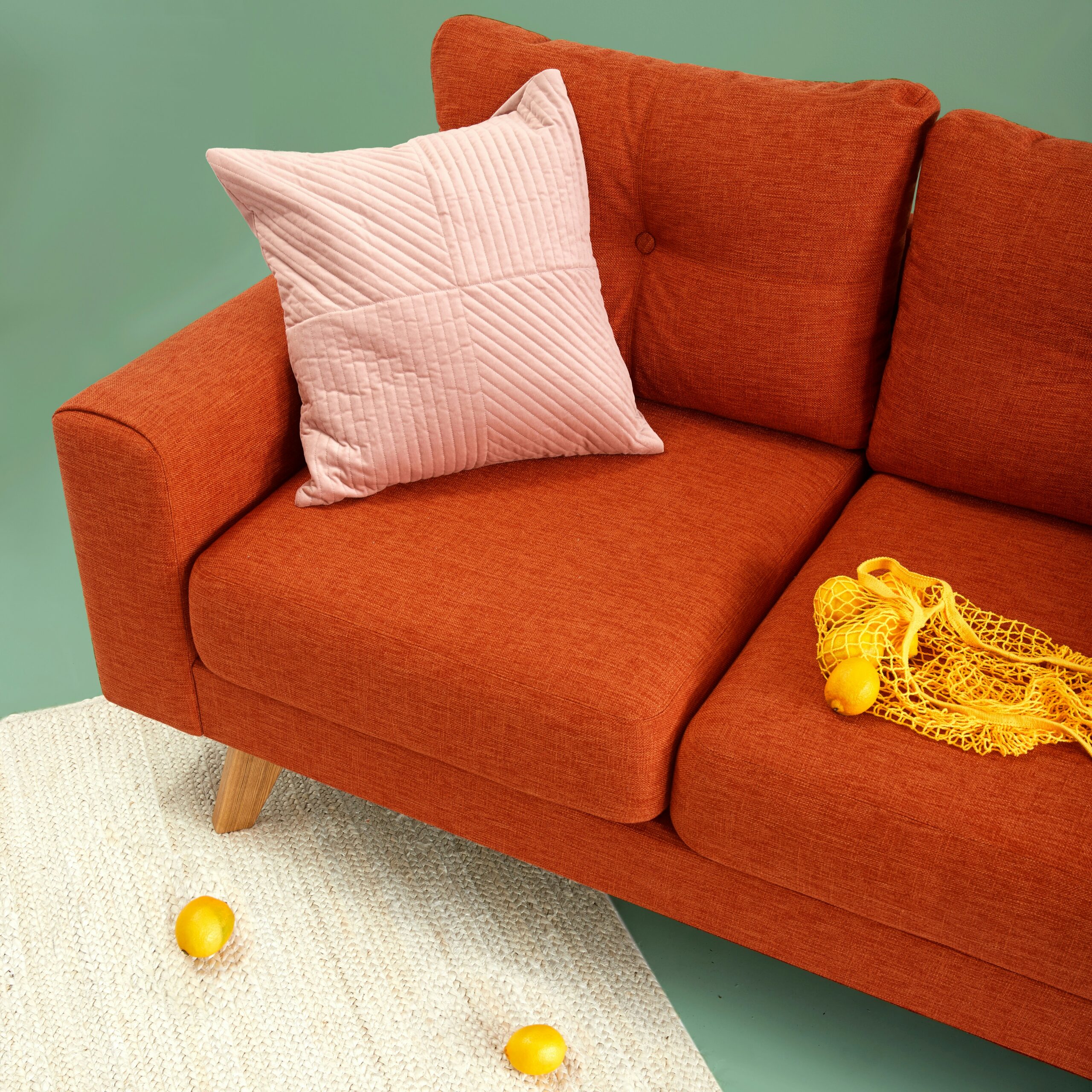
Warmer tones like beige, mustard, or terracotta bring personality into a room. They work well in cosy, layered interiors. However, they require careful styling to avoid overwhelming the space.
If you want flexibility, stick to neutral upholstery and add colour through cushions and throws. This allows easy updates without replacing your sofa.
Light vs Dark Sofas
Light sofas create a sense of space and openness. They reflect light, making small rooms feel larger and more airy. Shades like cream, light grey, and soft beige are ideal for compact living rooms.
However, light colours require more maintenance. Marks and stains are more visible, especially in busy households. If you have children or pets, consider performance fabrics or mid-tone shades instead.
Dark sofas offer durability and practicality. Colours like charcoal, navy, or deep brown hide everyday wear better. They also create a strong visual anchor in larger rooms.
That said, dark sofas can make small spaces feel more enclosed. Balance them with lighter walls, rugs, and accessories to keep the room from feeling heavy.
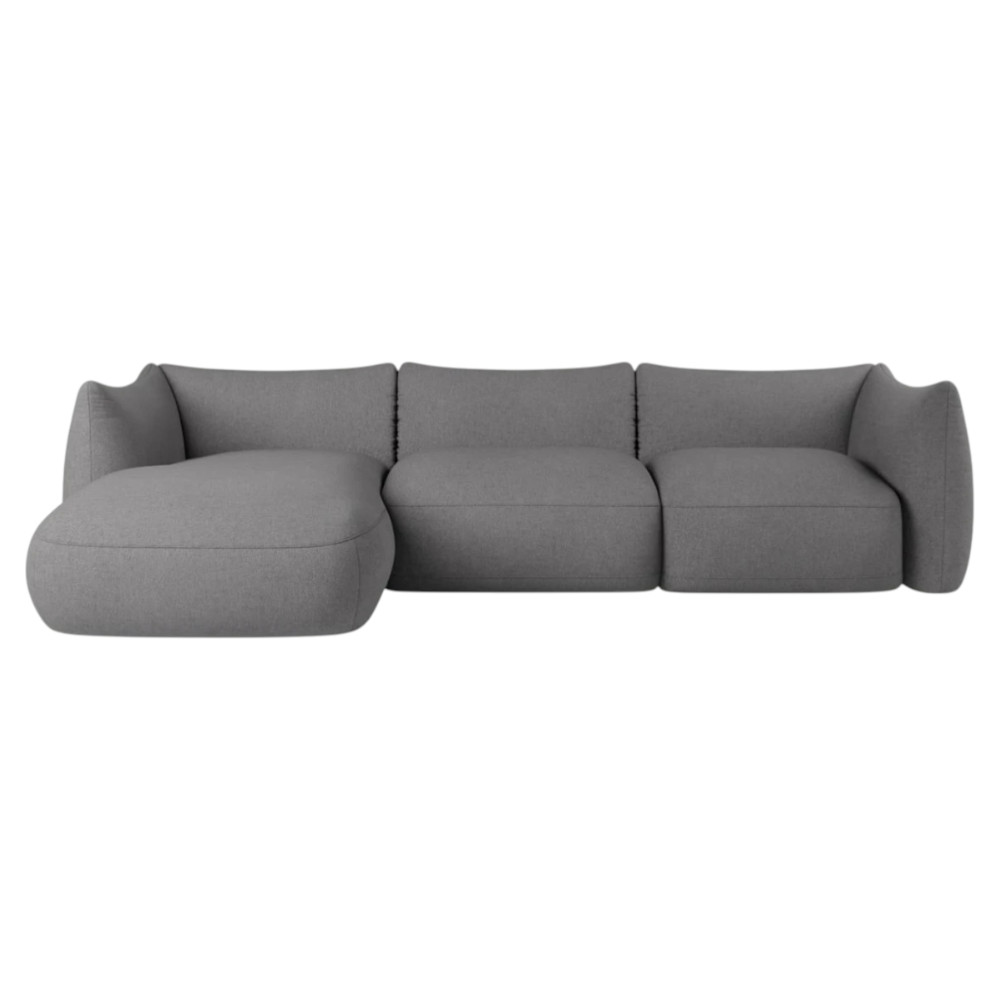
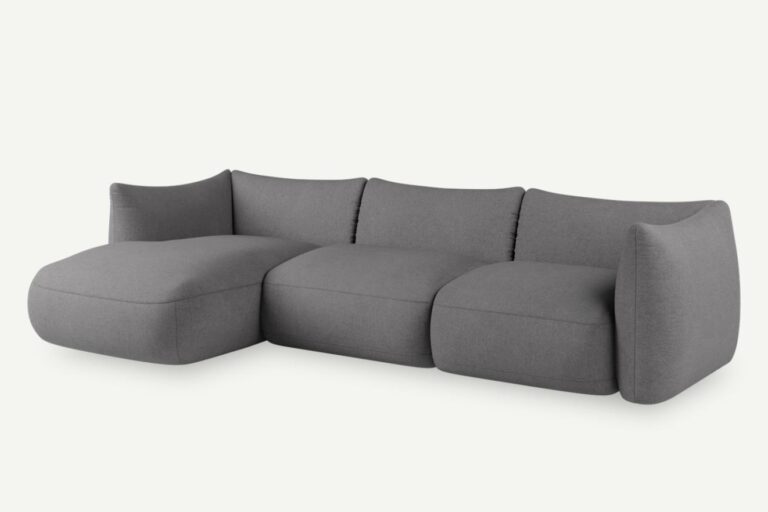
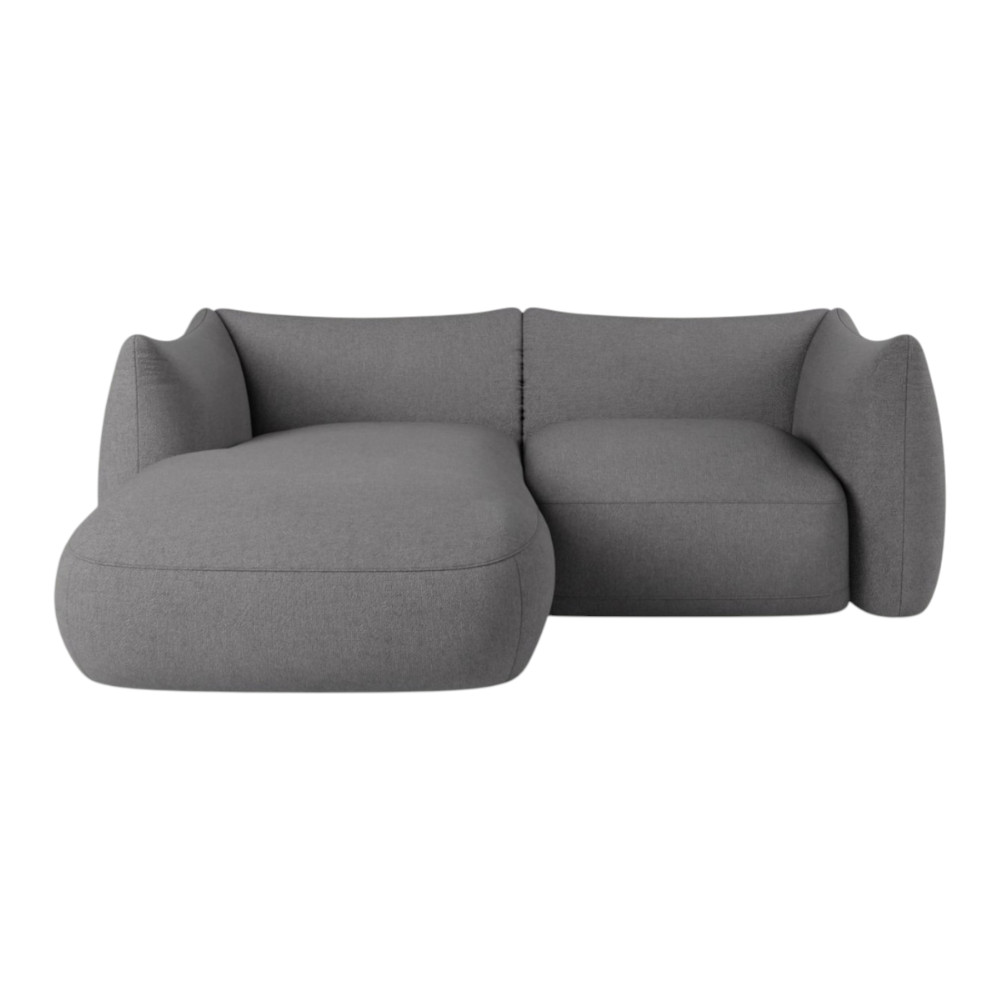
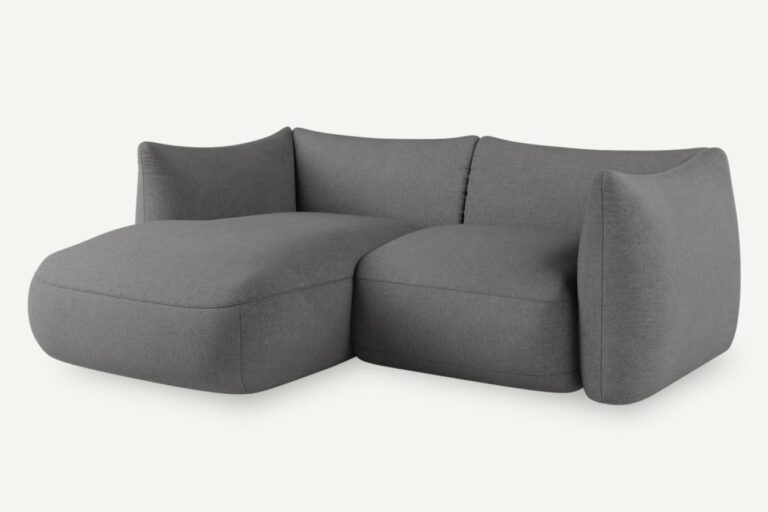
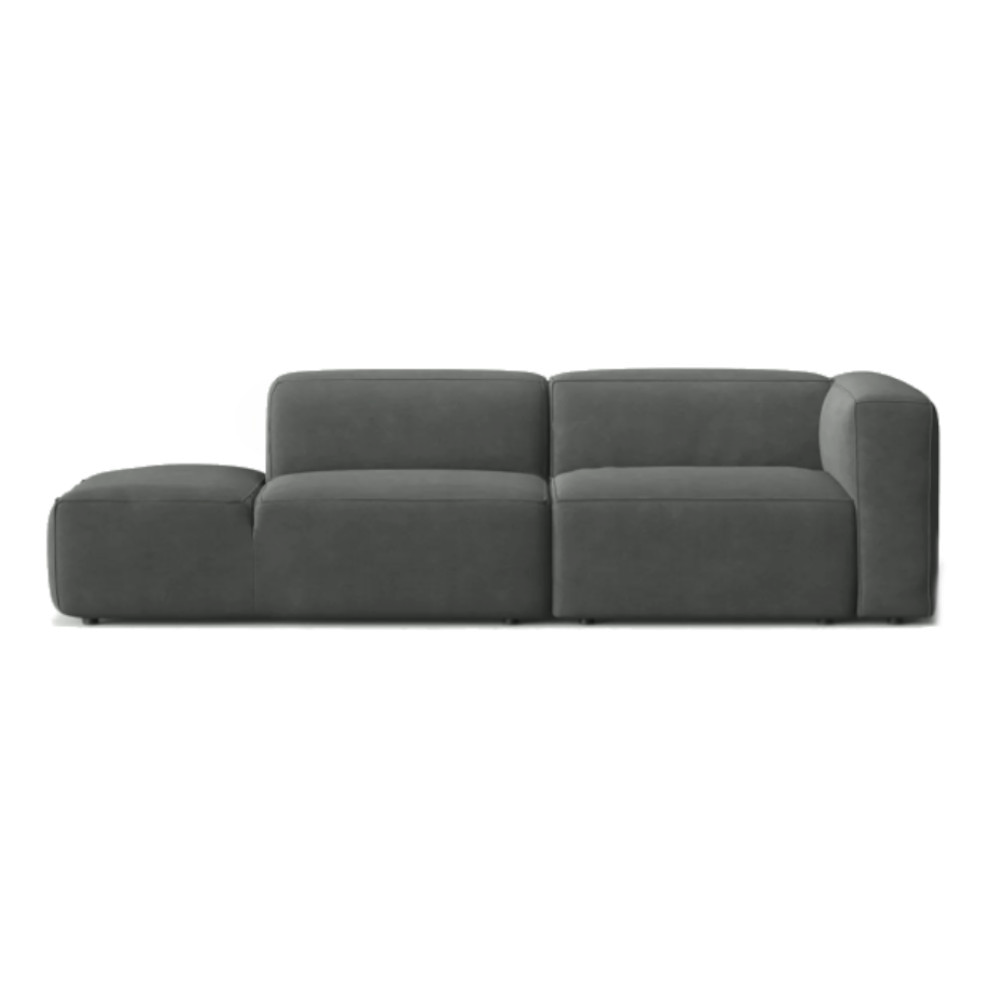
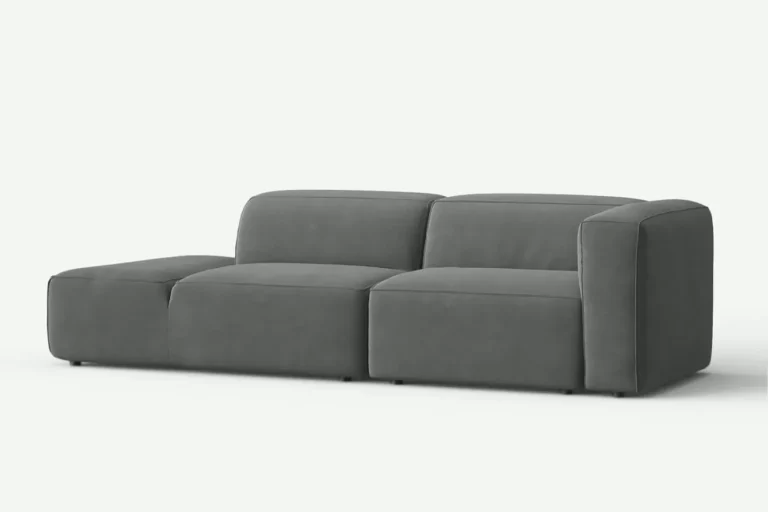
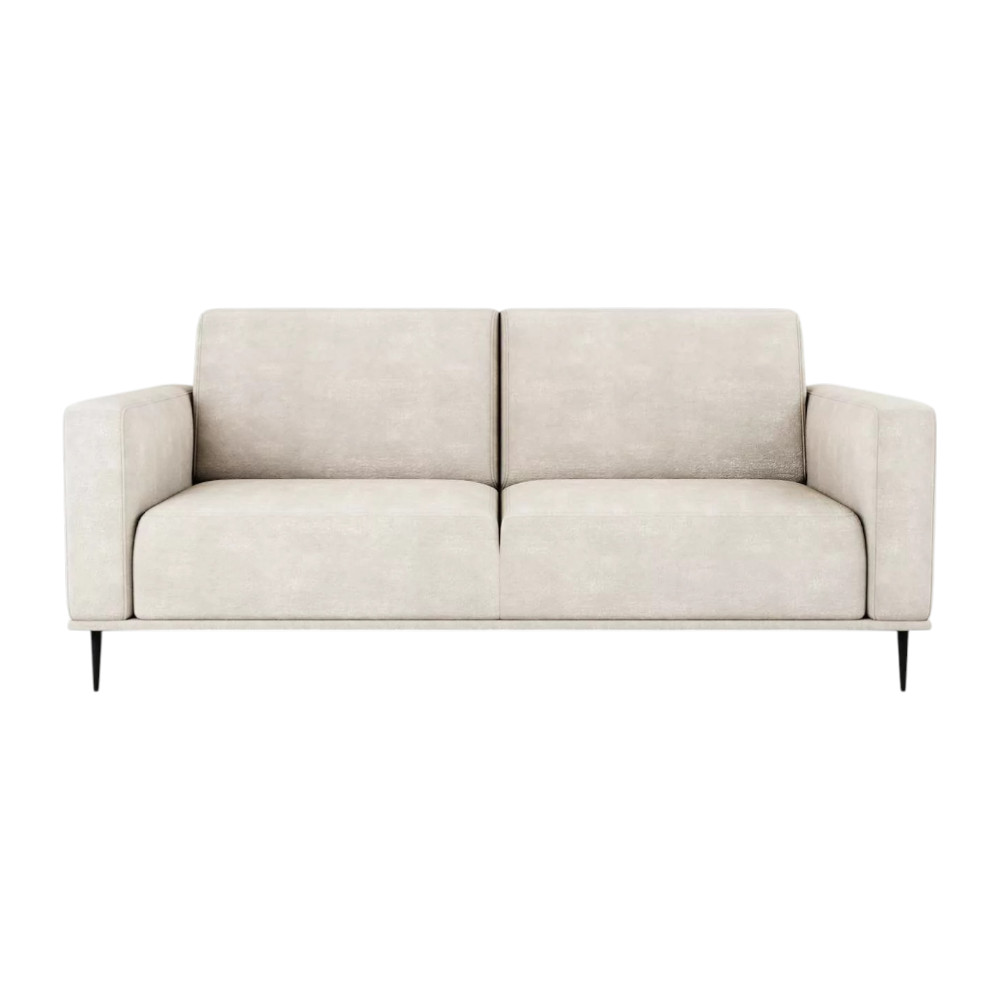
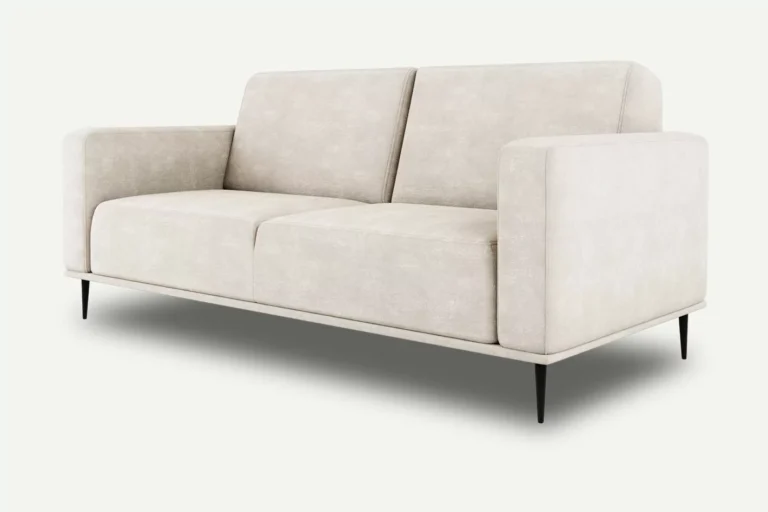
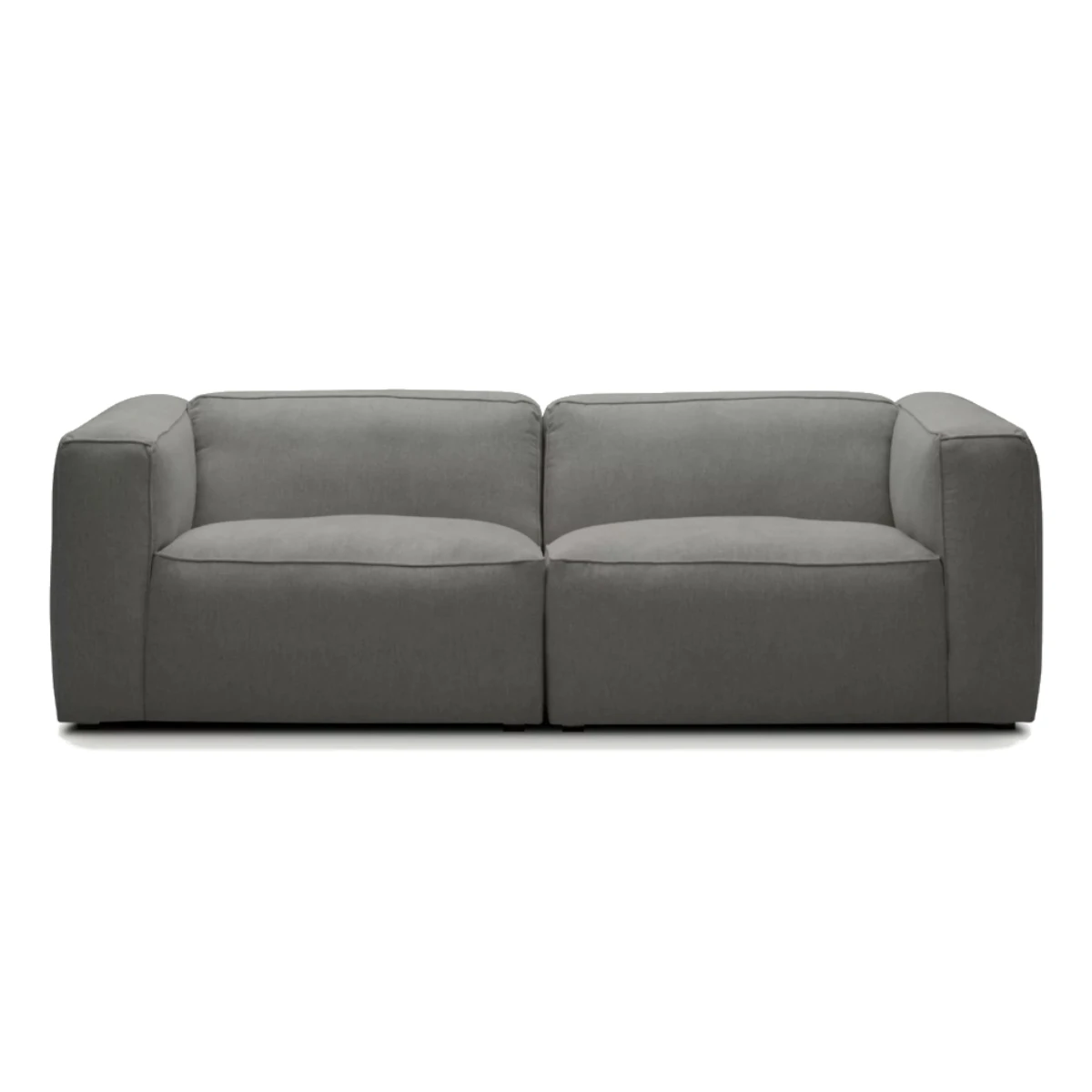
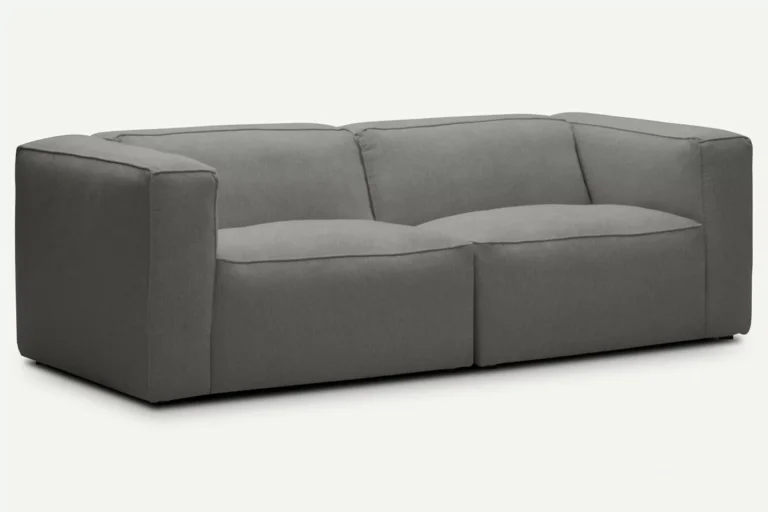
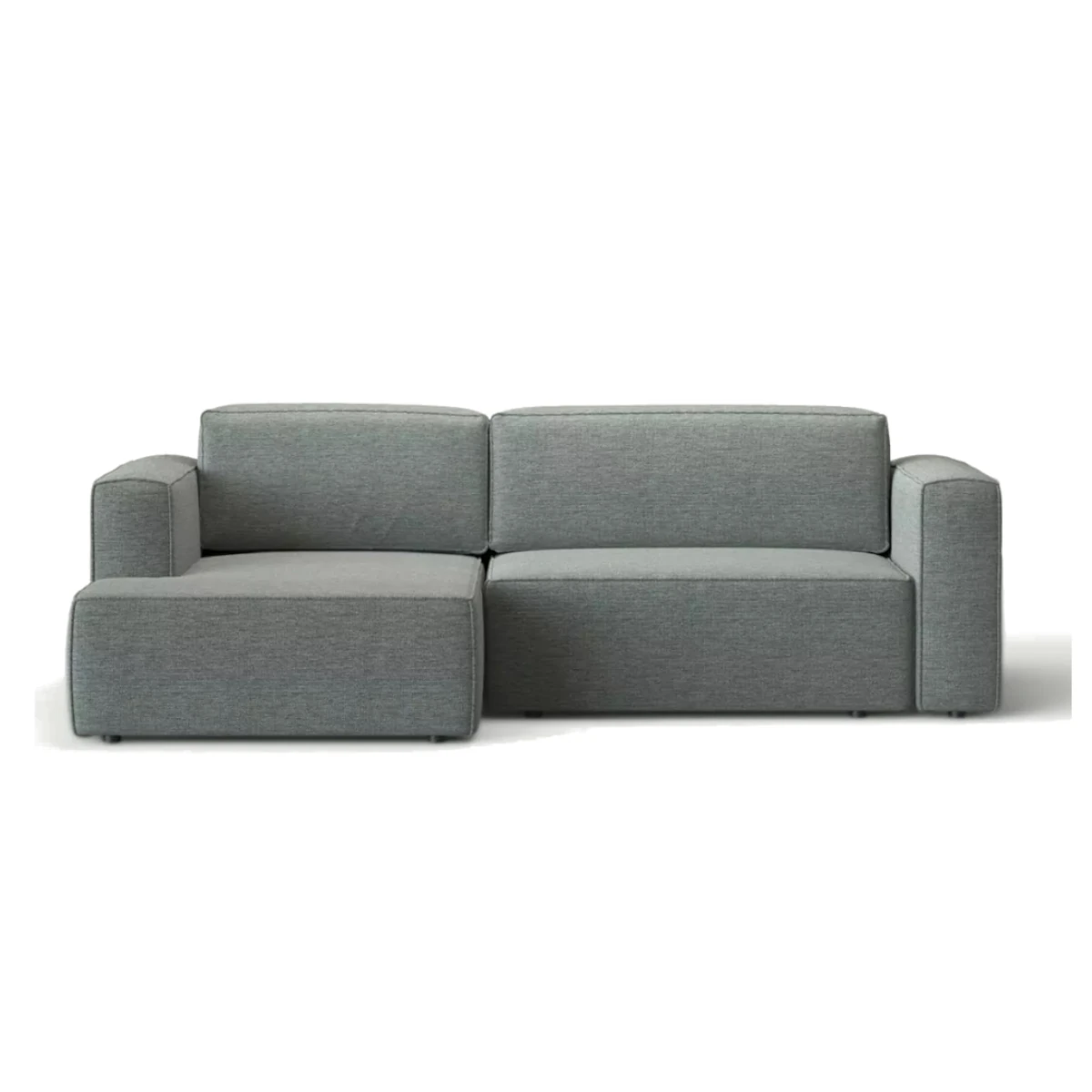
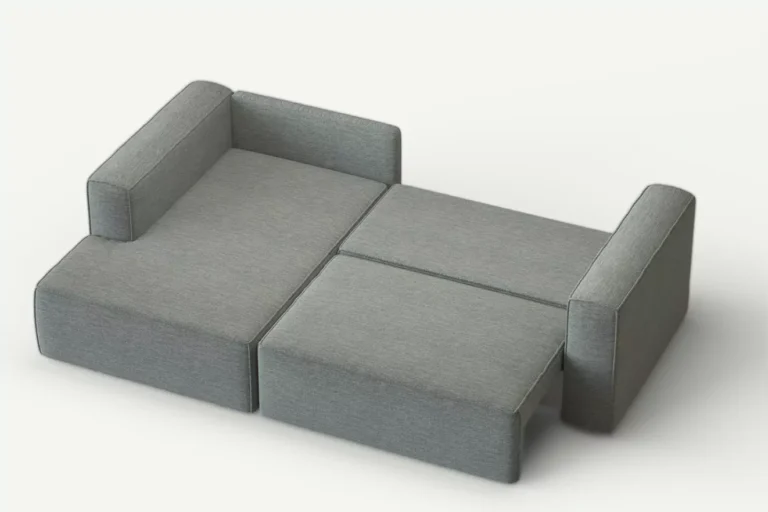
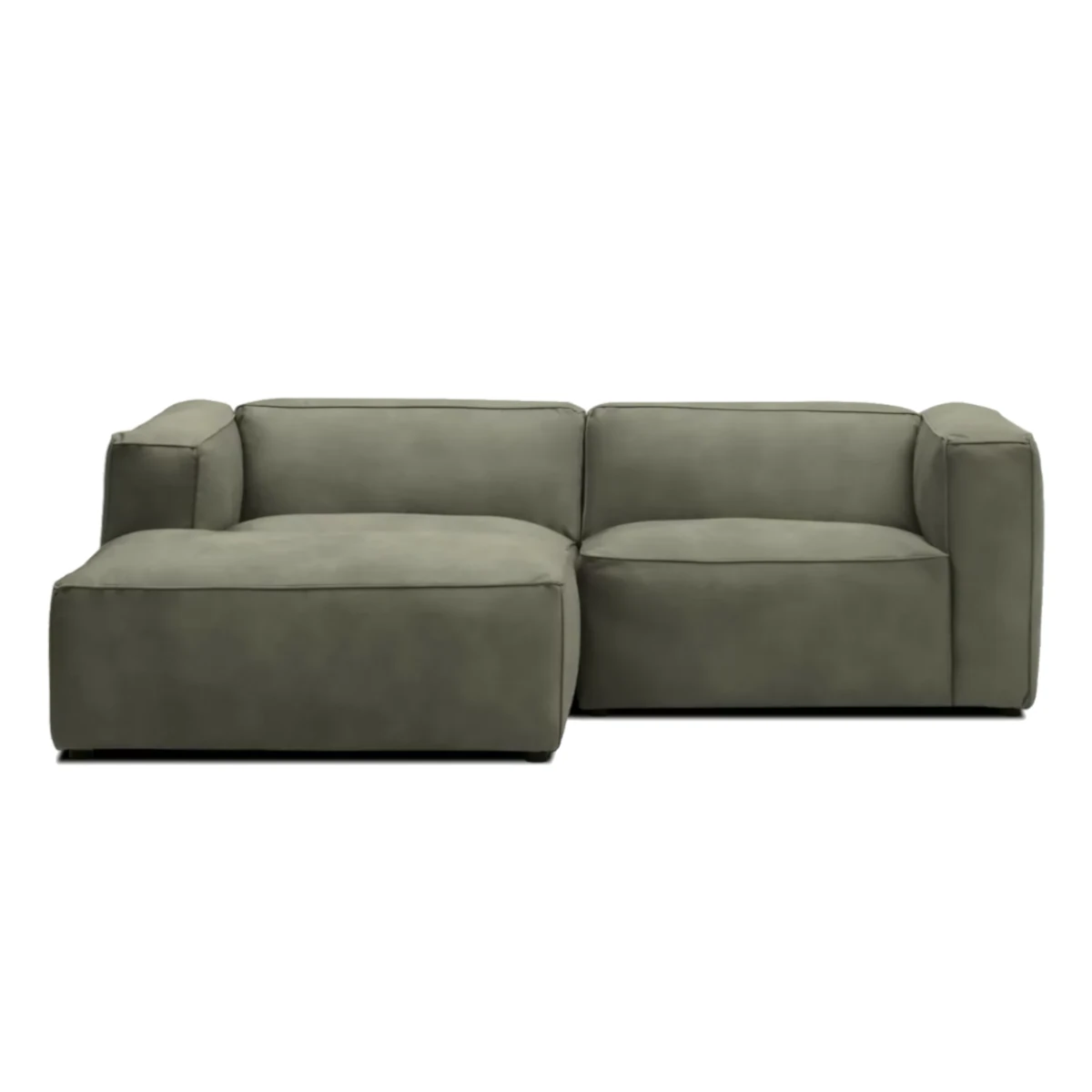
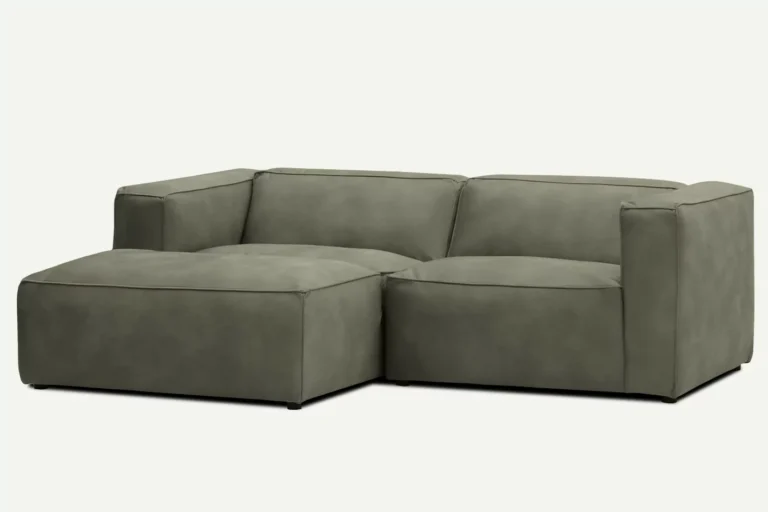
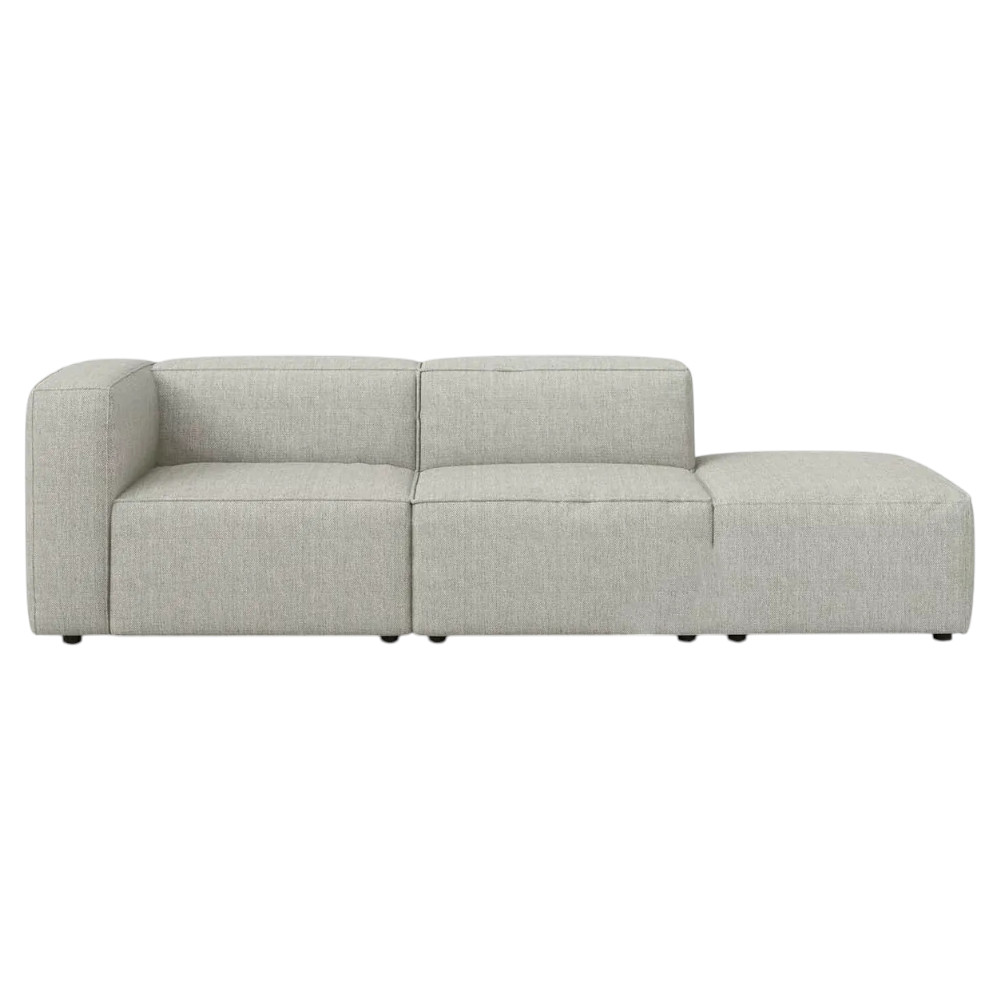
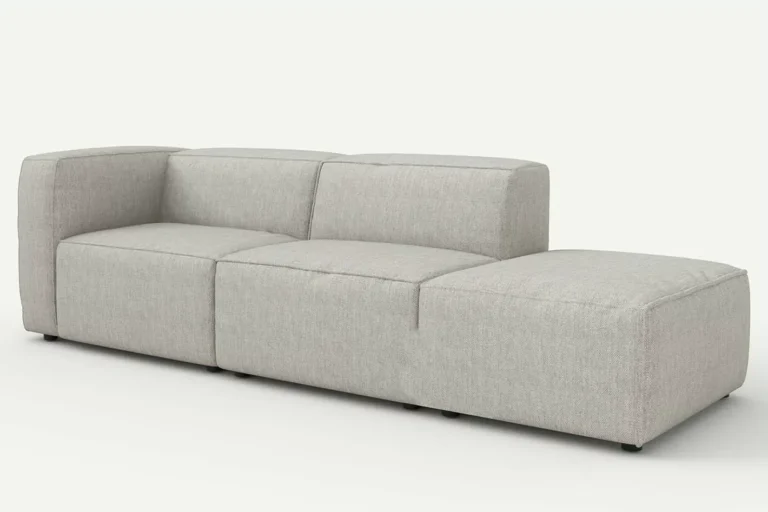
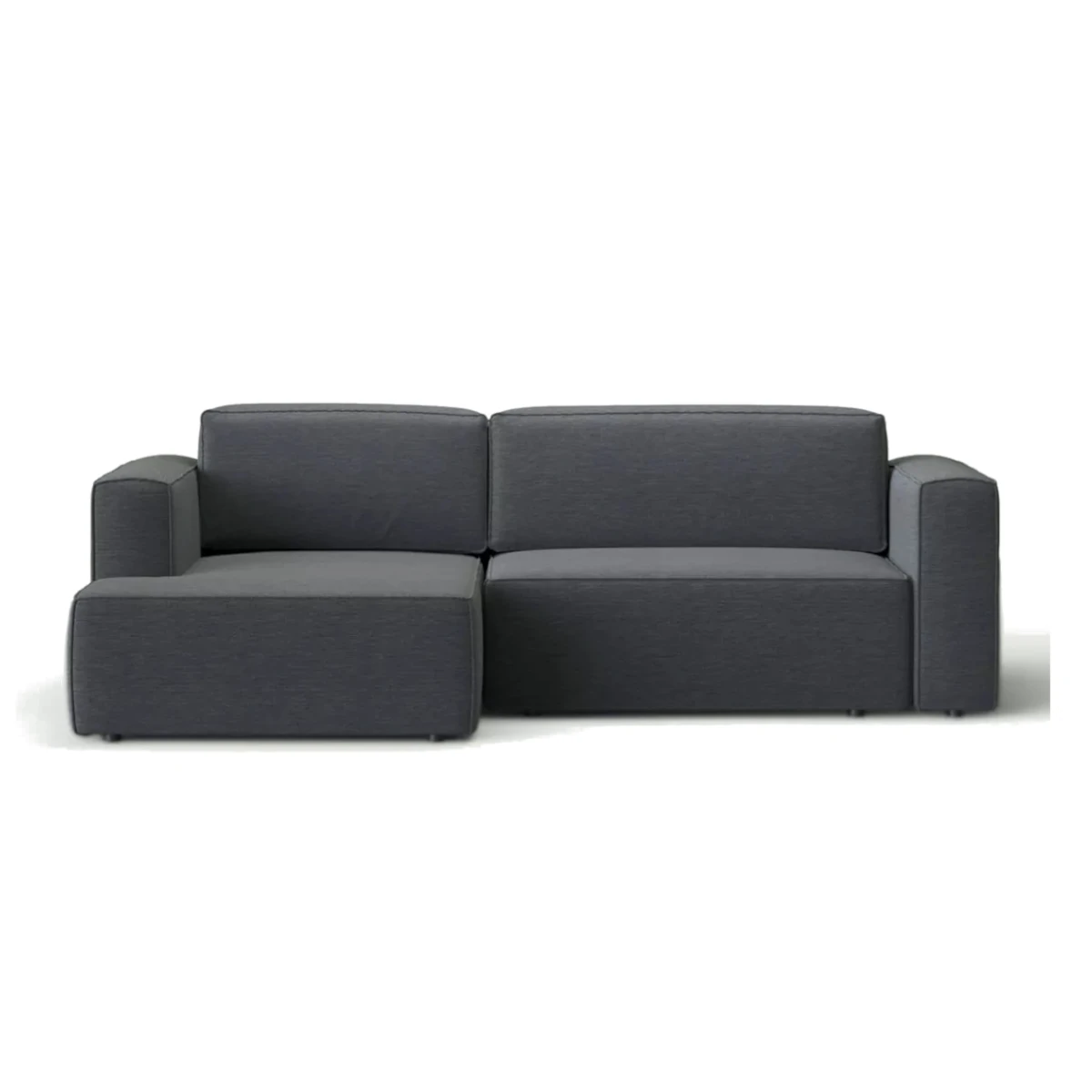
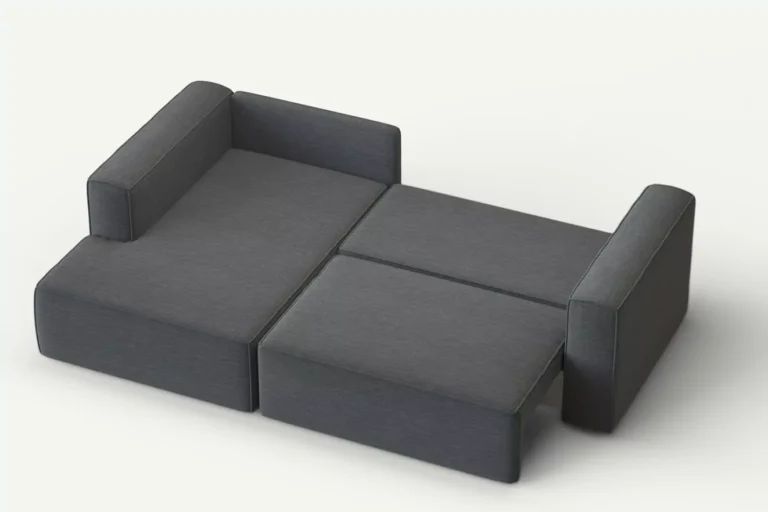
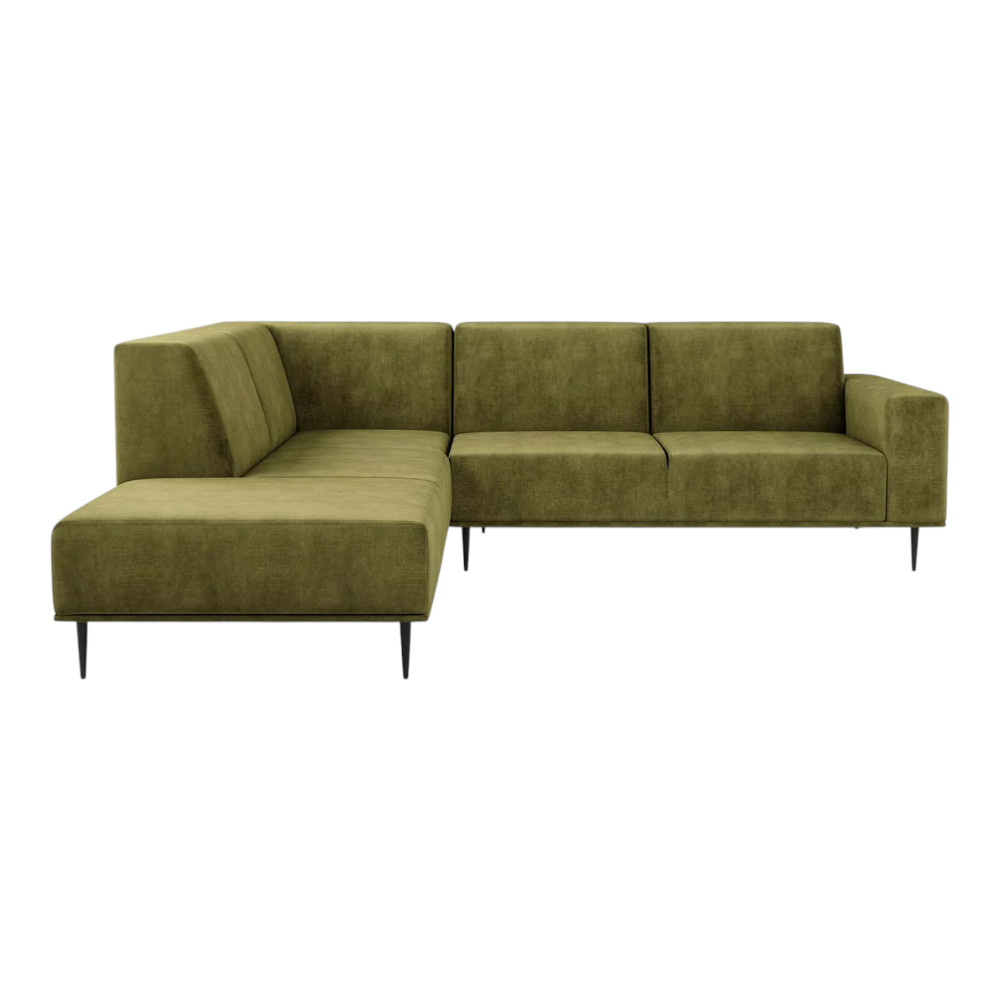
Explore our most popular models
Matching Sofa to Wall Colour
Your sofa and wall colours should work together, not blend into one another. Contrast is key to creating a balanced and visually appealing space. A grey sofa against a white wall creates a clean, modern look.
If your walls are bold, keep your sofa neutral. This prevents visual overload. Conversely, a colourful sofa can stand out beautifully against neutral walls.
For a cohesive look, stay within the same colour family. For example, warm beige walls pair well with tan or soft brown sofas. Cool-toned walls work best with greys or blues.
Texture also plays a role. Even if colours are similar, different materials can create contrast. Velvet, fabric, and structured upholstery all reflect light differently, adding depth to your room.
Trending Colours in 2026
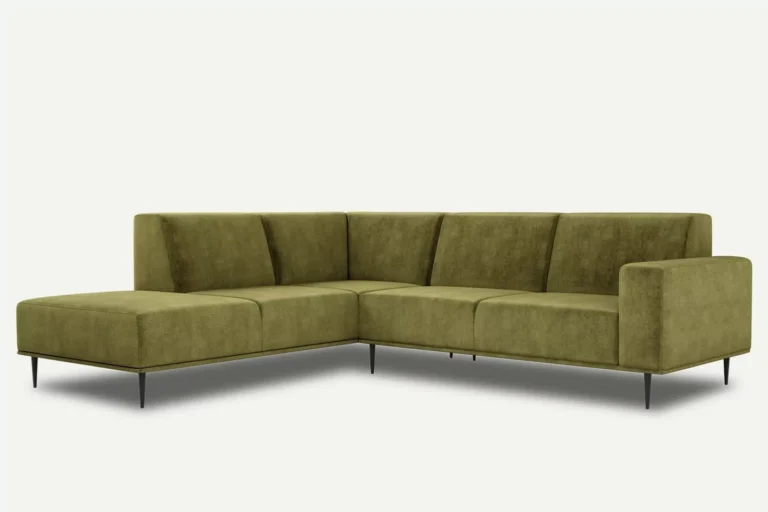
Sofa colour trends in 2026 focus on warmth and natural tones. Earthy shades like olive green, terracotta, and clay are gaining popularity. These colours bring a grounded, organic feel into modern homes.
Warm greys are replacing cooler tones. They offer the versatility of grey with added warmth. This makes them easier to pair with wood, textiles, and natural materials.
Deep, rich tones are also trending. Espresso brown and plum create a bold statement while remaining elegant. These shades work particularly well in larger living rooms.
At the same time, minimalist interiors still favour soft neutrals. Cream, sand, and off-white remain timeless. The key trend is balance between comfort, warmth, and long-term versatility.
FAQ
Before choosing your sofa colour, it helps to answer a few common questions that many homeowners have.
Which sofa colour is best for small living rooms?
Light colours work best in small spaces. They reflect light and create a more open feel. Soft greys, creams, and pale tones are ideal.
Are dark sofas a good idea for busy households?
Yes, dark sofas are practical. They hide stains and wear better than light fabrics, making them suitable for families and pets.
Should my sofa match my walls?
No, it should complement them. Contrast between sofa and wall colour creates a more interesting and balanced interior.
What is the most timeless sofa colour?
Neutral shades like grey, beige, and cream remain the most timeless. They adapt easily to changing trends and décor styles.
Are bold sofa colours risky?
They can be, but they also add personality. Balance them with neutral surroundings to keep the space cohesive.