

Posted on April 16, 2026
How Long Should a Sofa Last? Signs It’s Time to Replace Yours
A sofa should typically last 7 to 15 years depending on build quality, materials, and daily use. However, lifespan is not just about time. It is about comfort, structure, and performance. If your sofa no longer supports your body or looks tired, it may be time to act. Read on to understand when to replace it and how to extend its life.
Average Sofa Lifespan by Type
Different sofa types last for different periods. This depends on construction, materials, and usage intensity.
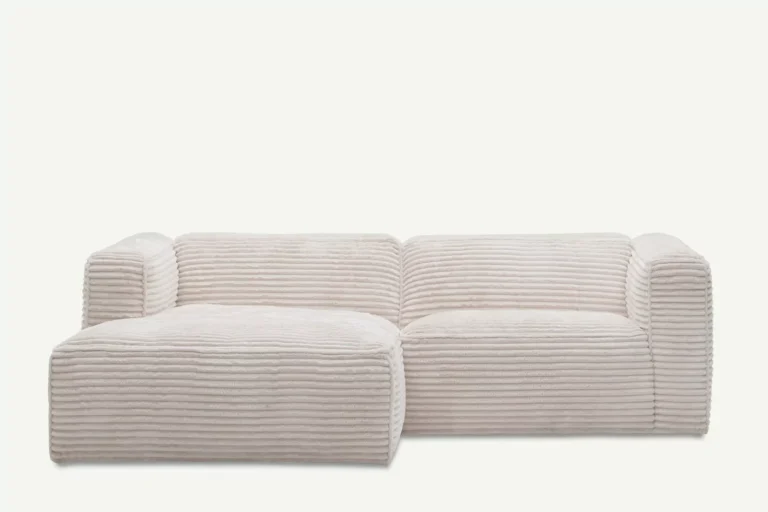
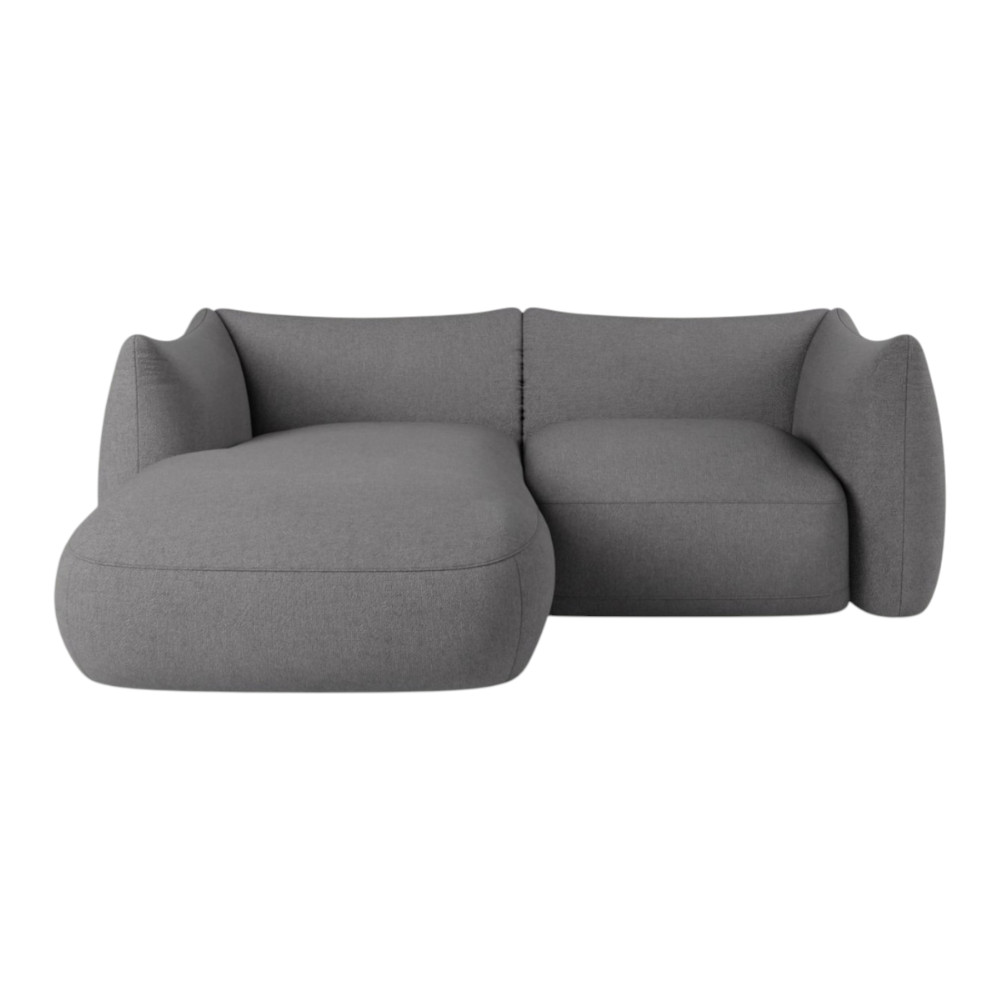
Fabric sofas usually last 7 to 10 years with regular use. They offer comfort and variety but require care. Leather sofas may last longer, often 10 to 15 years, due to their durable surface. Corner and modular sofas can last longer if maintained well, especially when weight is distributed evenly across sections.
The internal structure matters most. Frames made from manufactured wood, combined with pocket sprung foam seats and fibre-filled backs, tend to maintain shape longer. Sofas produced in Europe, especially Poland, are often built with strong craftsmanship and attention to detail. This directly impacts long-term durability.
7 Signs Your Sofa Needs Replacing
Even a well-made sofa will show signs of wear over time. Recognising them early helps you make a better decision.
Here are the most common signals:
- Visible sagging in seat cushions or uneven seating levels
- Frame creaking or instability when sitting down
- Permanent stains or fabric wear that cannot be cleaned
- Loss of support leading to discomfort or back pain
- Flattened cushions that do not recover shape
- Outdated design that no longer suits your interior
- Frequent repairs that no longer make financial sense
If several of these signs appear together, replacement is usually the better option. A sofa should support your posture and enhance your space, not limit it.
How to Extend Your Sofa’s Life
You can significantly increase your sofa’s lifespan with simple habits. Maintenance plays a key role in long-term performance.
First, rotate cushions regularly. This ensures even wear and consistent comfort across all seats. Second, vacuum upholstery weekly to prevent dust build-up. Dirt particles can damage fibres over time.
It is also important to avoid placing the sofa in direct sunlight. UV exposure can weaken fabric and fade colours. Additionally, consider using throws or protective covers in high-use areas. These small steps can extend the usable life by several years.
When Repair vs Replace Makes Sense
Not every issue requires a full replacement. Sometimes repair is the smarter choice.
If the frame is still solid and the problem is cosmetic, reupholstery may be worthwhile. Replacing foam inserts can also restore comfort if the structure remains intact. In such cases, repair can extend lifespan by 3 to 5 years.
However, if the frame is damaged or the sofa feels unstable, replacement is usually more cost-effective. Structural issues often worsen over time and affect safety. Always compare repair costs with the value of a new sofa before deciding.
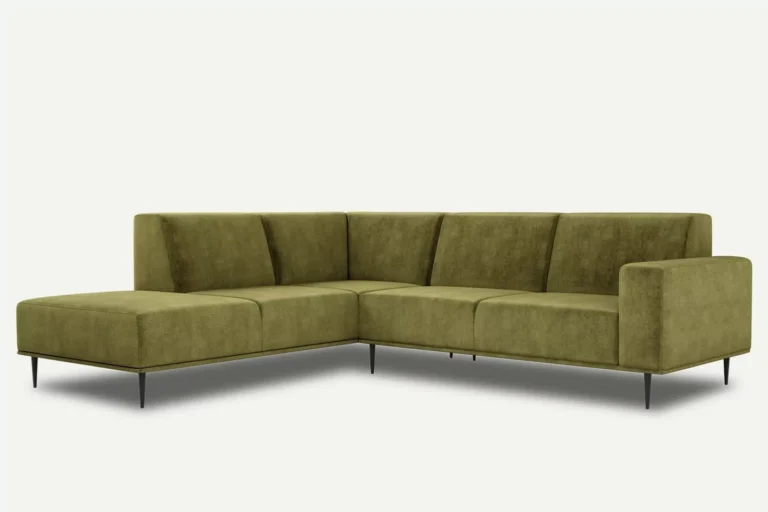
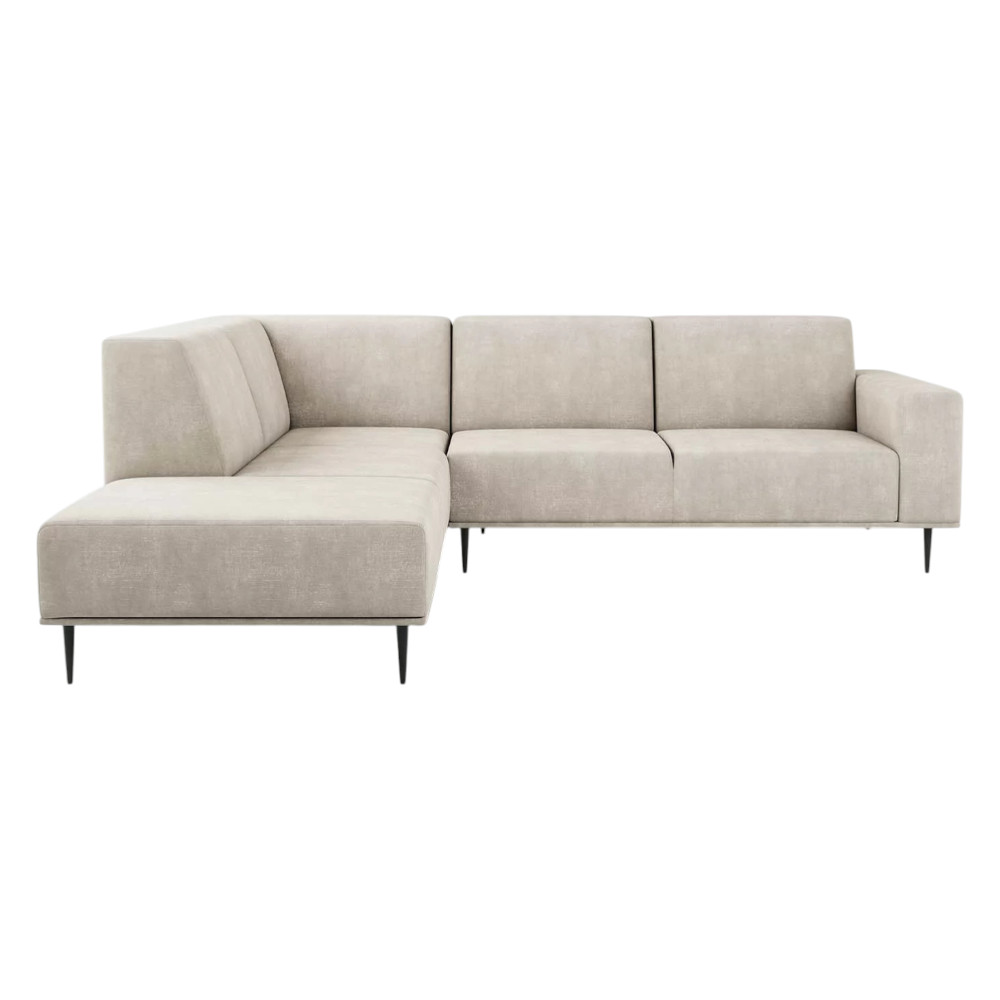
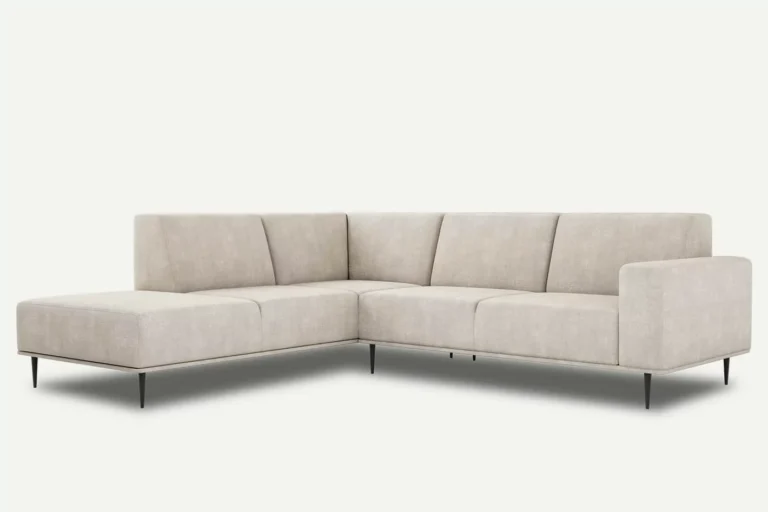
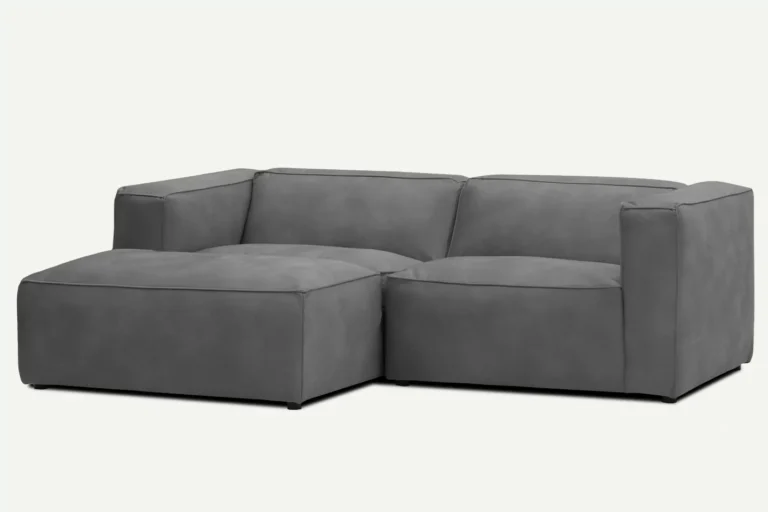
Discover our most loved designs
-
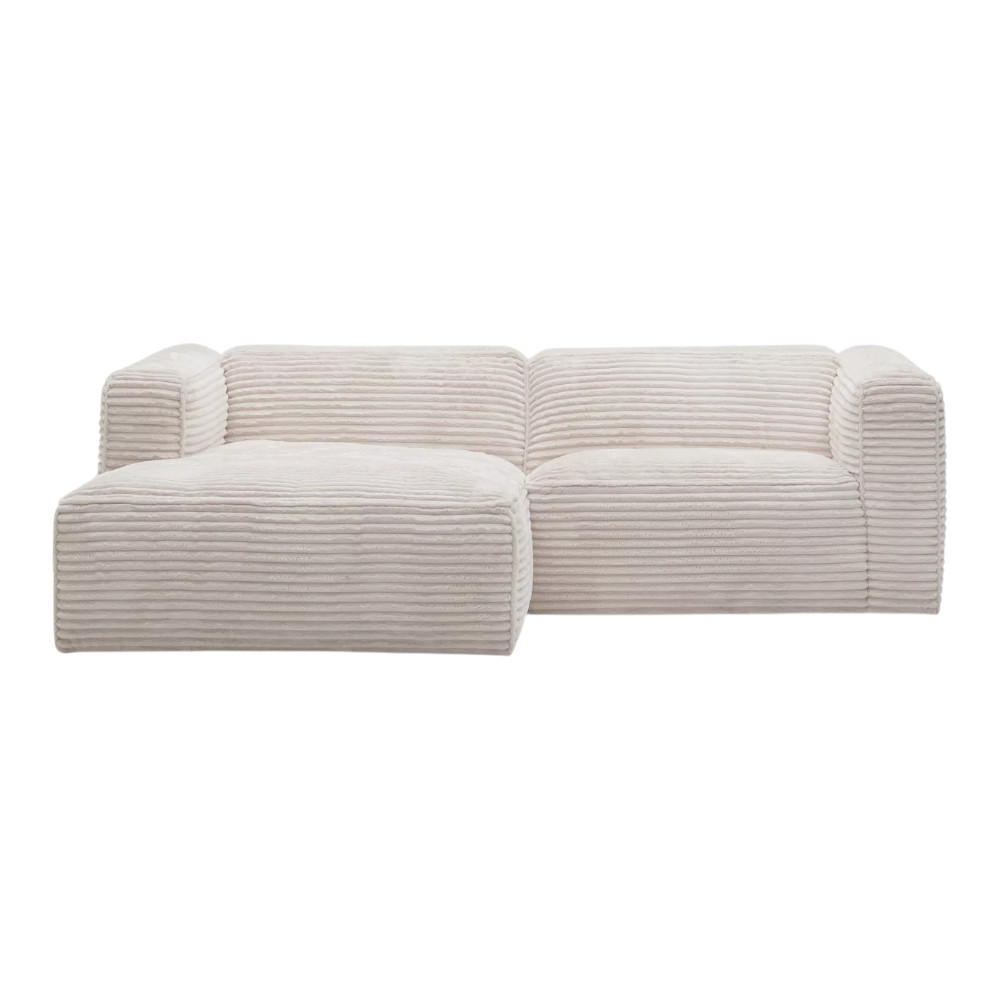
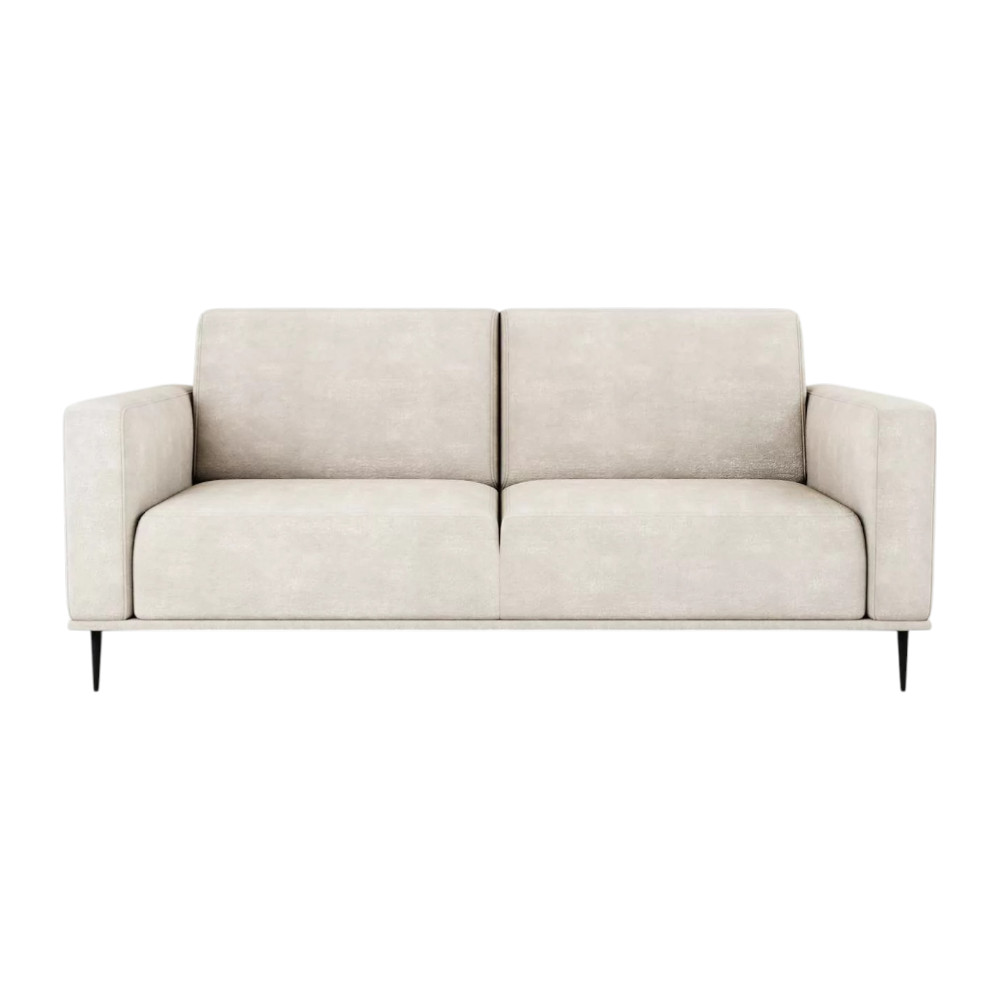
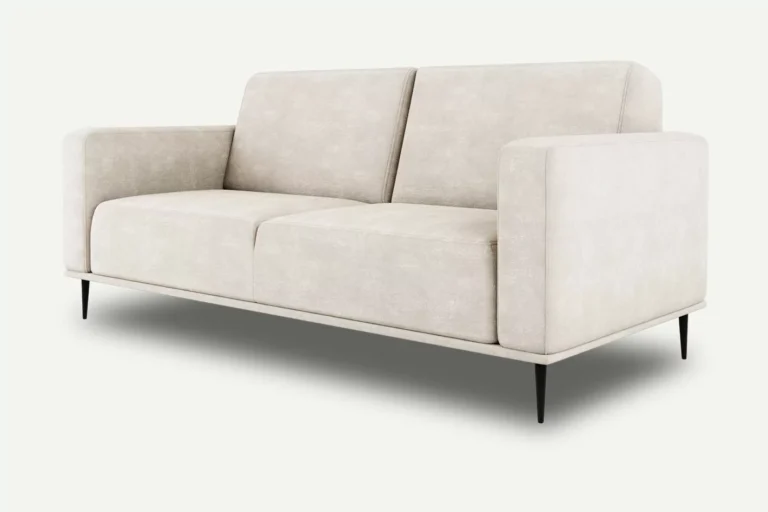
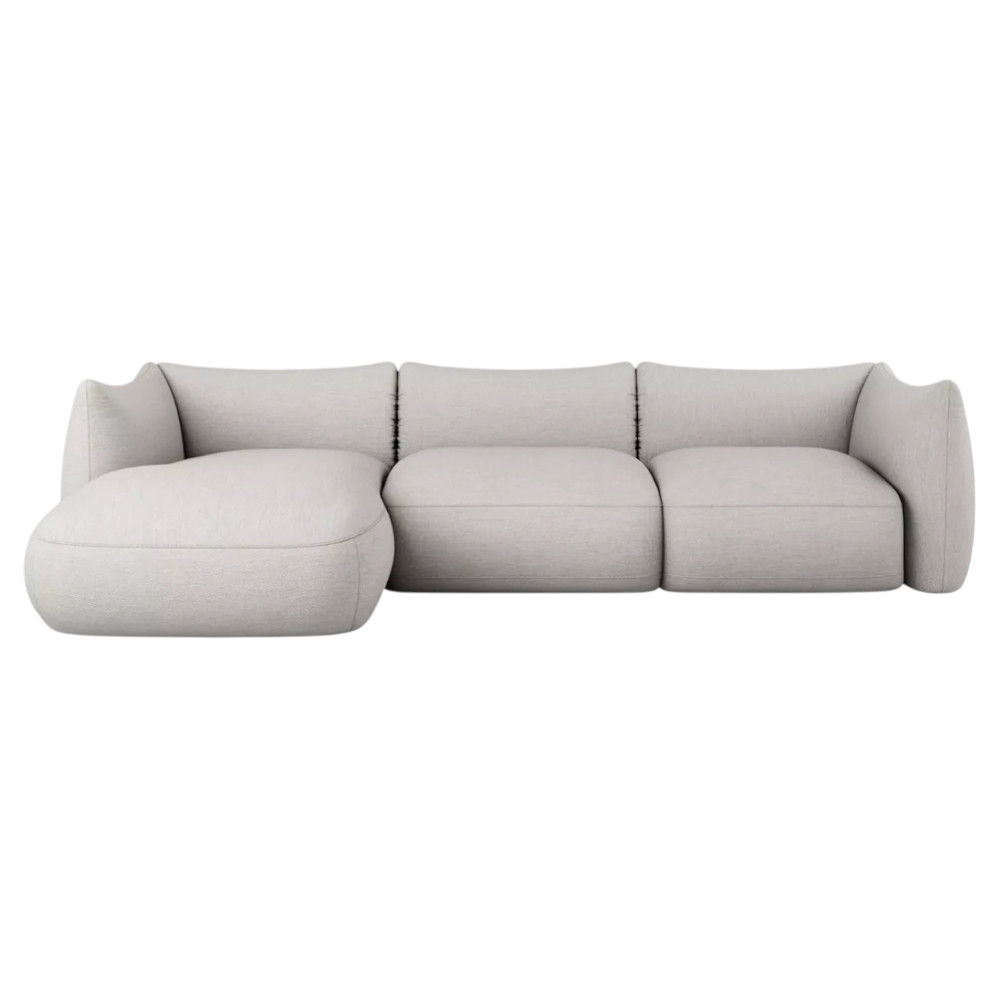
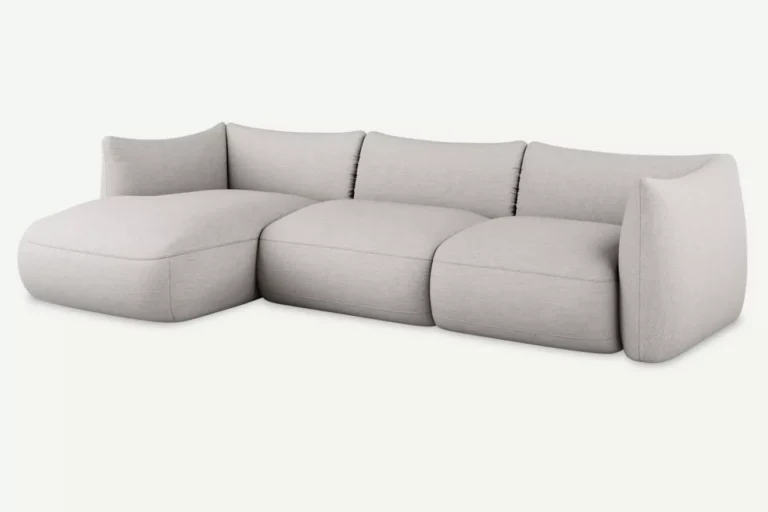
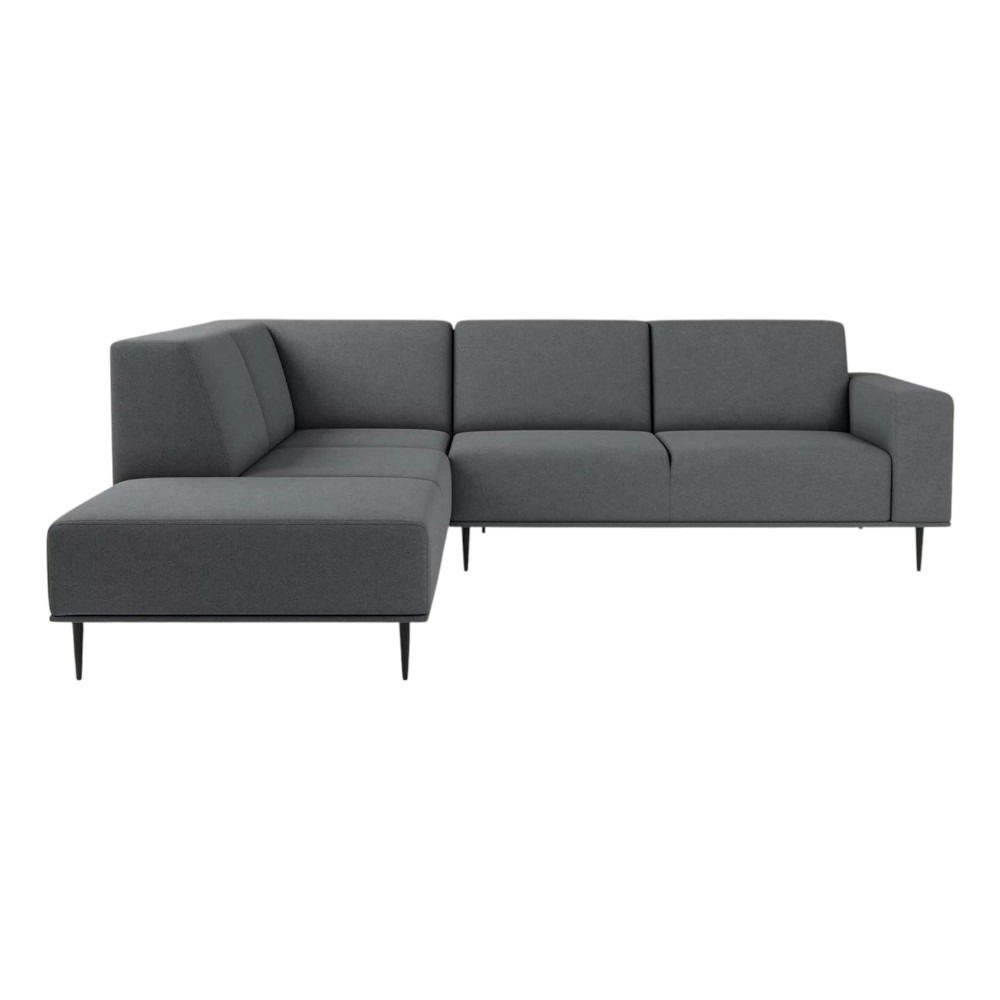
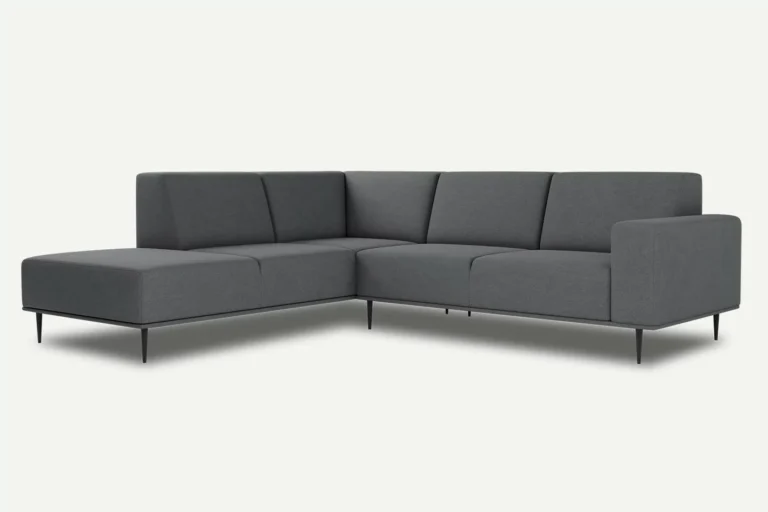
![Moved II Small and Modern Corner Sofa Left White Tilia 01]() Express
Express
dispatch


Responsible Disposal Options
Replacing a sofa does not mean sending it straight to landfill. There are more responsible options available.
You can donate usable sofas to local charities or community organisations. Many accept furniture in good condition. Alternatively, recycling centres can process materials such as fabric, foam, and wood components.
Some companies also offer collection services for old furniture. This ensures proper disposal and reduces environmental impact. Responsible disposal helps reduce waste and supports circular use of materials.
FAQ
Below are the most common questions about sofa lifespan and replacement decisions.
How long should a good quality sofa last?
A high-quality sofa should last between 10 and 15 years. This depends on materials, construction, and daily use.
Is it worth repairing an old sofa?
It depends on the frame condition. If the structure is strong, repair can be worthwhile. If not, replacement is usually better.
How do I know if my sofa is no longer supportive?
If you feel discomfort when sitting or notice sagging cushions, the support is likely compromised.
What affects sofa lifespan the most?
Usage intensity, material quality, and maintenance habits have the biggest impact.