
Posted on April 14, 2026
How to Furnish an Open Plan Living Space: Layout, Zoning and Sofa Placement
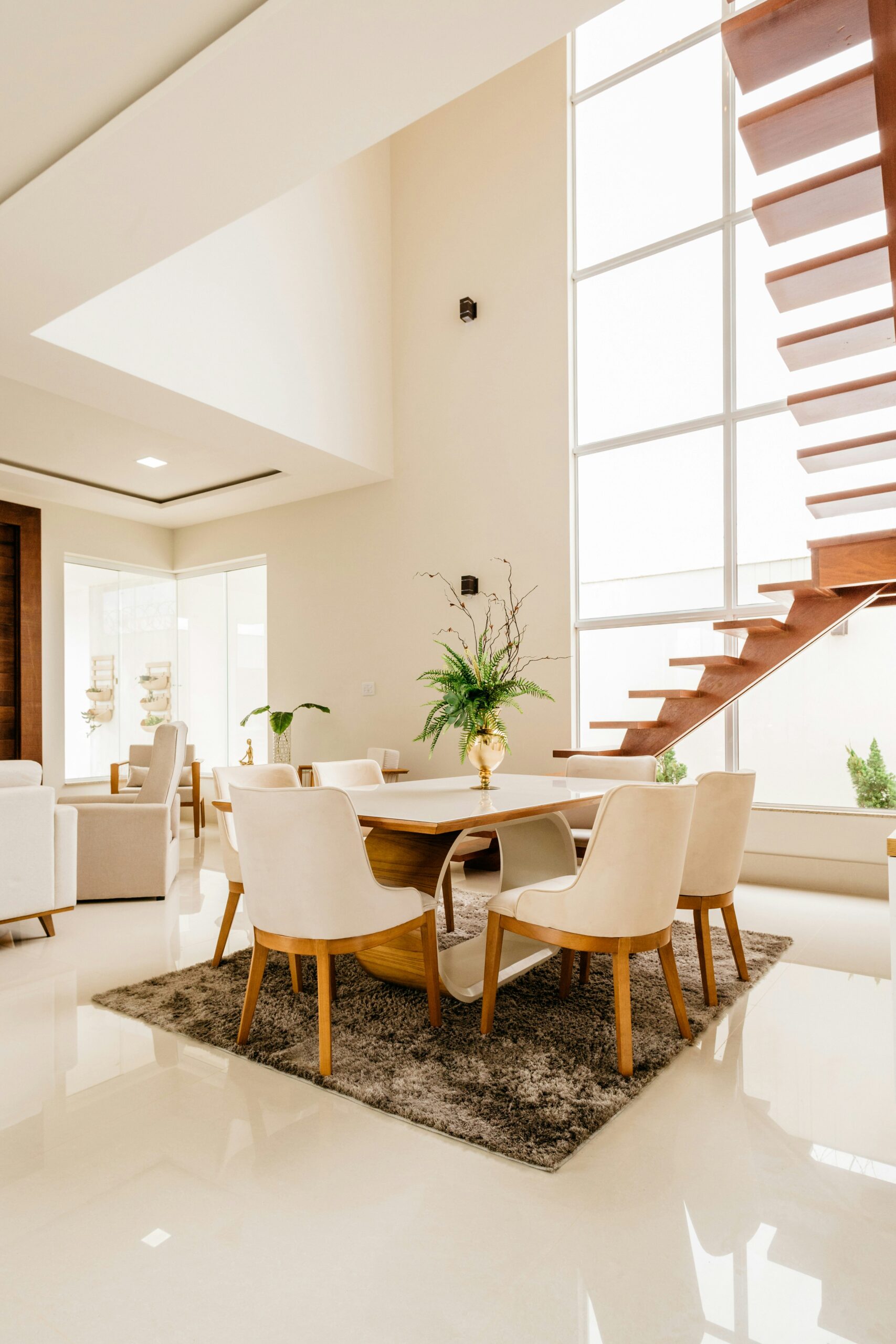
An open plan living space works best when layout, zoning, and sofa placement are planned together. You must define clear areas without walls while keeping visual harmony. The goal is to balance openness with function and comfort in every zone. Explore the ideas below and refine your layout with confidence.
The Open Plan Challenge
Open plan interiors feel spacious, but they often lack structure. Without clear boundaries, the room can feel chaotic and difficult to use. You must control flow, sightlines, and proportions to create a comfortable environment.
Another challenge is combining different functions in one area. Cooking, dining, and relaxing must coexist without conflict. Each zone should feel independent, yet visually connected through materials and layout choices.
Zoning with Furniture
Furniture is the most effective way to define zones without building walls. Sofas, rugs, and tables create visual borders that organise the space. A well-placed sofa can act as a natural divider between living and dining areas.
You can strengthen zoning by layering elements. Use rugs to anchor seating areas and lighting to highlight functions. Consistent colours and materials help connect zones while still keeping them distinct.
Choosing the Right Sofa for Open Plan
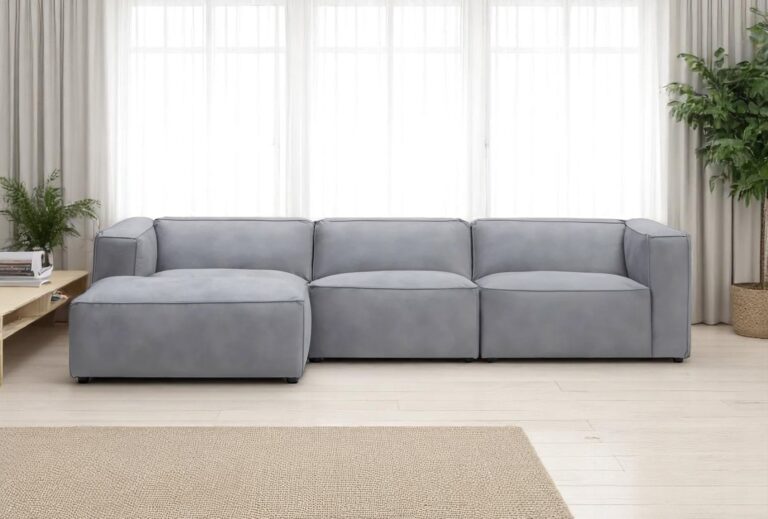
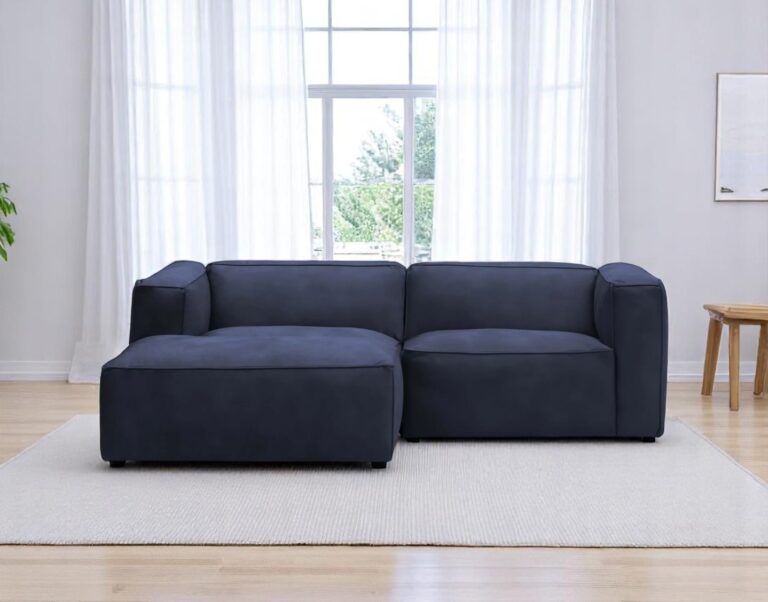
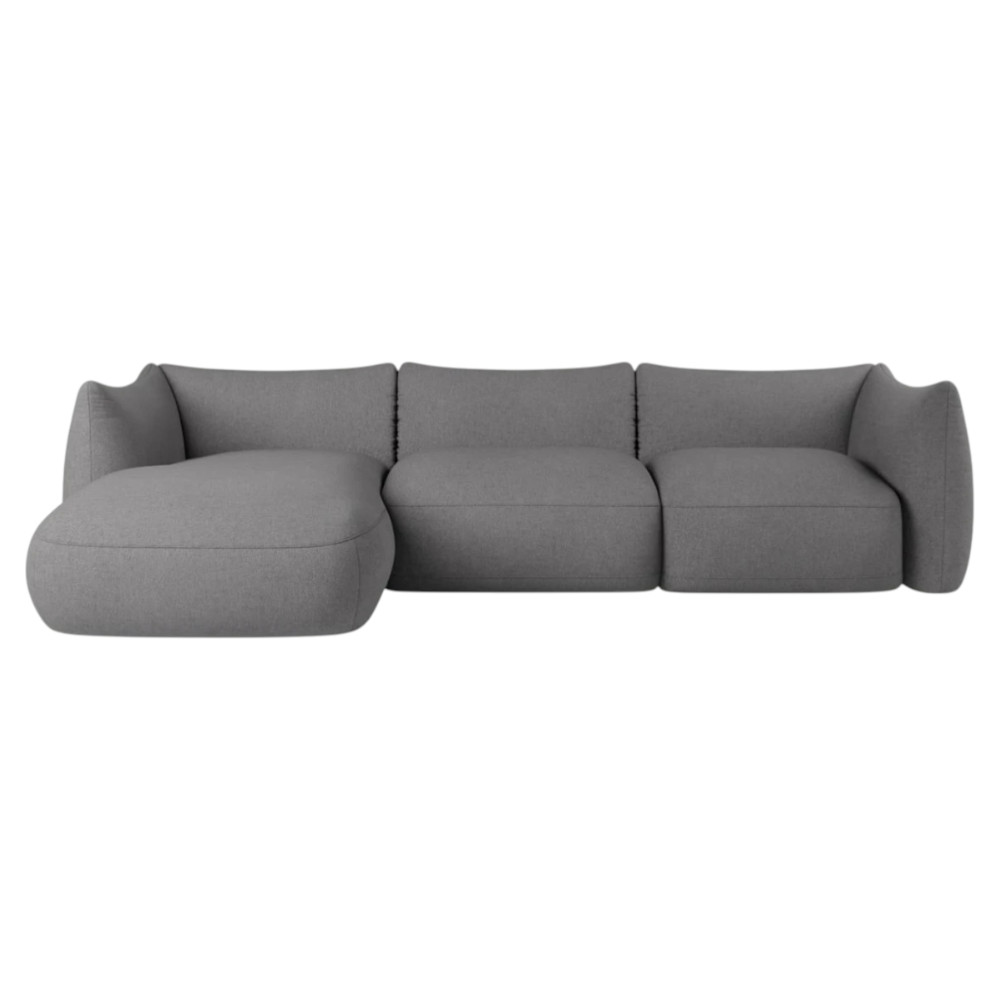
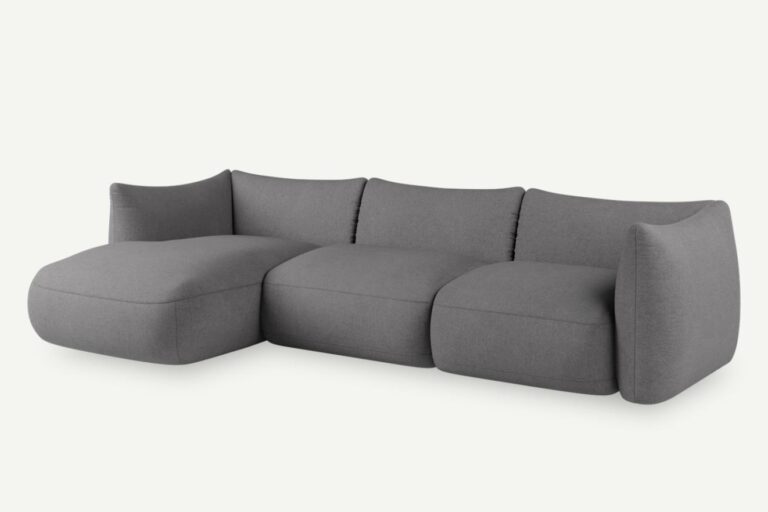
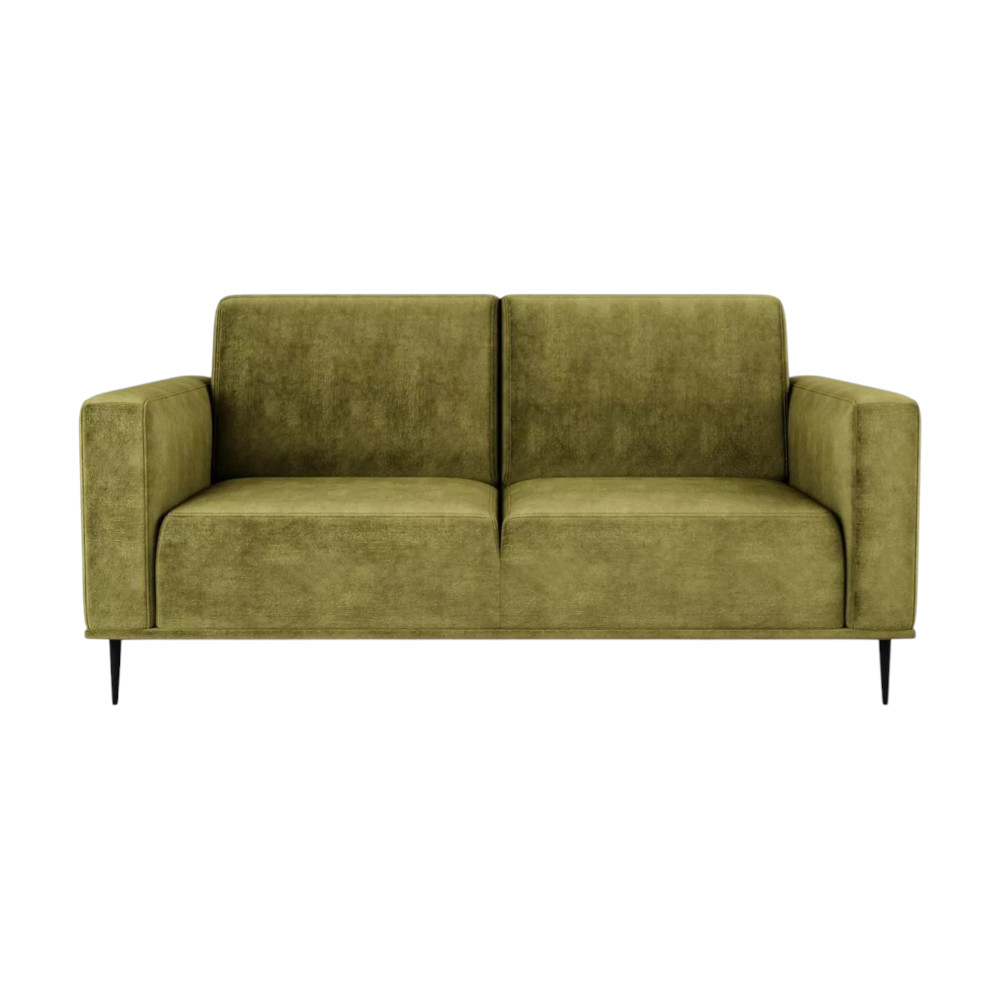
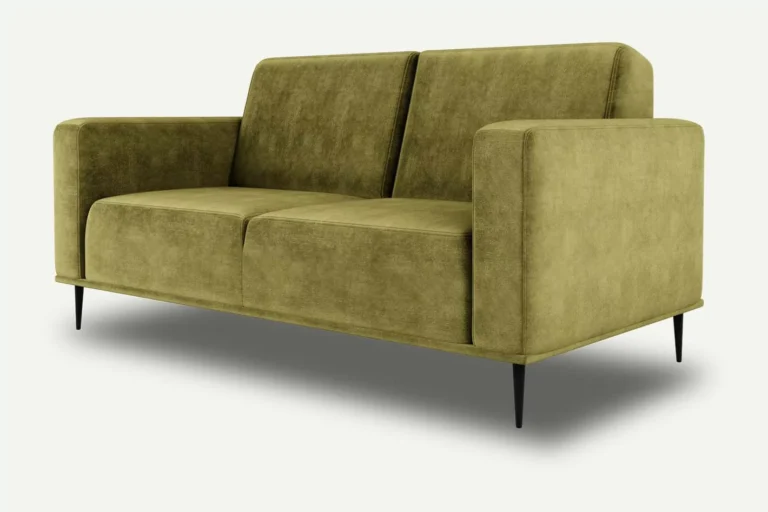
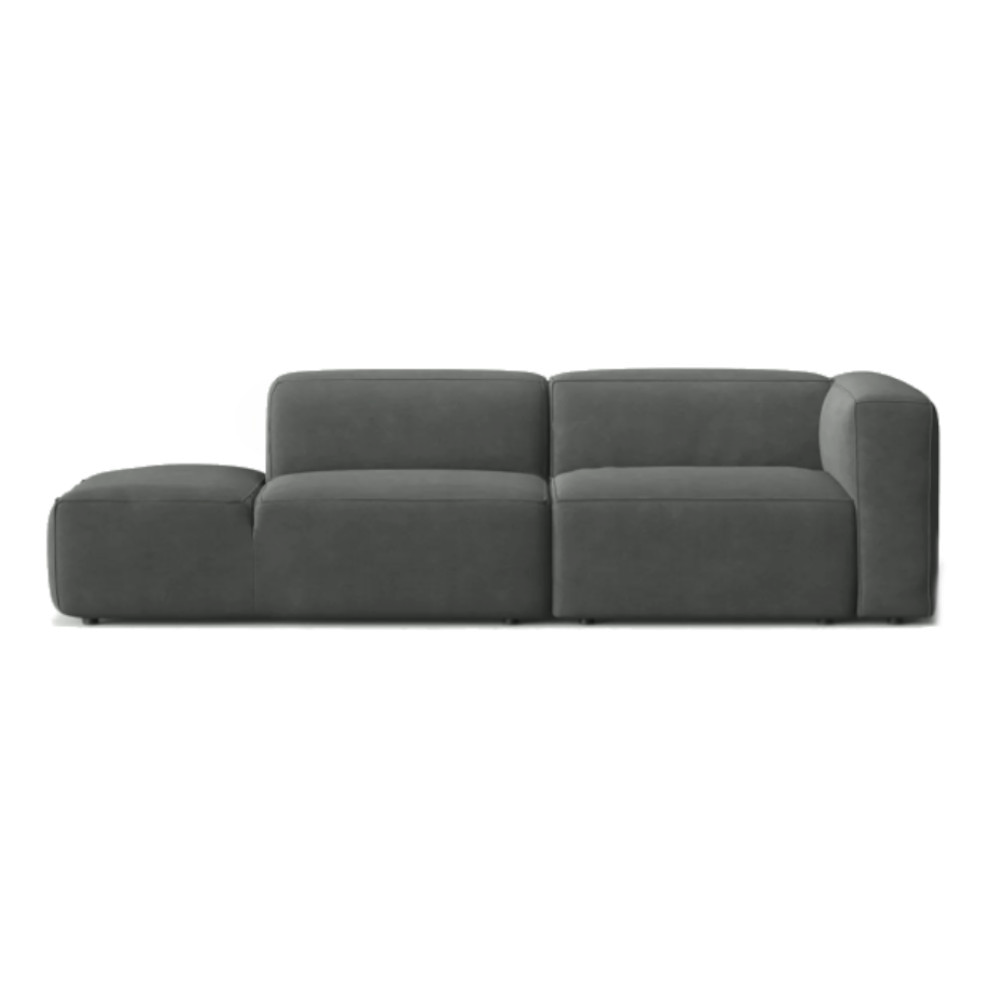
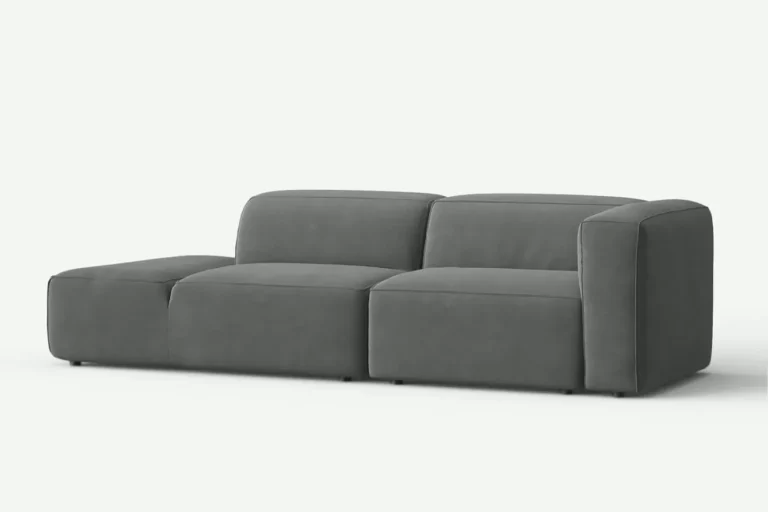
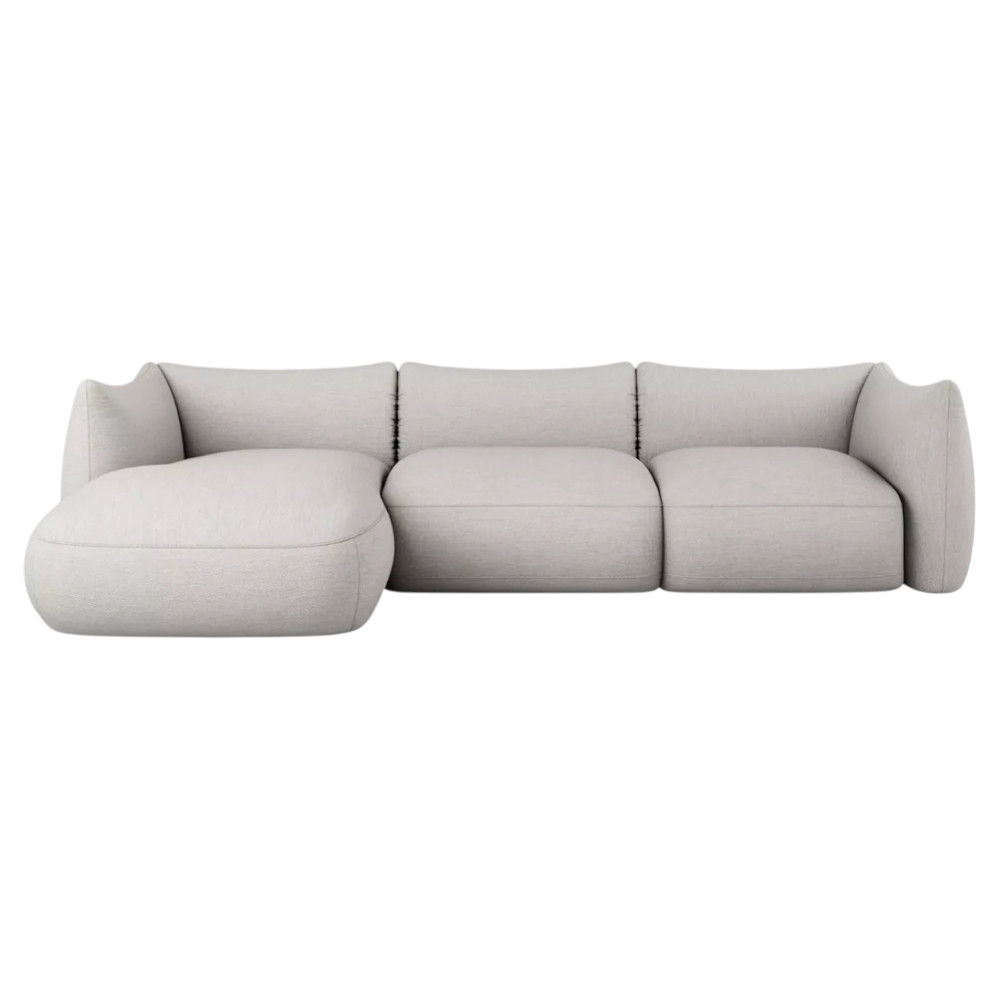
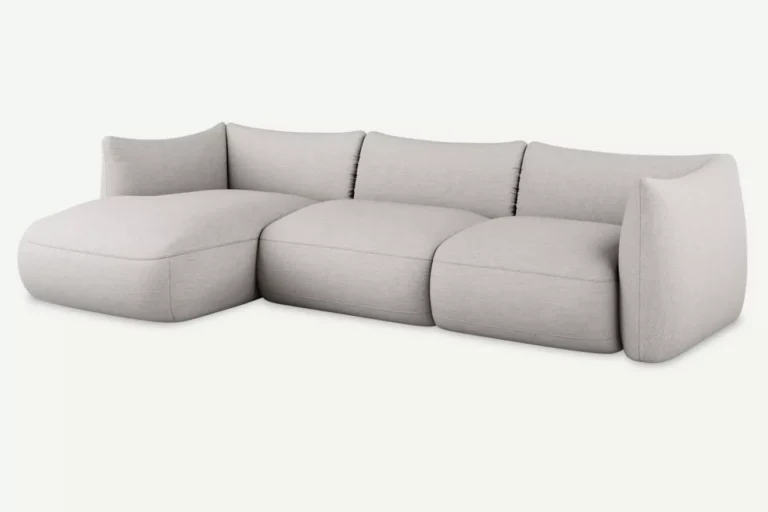
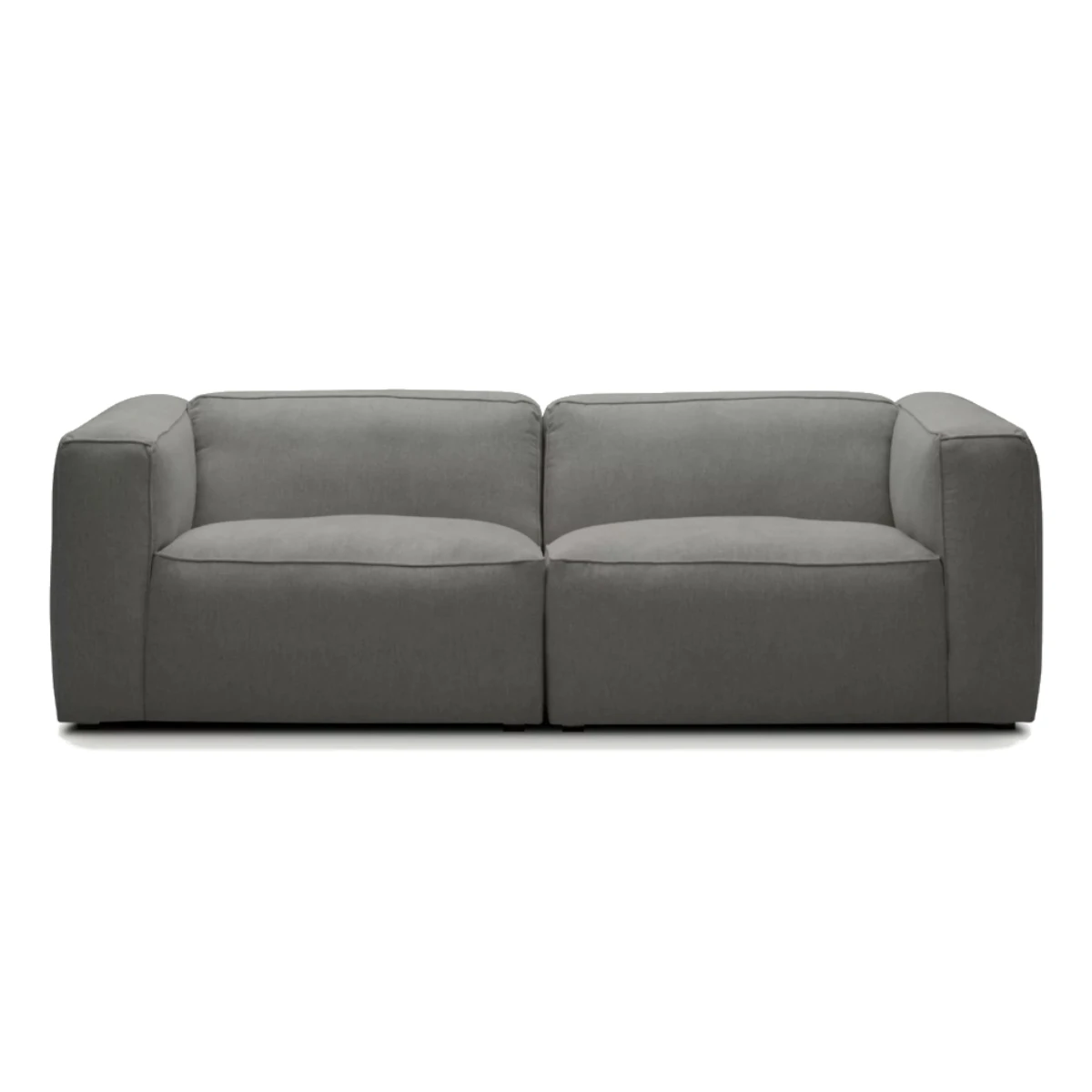
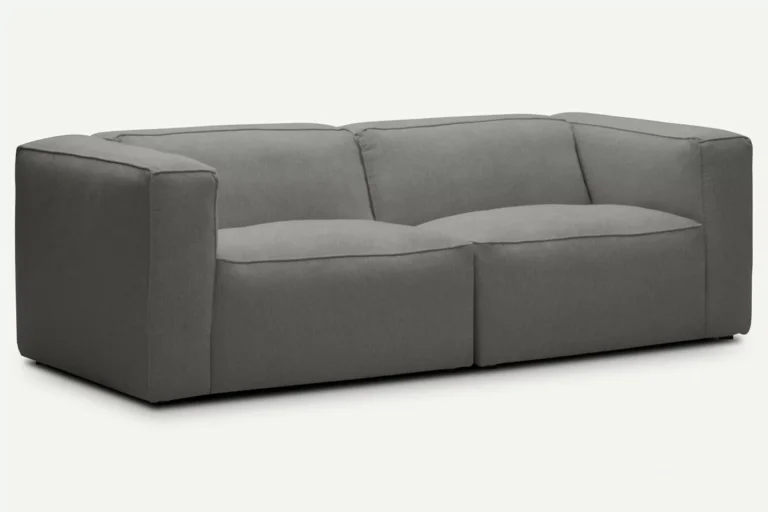
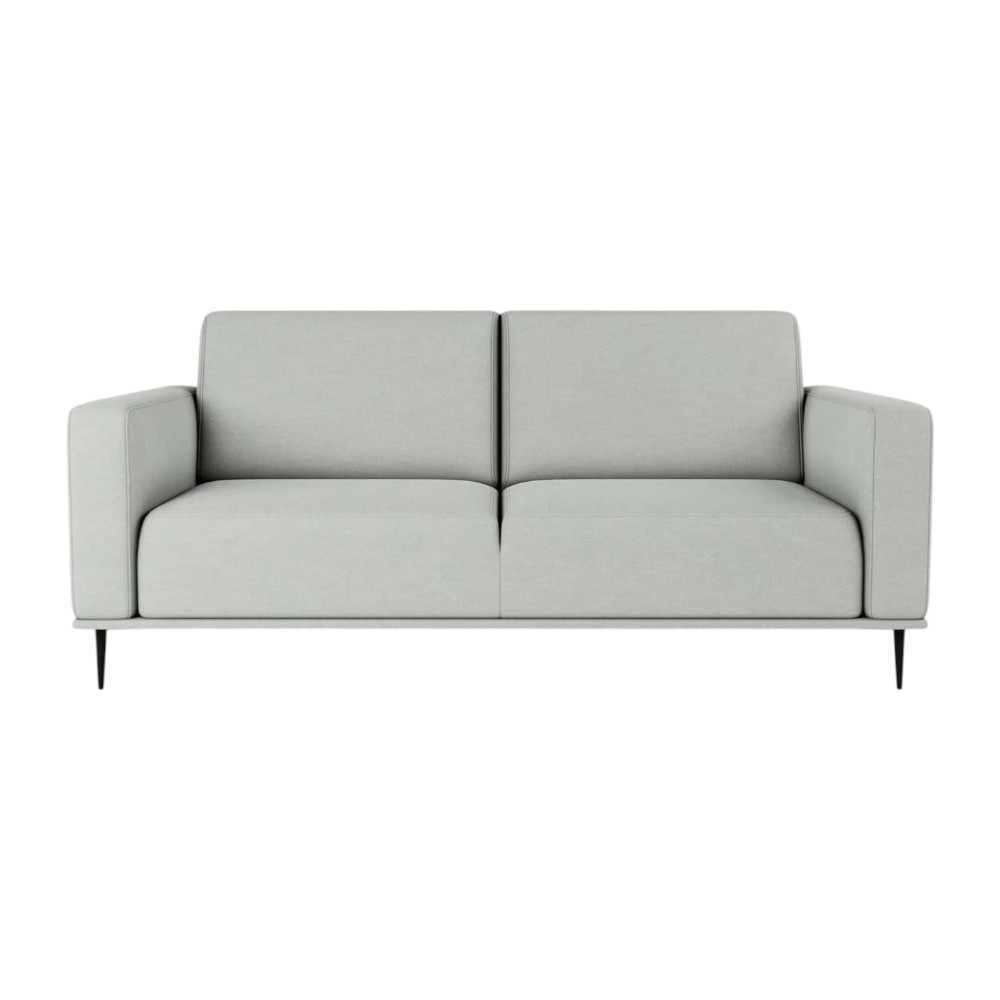
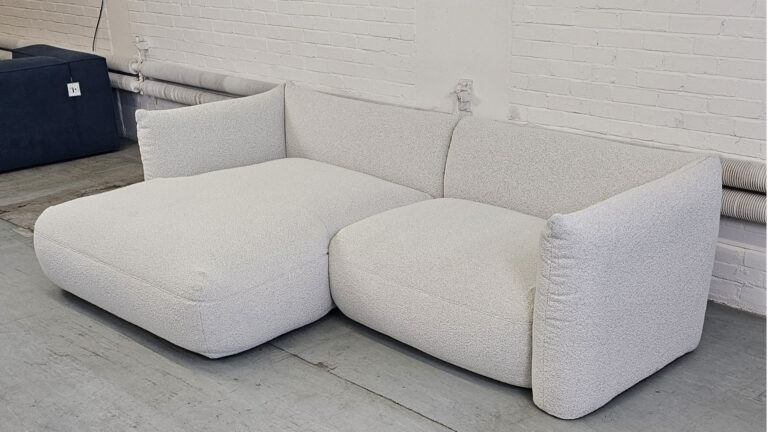
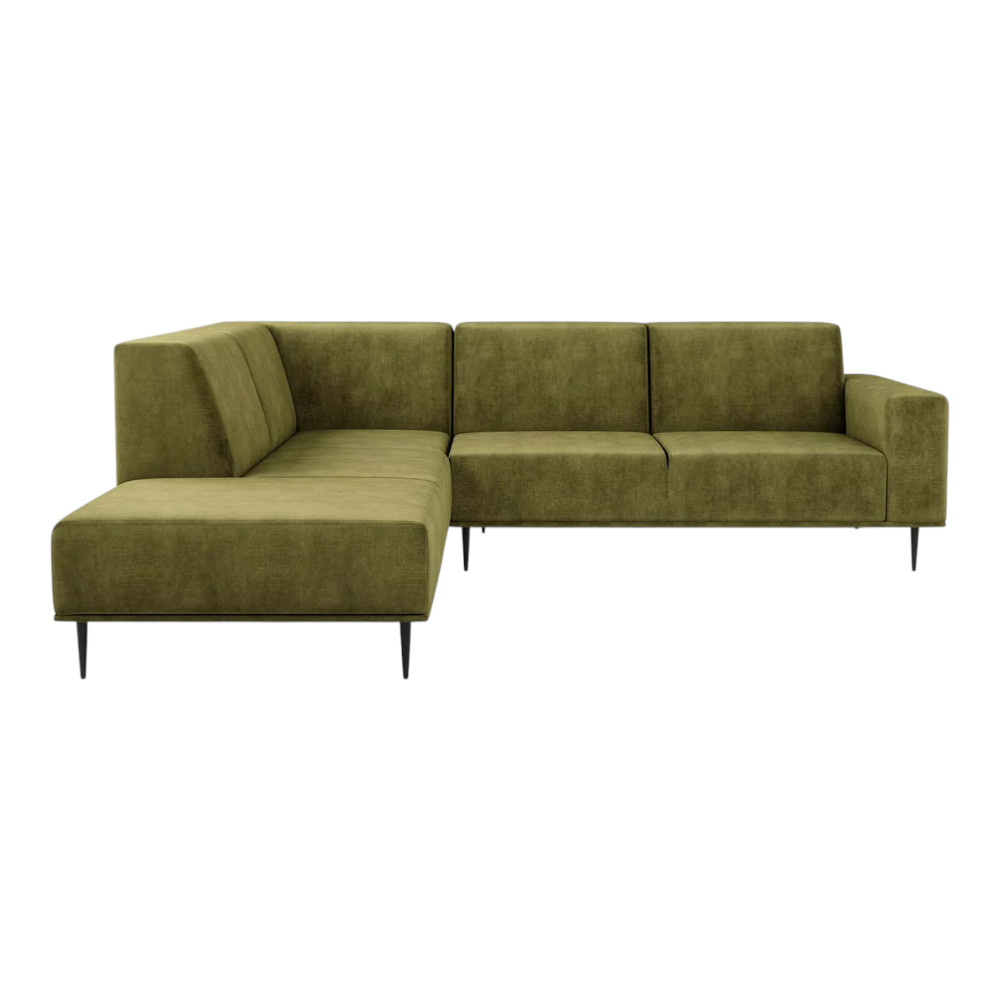
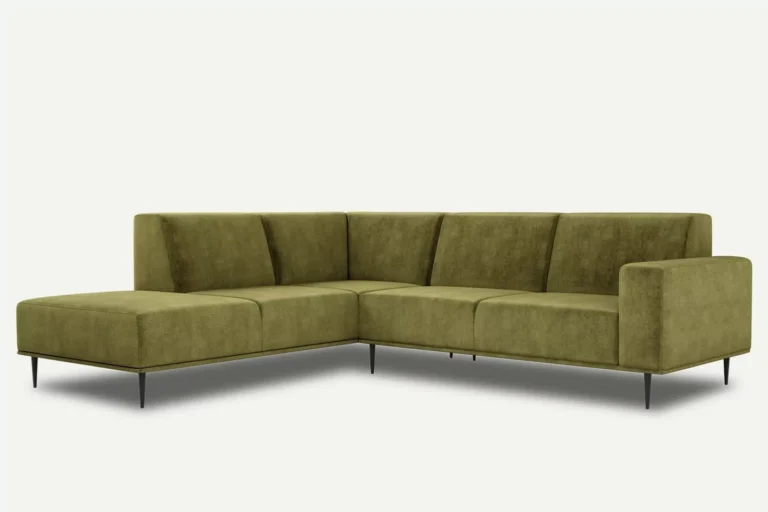
The sofa becomes the central element in an open plan layout. It should define space while maintaining visual balance. Corner sofas and modular sofas work well because they naturally shape the layout.
Size and proportion are critical. A sofa that is too large overwhelms the space, while a small one feels disconnected. Choose a model that fits the room scale and supports the main seating function.
Layout Ideas by Room Shape
In rectangular spaces, place the sofa along the longer wall or float it centrally. This creates a clear division between zones. A central sofa layout often works best in open plan living rooms.
Square rooms require symmetry and balance. Position the sofa to face the main focal point, such as a TV or window. Use additional furniture to reinforce the layout without overcrowding the space.
Explore our bestselling sofas
-
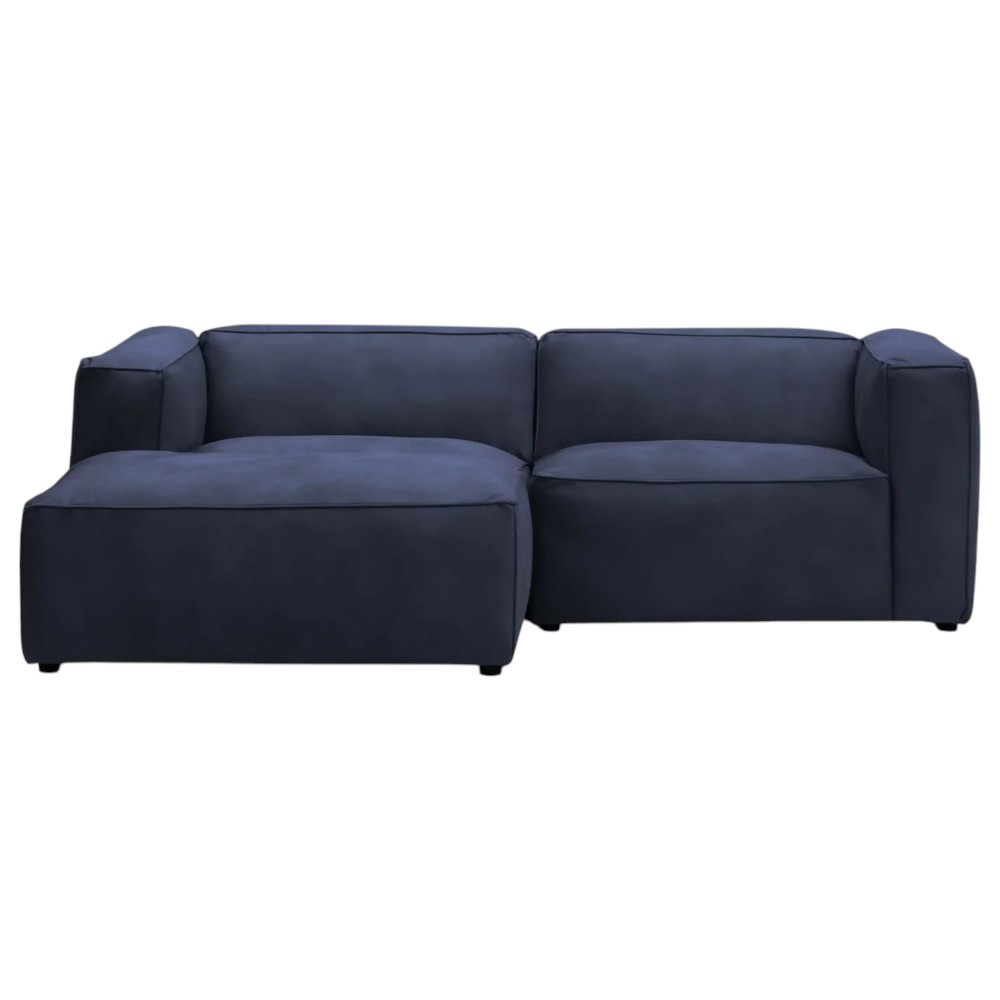
![Moved II Small and Modern Corner Sofa Dark Navy Letto 79]()
£1,340.00£1,139.00 -
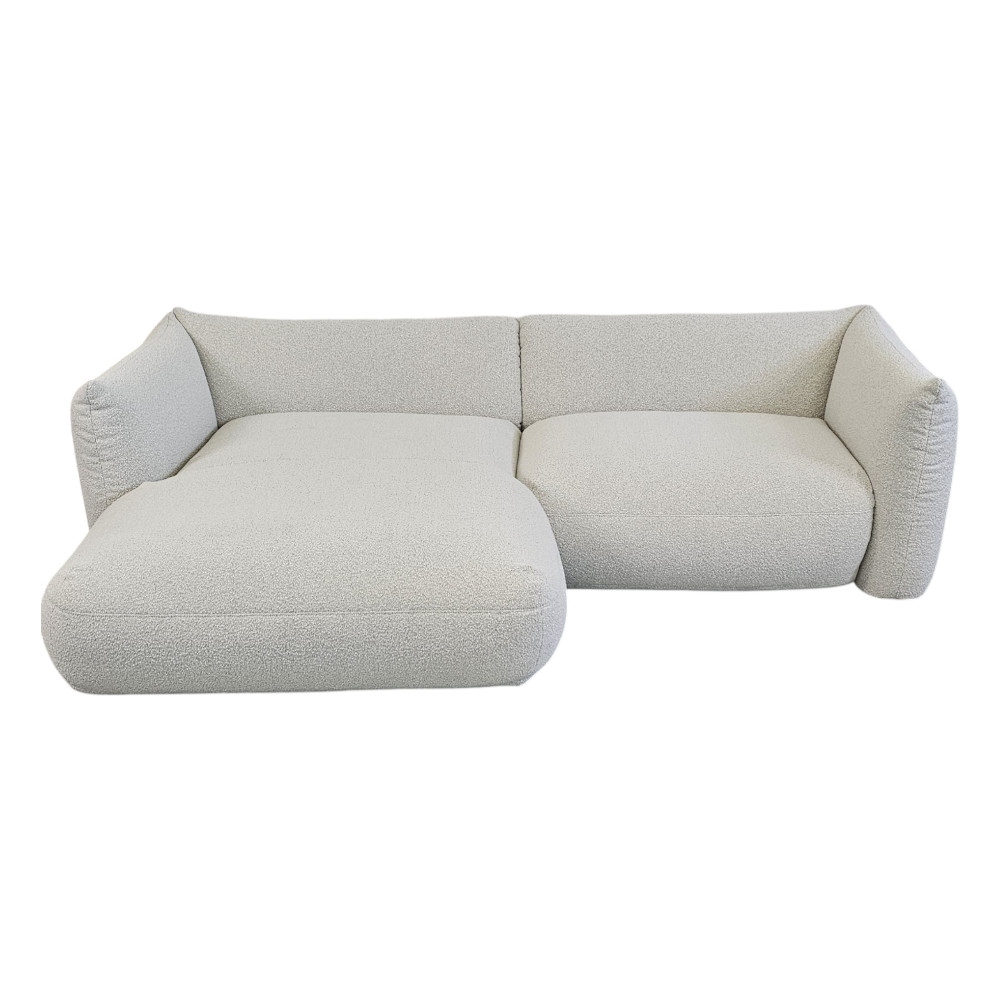
![Cosy XL 2 Seater Modular Corner Sofa Left Copenhagen 900]() Express
Express
dispatch£2,170.00£1,600.00
Common Mistakes to Avoid
One common mistake is pushing all furniture against walls. This weakens zoning and makes the room feel empty in the centre. Floating key pieces creates better structure and improves flow.
Another issue is ignoring circulation paths. Poor placement can block movement and reduce comfort. Always leave enough space for walking routes between zones and key furniture pieces.
Expert Tips
Start by defining the main function of each zone. This helps you decide where to place the sofa and supporting furniture. Clear priorities lead to a more practical and balanced layout.
Keep visual consistency across the space. Use similar colours, textures, and finishes to unify the design. A cohesive palette ensures the room feels intentional rather than fragmented.
FAQ
Below are the most common questions about furnishing an open plan living space.
How do you divide an open plan living room without walls?
You can use sofas, rugs, and lighting to create visual zones. These elements define areas while keeping the space open.
Where should a sofa be placed in an open plan room?
Place the sofa to define the main living zone. It often works best when positioned centrally or facing a focal point.
What is the ideal spacing between furniture in open plan layouts?
Leave at least 80–100 cm for main walkways. This ensures comfort and smooth movement across the space.