
Posted on June 11, 2026
Furnishing a Rental Property: A Landlord’s Guide to Durable, Stylish Furniture
Furnishing a rental property successfully comes down to one key principle: choose furniture that balances durability, practicality, and broad appeal. Tenants want comfort and style, but landlords need long-term value and low maintenance. The right approach helps reduce turnover costs and protects your investment. Use this guide to make smart, scalable decisions and create a space tenants will want to stay in.
What Tenants Actually Want
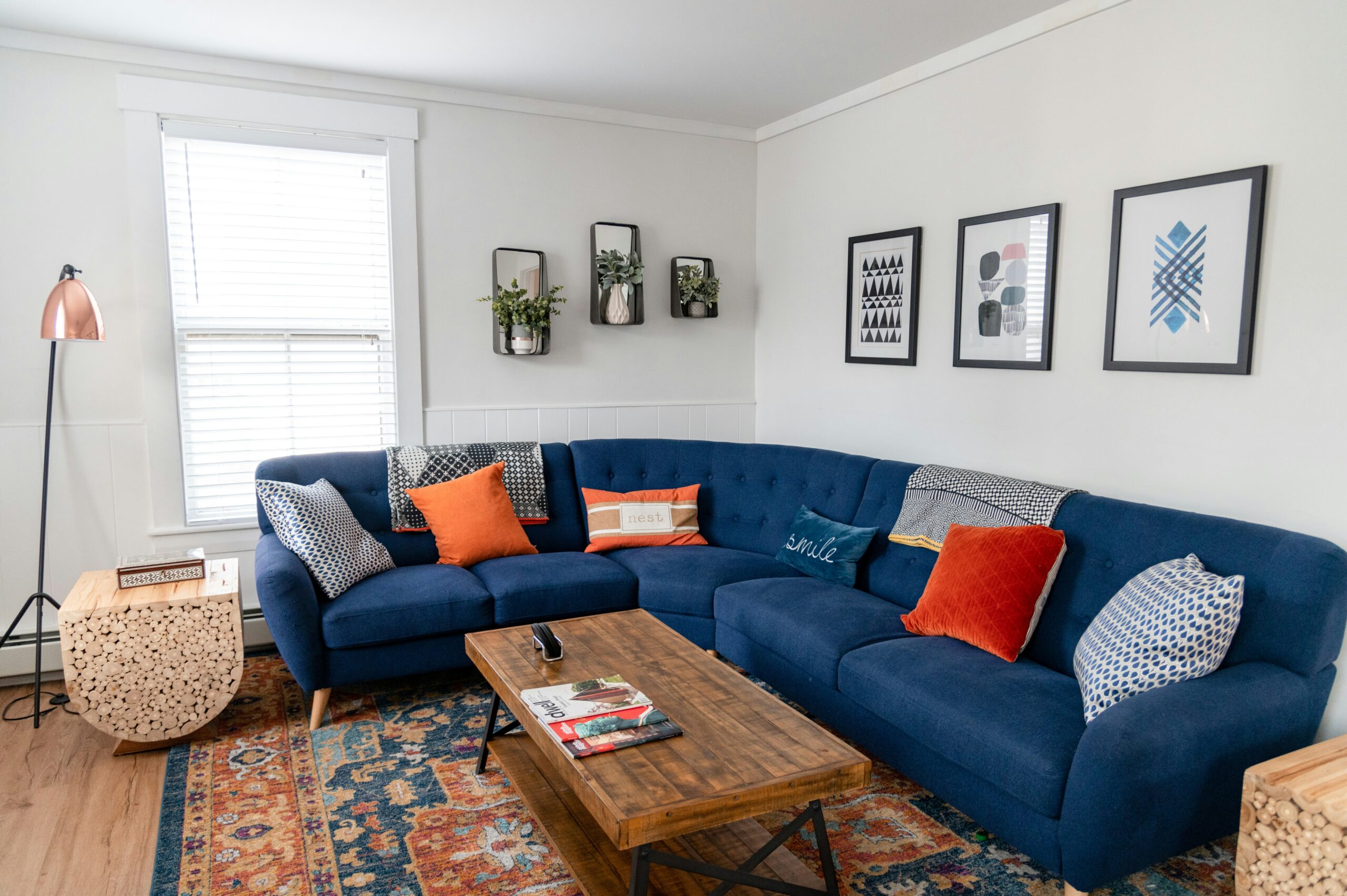
Tenants typically look for clean, modern interiors with neutral tones that suit different lifestyles. A simple, well-coordinated space feels more welcoming and allows renters to personalise the property. Furniture should feel comfortable but not overly specific in style. Avoid bold colours or niche designs that may limit appeal.
Functionality matters just as much as appearance. Tenants value practical features such as storage space, easy-to-clean surfaces, and comfortable seating. A sofa that supports everyday use or a bed with a solid structure makes a noticeable difference. When furniture meets daily needs without hassle, tenants are more likely to stay longer.
Durability Over Luxury
Luxury finishes may look appealing, but in rental properties, durability always delivers better long-term value. Furniture should withstand frequent use, moving, and occasional wear without losing its structure. Choosing strong construction and resilient fabrics reduces replacement costs over time.
Materials play a key role here. Opt for high-quality upholstery, reinforced frames, and finishes that resist stains and scratches. Manufactured wood structures are a practical and reliable option. They offer stability while keeping costs under control. Durable furniture helps maintain the property’s condition between tenancies.
Furniture Checklist for Landlords
A well-furnished rental should cover all essential living needs without overcrowding the space. Focus on core items that improve usability and comfort:
- Living room: sofa, coffee table, TV unit
- Bedroom: bed frame, mattress, wardrobe, bedside table
- Dining area: table and chairs suitable for the space
- Storage: functional solutions that keep the property organised
Each piece should serve a clear purpose. Avoid unnecessary extras that may complicate maintenance. A streamlined furniture setup reduces clutter and makes the property easier to manage and clean. This also improves first impressions during viewings.
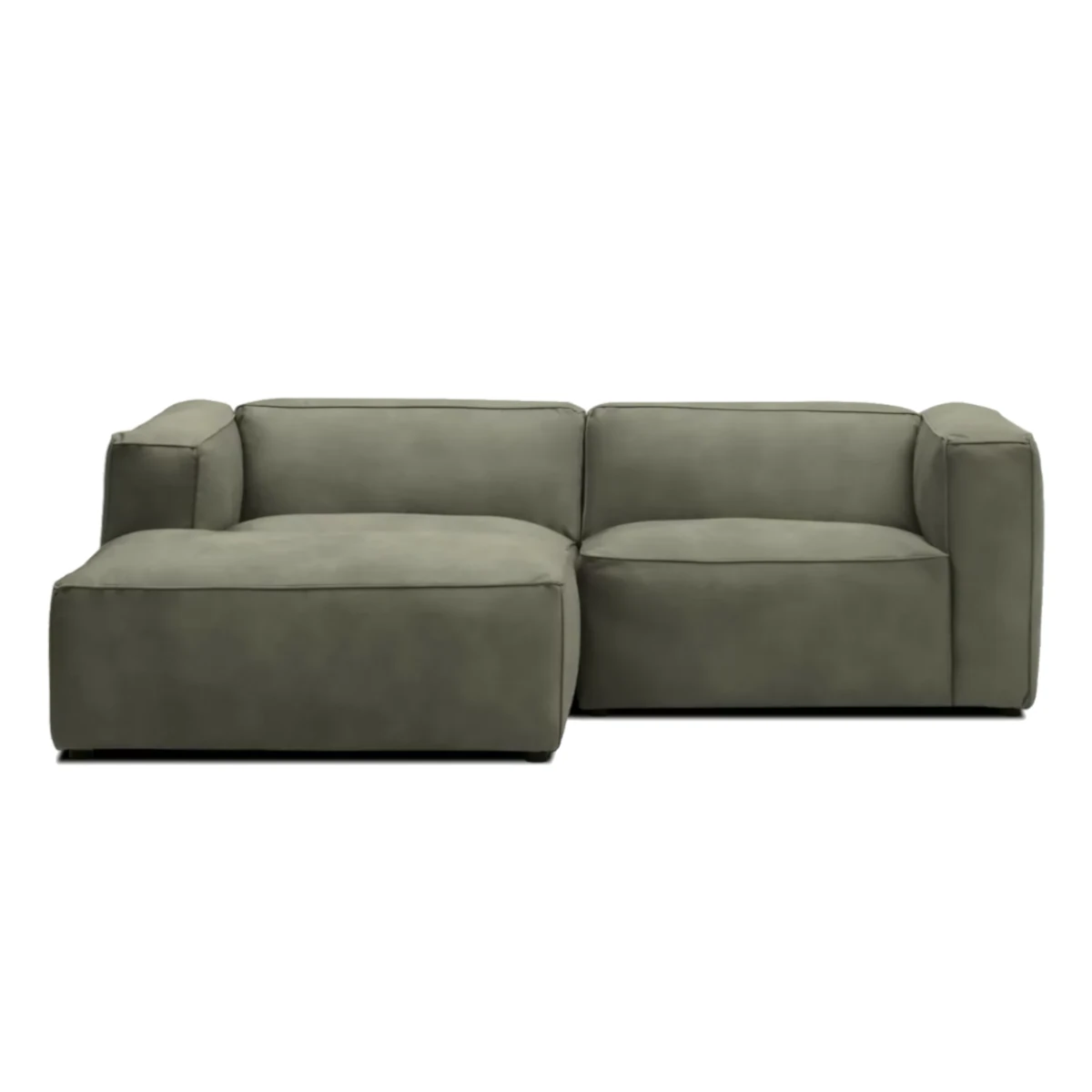
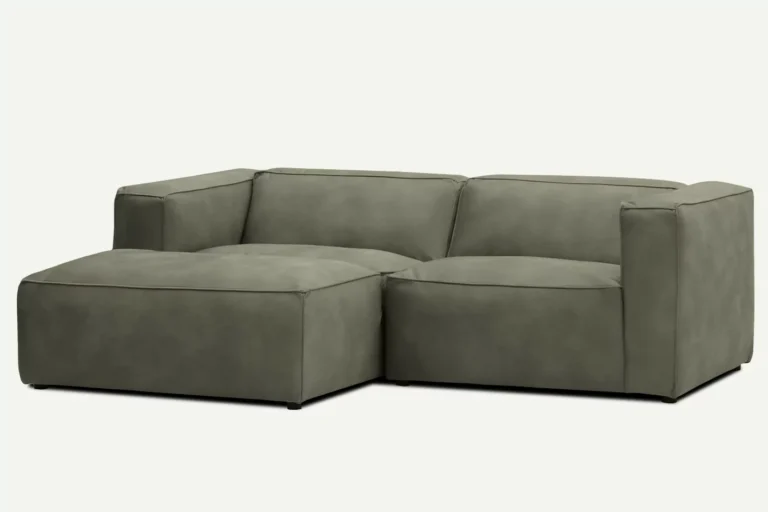
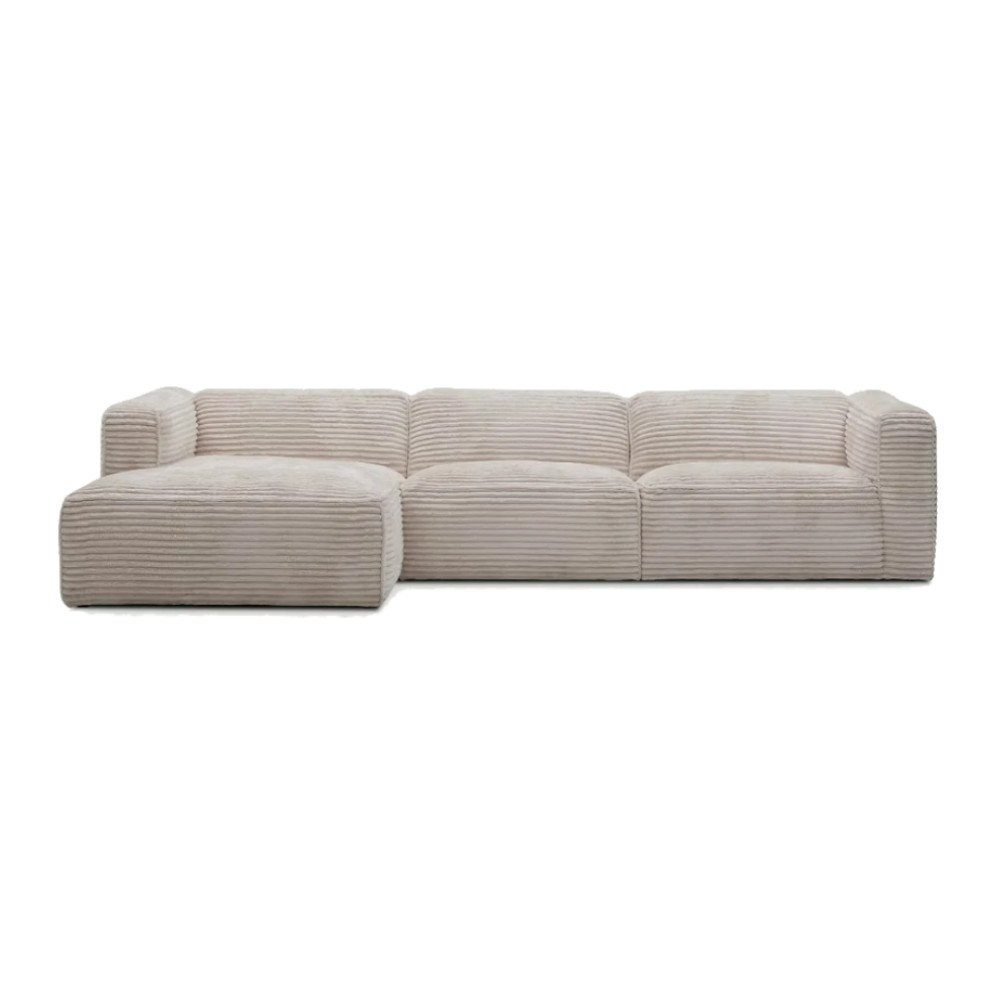
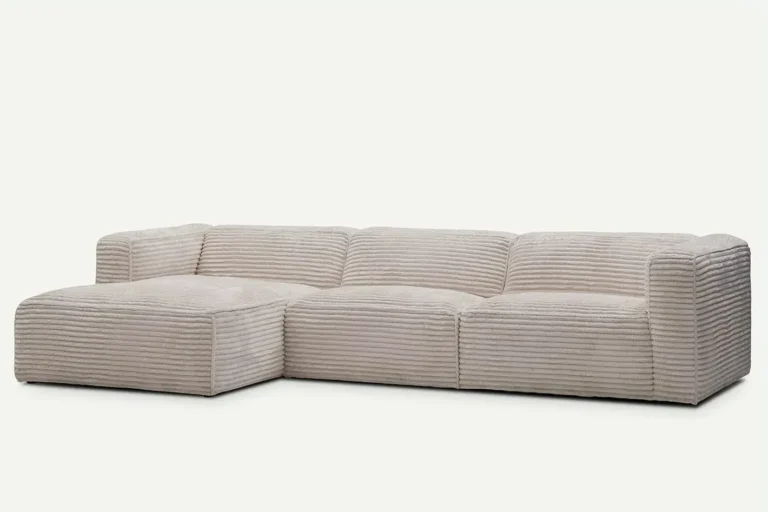
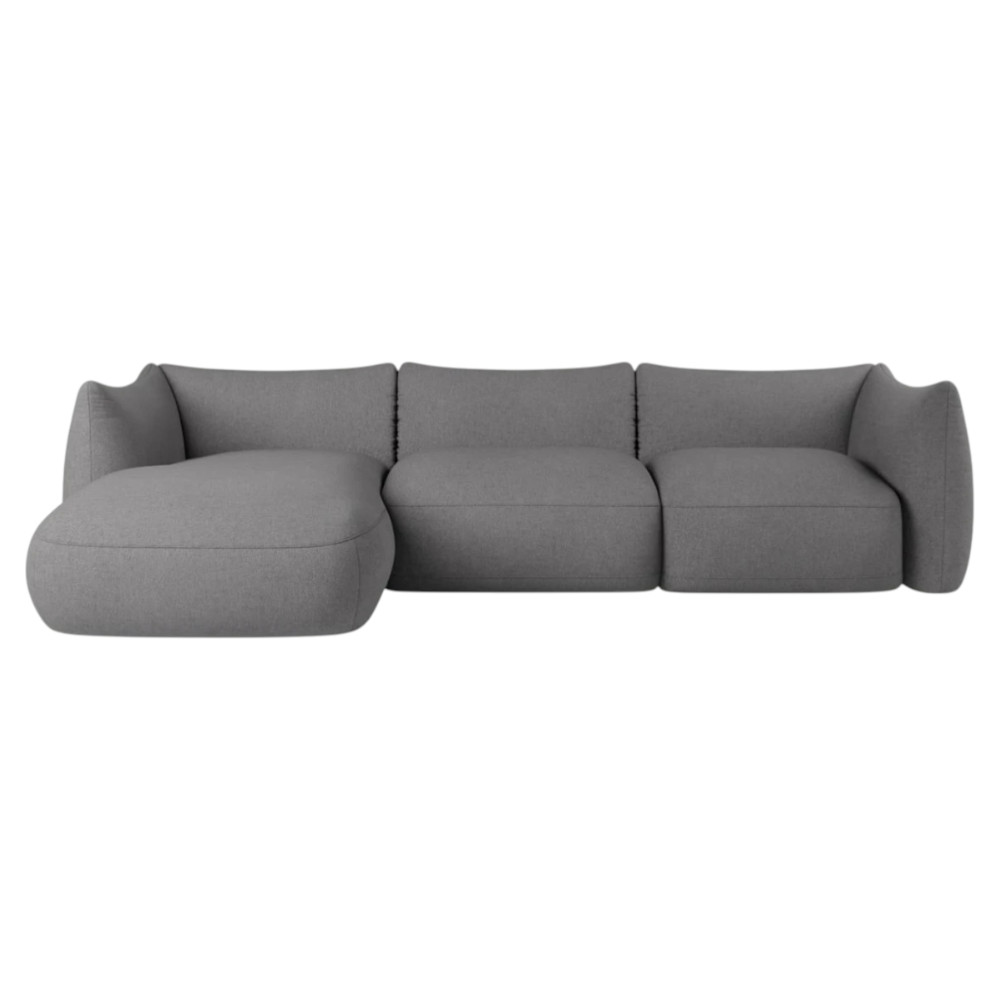
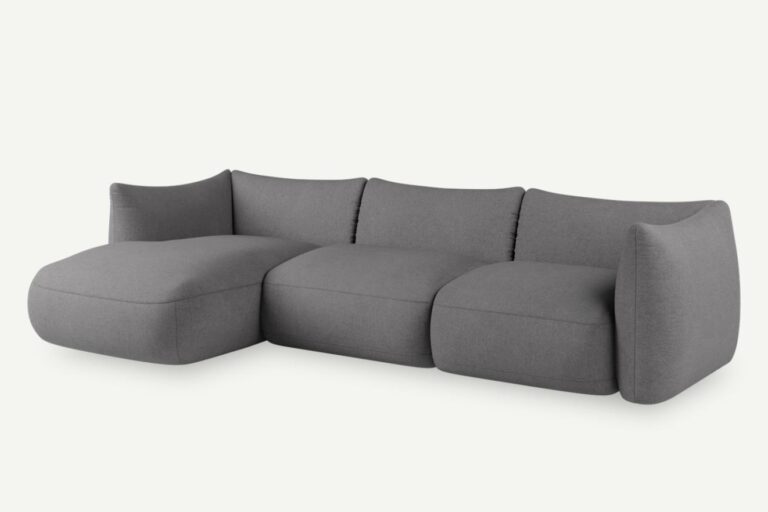
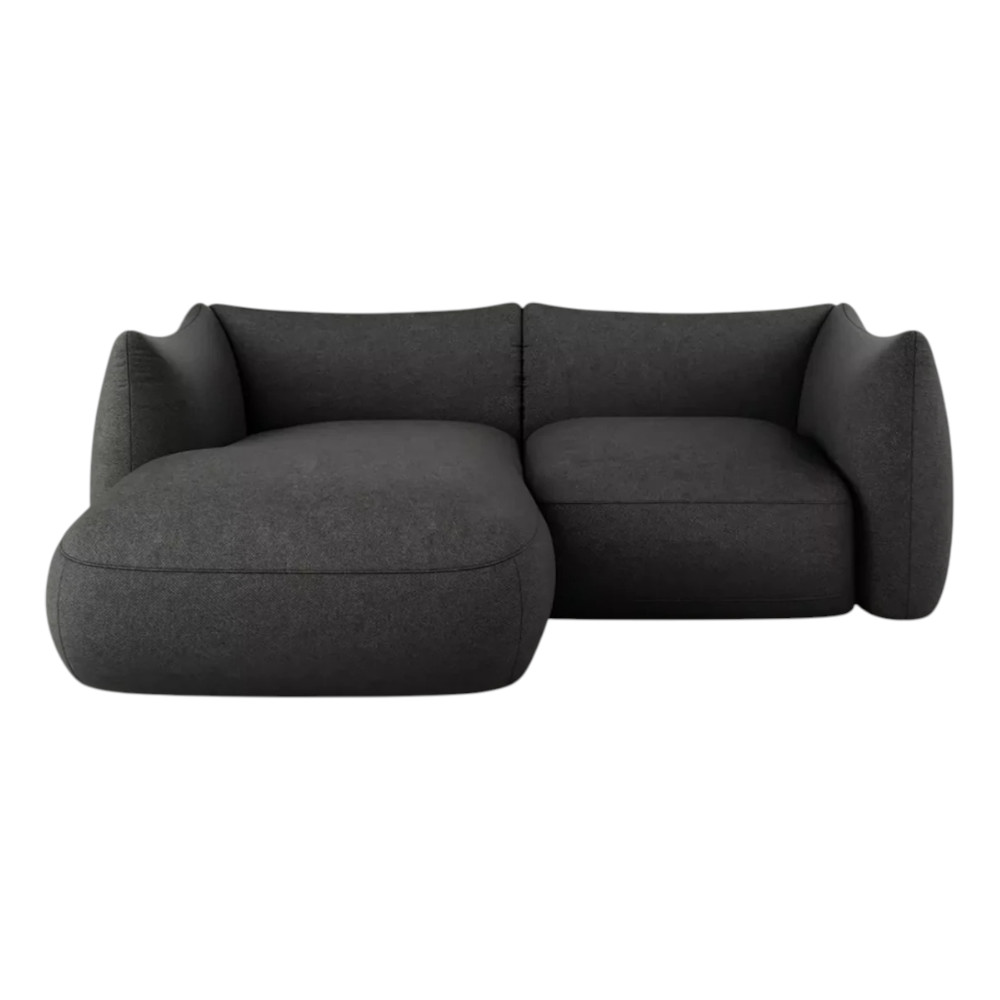
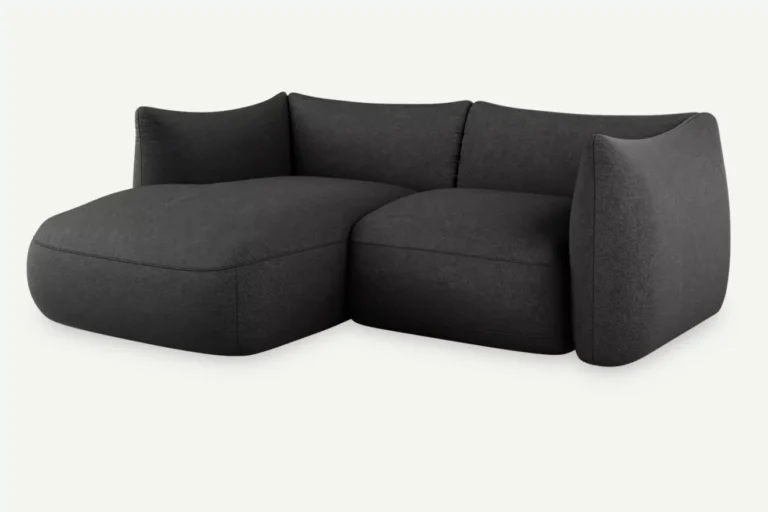
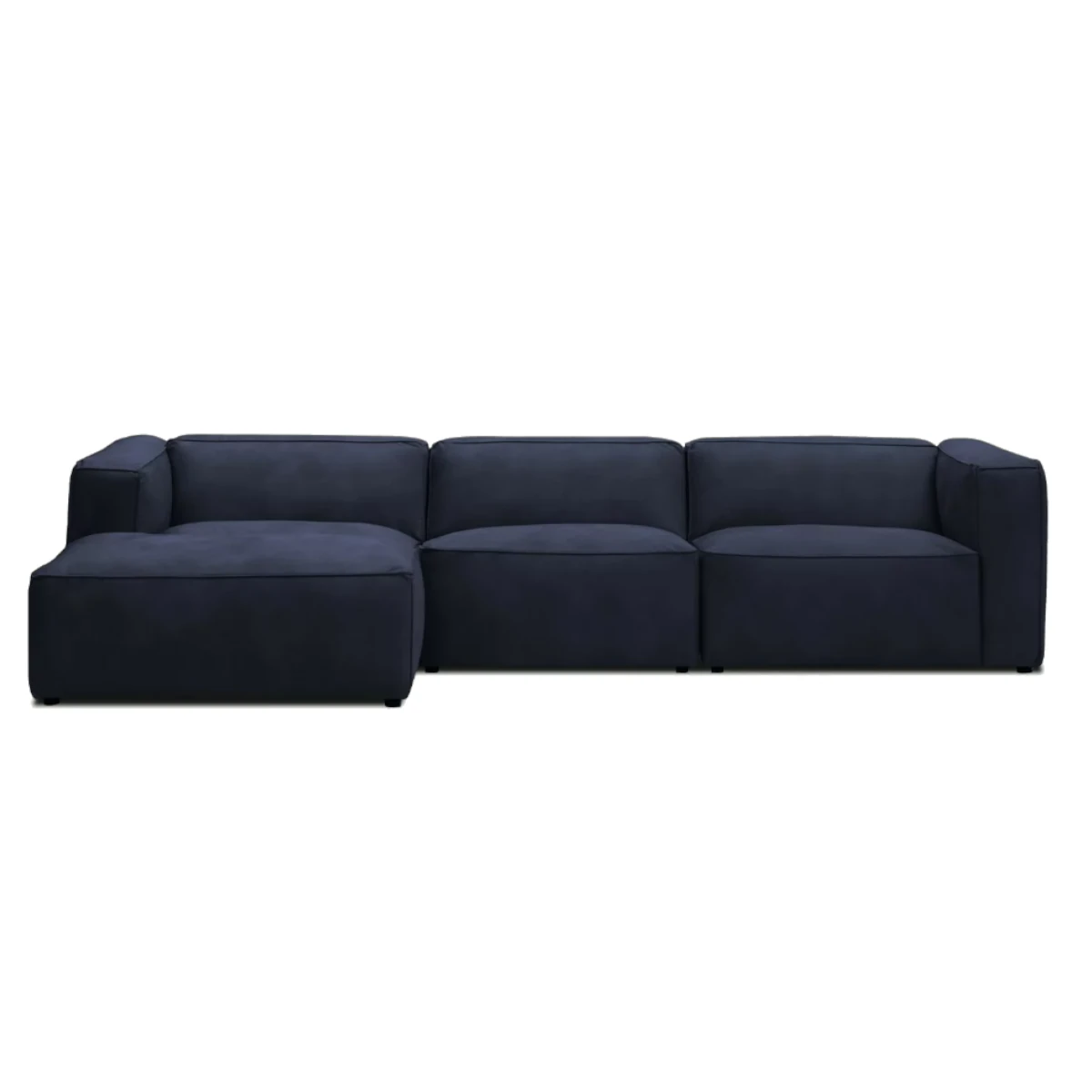
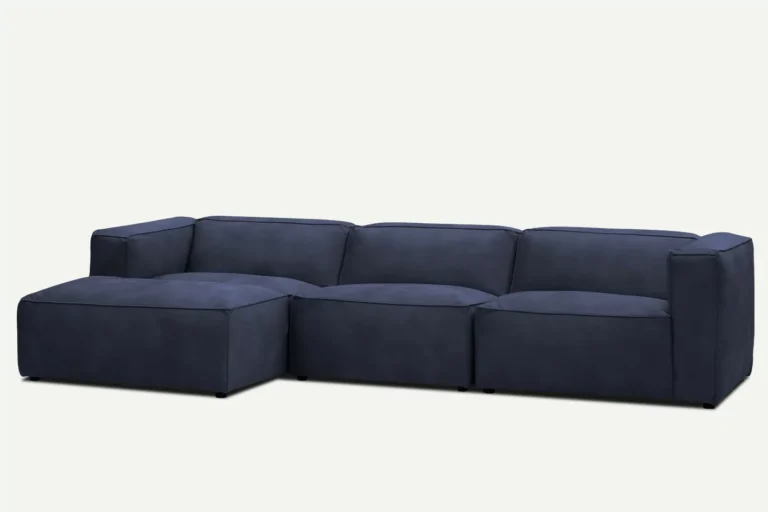
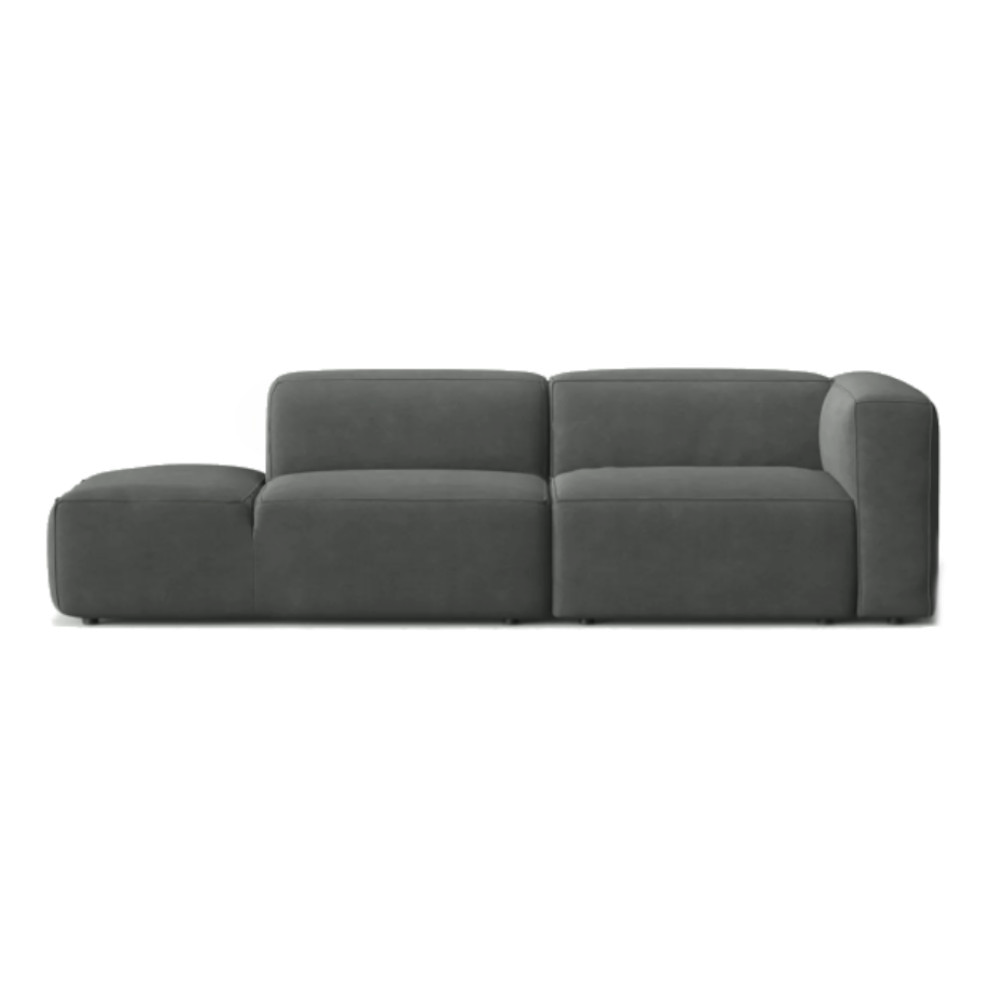
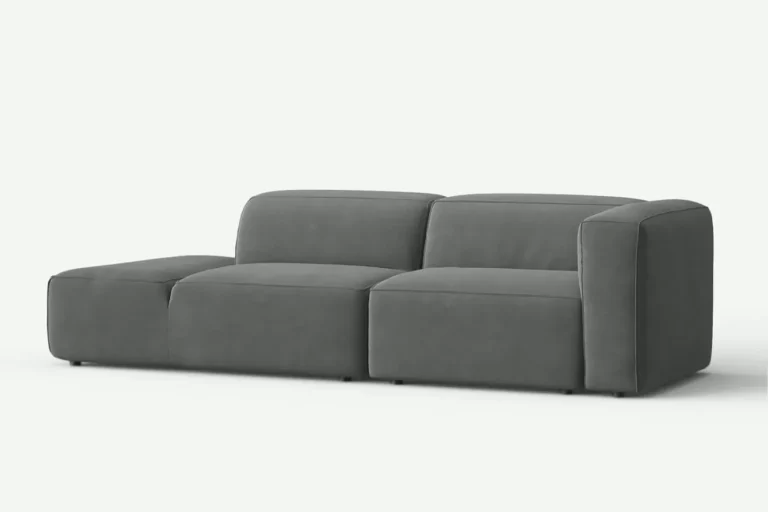
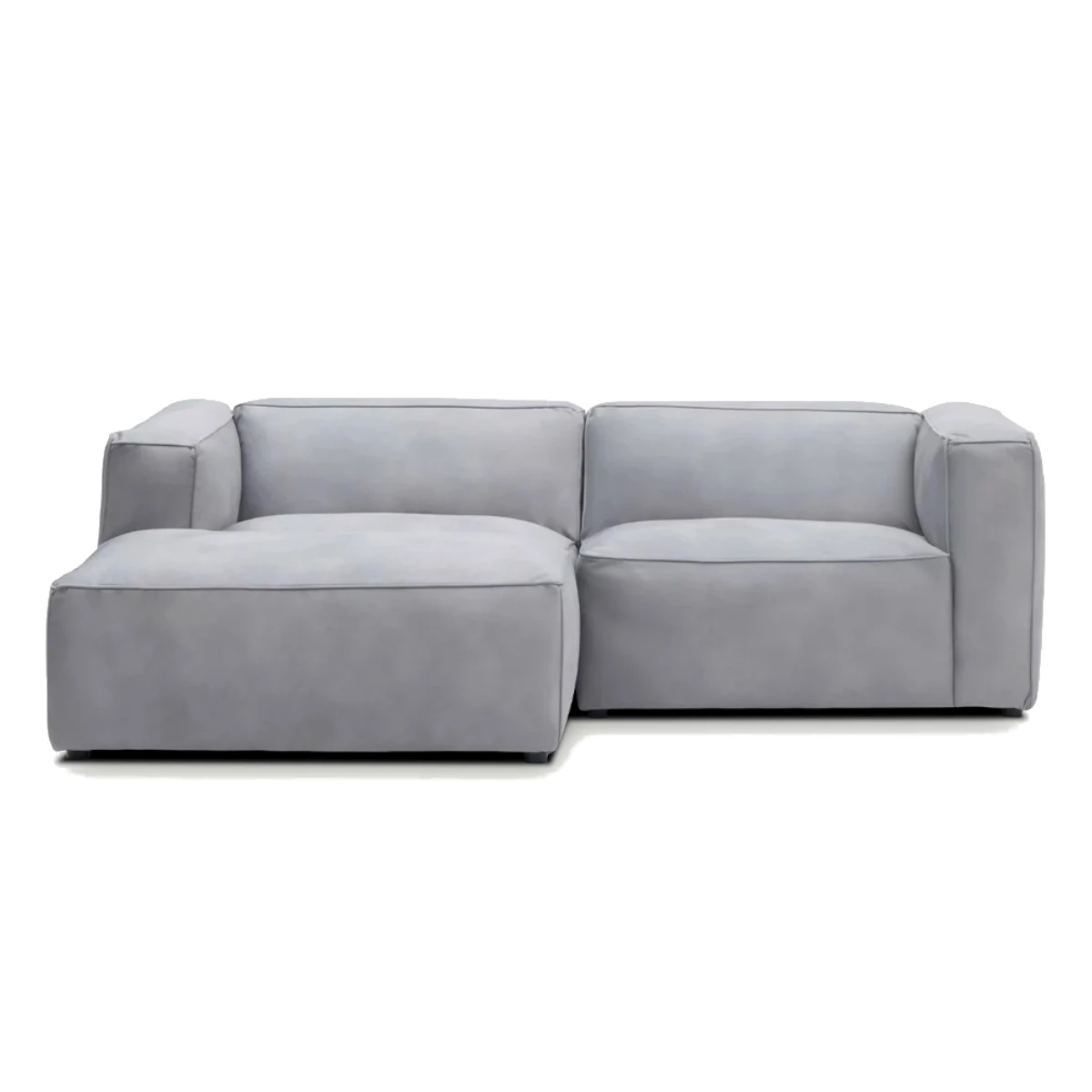
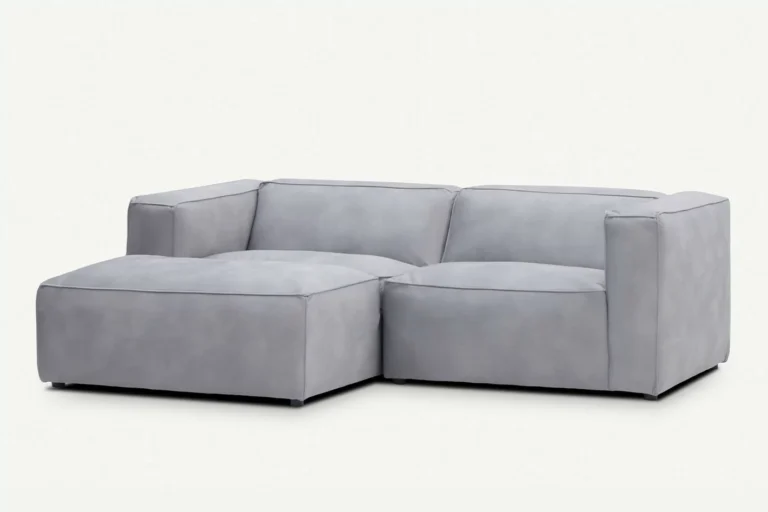
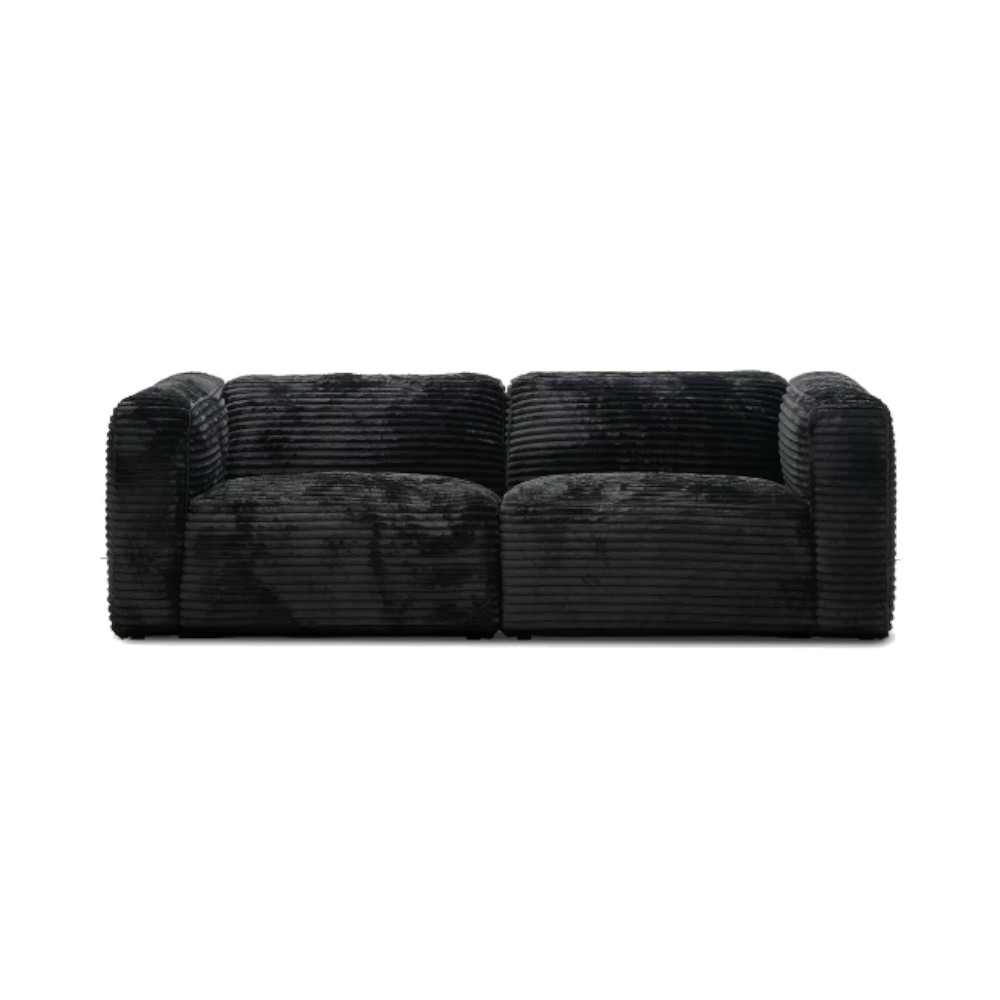
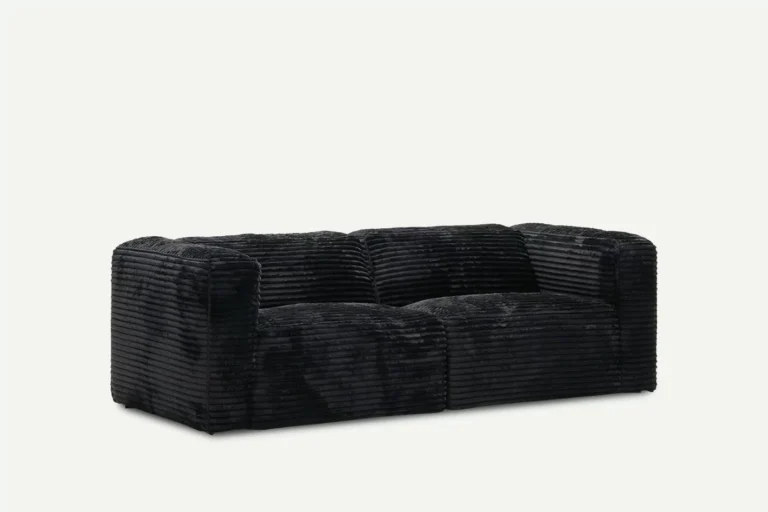
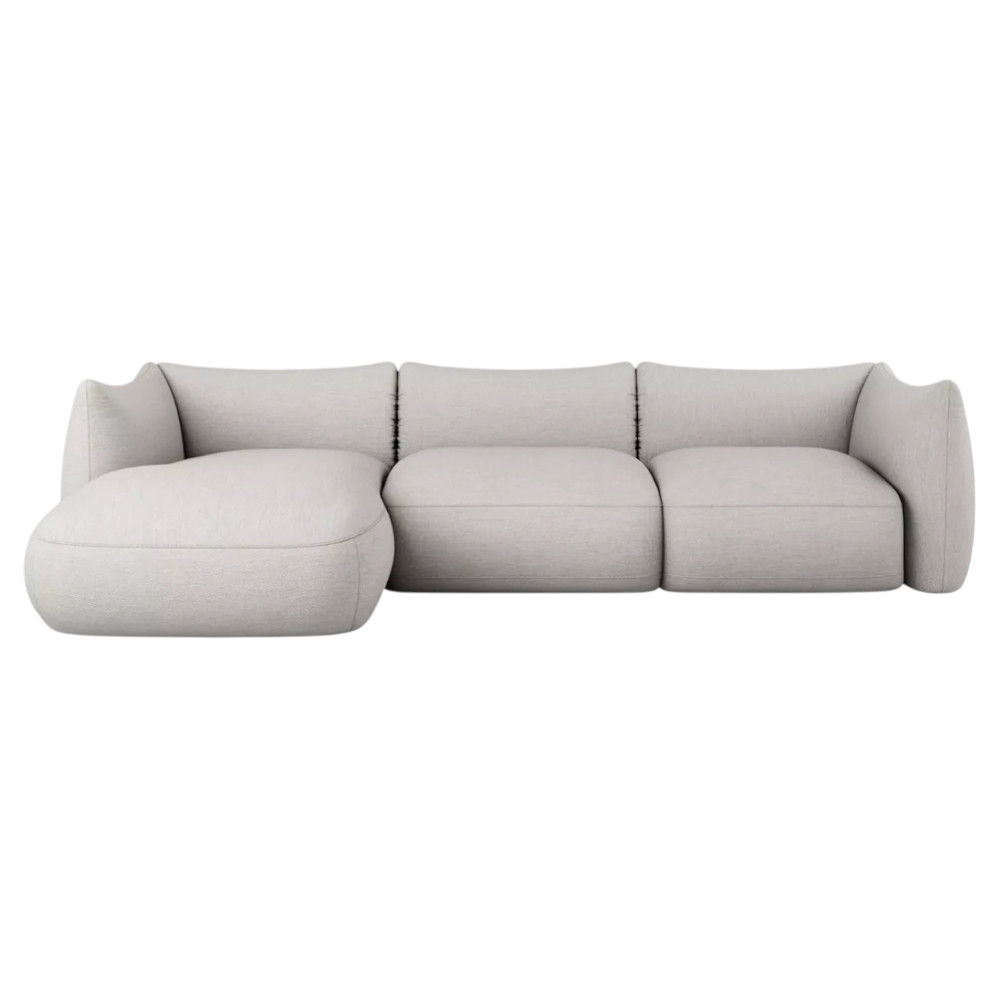
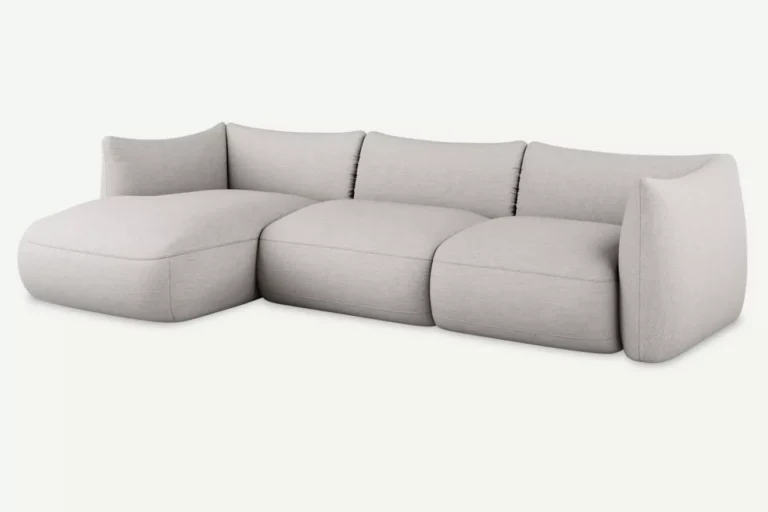
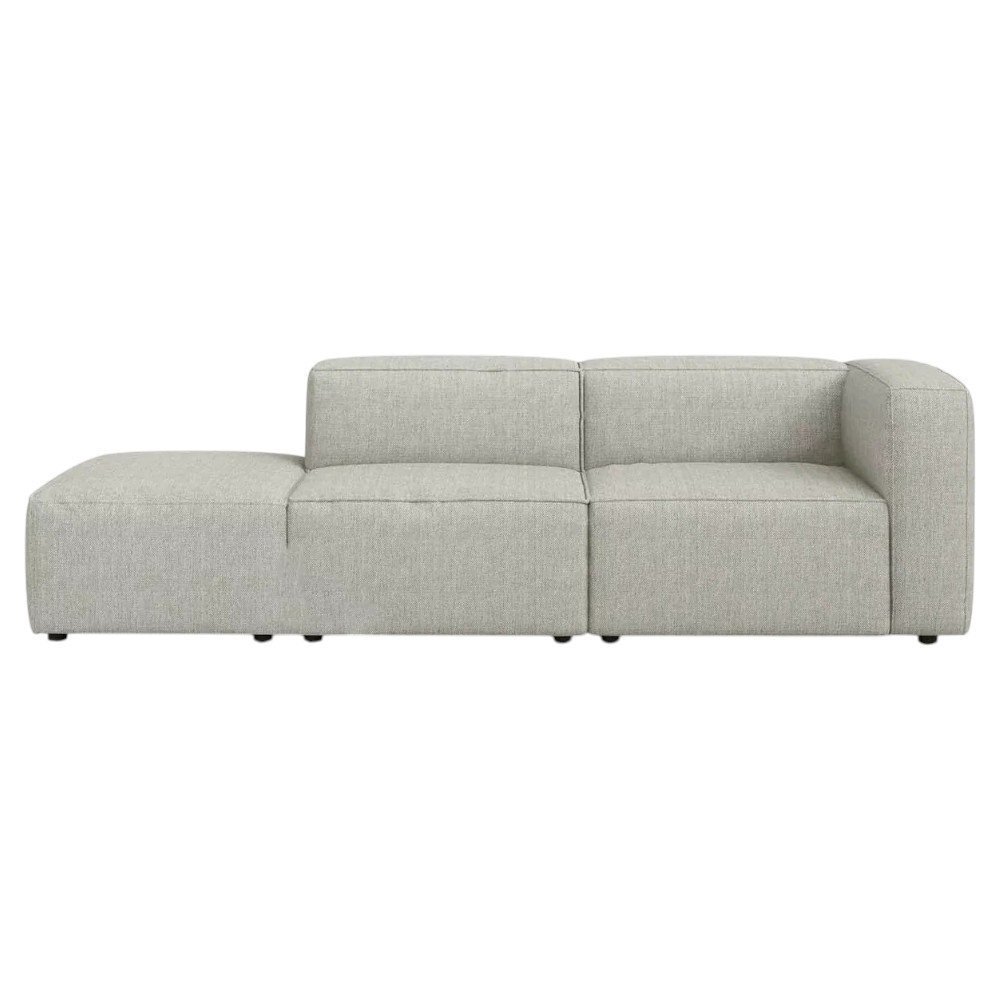
Discover our customer favourites
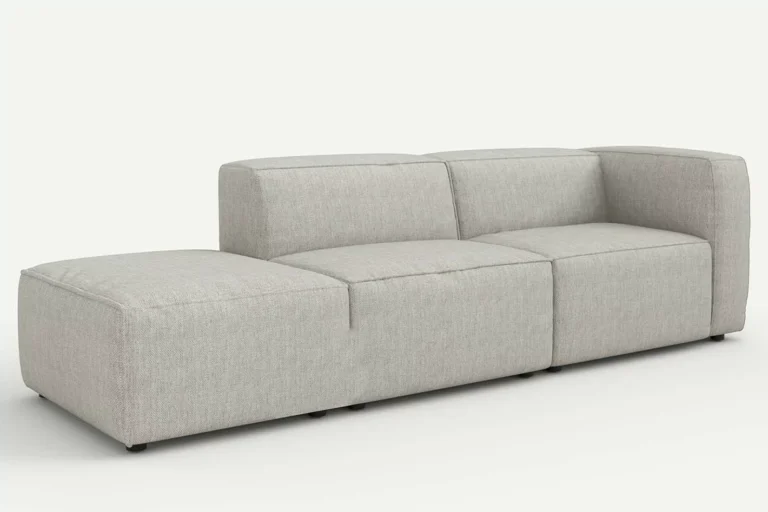
Budget Planning per Property
Budgeting should be strategic, not minimal. It is better to invest in fewer, higher-quality items than replace cheaper furniture frequently. A typical approach is to allocate more budget to high-use items like sofas and beds, while saving on decorative pieces.
Plan costs per room to stay organised. For example, the living room often requires the highest investment due to seating and focal furniture. Bedrooms can be more cost-efficient with simple layouts. Balancing upfront cost with long-term durability ensures better return on investment over several tenancy cycles.
Fire Safety & Regulations
All rental furniture in the UK must comply with fire safety standards. This includes upholstered items such as sofas and mattresses. Always check that furniture carries appropriate fire safety labels confirming compliance with regulations. This is a legal requirement and protects both landlord and tenant.
In addition to compliance, consider placement and layout. Avoid overcrowding rooms and ensure safe movement around furniture. Clear pathways and sensible spacing improve both safety and usability. Meeting regulations is essential, but practical layout decisions also contribute to a secure living environment.
FAQ
Before finalising your furnishing plan, it helps to address the most common landlord questions.
What furniture should a rental property include?
A rental property should include essential items only. Focus on functional furniture that supports daily living without unnecessary extras.
How can landlords reduce furniture replacement costs?
Choose durable materials and simple designs. Investing in quality reduces the need for frequent replacements and repairs.
Should rental furniture be stylish or basic?
It should be both. Aim for neutral, modern styles that appeal to most tenants while remaining practical and long-lasting.
Do landlords need fire safety certificates for furniture?
Furniture must meet UK fire safety regulations. Always check for compliance labels on upholstered items before furnishing a property.