
Posted on June 16, 2026
Fire Safety Regulations for Furnished Rentals: What Landlords Need to Know
Fire safety in furnished rentals is not optional in the UK. Landlords must ensure all furniture meets strict fire resistance standards before letting a property. Failing to comply can lead to fines or legal action. If you let a furnished home, you are legally responsible for every upholstered item inside it.
This guide explains the key rules, labels, and responsibilities. It also highlights penalties and where to source compliant furniture. Use it as a practical checklist to stay compliant and protect your tenants.
UK Fire Safety Requirements
The main legislation is the Furniture and Furnishings (Fire Safety) Regulations 1988 (as amended). These rules apply to most upholstered furniture supplied in rented properties. They cover items such as sofas, armchairs, cushions, and upholstered beds.
To comply, furniture must pass ignition resistance tests for both cover fabrics and internal fillings. Materials must resist cigarettes and match flames. This ensures items do not ignite easily or spread fire rapidly. These rules apply whether furniture is new or second-hand.
What Labels to Look For
Every compliant item must carry a permanent fire safety label. This label confirms the product meets UK fire regulations. It is usually stitched under cushions or on the frame.
There are two main types of labels. A display label is often visible at purchase. A permanent label must remain attached after sale. If the permanent label is missing, the item is treated as non-compliant. Never rely on appearance alone.
Landlord Responsibilities
Landlords must ensure all furniture supplied is fully compliant at the start of the tenancy. This includes replacing any unsafe items before tenants move in. You cannot transfer this responsibility to tenants or agents.
Regular checks are also essential. If a label is removed or damaged, the item should be replaced immediately. Keep records of purchases and compliance. This protects you if inspections occur or disputes arise.
Penalties for Non-Compliance
Non-compliance is a serious offence. Local authorities can impose fines, product seizures, or prosecution. In severe cases, landlords may face criminal charges.
Insurance may also be affected. Invalid insurance claims are common if fire safety rules are breached. This creates financial risk beyond legal penalties. Compliance is therefore both a legal and financial necessity.
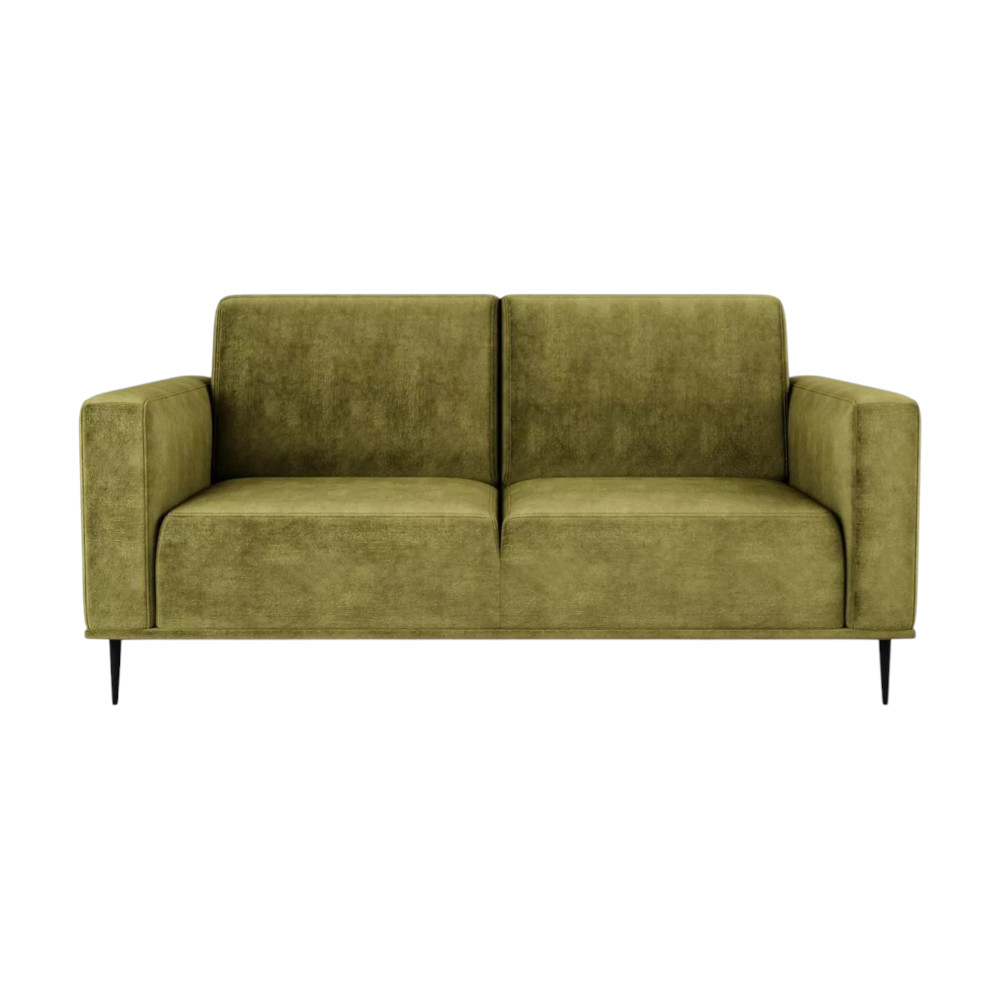
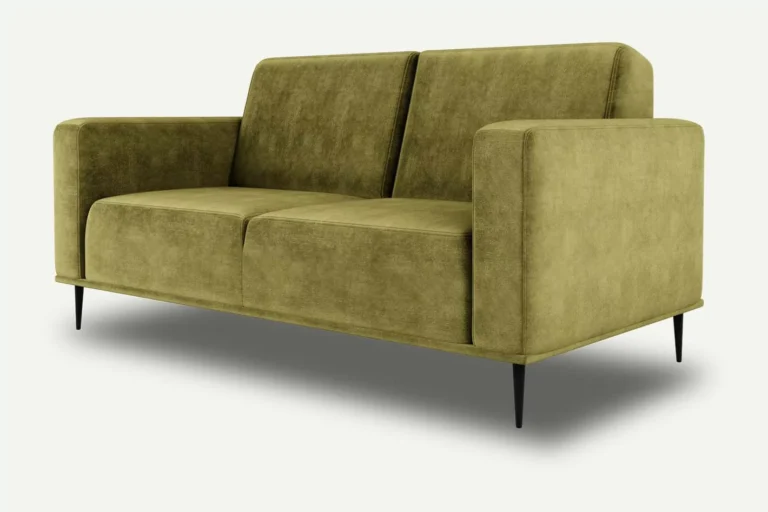
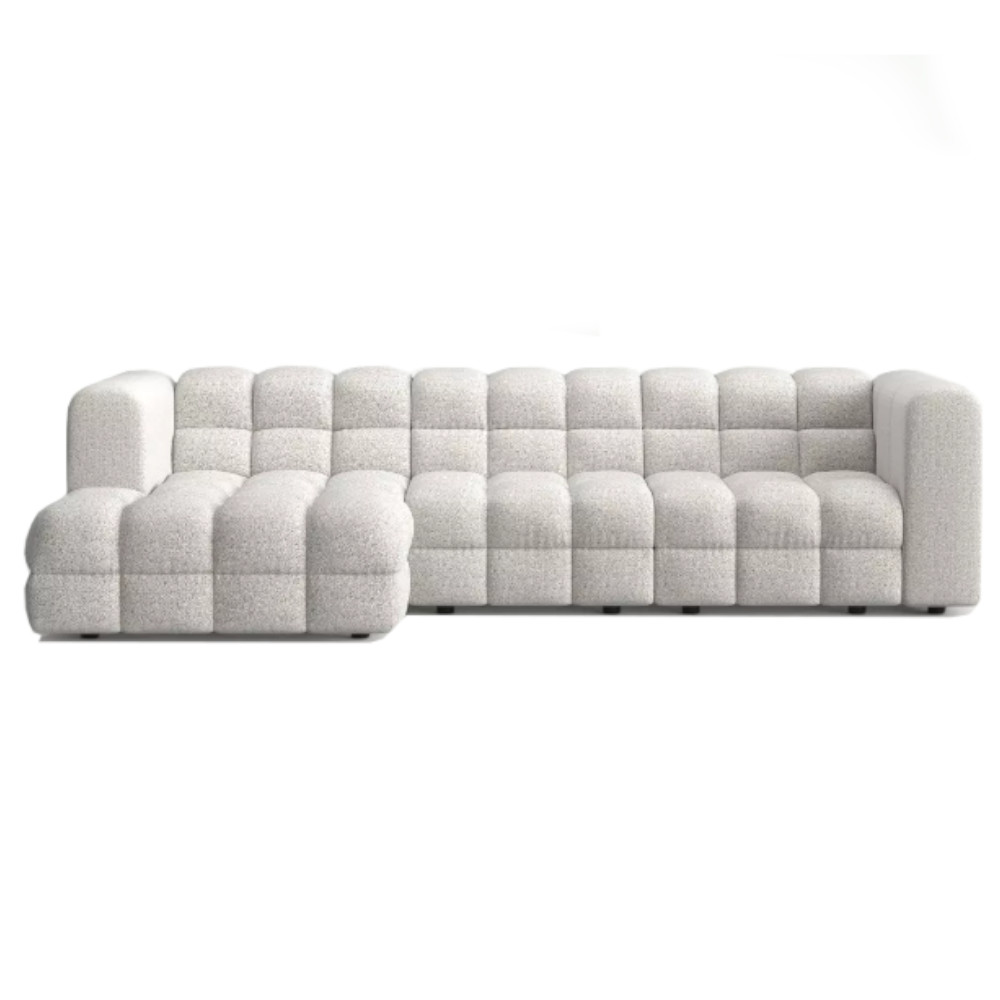
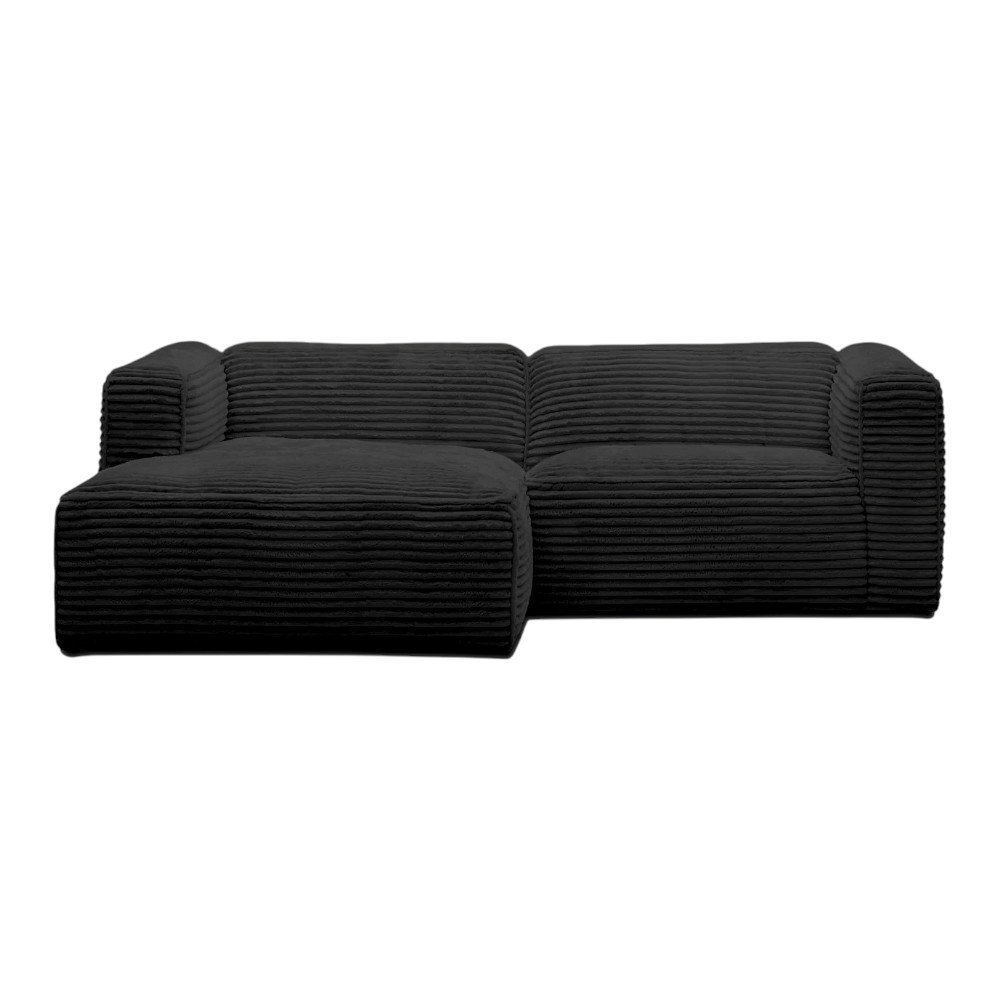
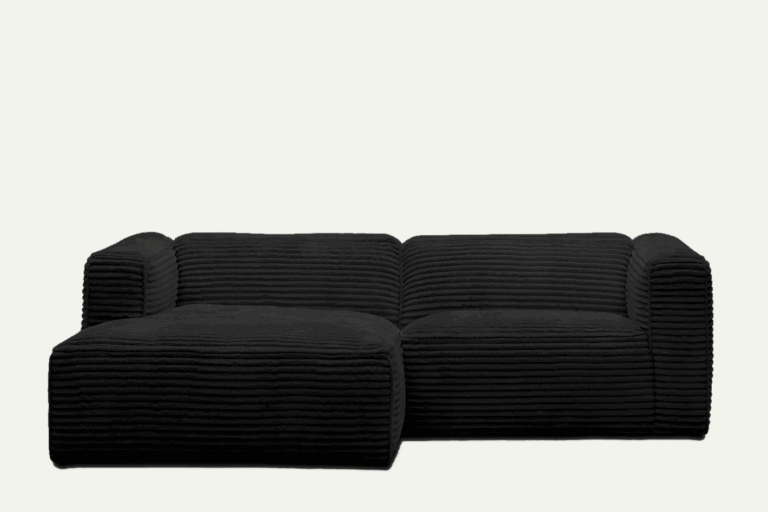
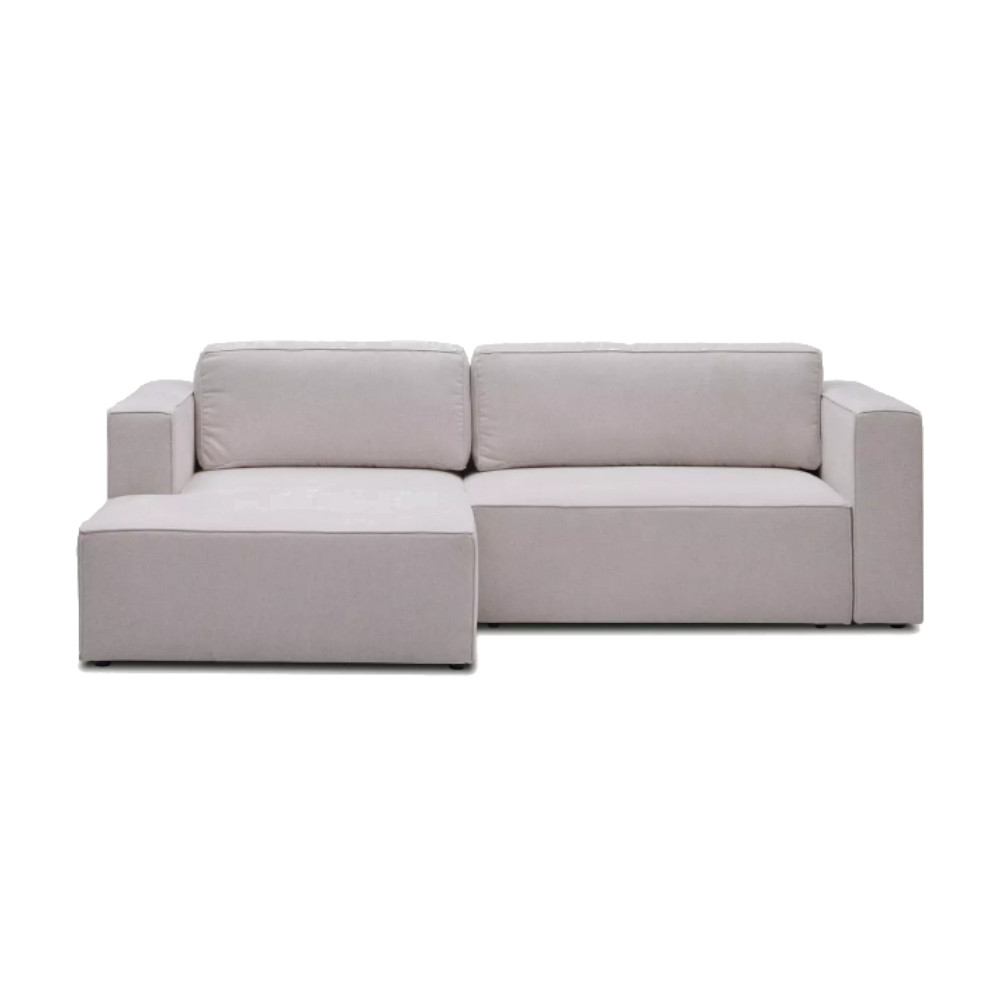
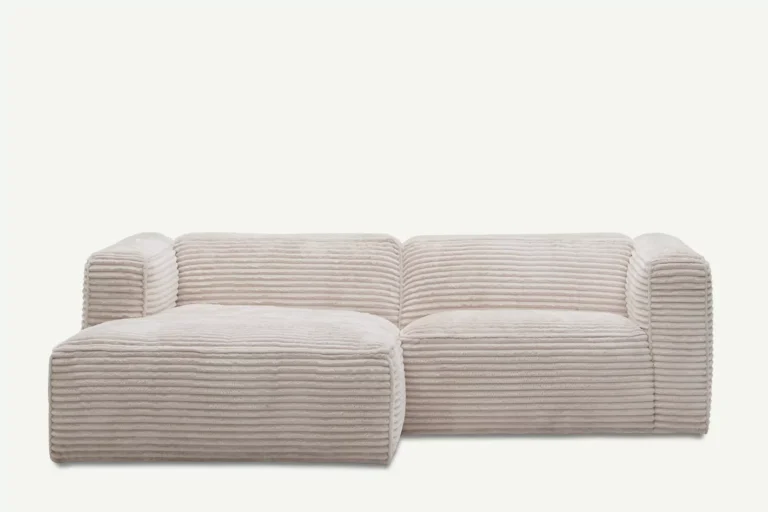
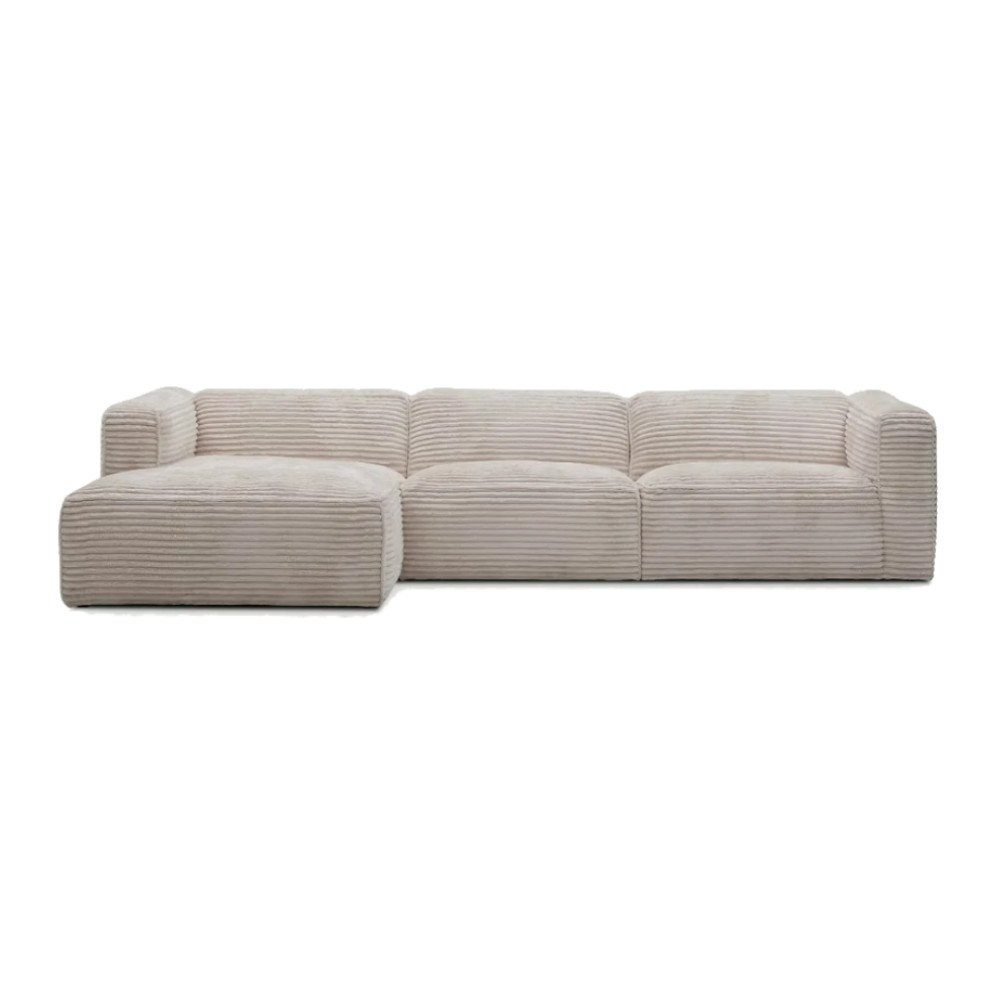
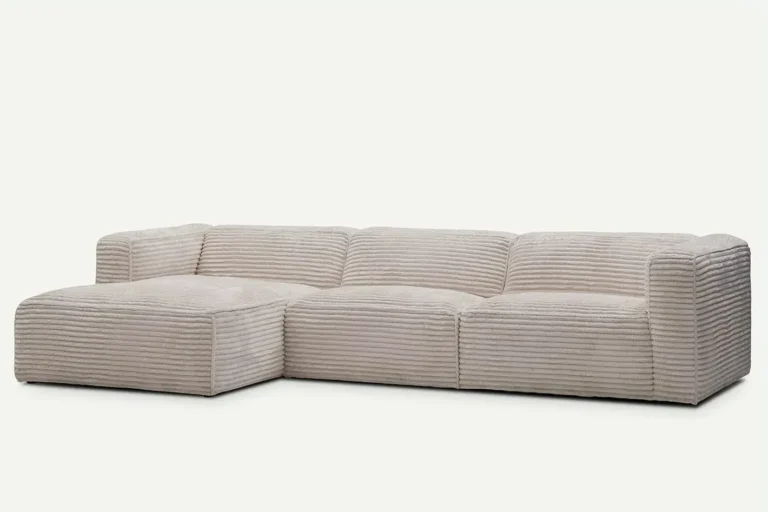
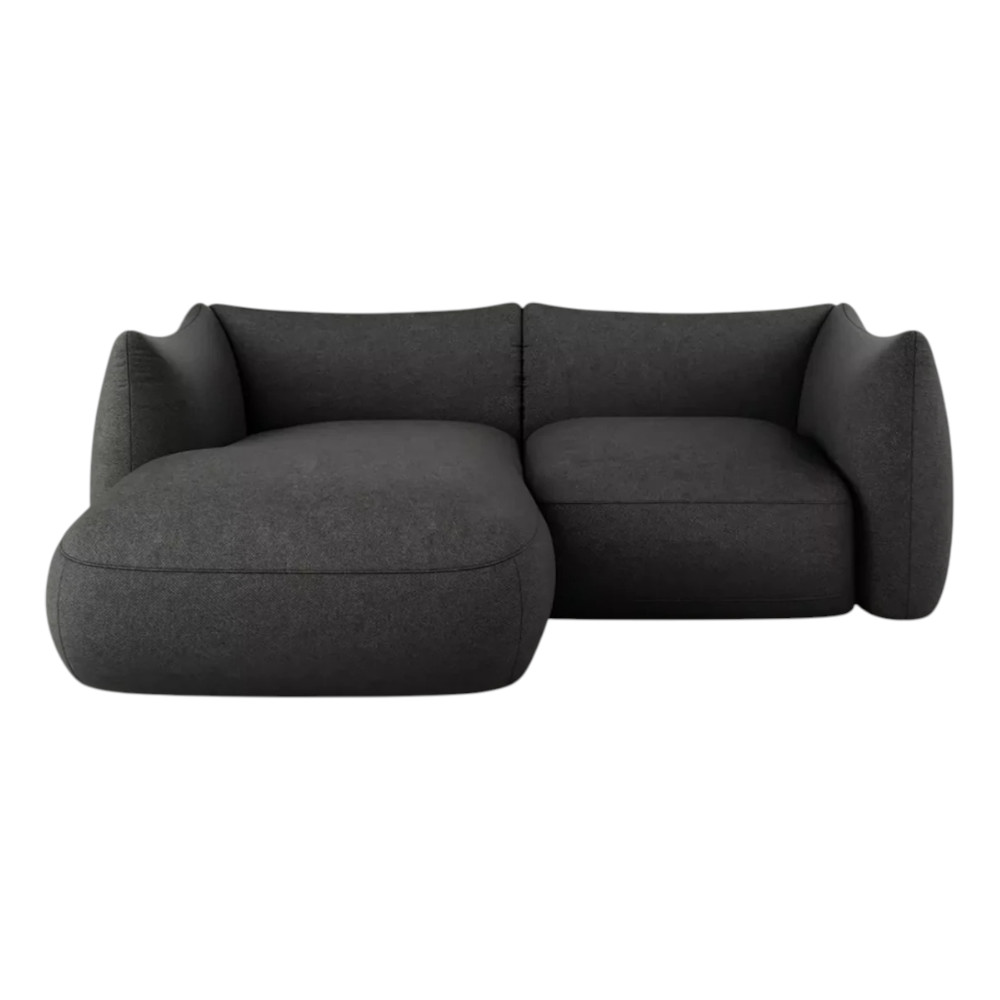
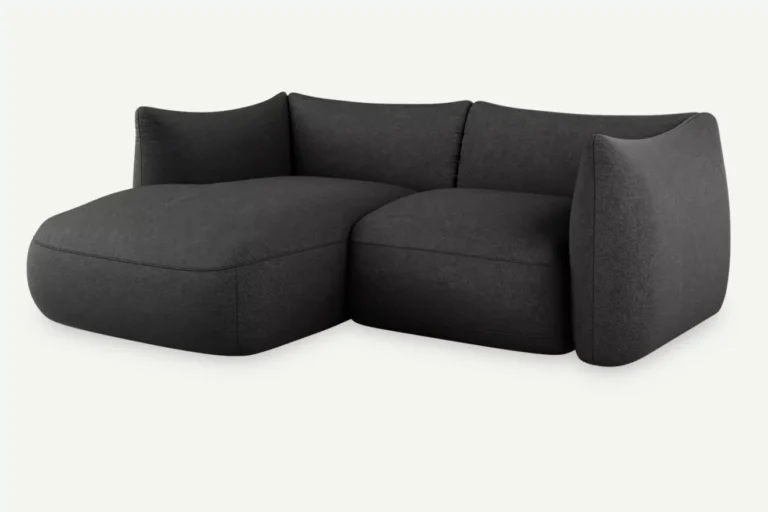
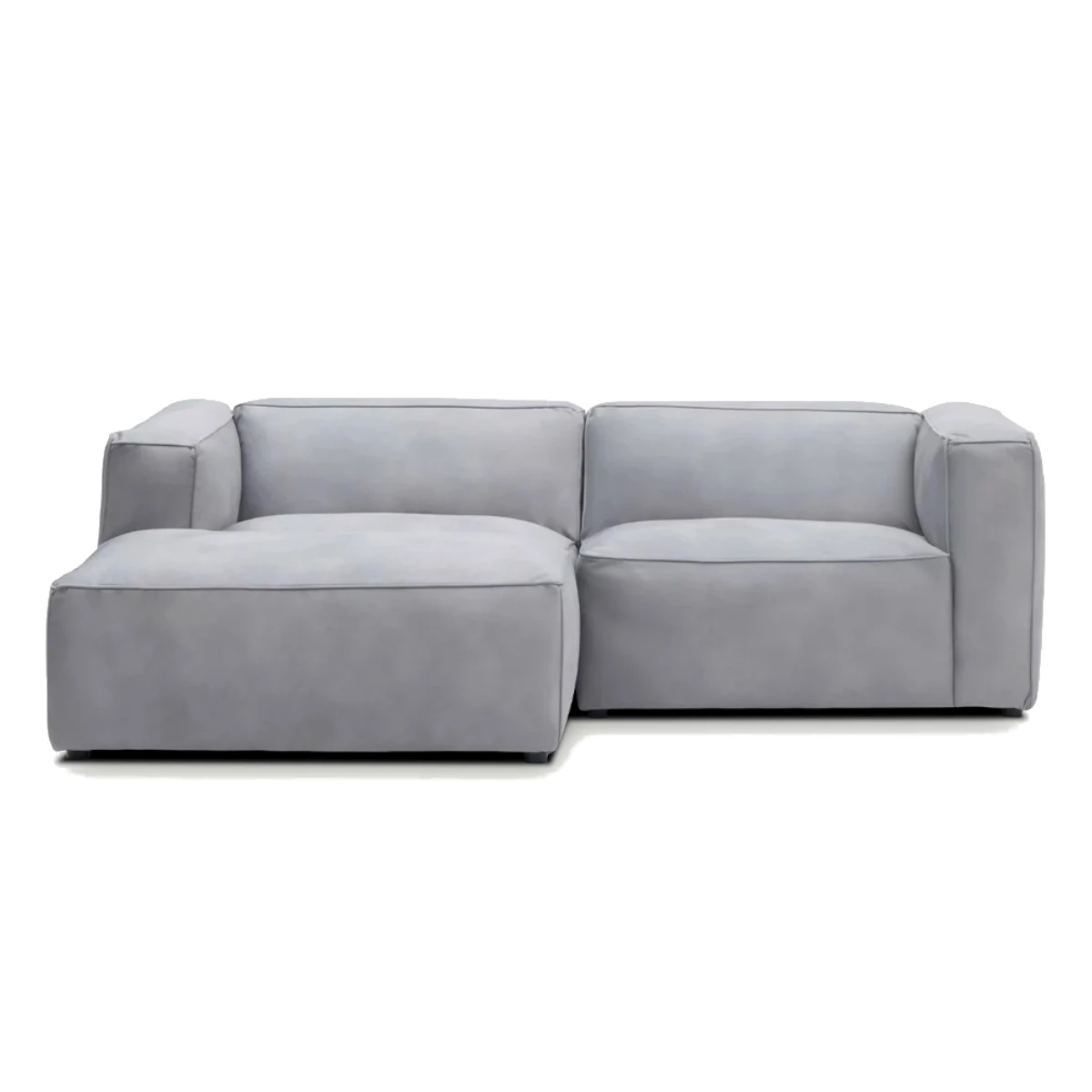
See the sofas everyone loves
-
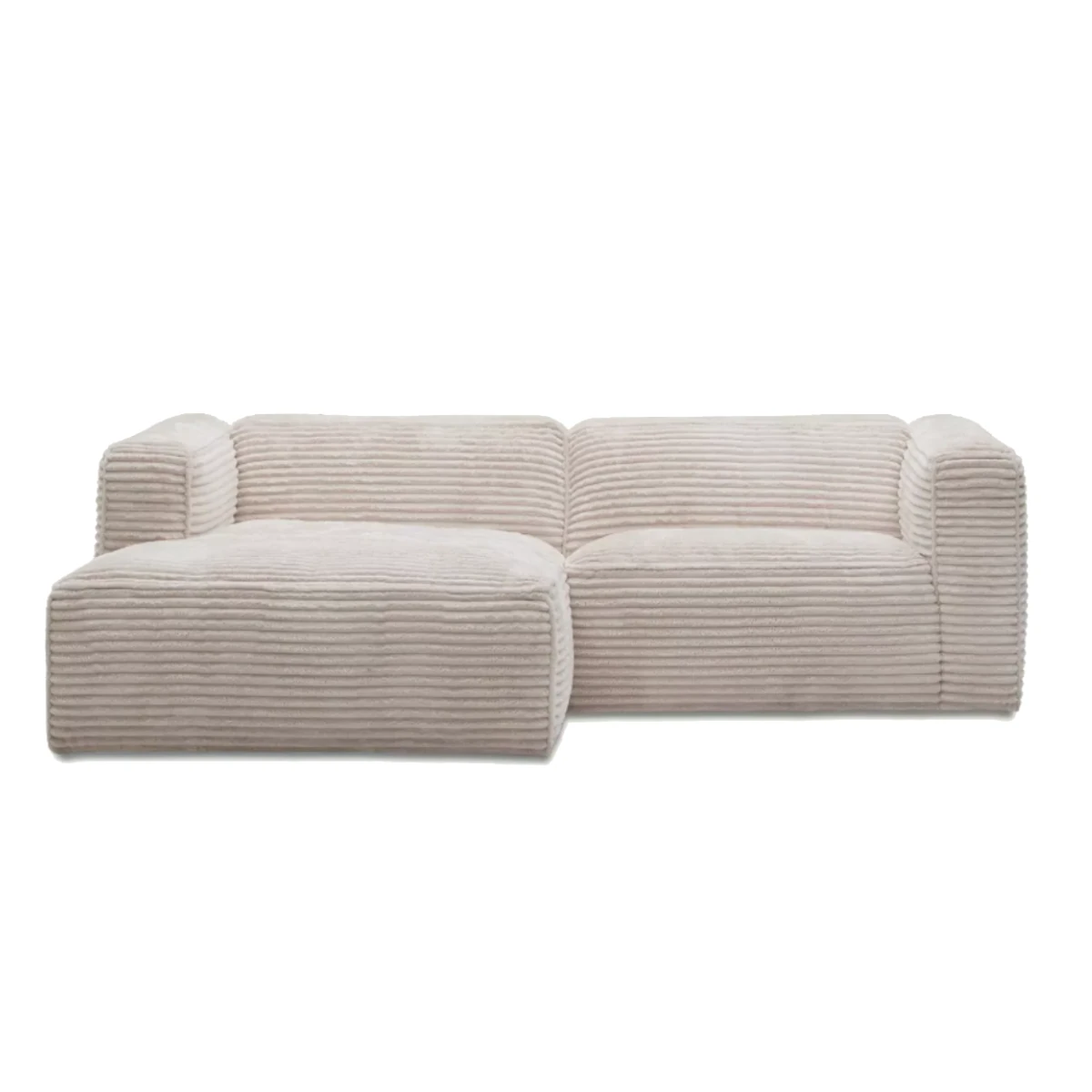
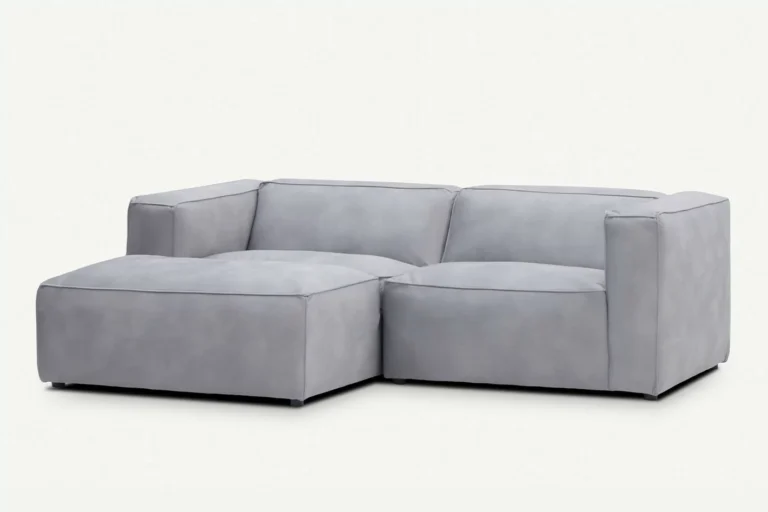
![Moved II Small and Modern Corner Sofa Beige Tilia 03]()
£1,340.00£1,139.00 -
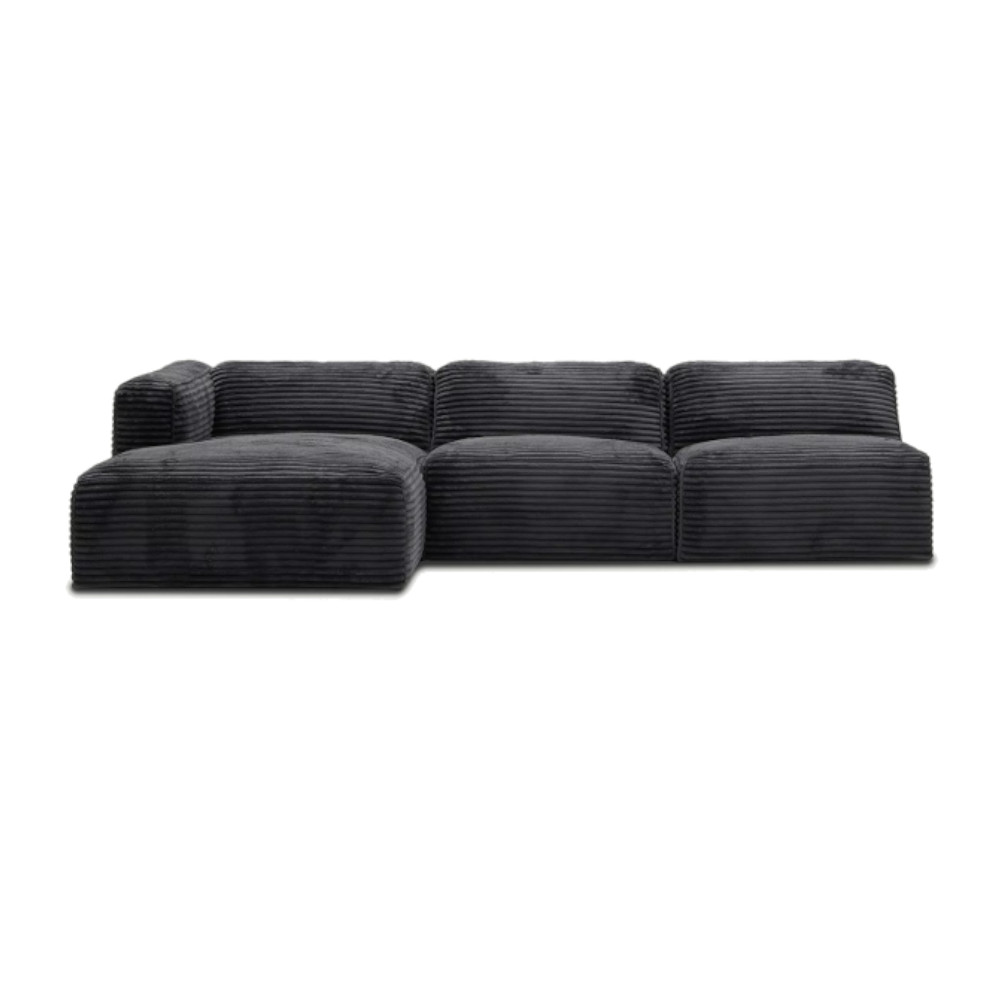
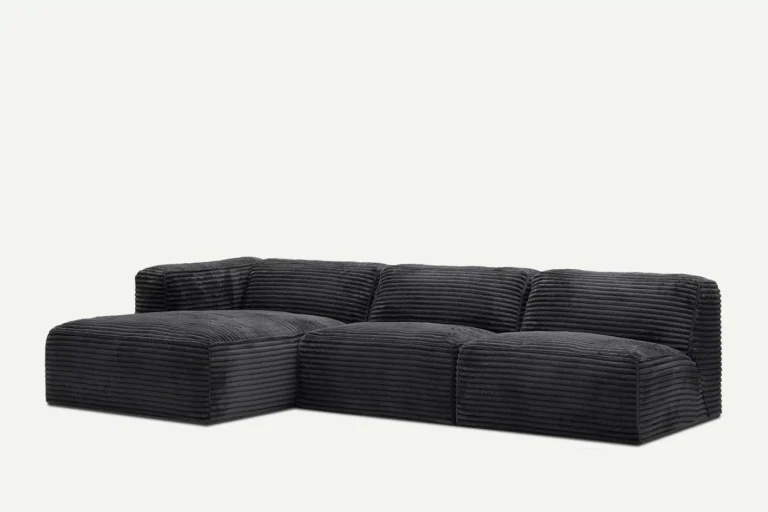
![Moved XL 4 Seater Corner Sofa 1 Arm Black Tilia 100]()
£2,120.00£1,802.00



Where to Buy Compliant Furniture
The safest option is to buy from reputable UK retailers. Choose suppliers that clearly state full compliance with fire safety regulations. Avoid unverified second-hand sources unless documentation is available.
Look for furniture made with tested materials and proper certification. Reliable retailers provide clear labelling and product information. This reduces risk and ensures long-term compliance for your rental property.
FAQ
Below are answers to common questions landlords ask about fire safety in furnished rentals.
Do all sofas in rented properties need fire safety labels?
Yes. Every upholstered item must have a permanent fire safety label to be legally used in a rental property.
Can landlords use second-hand furniture?
Yes, but only if the item still has a valid permanent fire safety label. Without it, the furniture cannot be used.
What happens if a tenant removes a label?
The landlord is still responsible. The item should be replaced or verified immediately to maintain compliance.
Are mattresses included in fire safety regulations?
Yes. Most mattresses must meet fire resistance standards, although labelling requirements may differ slightly.
How often should landlords check furniture compliance?
Checks should happen before each tenancy and during periodic inspections to ensure continued safety.