
Posted on May 7, 2026
Room Divider Ideas: How to Zone an Open Plan Space with Furniture
Open plan living works best when each area feels defined and purposeful. The quickest way to achieve this is by using furniture as subtle dividers. Well-planned zoning improves flow, comfort, and visual balance in one space. Below, you will find practical ideas to create structure without building walls.
Why Zoning Matters
Open plan layouts offer flexibility, but they can feel chaotic without clear boundaries. Zoning helps separate functions like relaxing, dining, and working without closing the space. This makes daily use more intuitive and comfortable.
It also improves visual harmony. When each zone has a clear purpose, the room feels organised rather than cluttered. Good zoning ensures furniture placement supports both movement and usability.
Using Sofas as Room Dividers
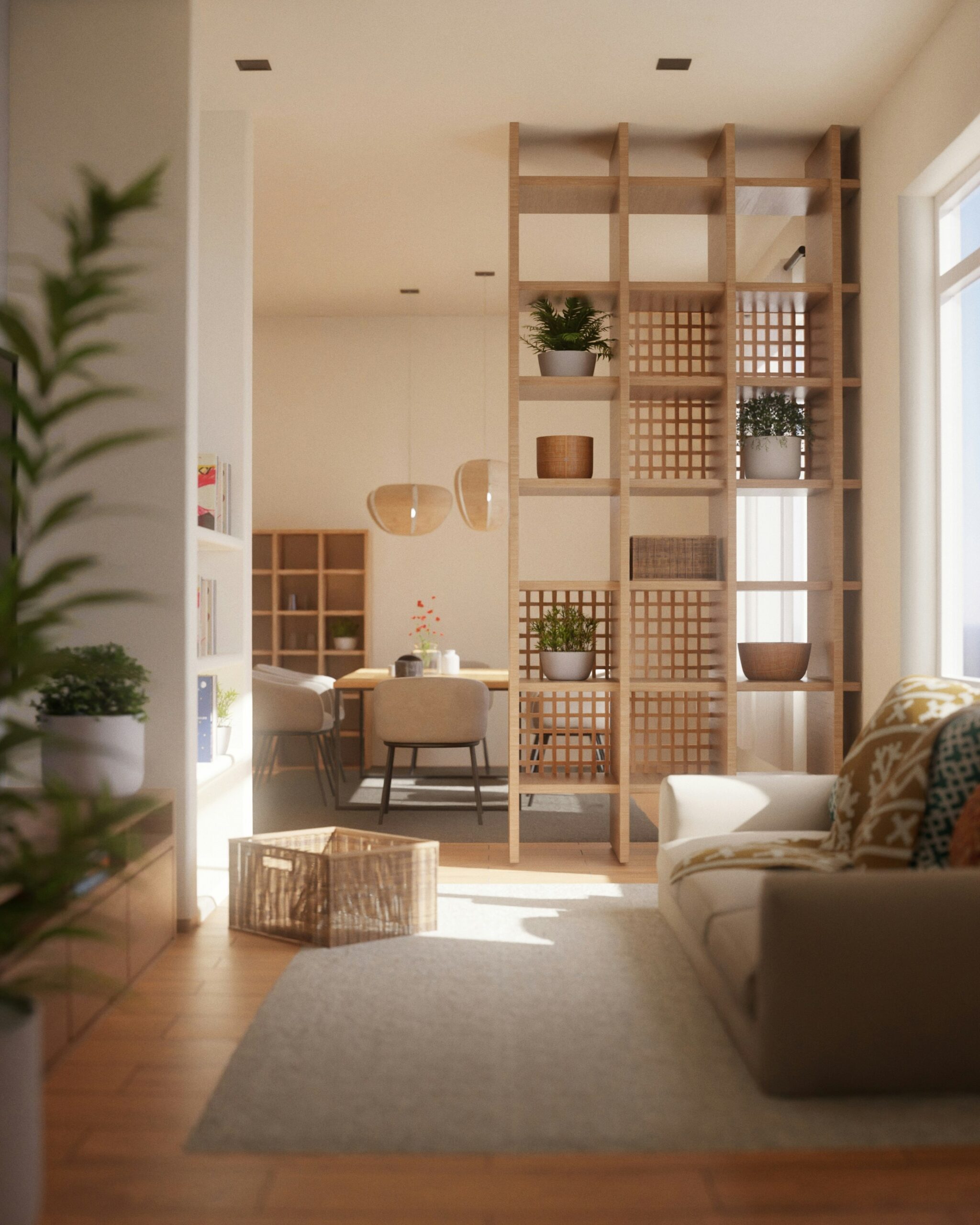
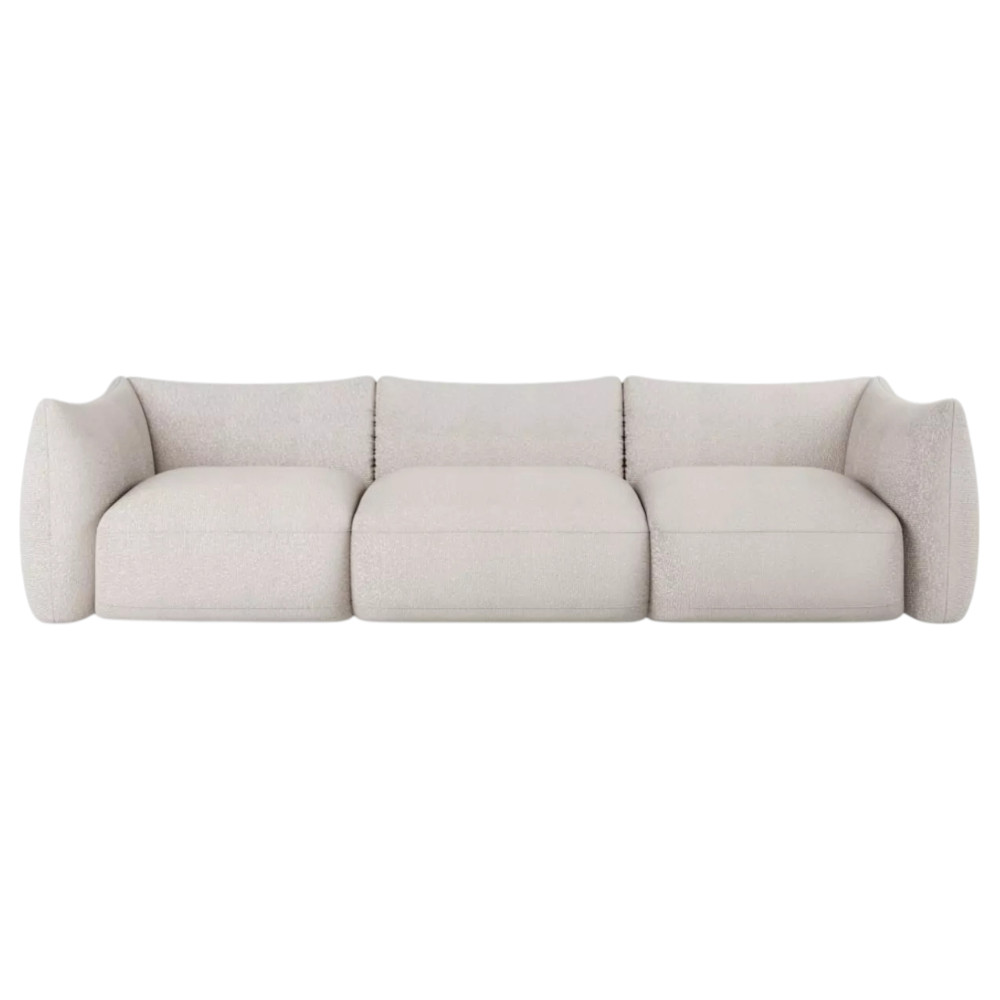
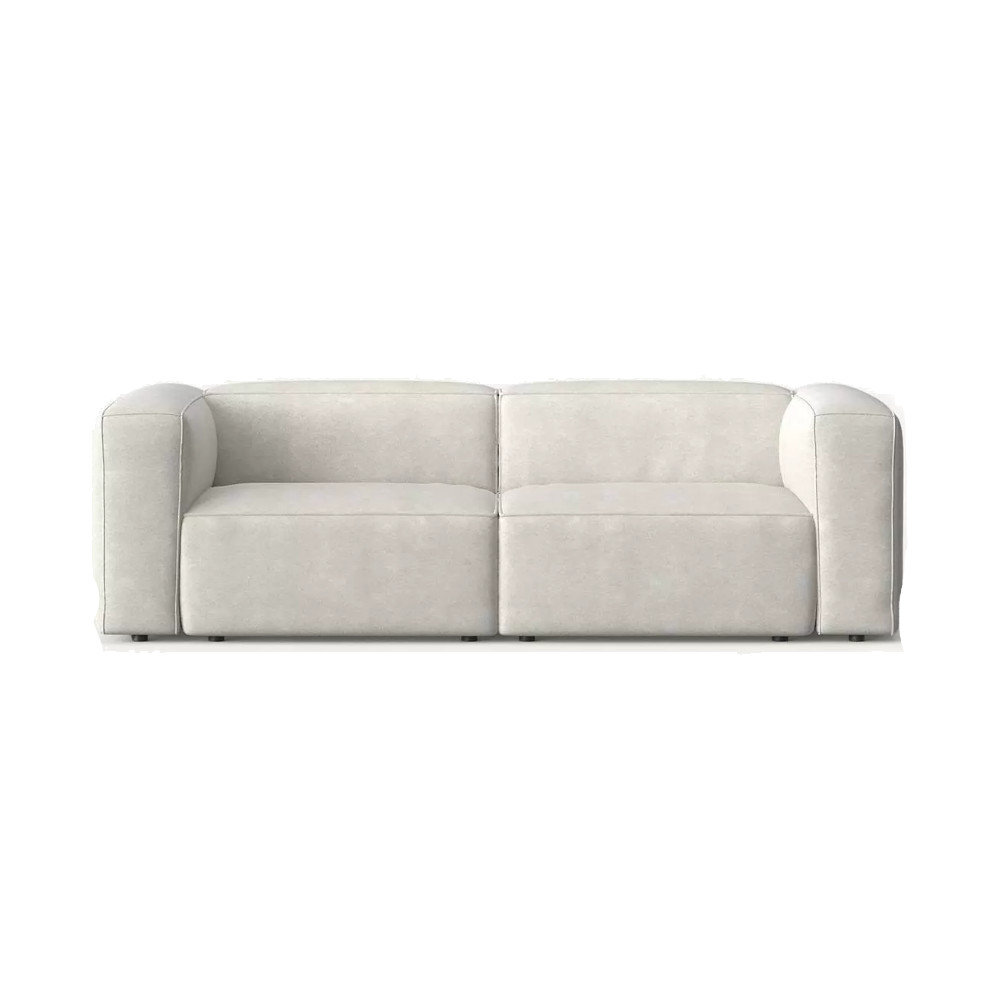
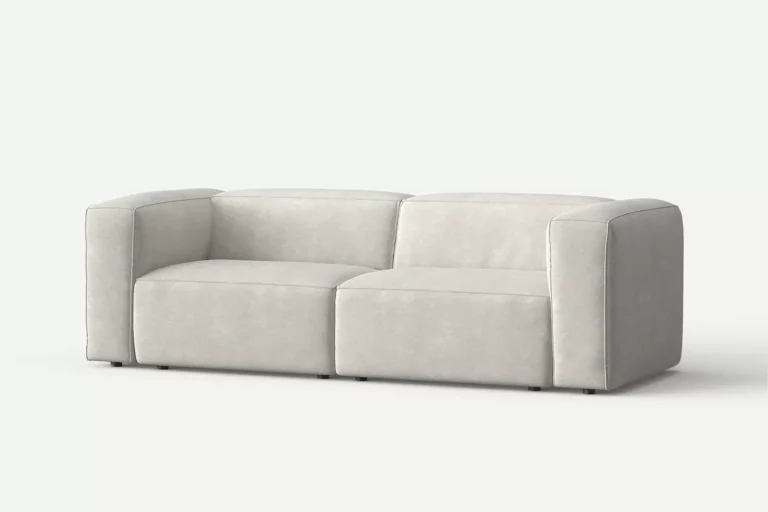
Sofas are one of the most effective room dividers. Placing a sofa with its back facing another zone creates a natural boundary. A well-positioned sofa defines space while keeping the layout open and connected.
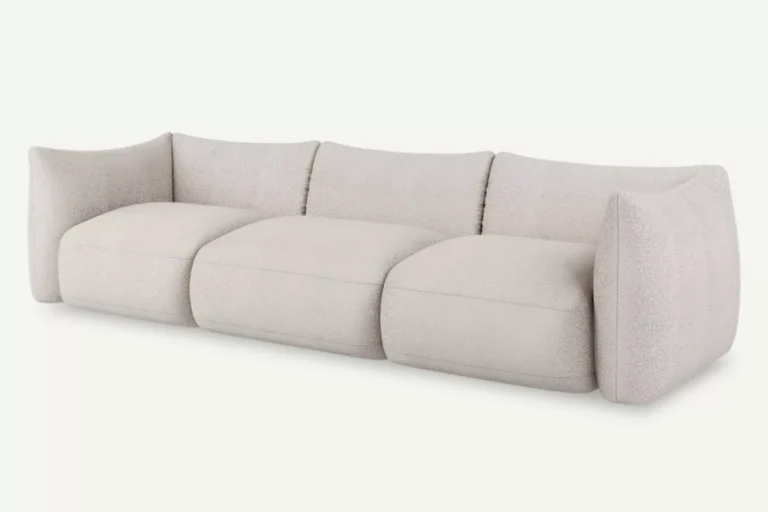
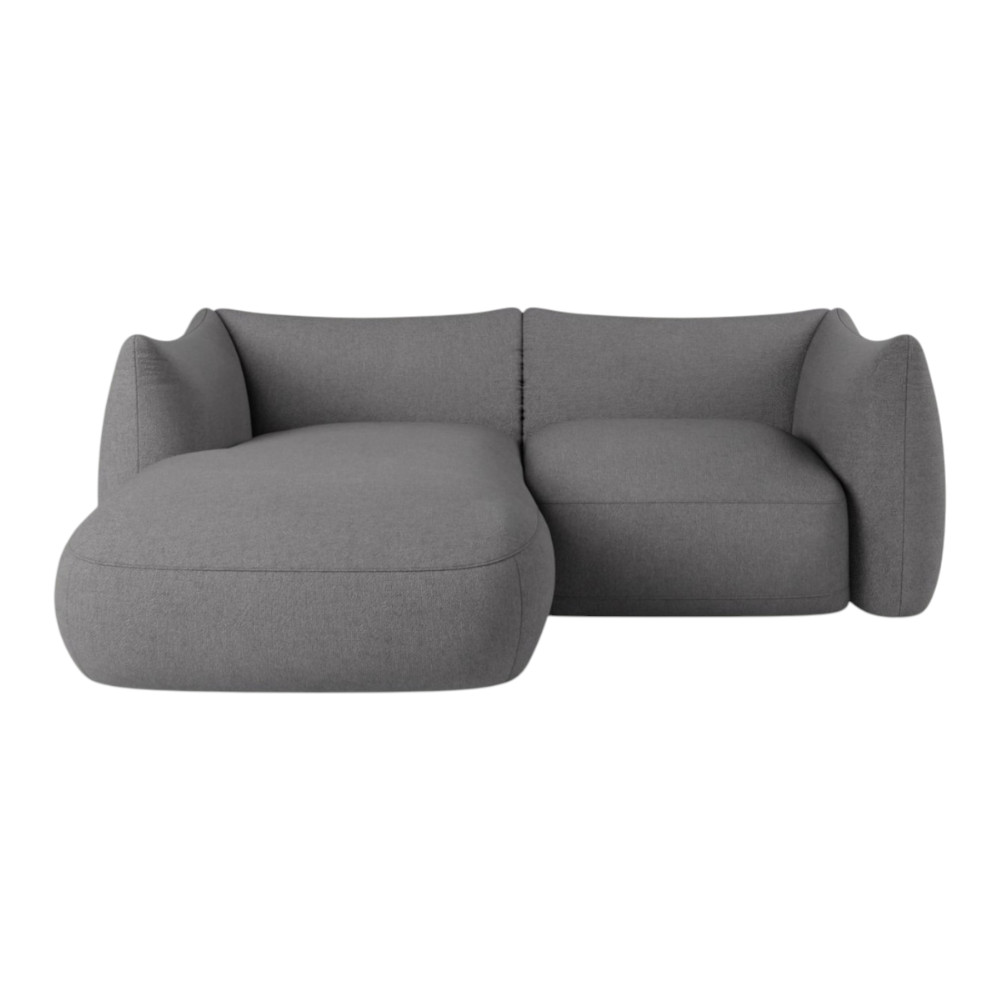
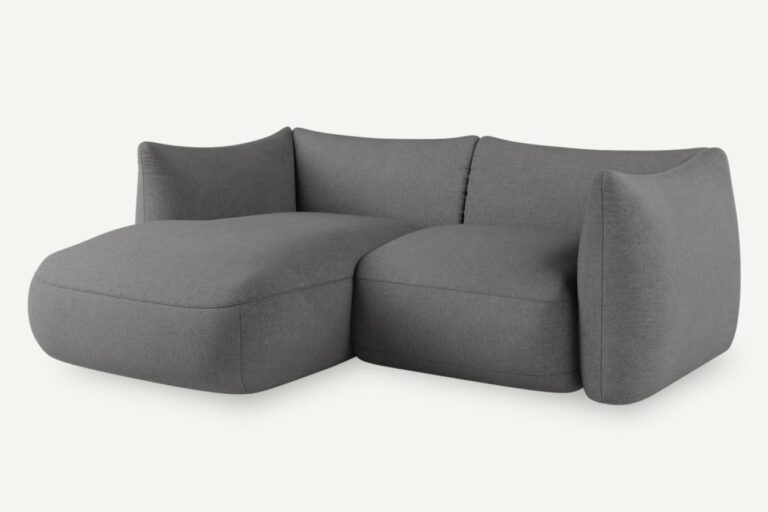
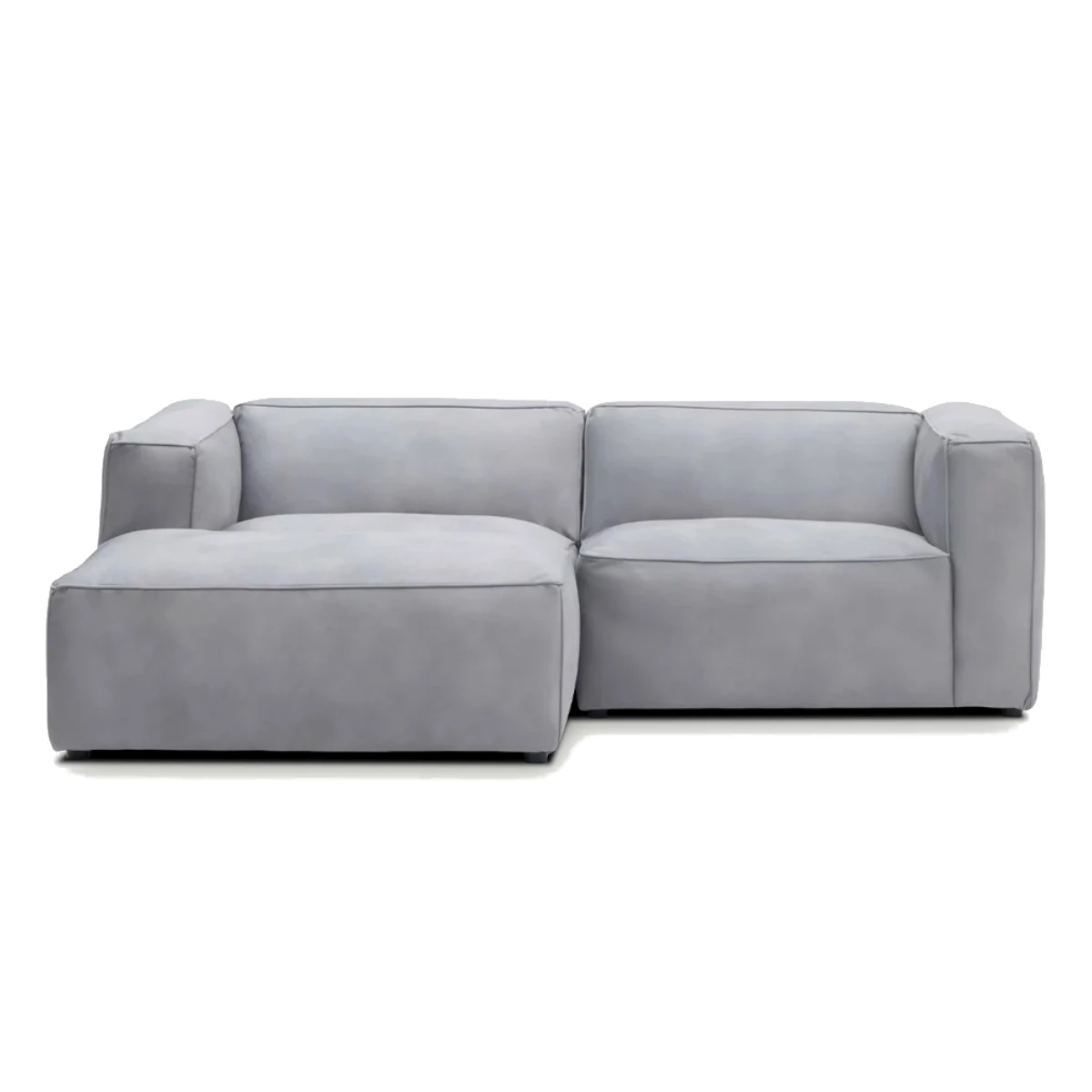
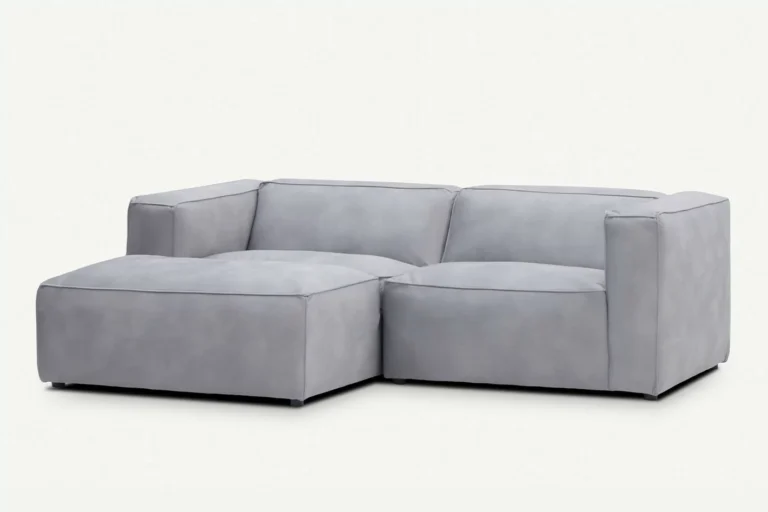
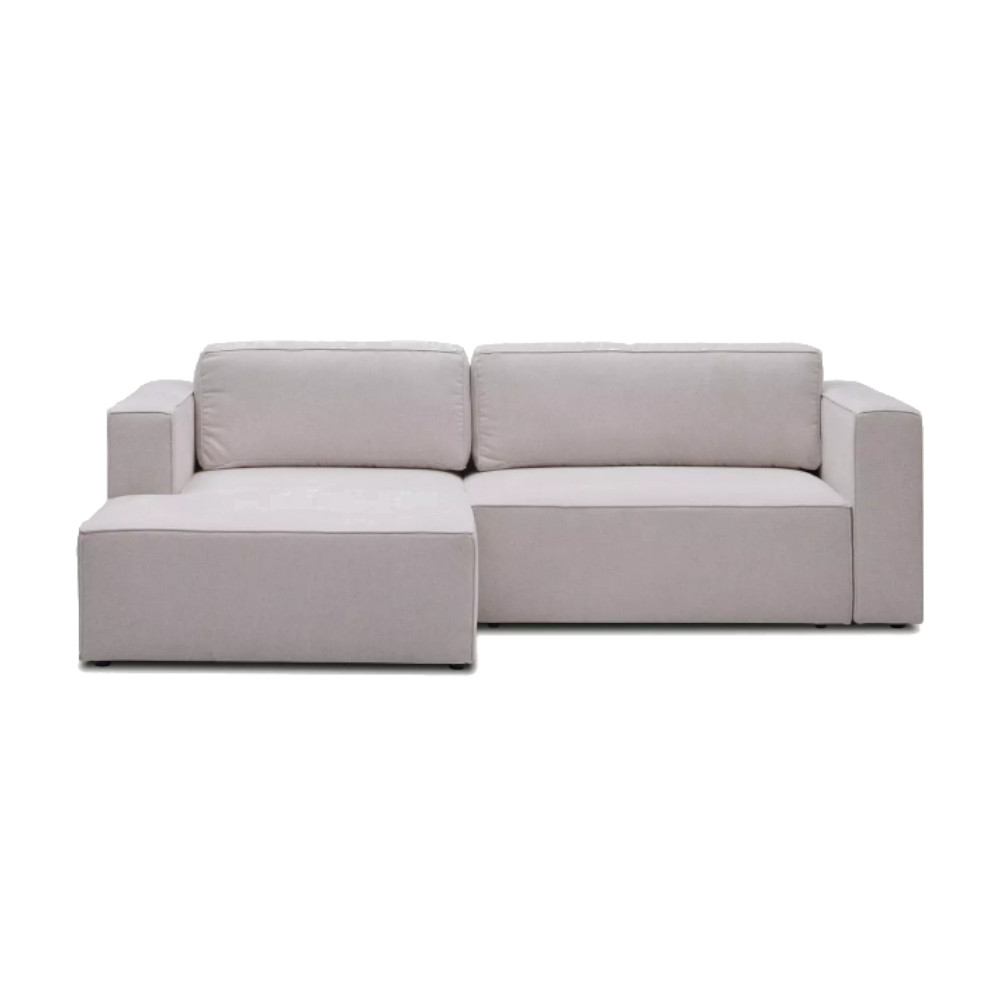
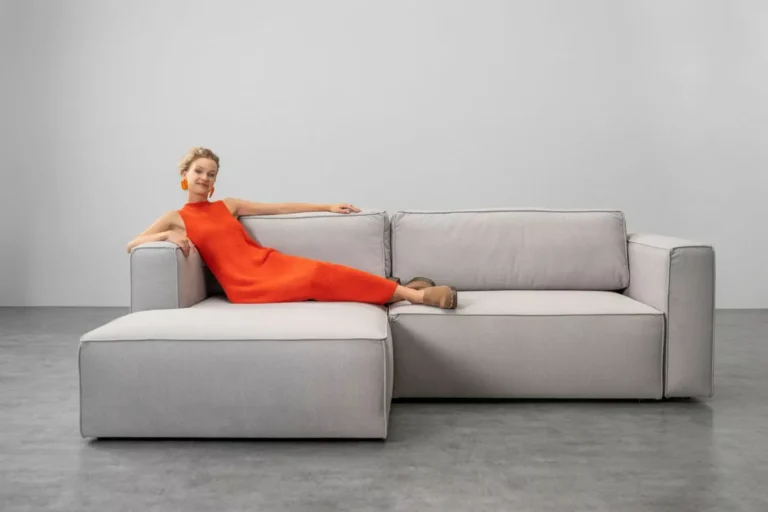
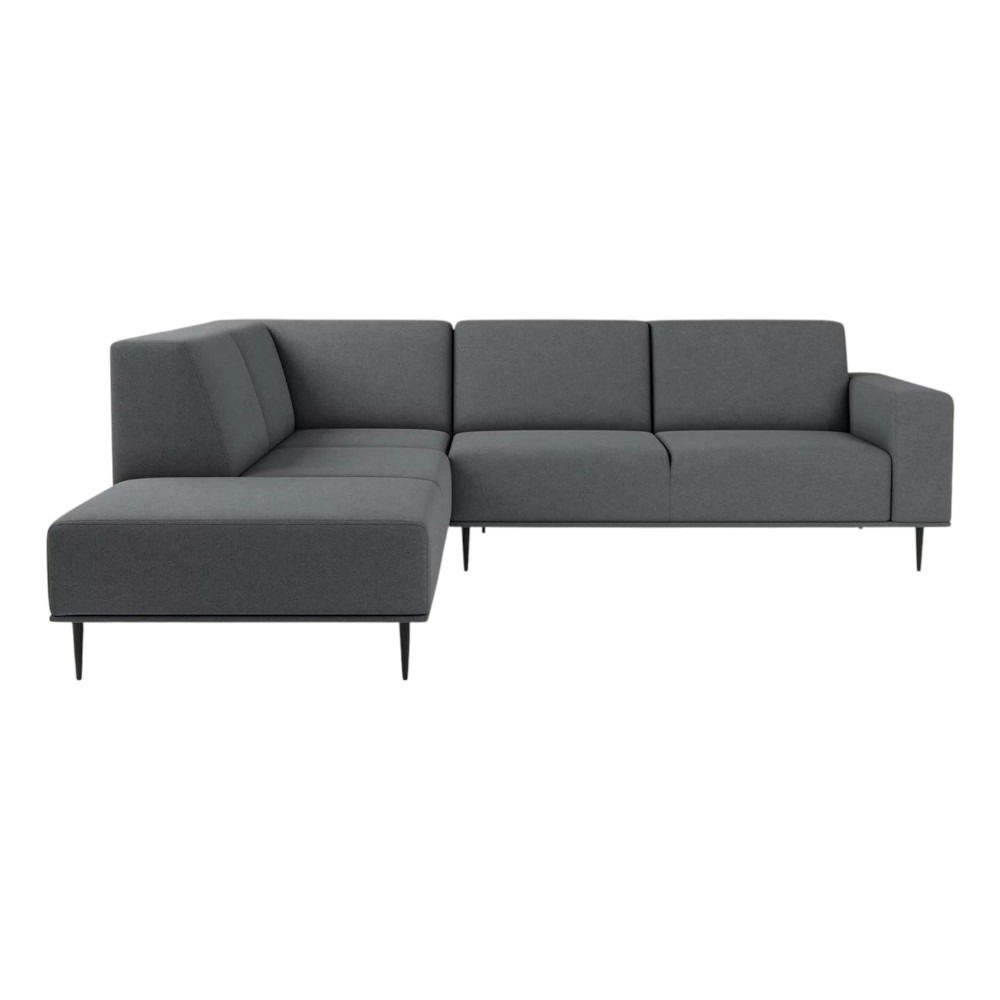
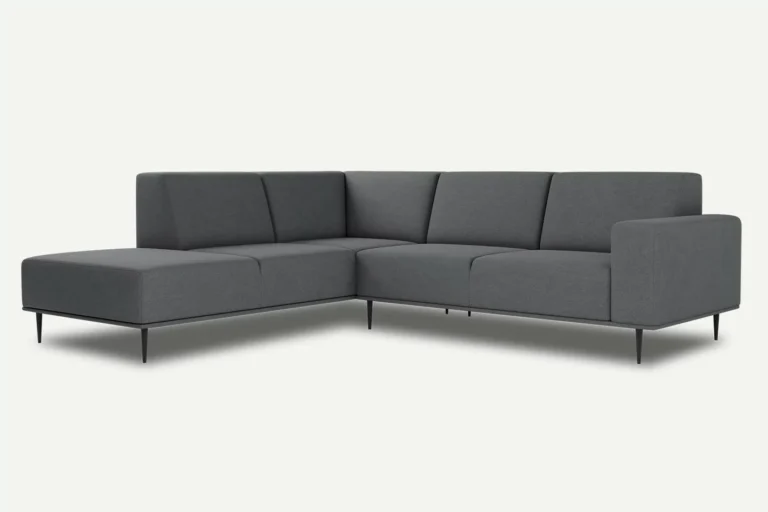
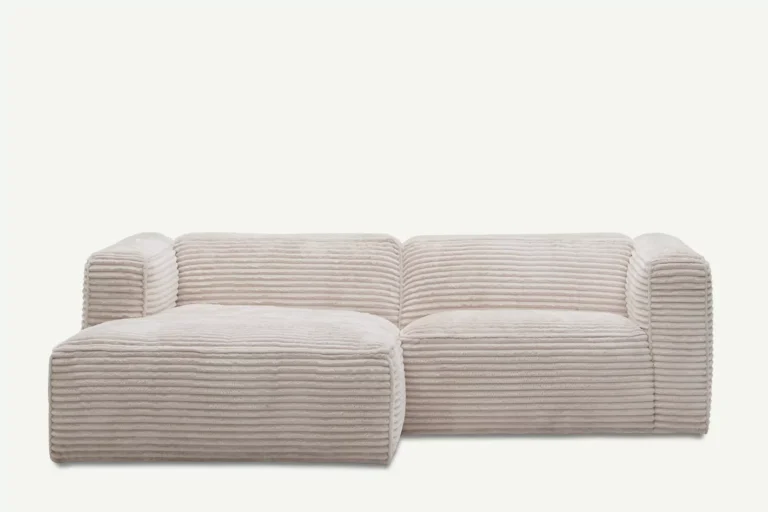
Corner and modular sofas work especially well in larger areas. They can shape zones without blocking light or sightlines. This approach balances openness with clear functional separation.
Shelving & Storage Dividers
Open shelving units are ideal for dividing space without making it feel enclosed. They allow light to pass through while adding storage and display opportunities. This creates both structure and functionality in one solution.
Low storage units also work well as subtle dividers. They separate zones without overwhelming the room visually. This is especially useful in smaller spaces where maintaining openness is essential.
Discover our customer favourites
-
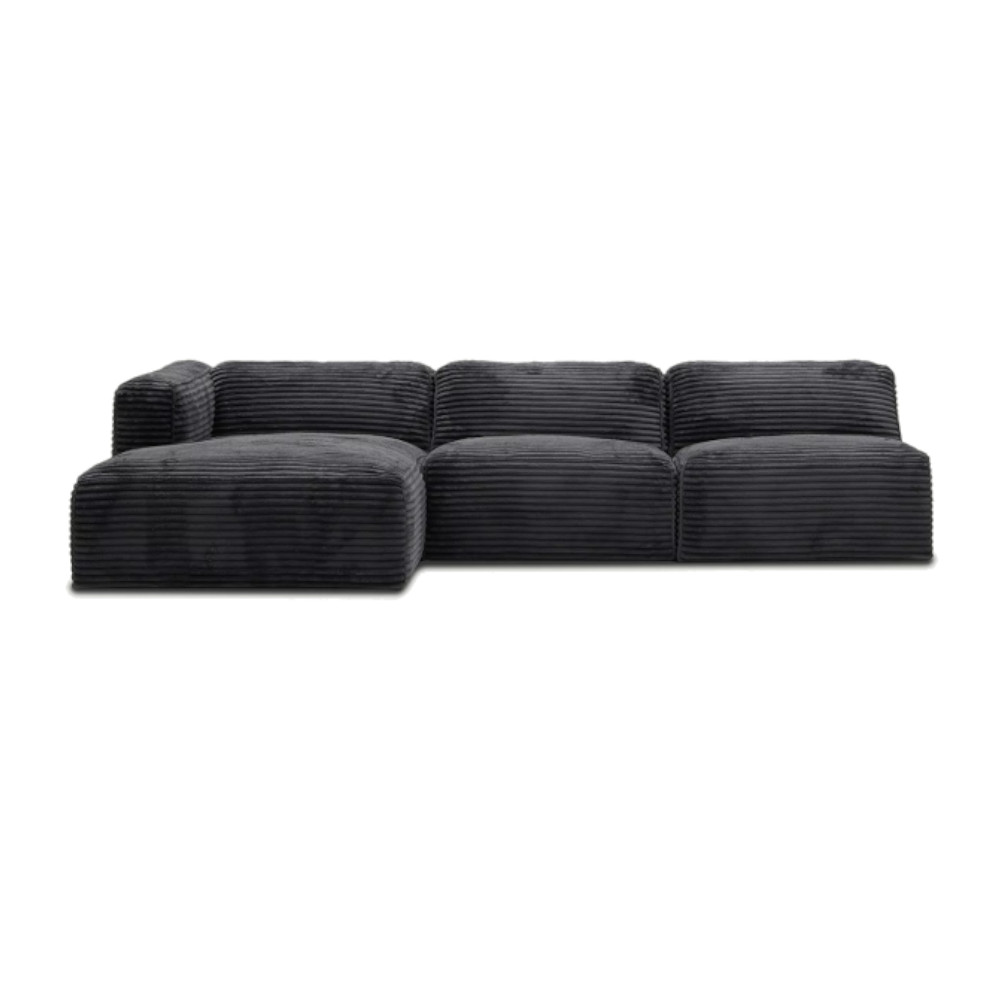
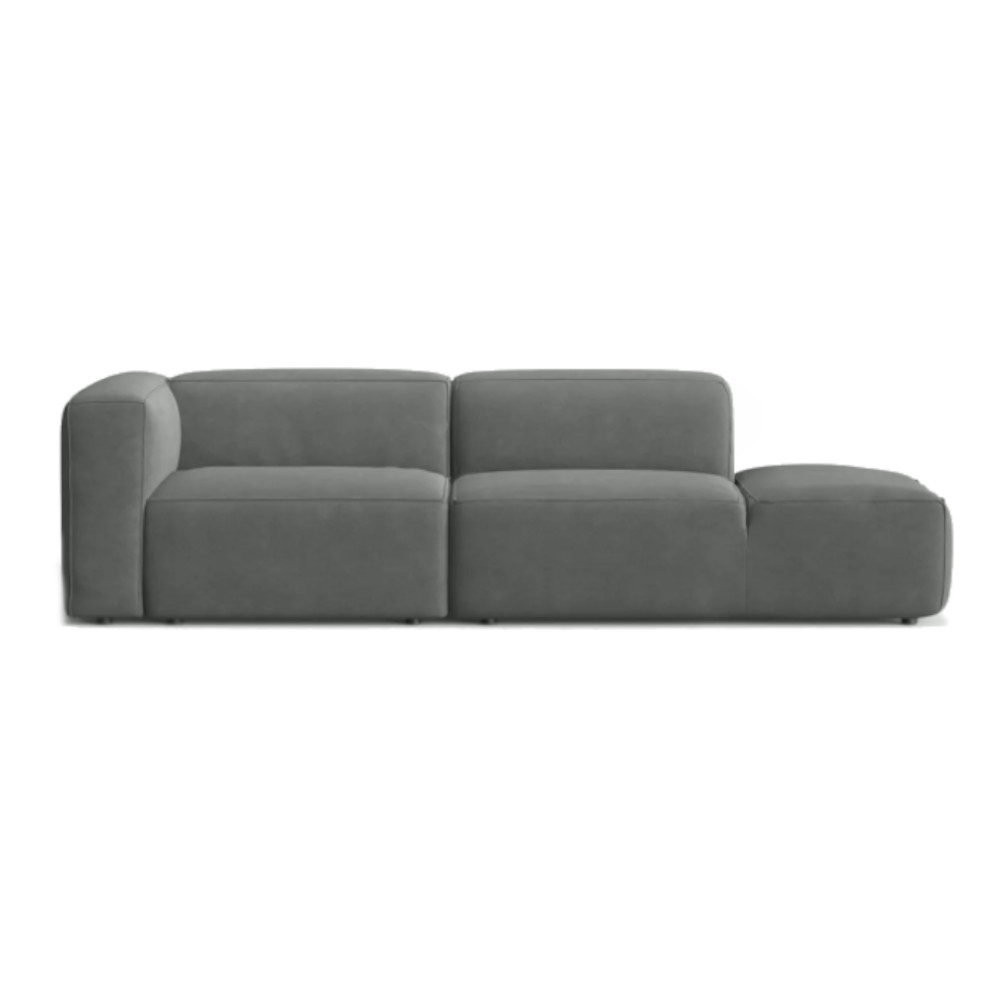
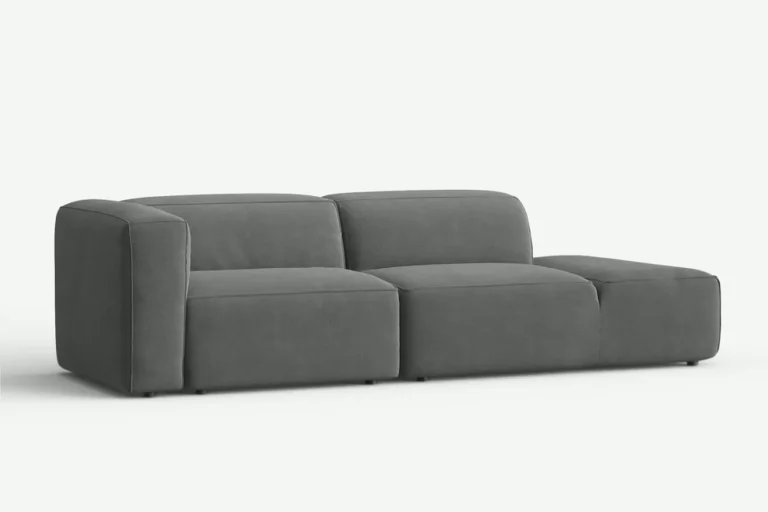
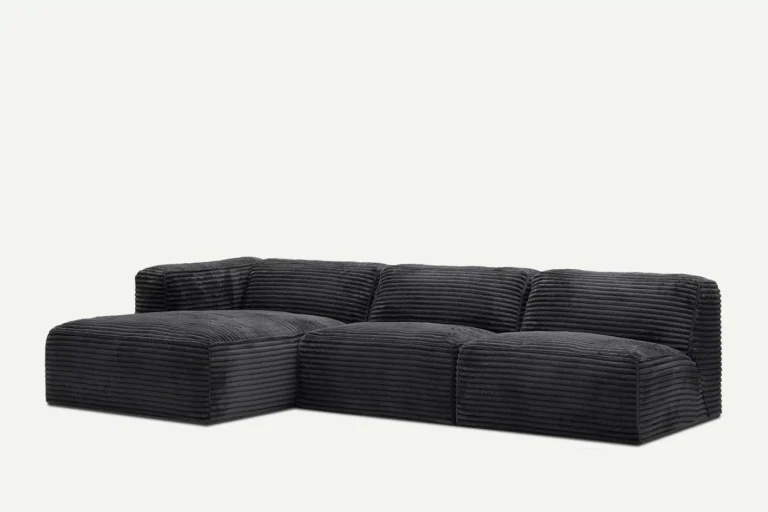
![Moved XL 4 Seater Corner Sofa 1 Arm Black Tilia 100]()
£2,120.00£1,802.00 -
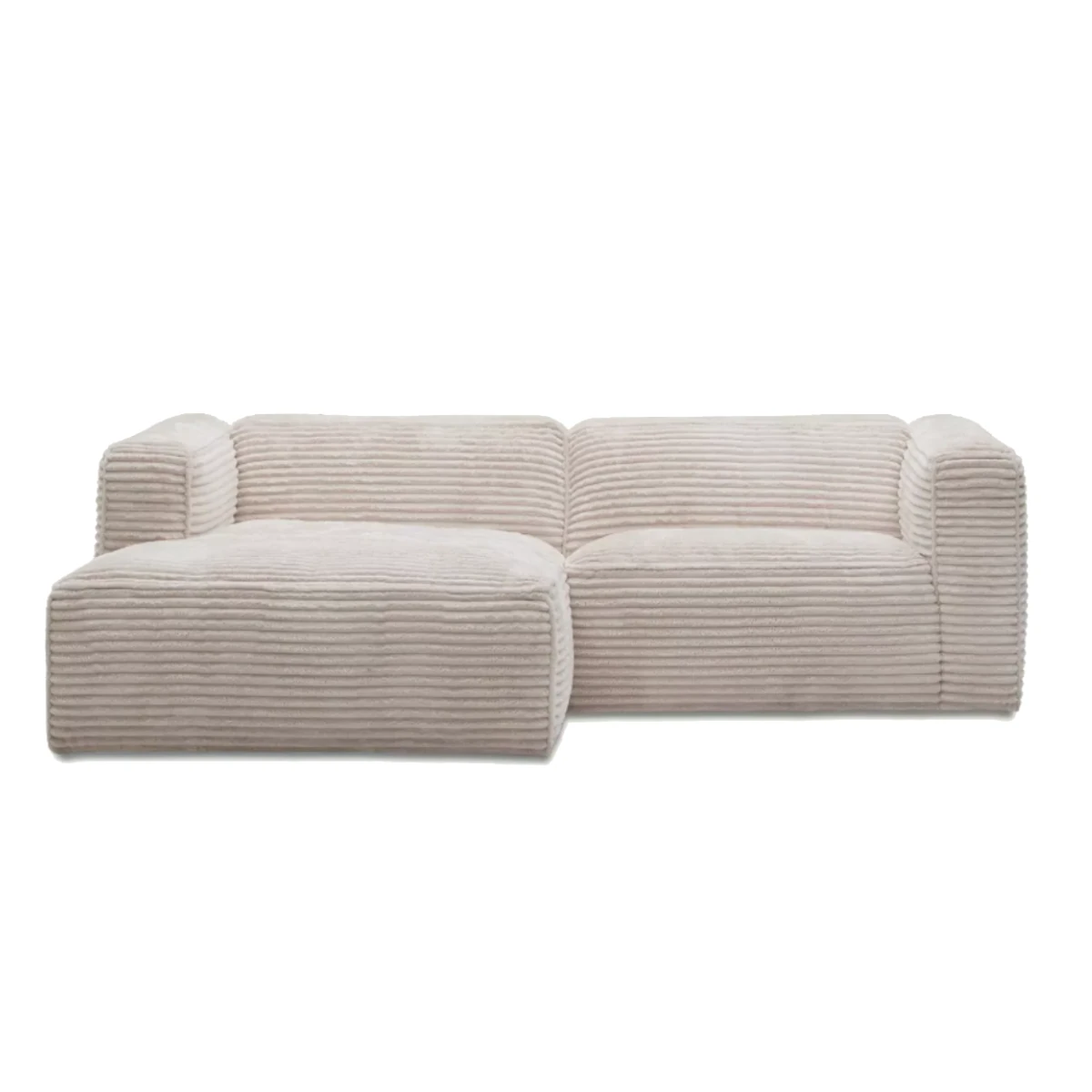
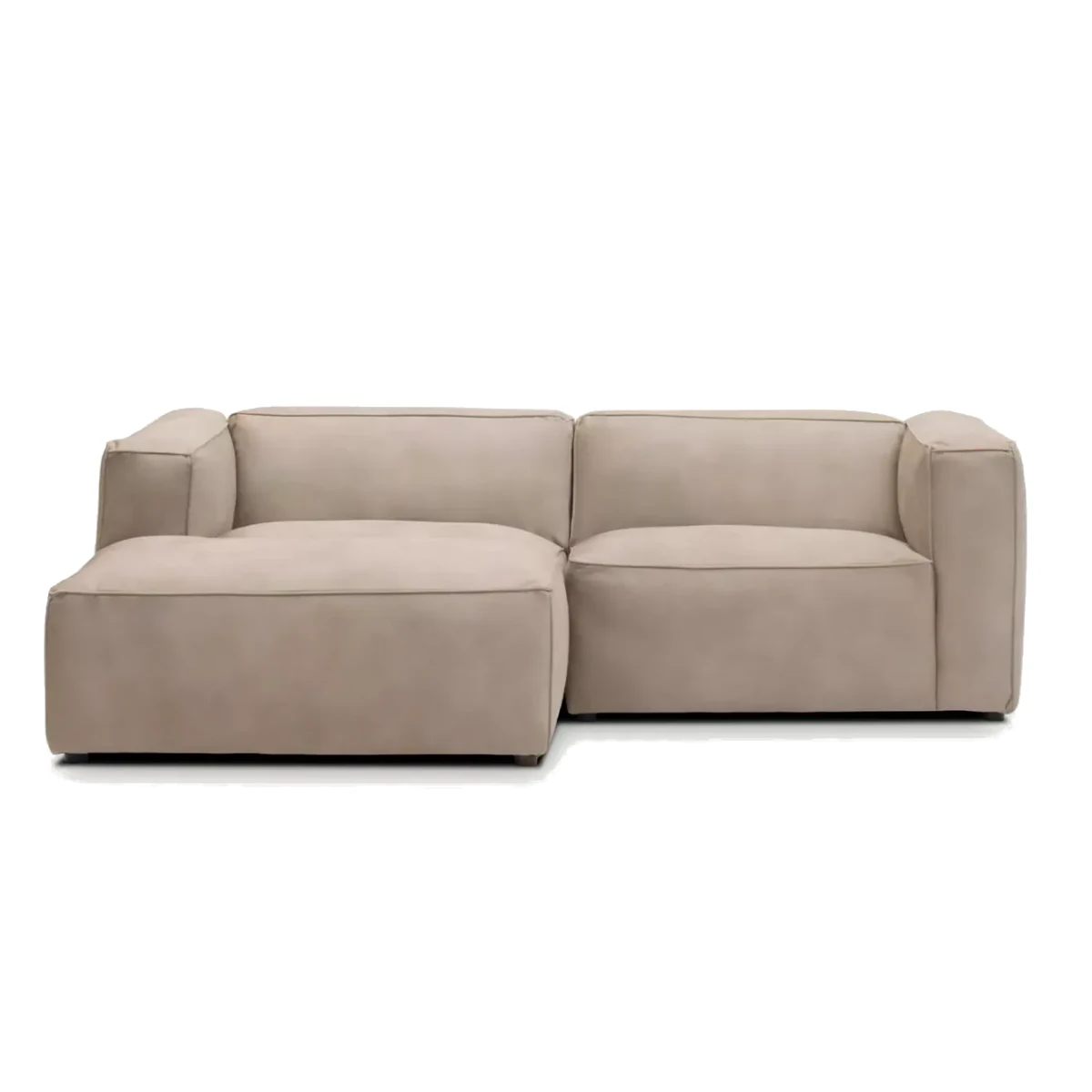
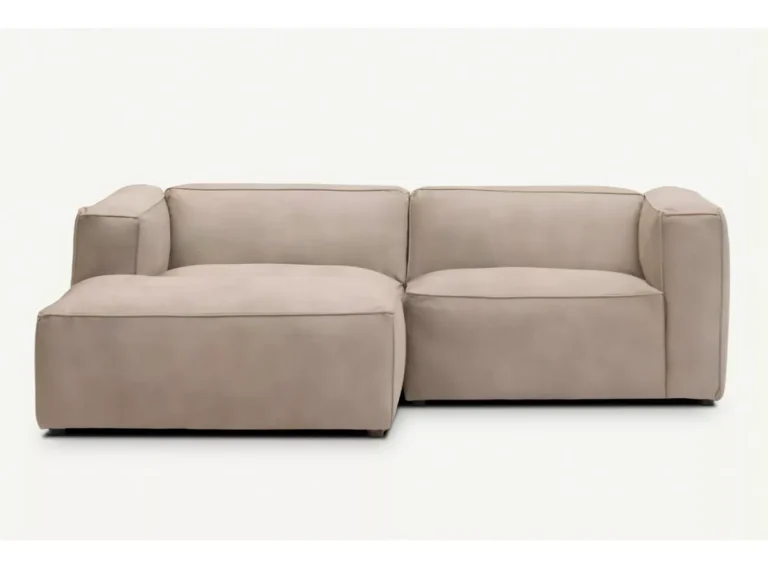
![Moved II Small and Modern Corner Sofa Beige Tilia 03]()
£1,340.00£1,139.00
Rugs, Lighting & Visual Zoning
Rugs are one of the simplest ways to define zones. A large rug can anchor a seating area and visually separate it from dining or work spaces. This creates a clear boundary without adding physical barriers.
Lighting also plays a key role. Pendant lights over dining tables and floor lamps in lounge areas create distinct atmospheres. Layered lighting reinforces the purpose of each zone effectively.
Layout Examples
In rectangular rooms, placing a sofa across the width can divide living and dining areas. This creates two clear zones without disrupting flow. The key is maintaining enough walking space around furniture.
In square layouts, use rugs and shelving to define areas. Position seating centrally and build zones around it. Balanced placement ensures the room feels cohesive rather than fragmented.
FAQ
Below are answers to common questions about zoning open plan spaces.
How can I divide a room without building walls?
Use sofas, shelving, rugs, and lighting. These elements define zones while keeping the space open.
What is the best furniture for open plan zoning?
Sofas, especially corner or modular designs, work very well. Shelving units and low storage pieces are also effective.
How much space should I leave between zones?
Allow at least 60 to 90 cm for walkways. This ensures easy movement and comfort.
Can small rooms be zoned effectively?
Yes, using rugs and lighting works well. Keep furniture minimal and avoid blocking natural light.