Posted on May 28, 2026
Sofa Colour Trends 2026: The Shades UK Homes Are Choosing This Year
Sofa colour trends in 2026 focus on warmth, depth, and natural tones. UK homeowners are moving away from cold neutrals and choosing shades that feel inviting and grounded. Rich earthy colours and softened classics now dominate modern interiors, making living rooms feel more personal and layered. Explore the latest palette and find the right direction for your space.
Colour Palette Overview 2026
The key shift for 2026 is clear. Interiors now favour warmer, nature-inspired tones over stark minimalism, creating a more comfortable and lived-in feel. Colours are deeper, slightly muted, and designed to complement natural materials like wood, stone, and textured fabrics. This approach reflects a broader trend towards calm and balanced living spaces.
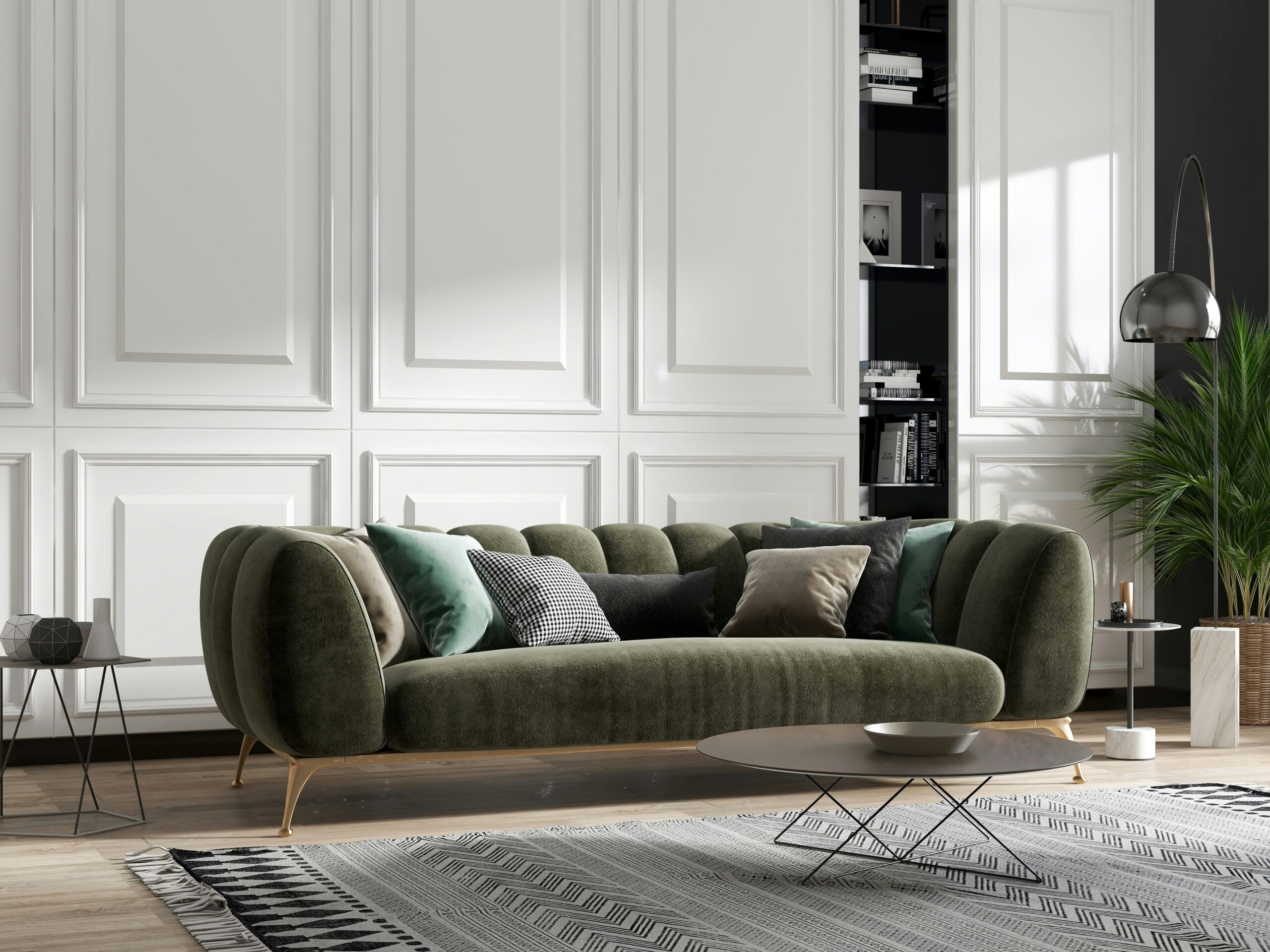
Another important element is versatility. Many trending shades work across different styles, from modern to classic interiors. These colours are designed to age well and remain relevant over time, which makes them a practical choice for long-term furniture decisions. Instead of chasing bold trends, homeowners are investing in tones that feel timeless.
Trend 1–5: The Colours Defining 2026 Interiors
Espresso is one of the strongest trends this year. This deep brown shade adds richness without feeling heavy. It works especially well in larger rooms where darker tones can create a grounded focal point. Paired with lighter walls, it delivers contrast while maintaining warmth.
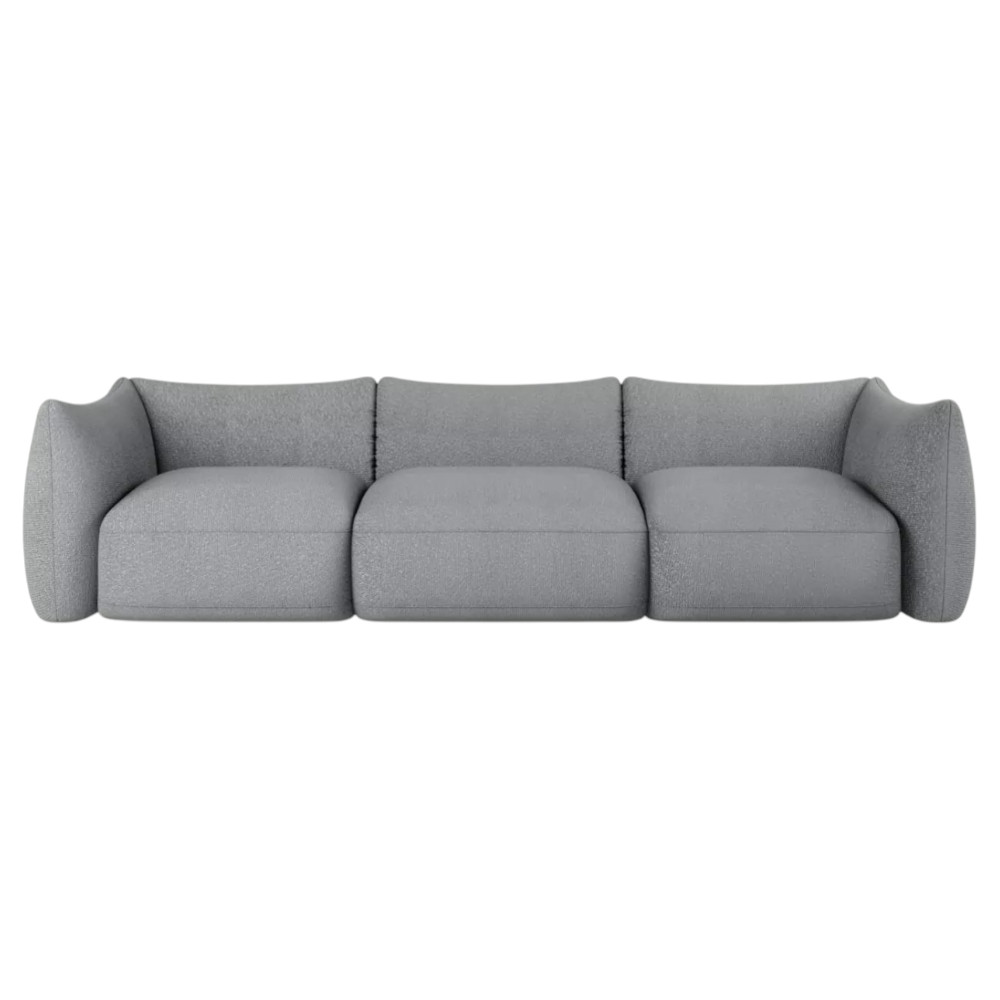
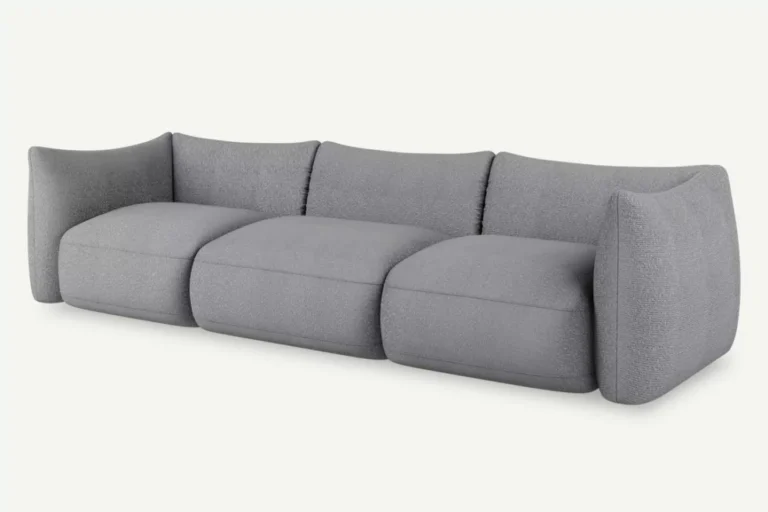
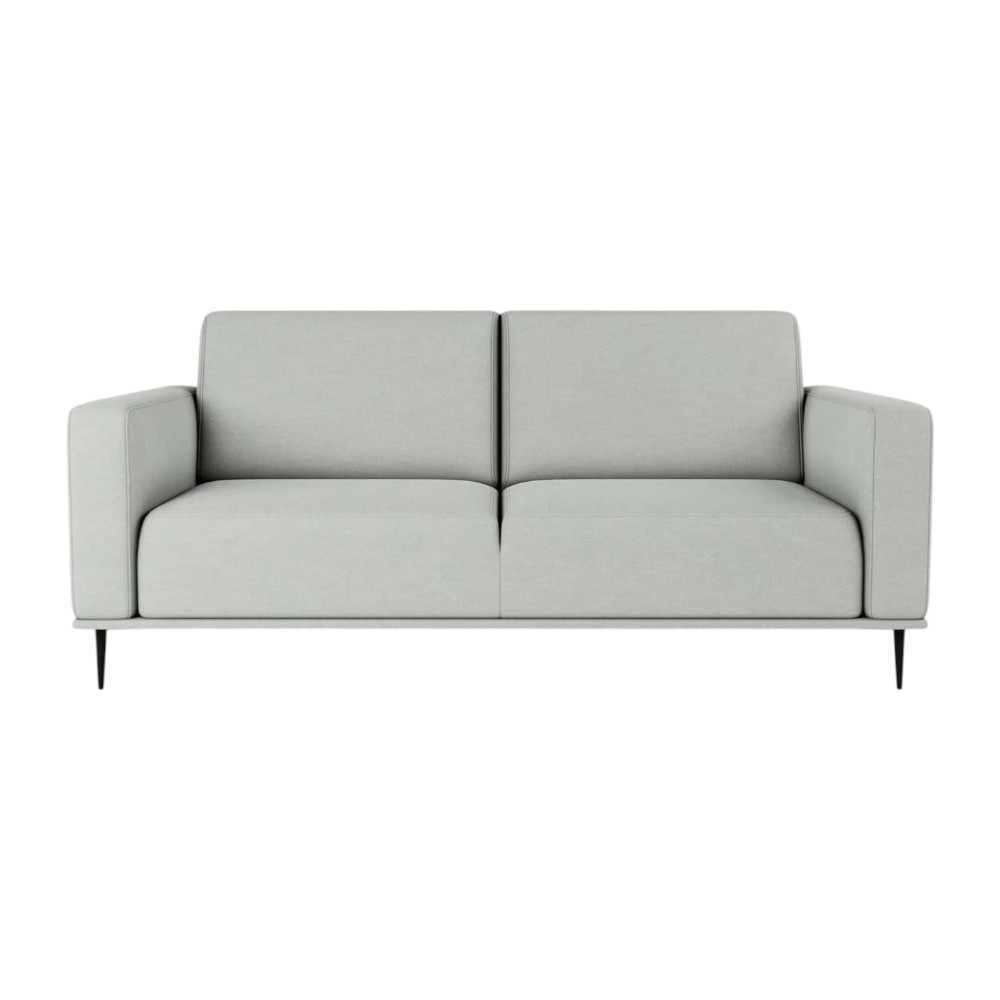
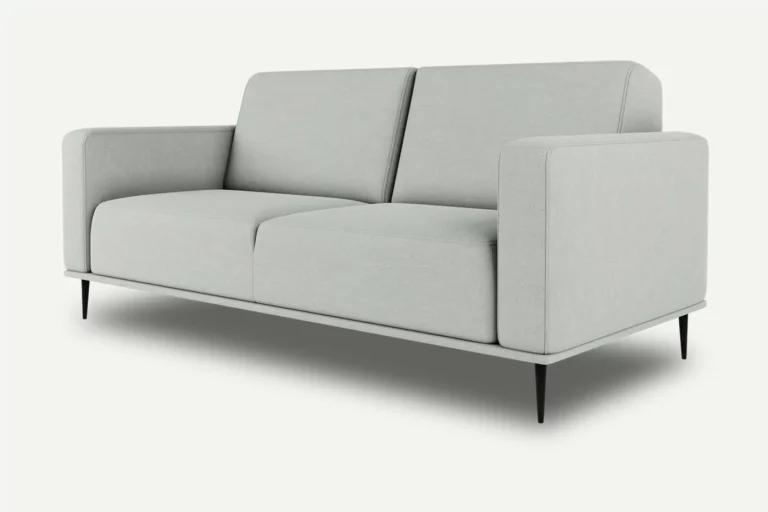
Olive and plum bring a more expressive touch. Olive adds a natural, calming feel, while plum introduces depth and subtle luxury. Warm grey remains popular but has evolved. It now leans towards beige undertones rather than cool blue hues, making it softer and more adaptable. Terracotta completes the palette, offering warmth and a subtle Mediterranean influence.
How to Choose Based on Your Room
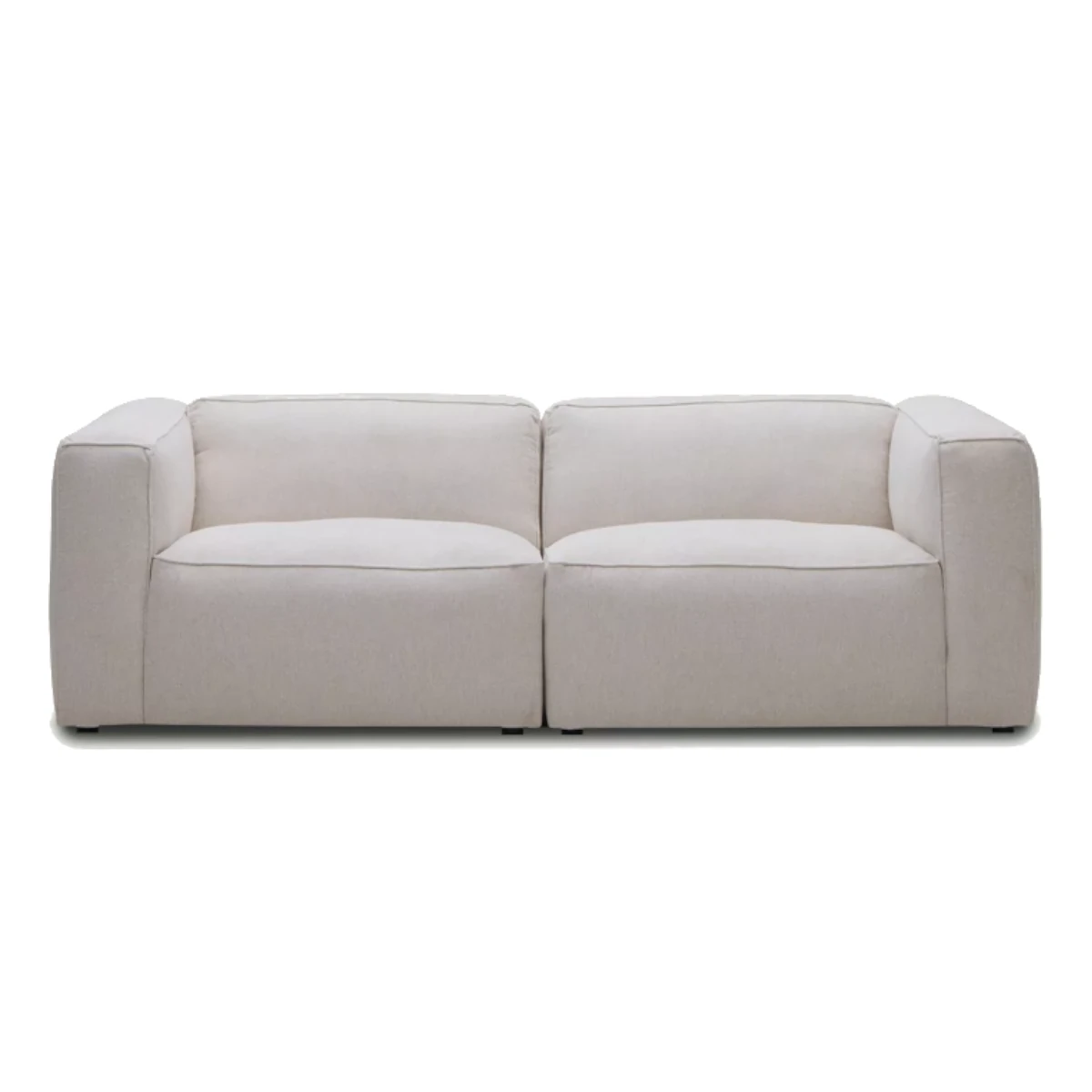
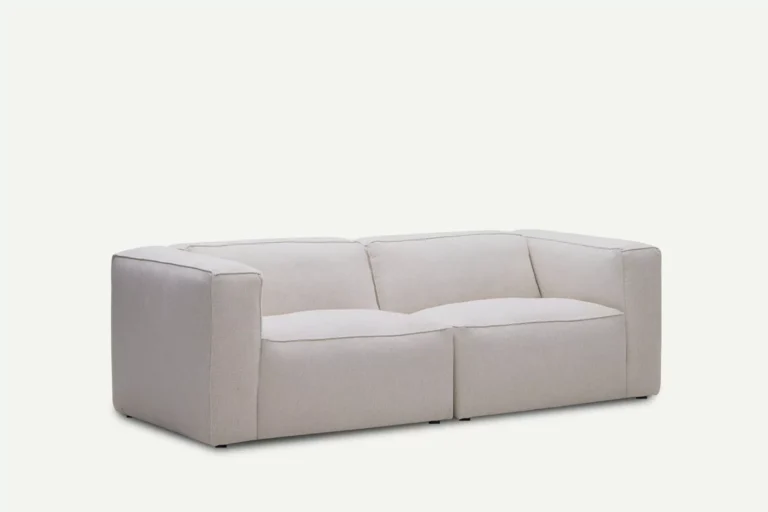
Room size plays a major role in colour selection. Smaller spaces benefit from lighter shades like warm grey or soft olive. These tones reflect light better and help create a more open feel, even in compact layouts. Darker colours such as espresso work best in larger rooms with plenty of natural light.
Lighting also matters. North-facing rooms often feel cooler, so warmer tones like terracotta or beige-based greys balance the space. South-facing rooms can handle deeper shades without feeling heavy. Always test colours in both natural and artificial light before making a final decision, as perception changes throughout the day.
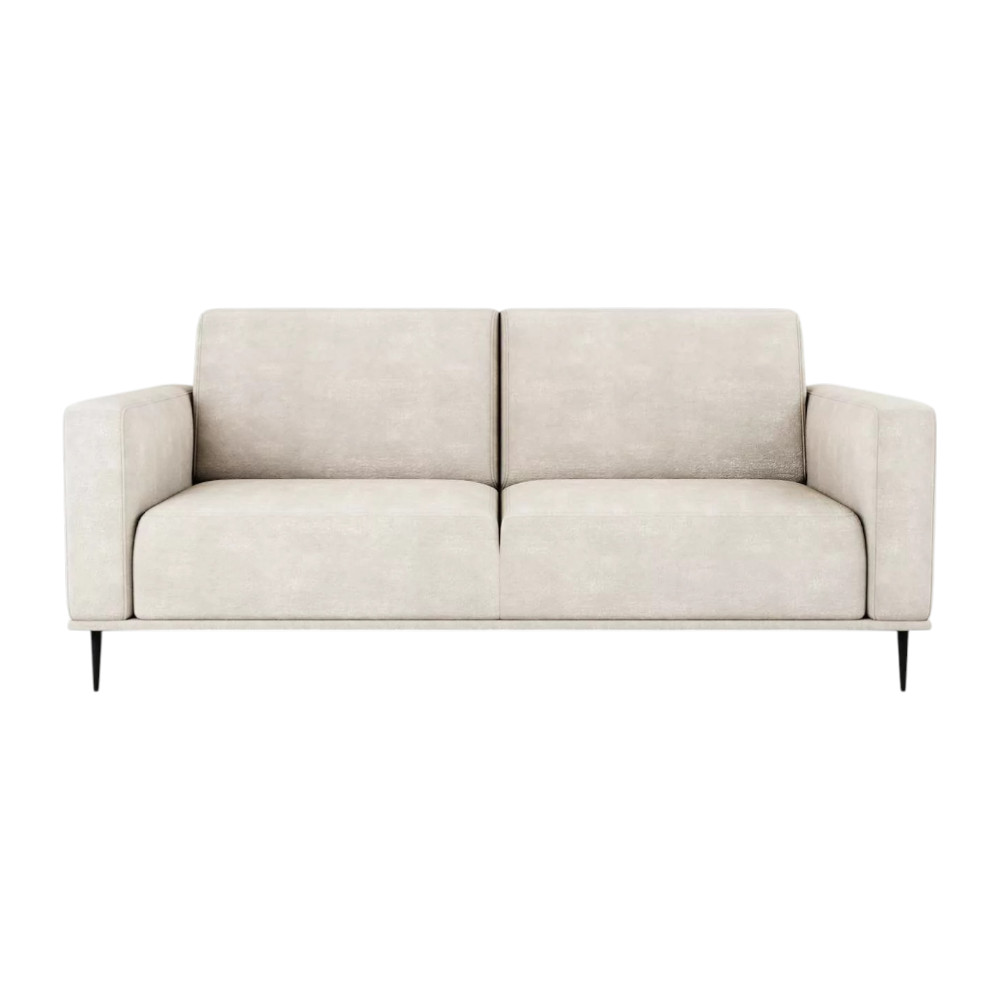
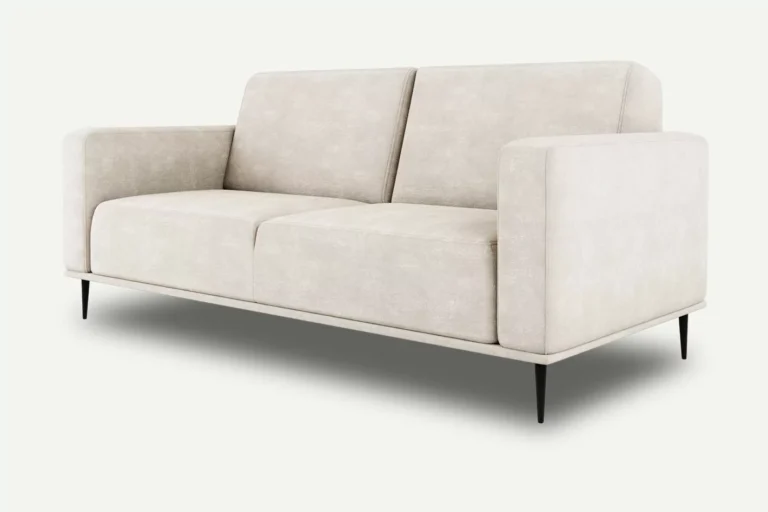
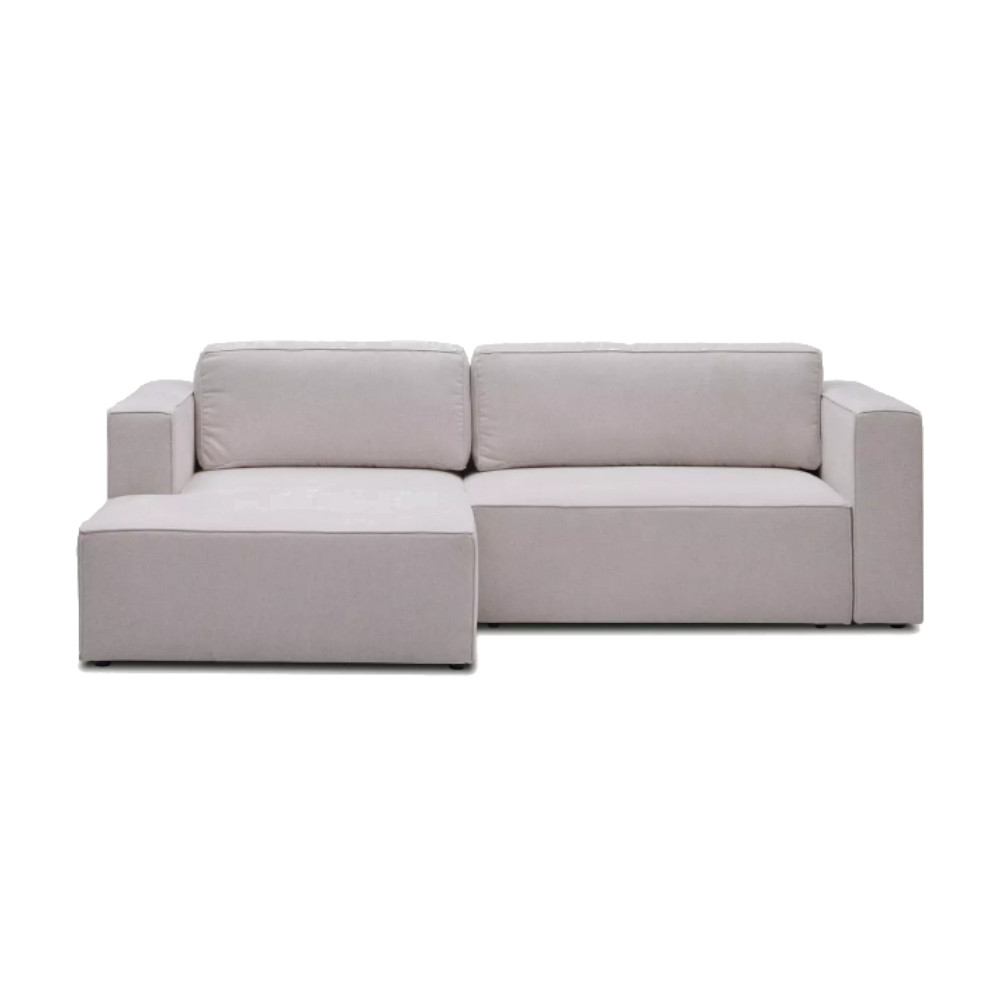
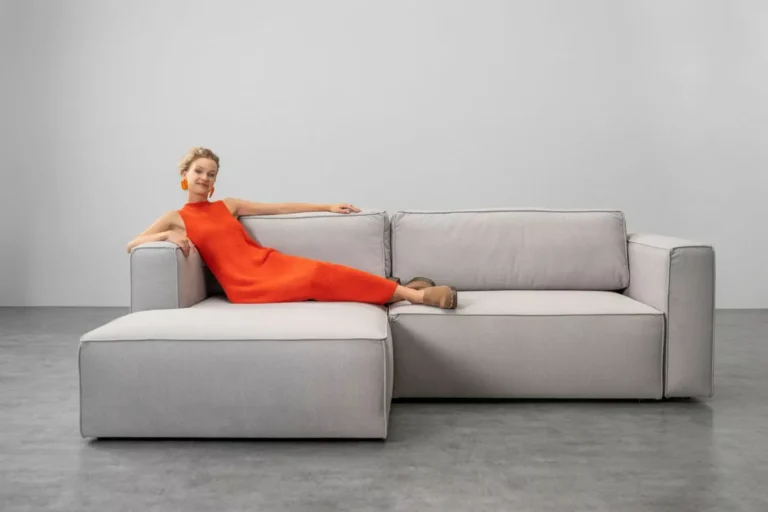
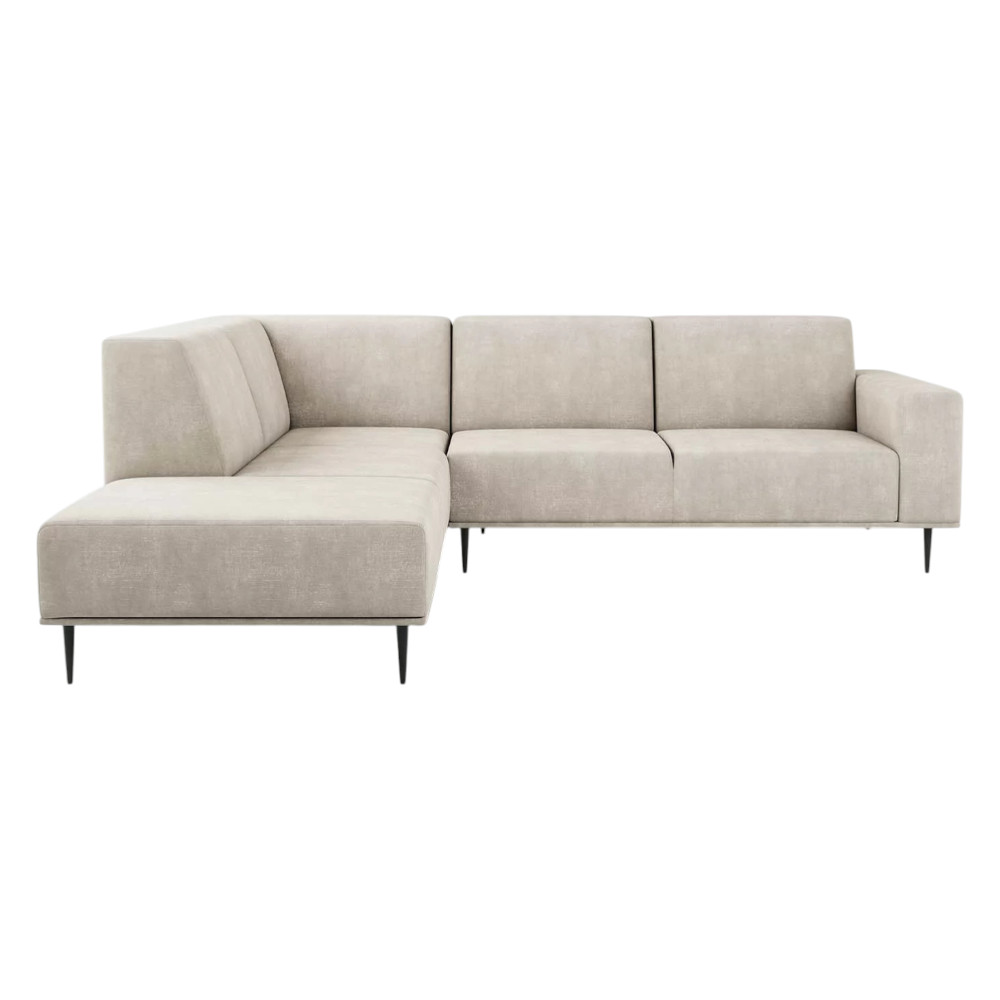
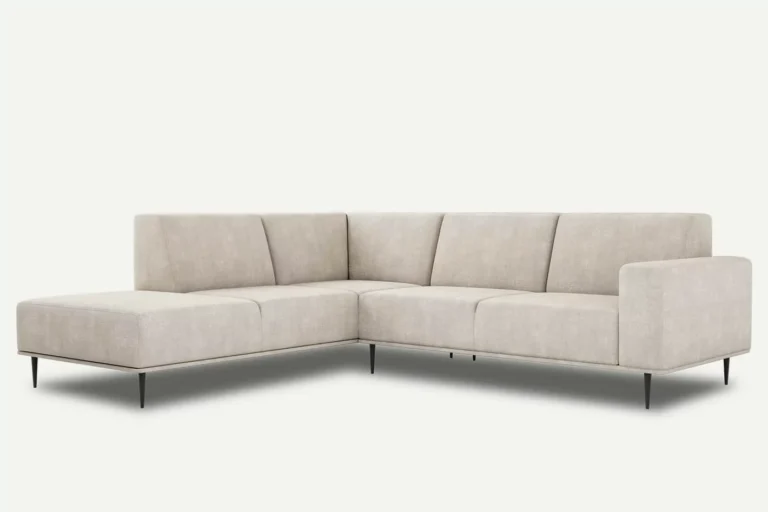
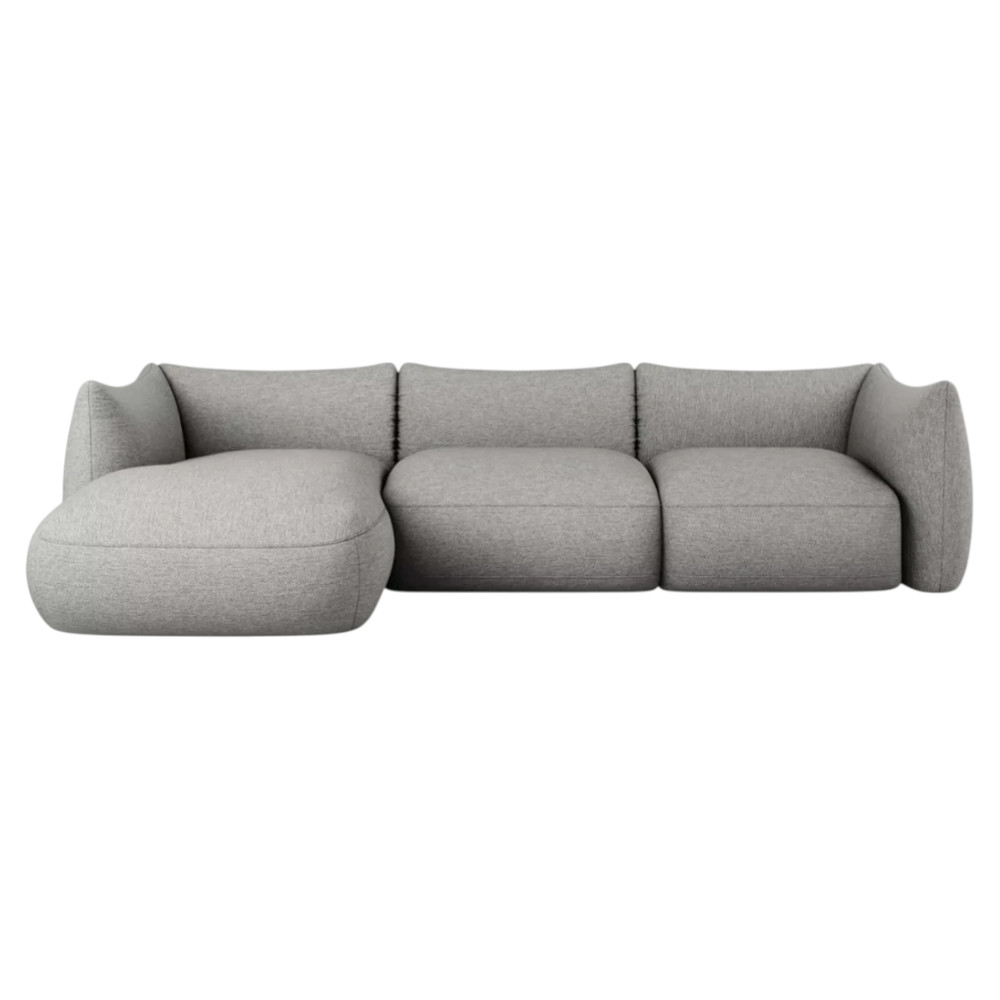
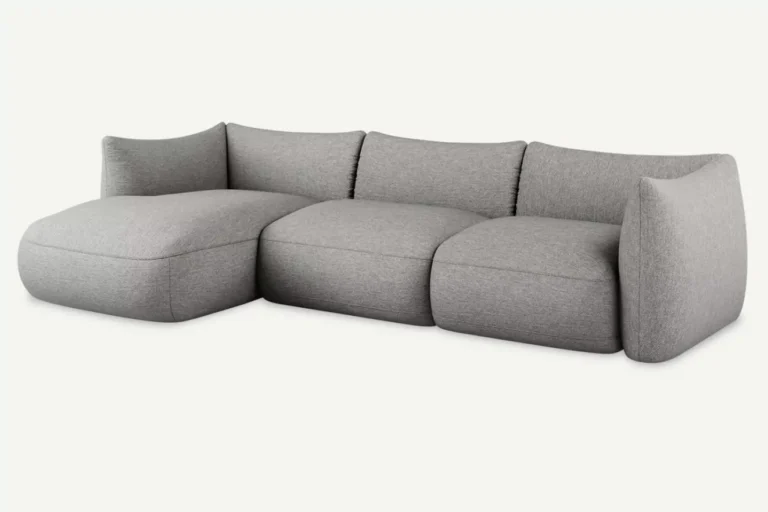
Browse our most popular styles
-
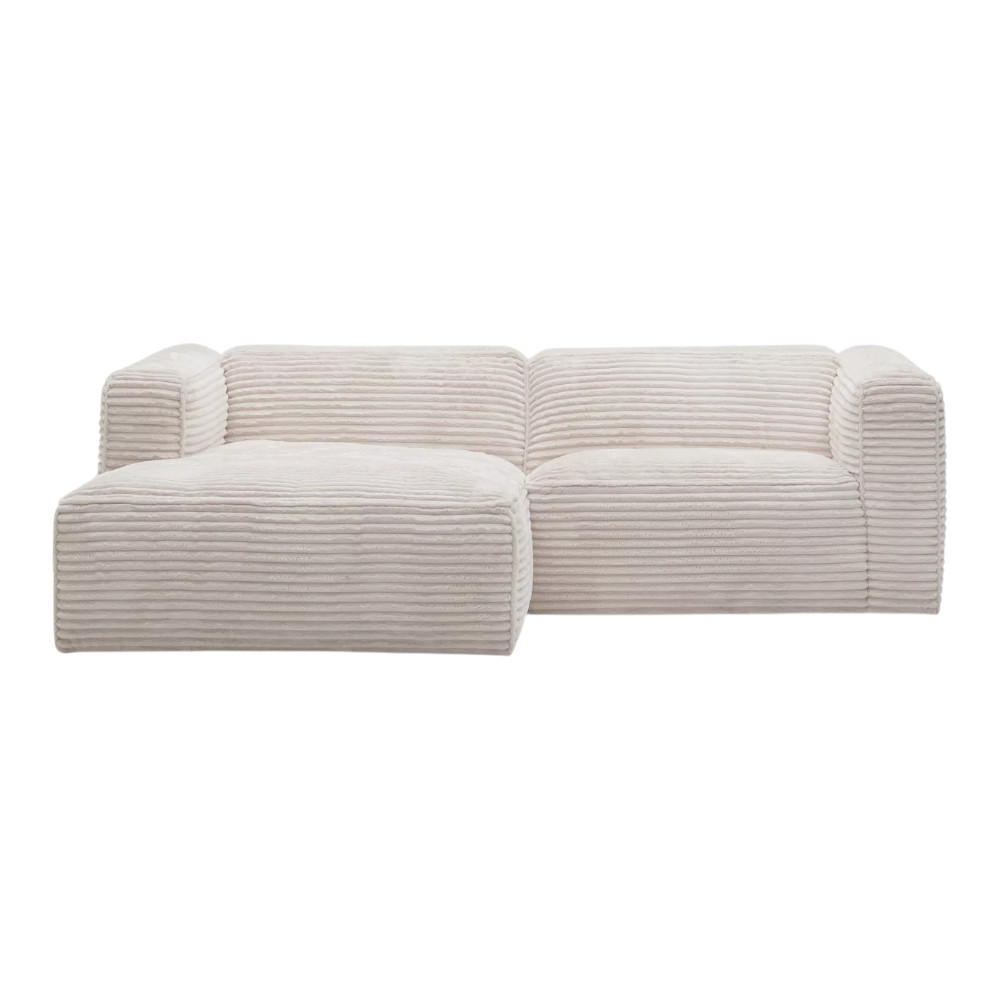
![Moved II Small and Modern Corner Sofa Left White Tilia 01]() Express
Express
dispatch -
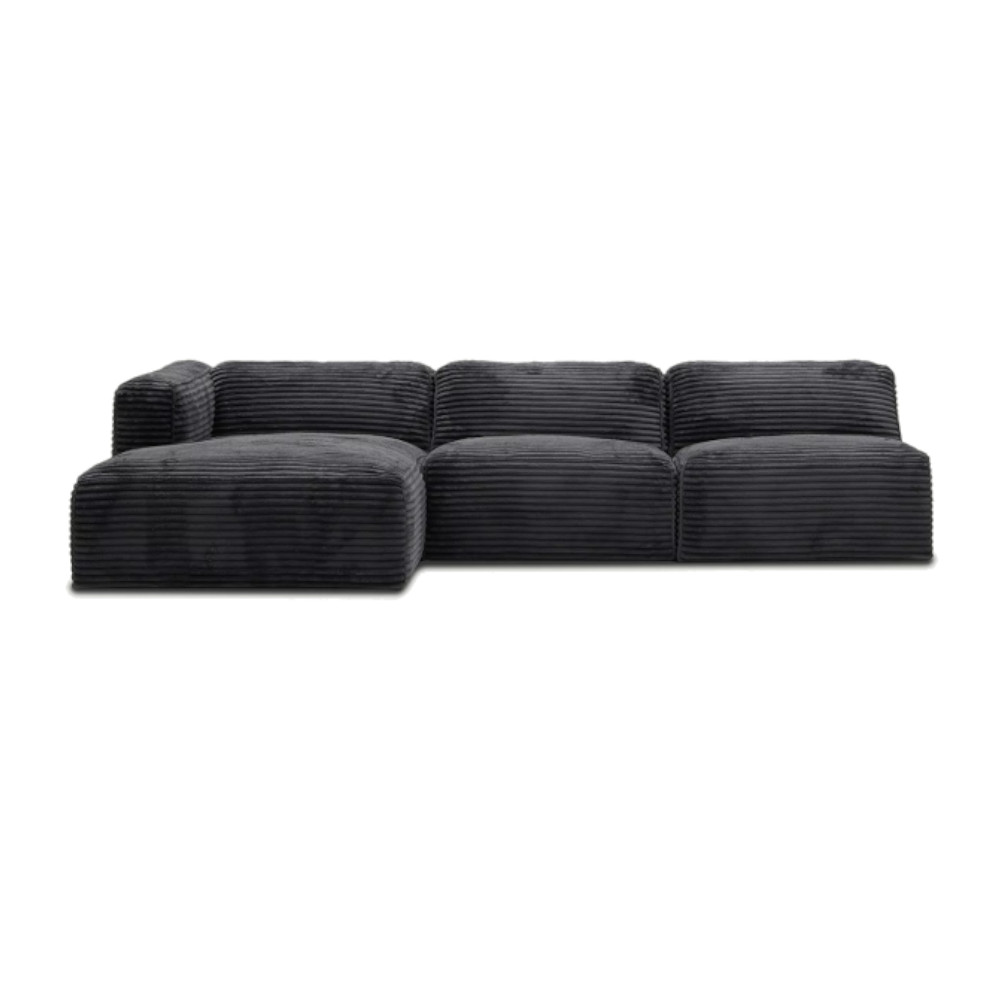
![Moved XL 4 Seater Corner Sofa 1 Arm Black Tilia 100]()
£2,120.00£1,802.00
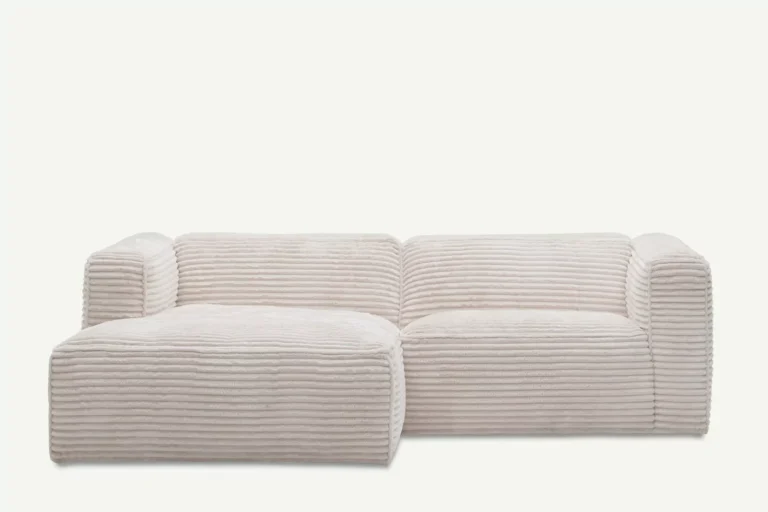
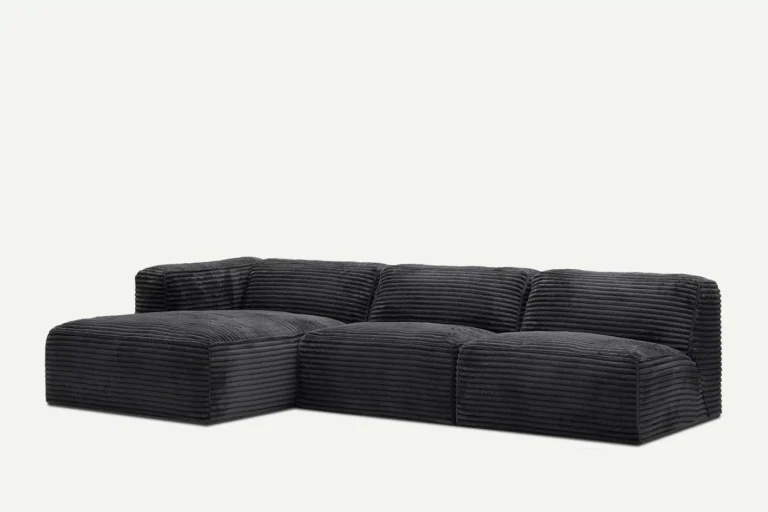
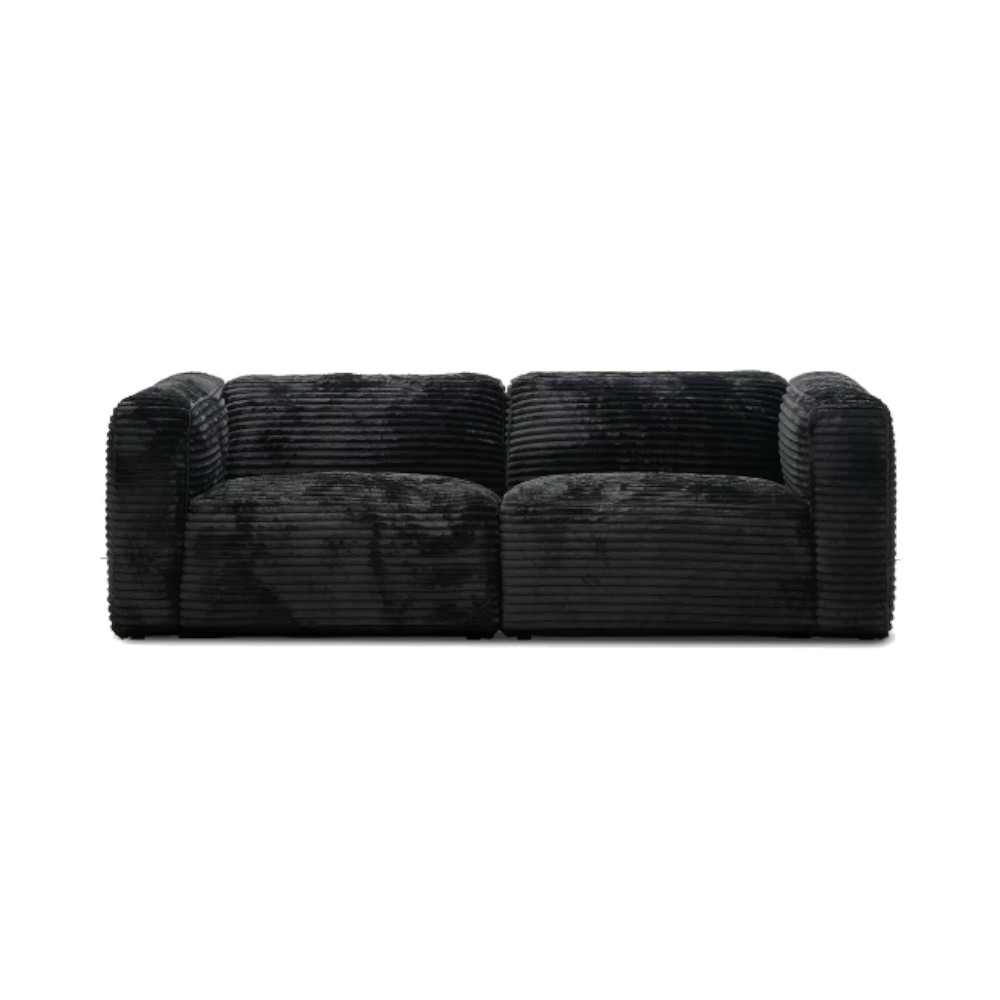
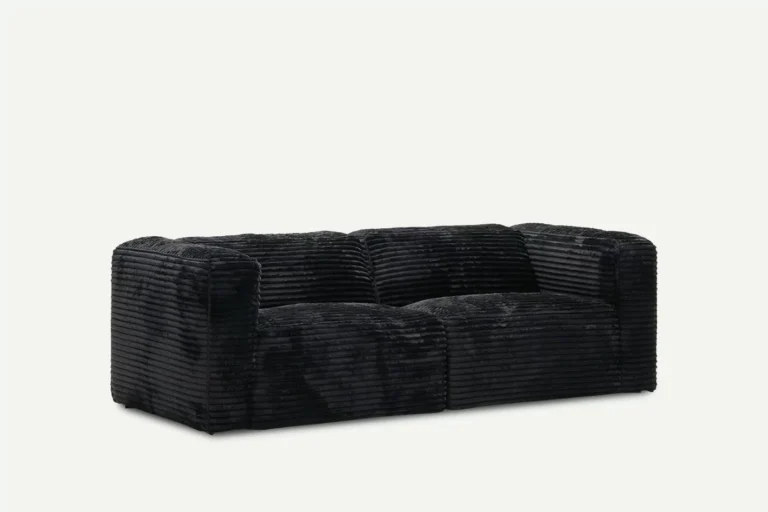
Pairing Sofa Colour with Walls
The safest approach is contrast with balance. A dark sofa works best against lighter walls, while lighter sofas benefit from slightly deeper wall tones. This creates visual structure and prevents the room from looking flat or washed out. Neutral walls remain popular, but warmer shades are replacing cold whites.
For a more cohesive look, tonal layering is key. This means using similar colour families in different intensities. For example, an olive sofa pairs well with muted green or beige walls. This approach creates a calm and harmonious space without strong visual breaks, which suits modern interiors.
FAQ
Below are the most common questions about sofa colour trends in 2026. These answers will help you make a more confident choice.
What is the most popular sofa colour in the UK for 2026?
Warm neutrals like beige-toned grey and earthy shades such as olive are leading trends.
Are dark sofas still in style in 2026?
Yes, especially deep tones like espresso and plum, but they work best in well-lit rooms.
Is grey still a good choice for sofas?
Yes, but modern grey now includes warmer undertones, making it softer and more versatile.
What colour sofa is easiest to style?
Warm grey and olive are among the easiest to match with different interiors and accessories.
Should I follow trends or choose a timeless colour?
Trends can guide you, but choosing a shade that suits your space and lifestyle is always more important.